Berlin Model — History & Facts
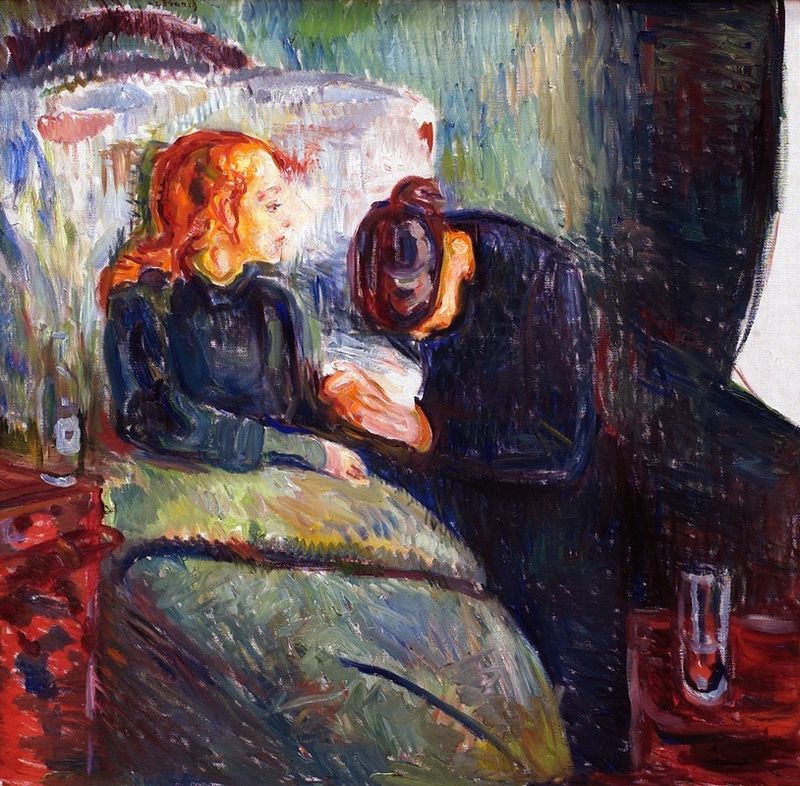
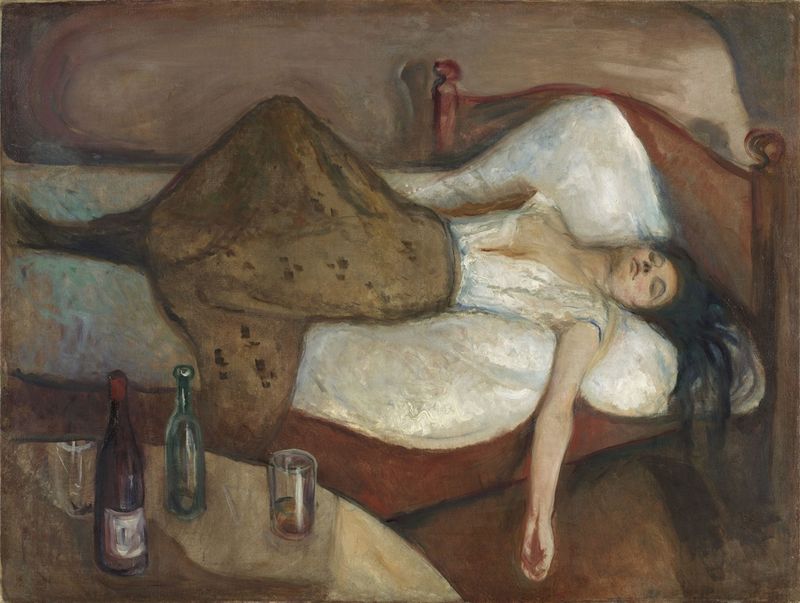
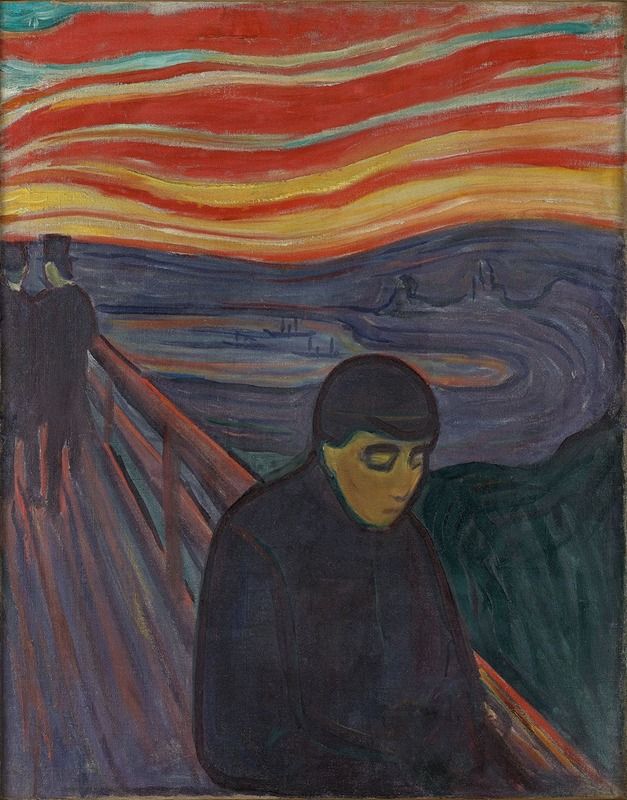
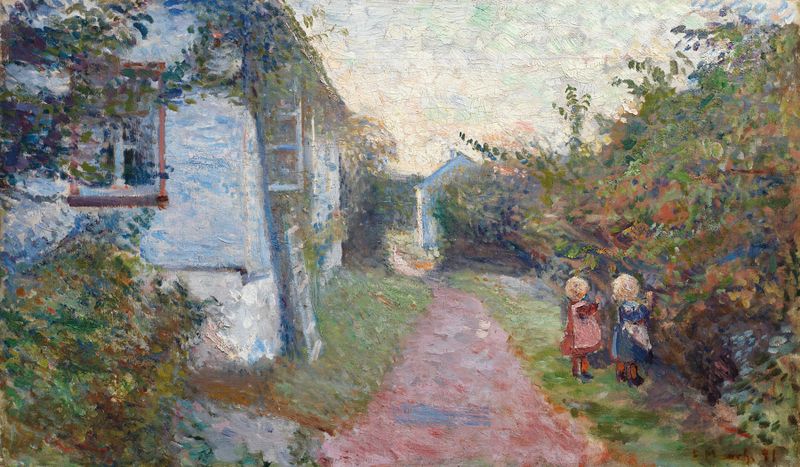
In a world where noise often drowns out introspection, is it possible to find clarity through stillness? Look to the center of the canvas, where a lone figure stands amidst a backdrop of muted hues. The model's expression is enigmatic, caught in a moment suspended in time; the strokes are both deliberate and restless. Notice how the surrounding colors swirl around her, suggesting a blend of chaos and calm, inviting your gaze to settle on her quiet demeanor.
The palette oscillates between deep reds and soft, shadowy blues, evoking an atmosphere of both intimacy and distance. The emotional tension is palpable; the juxtaposition of vibrant colors against the figure's stillness creates a dialogue between external chaos and internal reflection. Each brushstroke whispers secrets of vulnerability and solitude, revealing the depths of the human condition. The background, though lively, seems to fade into insignificance, framing the figure's isolation—an outward expression of inward turmoil. In 1895, Edvard Munch was navigating a pivotal phase in his career, grappling with themes of existence and emotion while living in Oslo.
The art world was shifting, moving towards modernism, and Munch was at the forefront, exploring psychological depth in a way that challenged conventional representation. Berlin Model emerged during this time of artistic experimentation, encapsulating the struggles between self and society in an era marked by both innovation and existential questioning.