
Besnijdenis van Christus — History & Facts
In Besnijdenis van Christus, the legacy of both faith and artistry intertwine to create a profound tapestry of ritual and history. Look to the center of the canvas, where a calm, solemn atmosphere envelops the figures surrounding the infant Christ. In a moment of sacred intimacy, soft light cascades from an unseen source, illuminating the child’s serene face, while shadows cradle the figures in an embrace. The rich palette of deep reds and golds lends a sense of reverence as every fold of fabric and every expression breathes life into this sacred event.
The precision of Pencz's brushwork draws the viewer’s gaze to the subtle interplay of light and shadow, emphasizing the significance of this pivotal moment. Delving deeper, one can observe the intricate details: the contrasting emotions across the faces of the onlookers—joy, awe, apprehension. Each figure seems to embody a different facet of faith and tradition, from the devout to the questioning. The delicate, almost tender pose of the attending figures reveals an unspoken connection to the infant's future, hinting at the weight of destiny nestled within this moment.
The painting captures not just a ritual but the collective legacy of belief, sacrifice, and the passage of innocence. Georg Pencz painted Besnijdenis van Christus in Nuremberg between 1534 and 1535, during a time when the Protestant Reformation was reshaping the landscape of European art and spirituality. As a prominent figure in the Nuremberg artistic community, Pencz's work reflects the tension between emerging religious ideologies and the enduring traditions of Catholicism, marking a transitional phase in his career as he navigated these complex cultural currents.
More Artworks by Georg Pencz
Browse all →
Parabel van de zaaier
Georg Pencz

Parabel van de arbeiders in de wijngaard
Georg Pencz
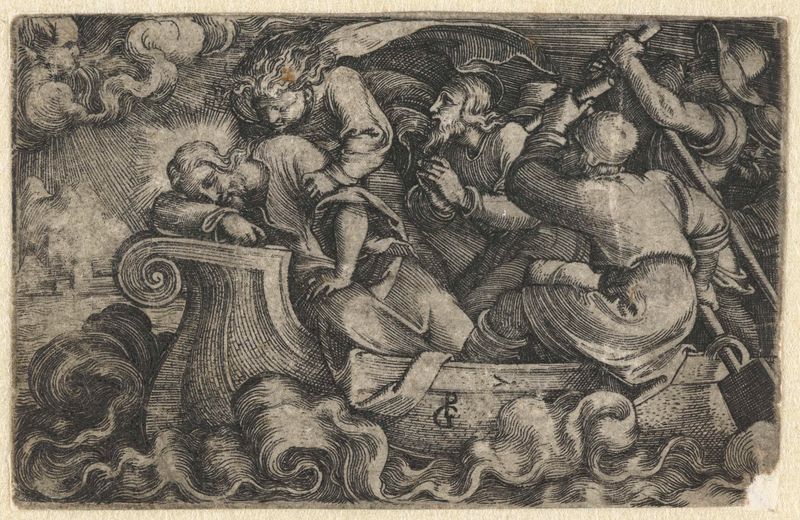
Discipelen wekken slapende Christus tijdens storm op Meer van Galilea
Georg Pencz

Afgunst (Invidia)
Georg Pencz
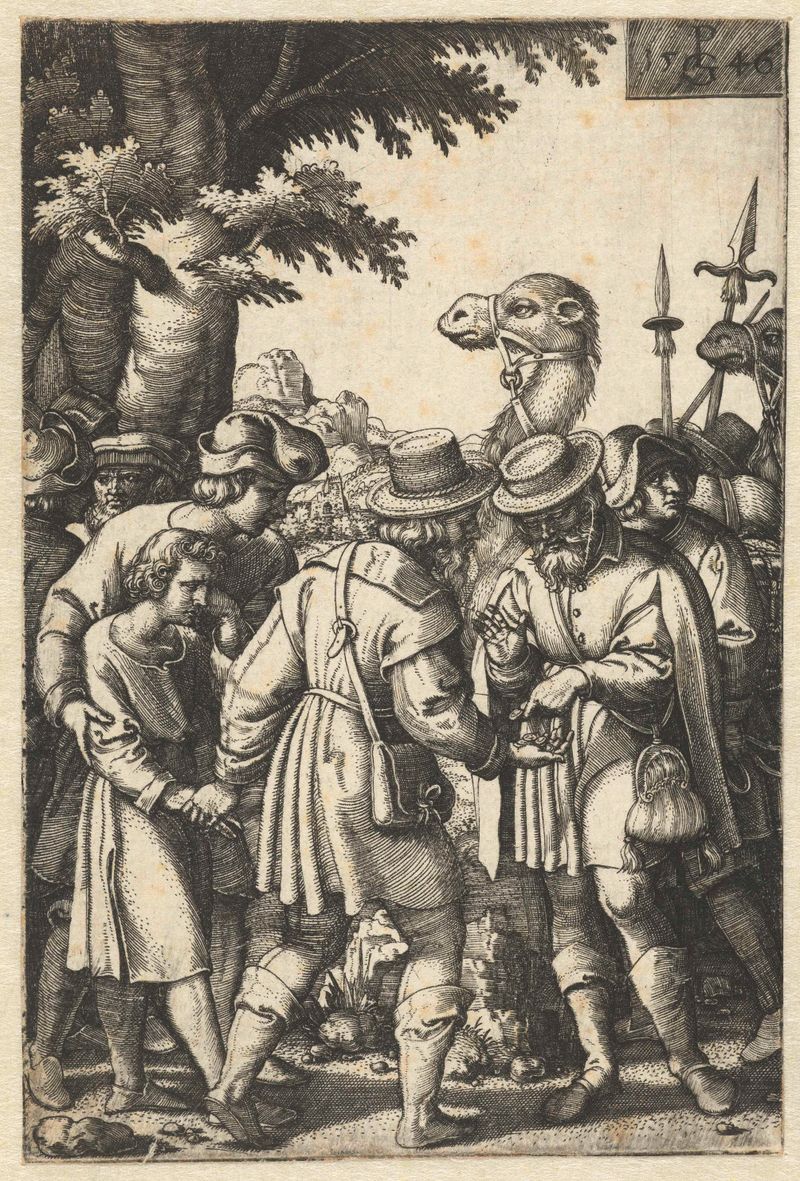
Jozef wordt verkocht aan kooplieden op weg naar Egypte
Georg Pencz

Aanbidding der koningen
Georg Pencz
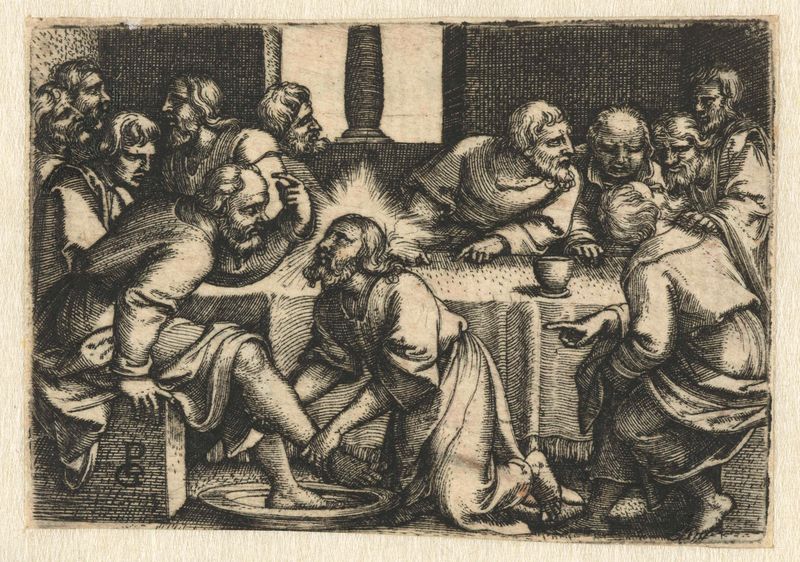
Petrus protesteert als Christus zijn voeten wast
Georg Pencz
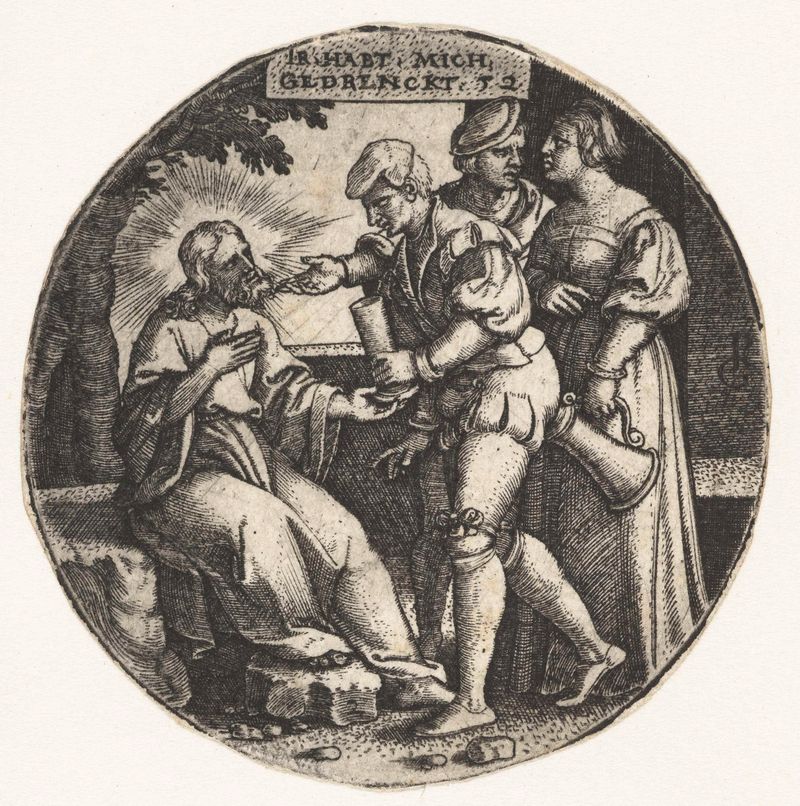
Christus heeft dorst en krijgt drinken aangeboden
Georg Pencz
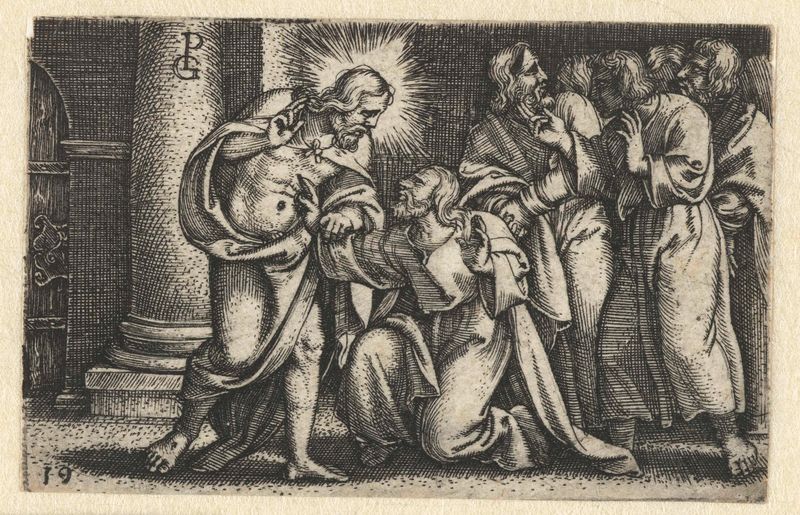
Ongelovige Thomas raakt wonden Christus aan
Georg Pencz

Offer van Abraham van Isaak
Georg Pencz
More Religious Art
Browse all →
The Return of the Prodigal Son
Rembrandt van Rijn

The Garden of Earthly Delights
El Bosco

Count Orgaz’ funeral
El Greco

The Hundred Guilder Print: the central piece with Christ preaching, the plate arched
Rembrandt van Rijn

The Descent from the Cross
Rogier van der Weyden

The return of the prodigal son
Rembrandt van Rijn