Besse-en-Chandesse — History & Facts
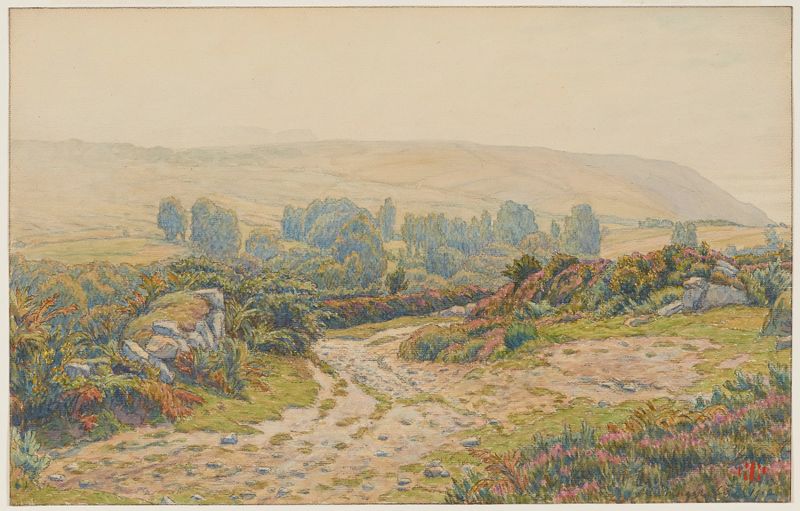
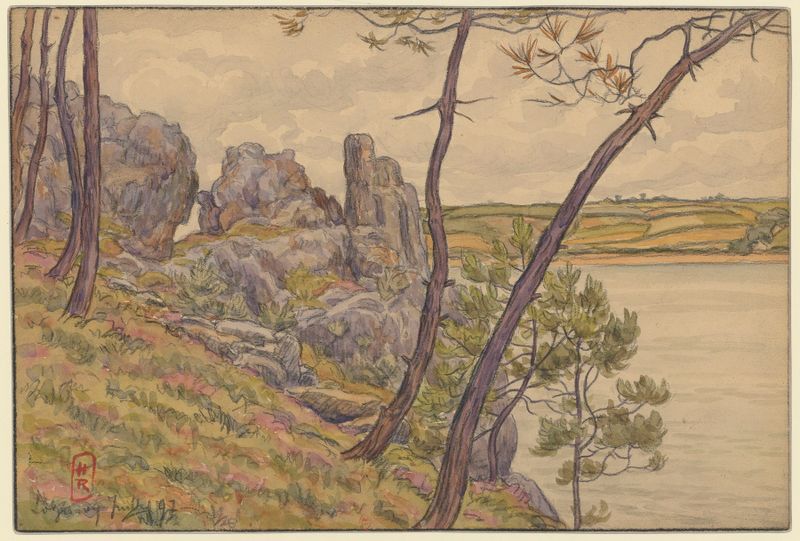
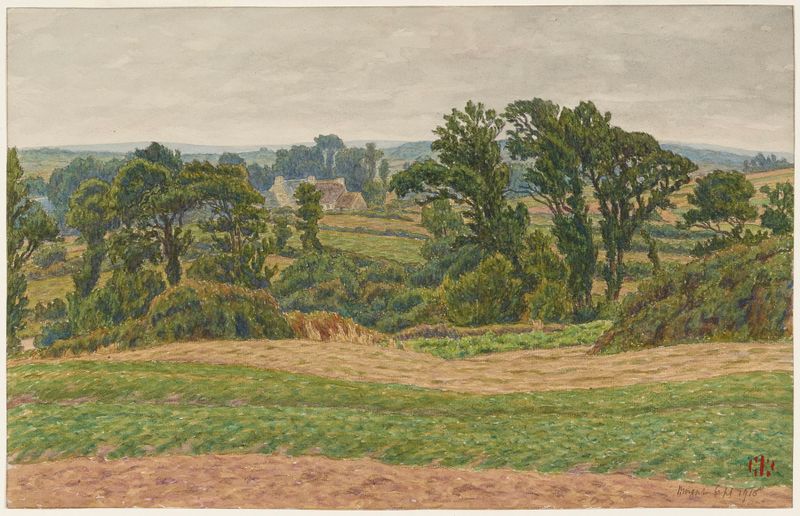
Where does light end, and longing begin? In a world suffused with silence, the delicate interplay between emptiness and illumination invites us to ponder the depths of our own solitude. Focus on the luminous expanse that stretches across the canvas. The gentle gradation of blues and whites is not merely a background; it creates an ethereal atmosphere that envelops the viewer. Notice how Rivière’s brushwork dances across the surface, suggesting both the fluidity of water and the depth of the sky, creating a harmonious yet disquieting tension.
The horizon, almost imperceptibly defined, blurs the boundary between land and sky, leading your gaze into an uncanny vastness. Hidden within this tranquil scene are layers of emotional resonance. The empty spaces evoke a sense of solitude, while the soft, almost fragile light hints at fleeting moments of beauty. It’s as if time stands still, capturing the essence of longing and the weight of absence.
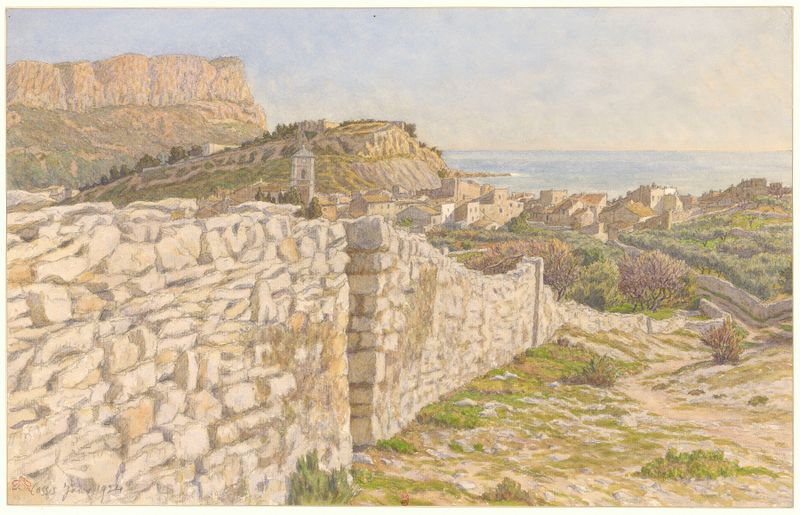
Each brushstroke feels deliberate, as if the artist is inviting us to confront our own sense of emptiness and the elusive nature of fulfillment. In 1921, Rivière was immersed in the post-World War I atmosphere, seeking solace in the landscapes of his native France. This period marked a transition in his artistic journey, as he embraced Impressionism while forging a path toward a more personal expression. Influenced by the sentiments of his time, Besse-en-Chandesse reflects both the external landscape and the internal landscapes of a world grappling with loss and a yearning for connection.