Besse-en-Chandesse — History & Facts
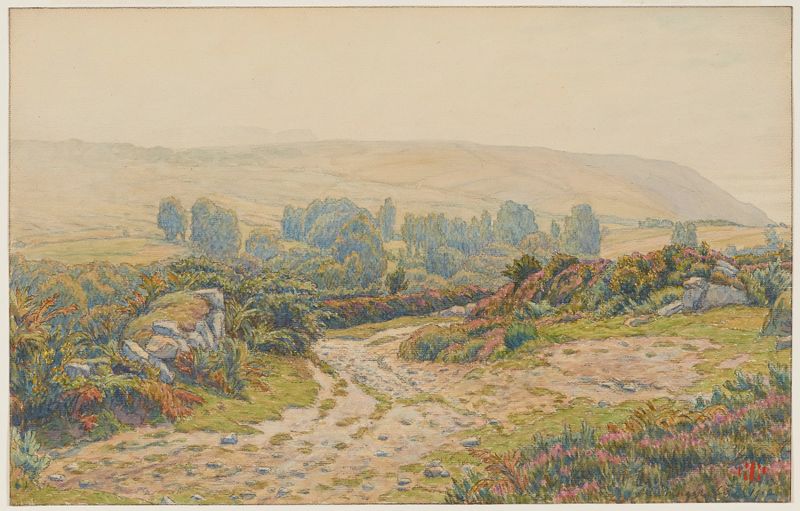
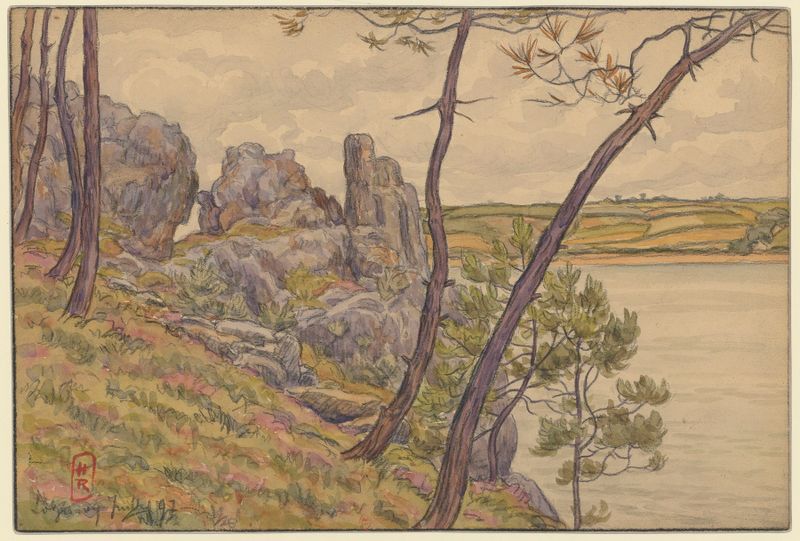
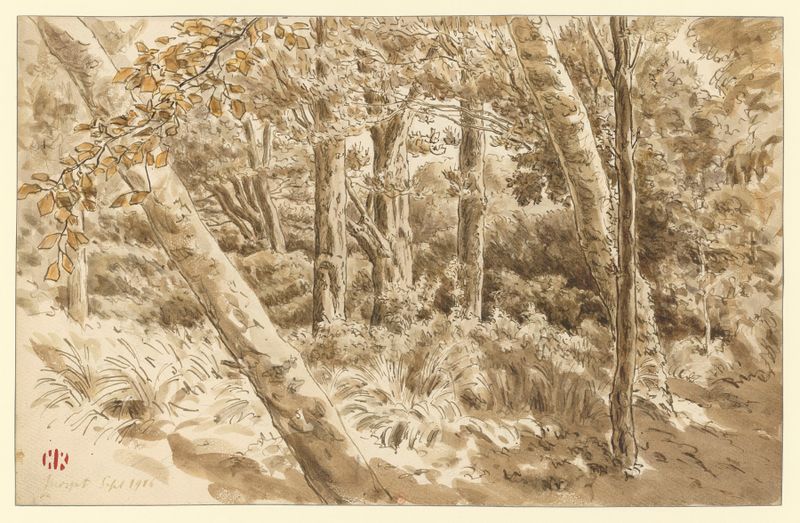
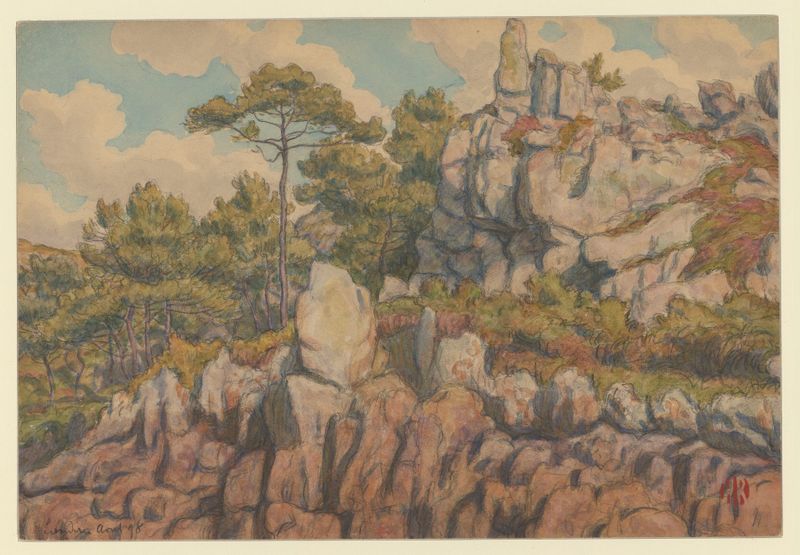
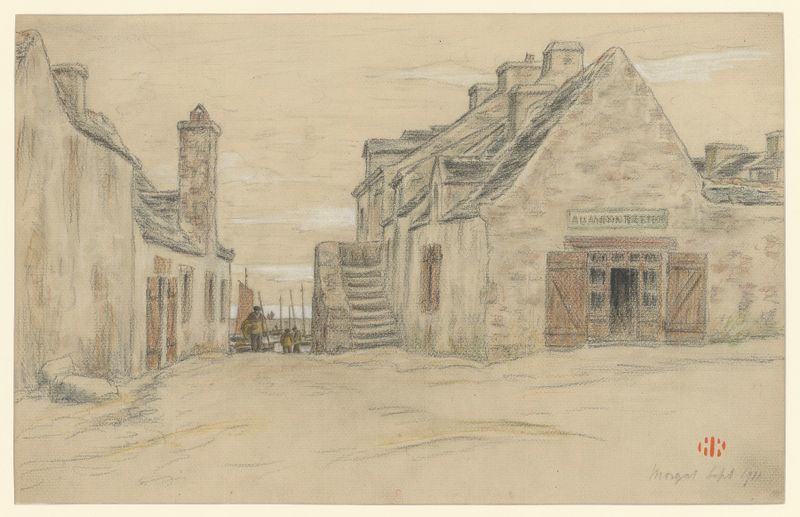
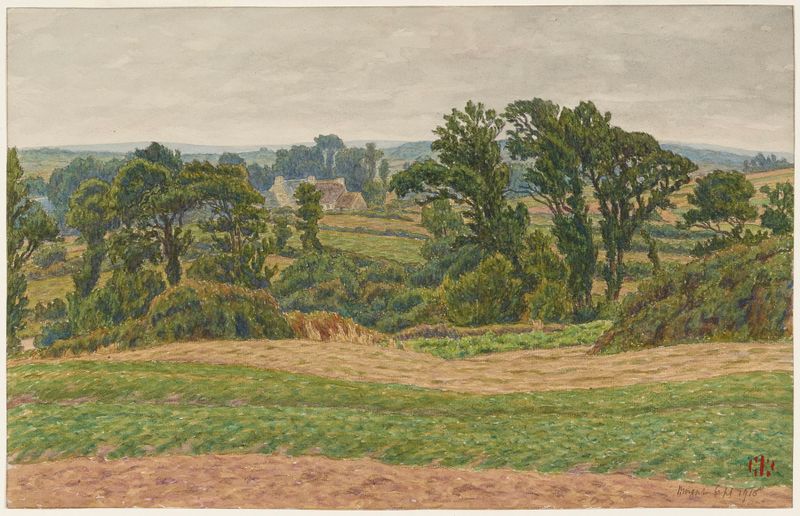
This haunting reflection resonates deeply as we ponder the hidden violence behind serene landscapes, where tranquility often conceals chaos. Look closely at the vivid blues and greens that dominate the canvas, drawing your gaze toward the undulating hills of Besse-en-Chandesse. The painter's brushwork creates a rhythmic flow, guiding your eye through the landscape, while the contrasting warm tones of sunlight seem to dance upon the surface. Notice how the interplay of light and shadow reveals the subtle contours of the land, yet simultaneously hints at the turbulence beneath the beauty — a precarious balance between peace and potential upheaval. Upon closer inspection, elements of tension emerge.
The seemingly idyllic scenery serves as a backdrop for an underlying discord, where the vibrant colors might represent suppressed emotions or historical strife. Hidden among the lush greenery, one might find echoes of past violence, suggesting that even in nature’s embrace, the scars of humanity linger. This tension between beauty and violence encapsulates the duality of existence, inviting viewers to reflect on their own experiences of pain masked by outward appearances. In 1921, Rivière found himself in a post-World War I world, grappling with the tumultuous aftereffects of conflict and the shifting tides of modern art.
Creating Besse-en-Chandesse during this period of introspection and change, he captured not just a geographical location, but a profound emotional landscape, pushing the boundaries of what beauty could signify in an era marked by both devastation and renewal.