Besse-en-Chandesse — History & Facts
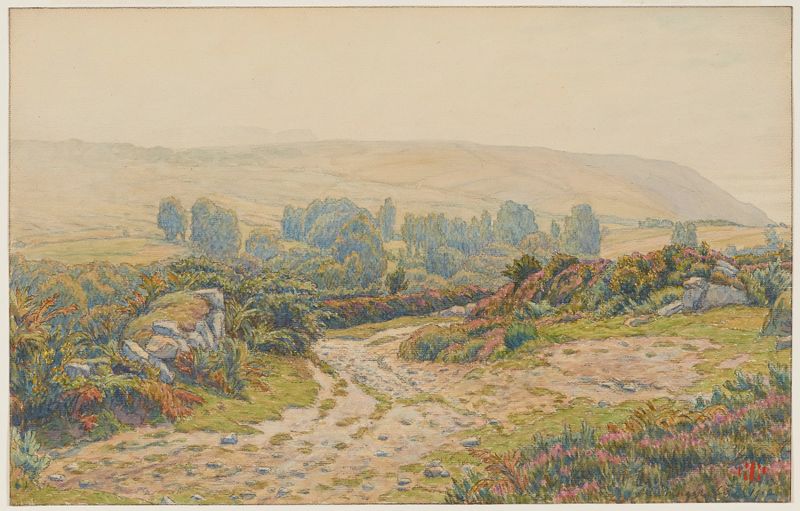
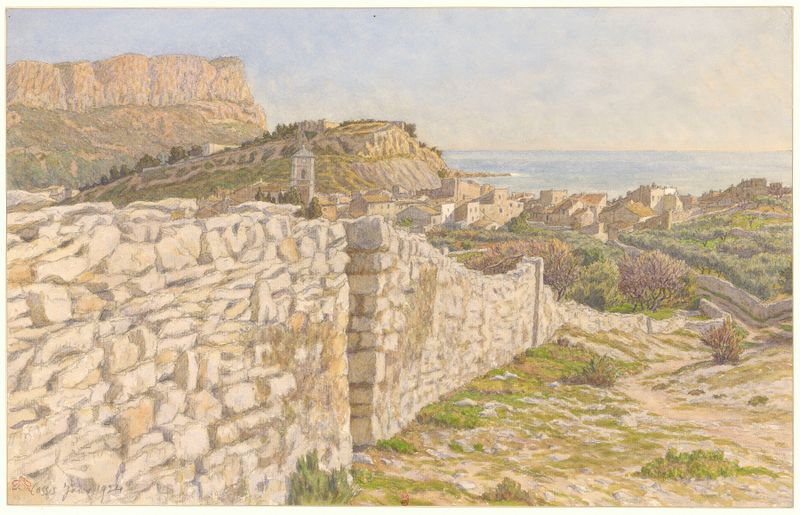
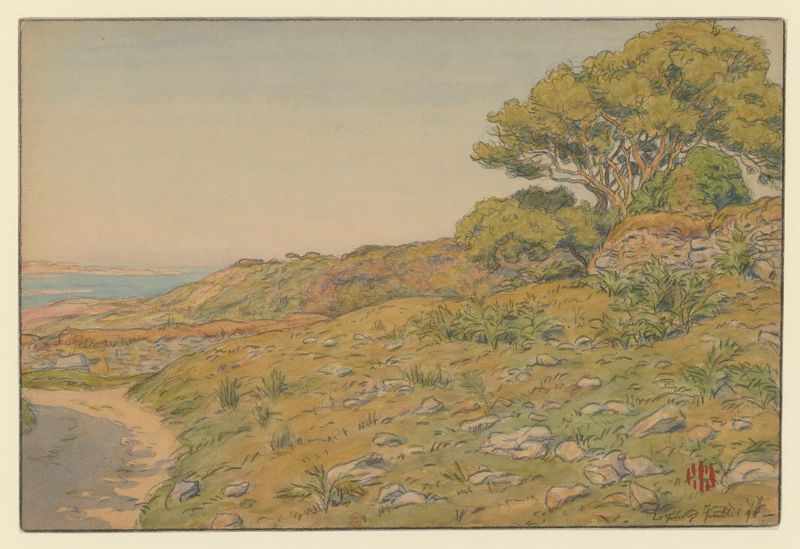
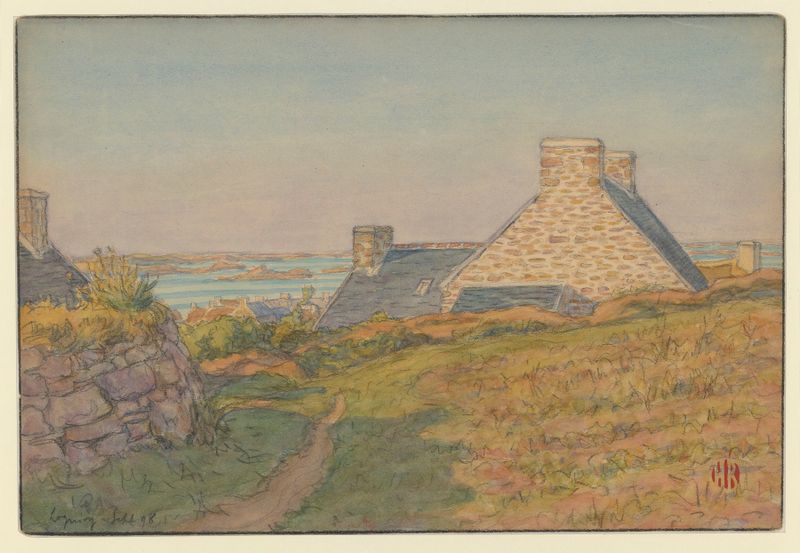
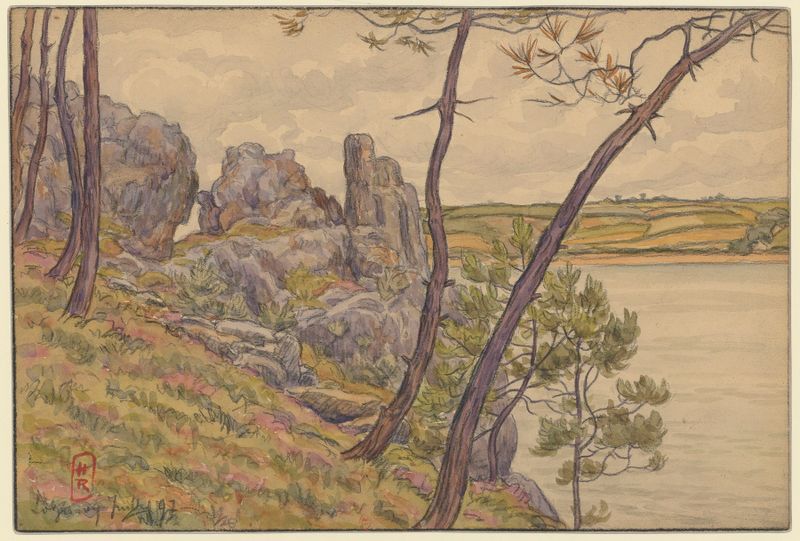
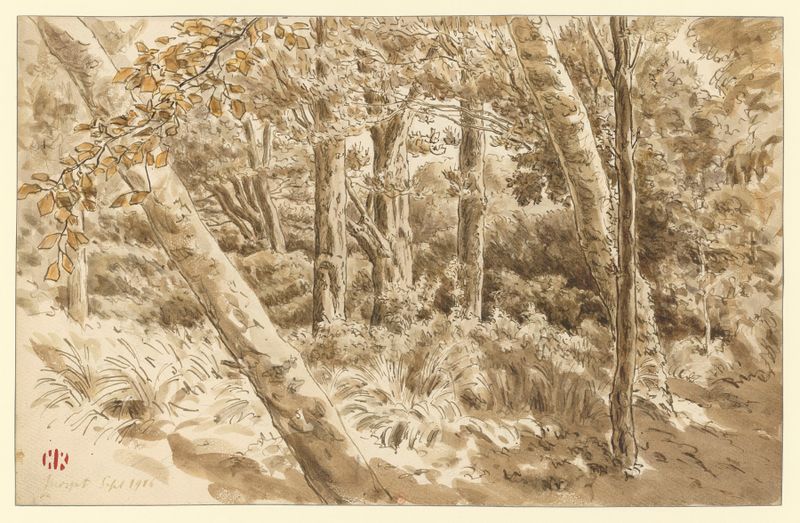
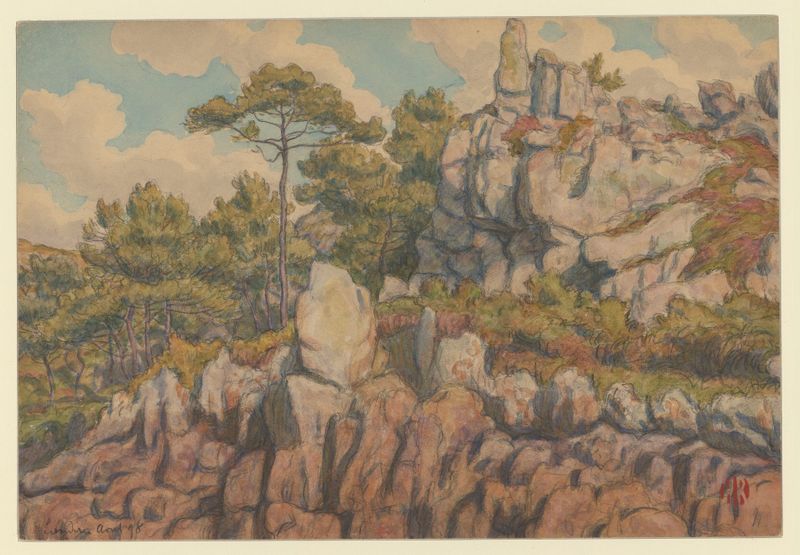
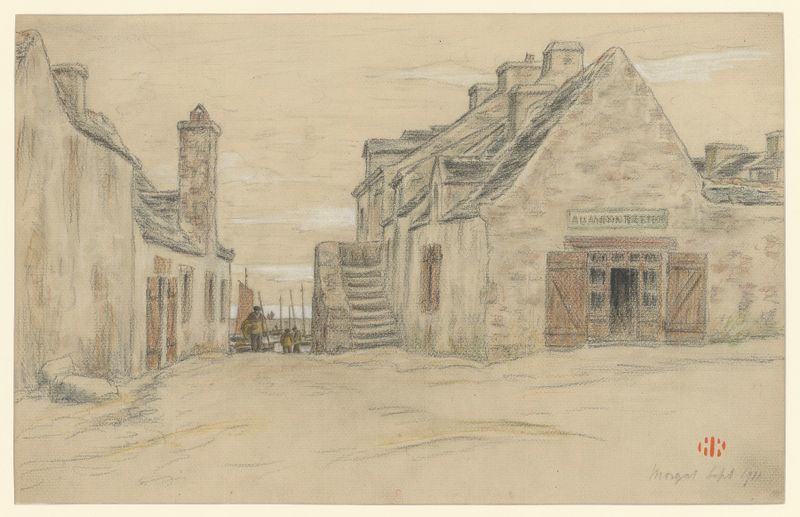
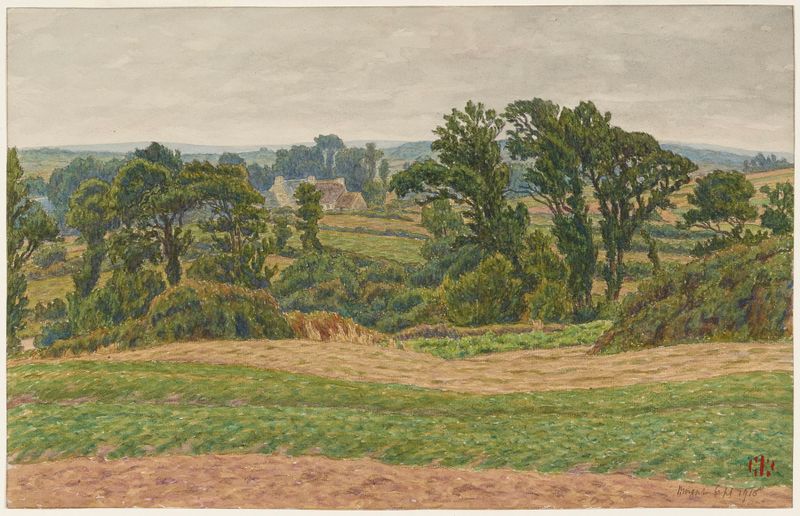
What if silence could speak through light? In Besse-en-Chandesse, the tranquility of a forgotten village emerges as a profound conversation between the past and present, evoking an ache of nostalgia that resonates deeply within the viewer. Focus on the soft, muted colors that wash over the canvas, where gentle shades of green and blue blend seamlessly into warm earth tones. Look to the left, where the outlines of quaint houses peek through the foliage, their forms softened as if by memory itself. Notice how the dappled light filters through the trees, creating a harmonious interplay that invites reflection and serenity. The absence of human figures heightens the emotional tension; it is as if the viewer is an unseen guest in this moment, bearing witness to a time that seems to exist in tranquil isolation.
The juxtaposition of the vibrant landscape against the stillness of the scene speaks volumes about the transience of life and the enduring essence of nature. Each brushstroke seems to whisper stories of days gone by, allowing a sense of loss to permeate the work while simultaneously celebrating its beauty. In 1921, when Besse-en-Chandesse was painted, Henri Rivière was immersed in the world of post-Impressionism, exploring the delicate relationship between light and environment. Living in France, he was influenced by the shifting artistic currents of his time, seeking to capture the essence of places that evoked deep emotional responses.
His works often reflected a longing for simpler times, as the world around him was rapidly changing.