Besse-en-Chandesse — History & Facts
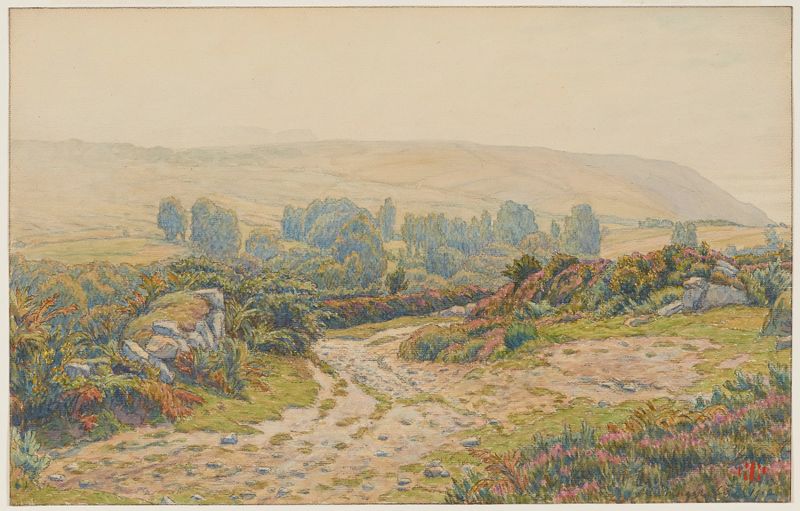
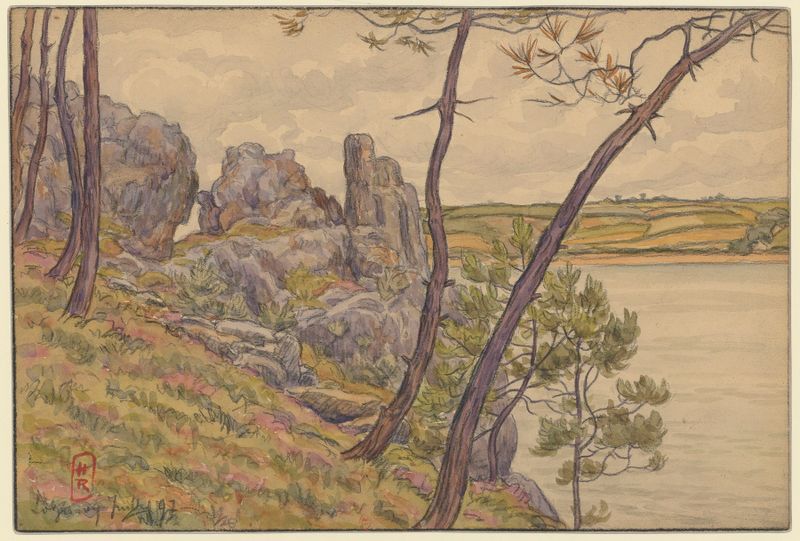
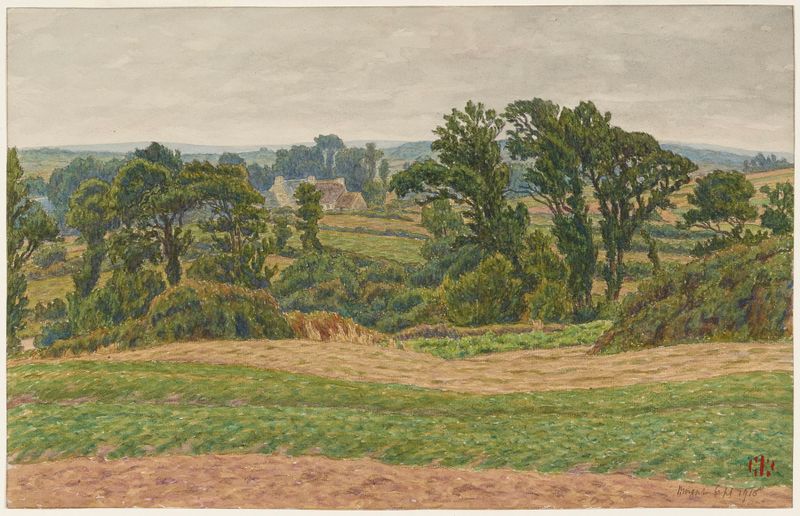
In Besse-en-Chandesse, the viewer is drawn into a world where nature holds both serenity and longing in its embrace, inviting contemplation on the intricate dance between beauty and sorrow. Look to the lush, verdant hills that rise gently in the background, their vibrant greens juxtaposed with the subtle hues of a setting sun. The rich palette of blues and golds evokes an emotional warmth, while the delicate brushwork captures the interplay of light filtering through leaves, creating a dappled effect on the serene pond below. Notice how the reflections ripple gently, mirroring not just the landscape but also a sense of tranquility and introspection. Yet, amidst this picturesque beauty, there lies an undercurrent of tension.
The soft curves of the hills cradle the horizon, suggesting a comfort that contrasts sharply with the loneliness inherent in the stillness of the water. The trees, though lush, stand sentinel-like, hinting at the passage of time and the whisper of memories that linger in the air. Each stroke of Rivière's brush speaks of both joy and an intangible sense of loss, compelling us to confront what lies beneath the calm surface. Henri Rivière painted Besse-en-Chandesse in 1921, during a period of personal and artistic exploration.
Living in France, he was influenced by the Symbolist movement, which sought to evoke emotions through vivid imagery and symbolism. At this time, he was transitioning from printmaking to painting, focusing on landscapes that encapsulated both beauty and the emotional complexities of nature, reflecting the world around him while navigating his own inner tumult.