
Bethléhem — History & Facts
Can beauty exist without sorrow? In Bethléhem, chaos intertwines with serenity, inviting viewers to explore the delicate balance of existence. Look to the left at the luminous glow emanating from the stable, where figures huddle together in a moment of reverent stillness. The palette is rich with deep blues and warm ochres, creating a contrast that amplifies the scene’s emotional depth. The soft, almost ethereal light bathes the figures in warmth, drawing our gaze towards the central focal point—an infant cradled in a humble manger.
This juxtaposition of divine light against the surrounding darkness encapsulates the tension between the sacred and the ordinary. Beneath the surface, the painting resonates with themes of chaos and harmony. Notice the fragmented expressions of the onlookers; their faces reflect wonder, fear, and reverence, embodying the tumultuous emotions of hope and despair that accompany the birth of a savior. The surrounding environment—a mix of rustic elements and the humanity of its characters—captures the tumult of the world outside the stable.
Each brushstroke hints at the struggles and joys inherent in life's journey, weaving a narrative of resilience amid chaos. François Stroobant completed this work in 1852 during a period marked by social upheaval in Europe. Living in Belgium, he was influenced by the Romantic movement, embracing a blend of realism and emotional depth in his art. At this juncture, the intersection of faith and sociopolitical turmoil inspired many artists to reflect on the human condition, with Stroobant’s Bethléhem standing as a poignant exploration of light amidst darkness.
More Artworks by François Stroobant
Browse all →
Interior of the church of Notre Dame du Sablon at Brussels
François Stroobant
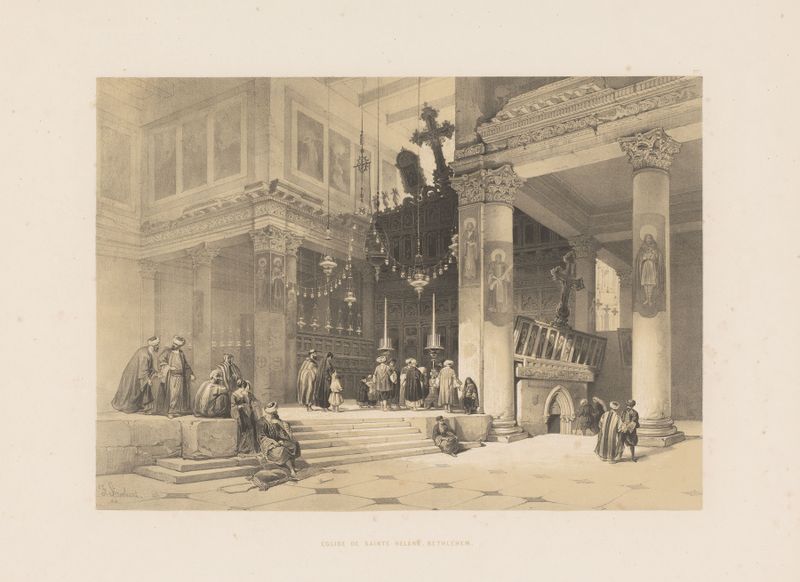
Église de sainte Hélène. Bethléhem
François Stroobant
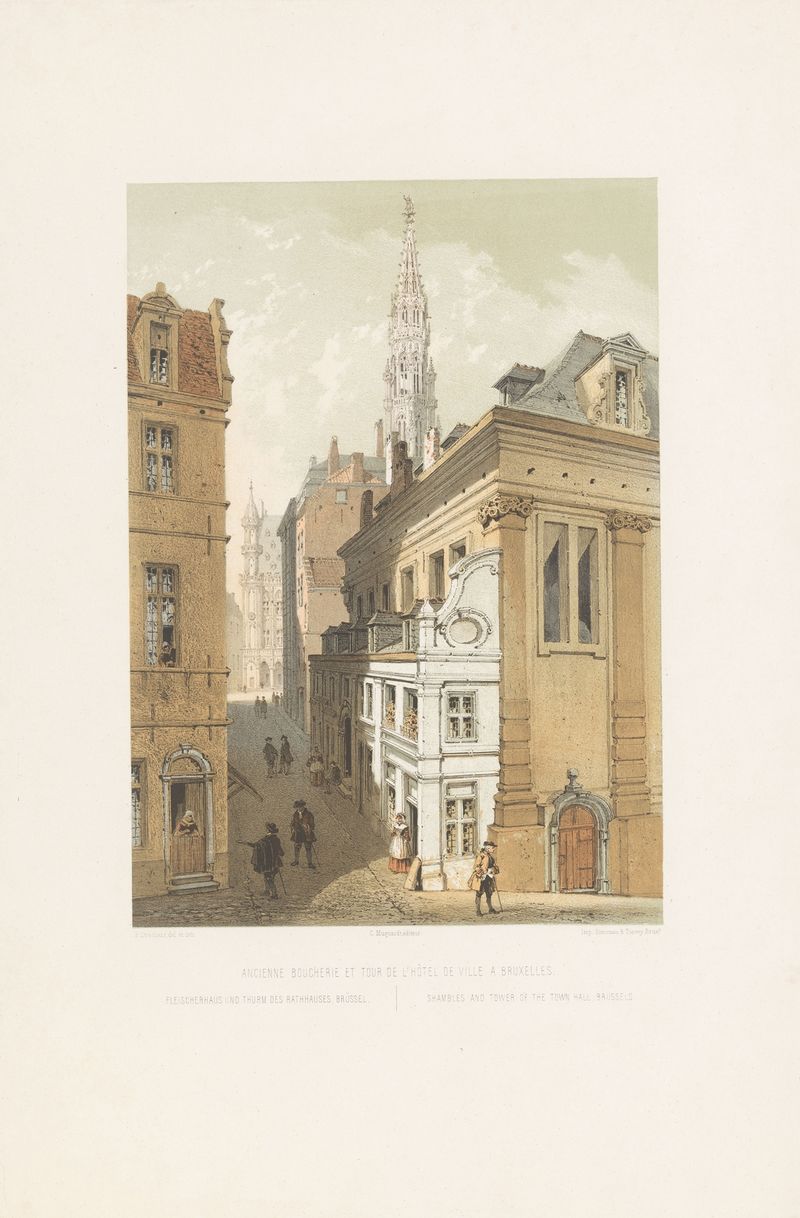
Shambles and tower of the town hall, Brussels
François Stroobant

Intérieur de l’église Grecque du Saint-Sépulcre
François Stroobant
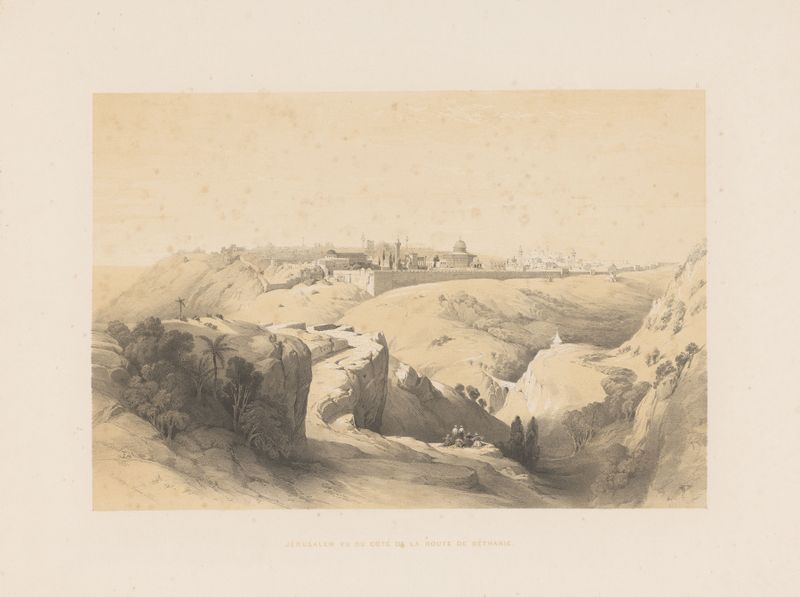
Jérusalem vu du coté de la route de Béthanie
François Stroobant

Le tabernacle du Saint-Sépulcre
François Stroobant

Town hall Brussels
François Stroobant

Fontaine de Jacob à Sichem
François Stroobant
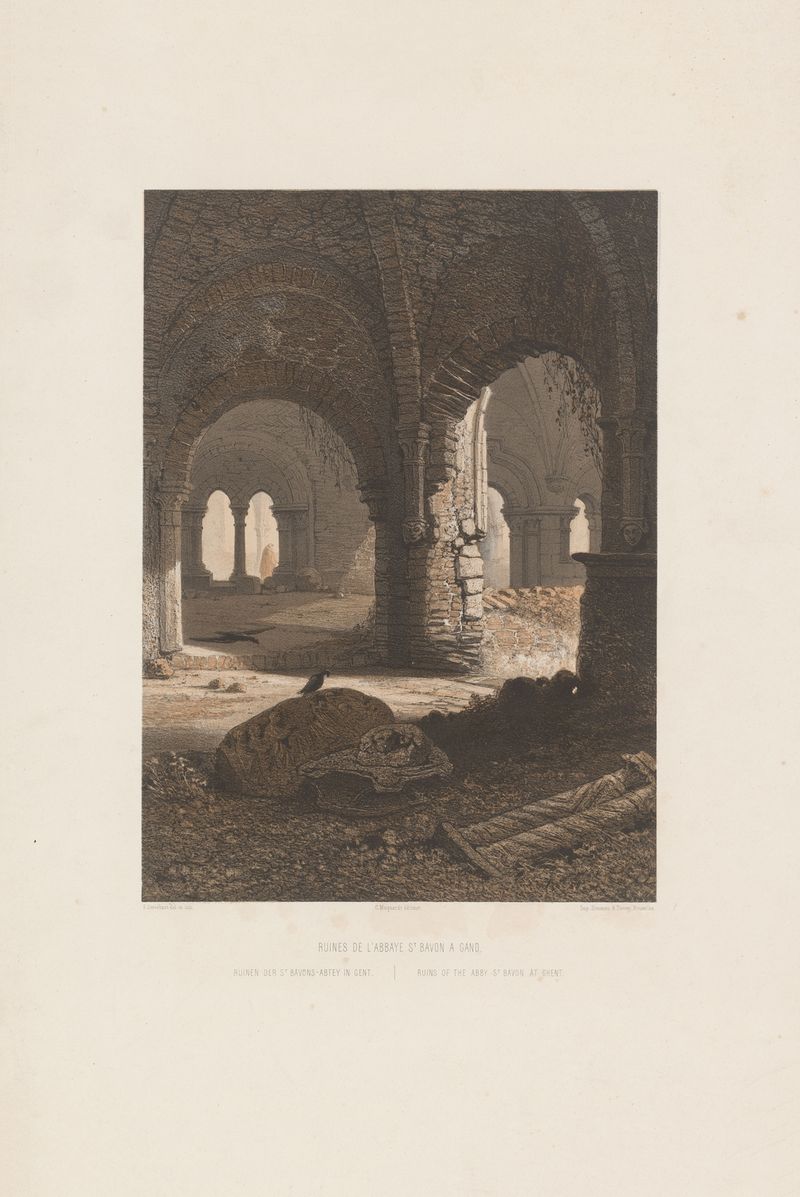
Ruins of the abby St Bavon at Ghent
François Stroobant

Vue de Naplouse
François Stroobant
More Religious Art
Browse all →
The Return of the Prodigal Son
Rembrandt van Rijn

The Garden of Earthly Delights
El Bosco

Count Orgaz’ funeral
El Greco

The Hundred Guilder Print: the central piece with Christ preaching, the plate arched
Rembrandt van Rijn

The Descent from the Cross
Rogier van der Weyden

The return of the prodigal son
Rembrandt van Rijn