
Le tabernacle du Saint-Sépulcre — History & Facts
In the depths of chaos, found within the delicate strokes of brush and oils, there exists a longing for order and clarity. Amidst the tumult of existence, art captures fleeting moments that defy the relentless march of time, offering sanctuary to the restless spirit. Look closely at the intricate details of Le tabernacle du Saint-Sépulcre, where one’s gaze is immediately drawn to the ornate splendor of the tabernacle itself. The interplay of light and shadow dances across the gilded surface, highlighting the craftsmanship that beckons the viewer closer.
Notice the rich colors—deep golds and vibrant reds—that evoke both reverence and passion, offering a visual anchor amidst the chaos. The careful composition invites exploration, leading the eye to each carefully rendered figure that surrounds the sacred space. However, beneath the surface beauty lies a profound commentary on the tumult of religious devotion. The juxtaposition of the serene tabernacle with the frenetic energy of the surrounding figures reflects a tension between sacred and secular life.
Each expression, a face painted with emotion, reveals a spectrum of doubt and faith, reminding us of the fragility of belief in a world filled with chaos. The patterns of movement and stillness suggest the struggle for spiritual significance in the face of turmoil. In 1852, François Stroobant painted this work during a period marked by significant change in Europe, where romanticism and realism began to converge. At this time, he was navigating the complexities of the art world and establishing his identity as an artist in Belgium.
The societal shifts and unrest influenced his perspective, compelling him to encapsulate a moment that resonates with the turbulence of both personal and collective history.
More Artworks by François Stroobant
Browse all →
Interior of the church of Notre Dame du Sablon at Brussels
François Stroobant
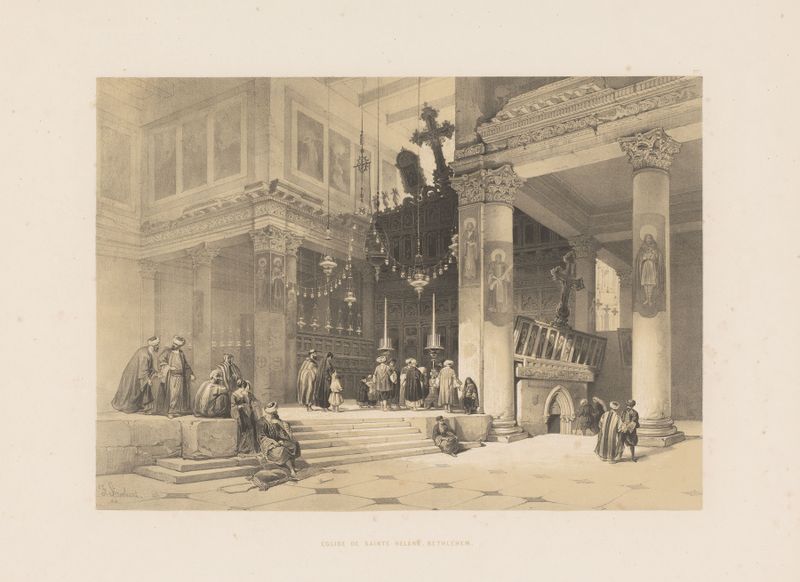
Église de sainte Hélène. Bethléhem
François Stroobant
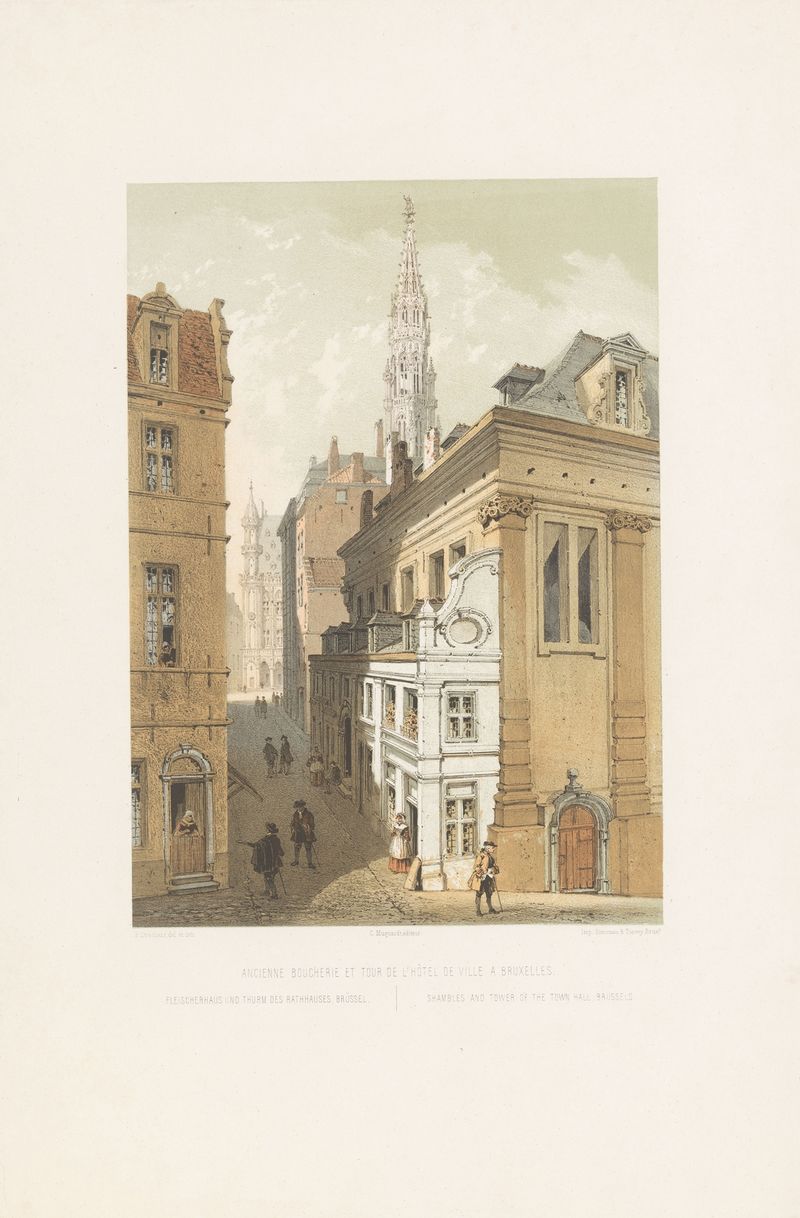
Shambles and tower of the town hall, Brussels
François Stroobant

Intérieur de l’église Grecque du Saint-Sépulcre
François Stroobant
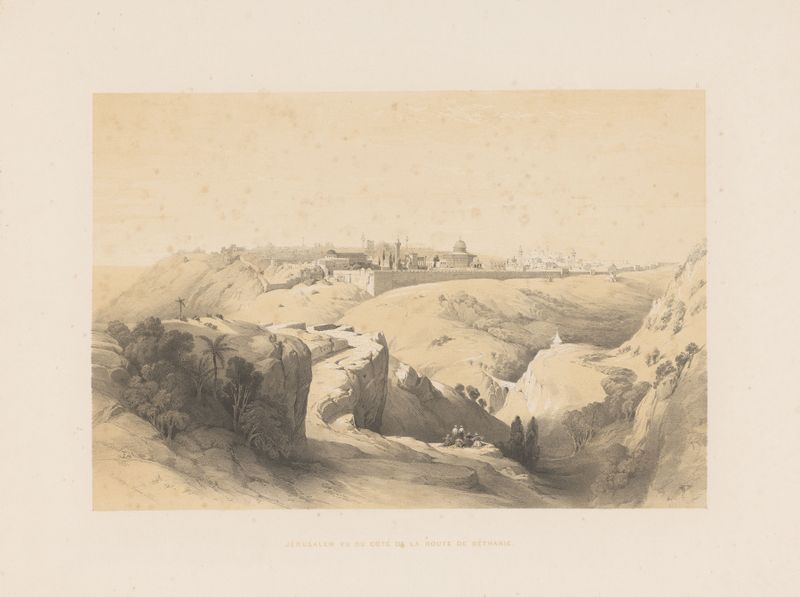
Jérusalem vu du coté de la route de Béthanie
François Stroobant

Town hall Brussels
François Stroobant

Fontaine de Jacob à Sichem
François Stroobant
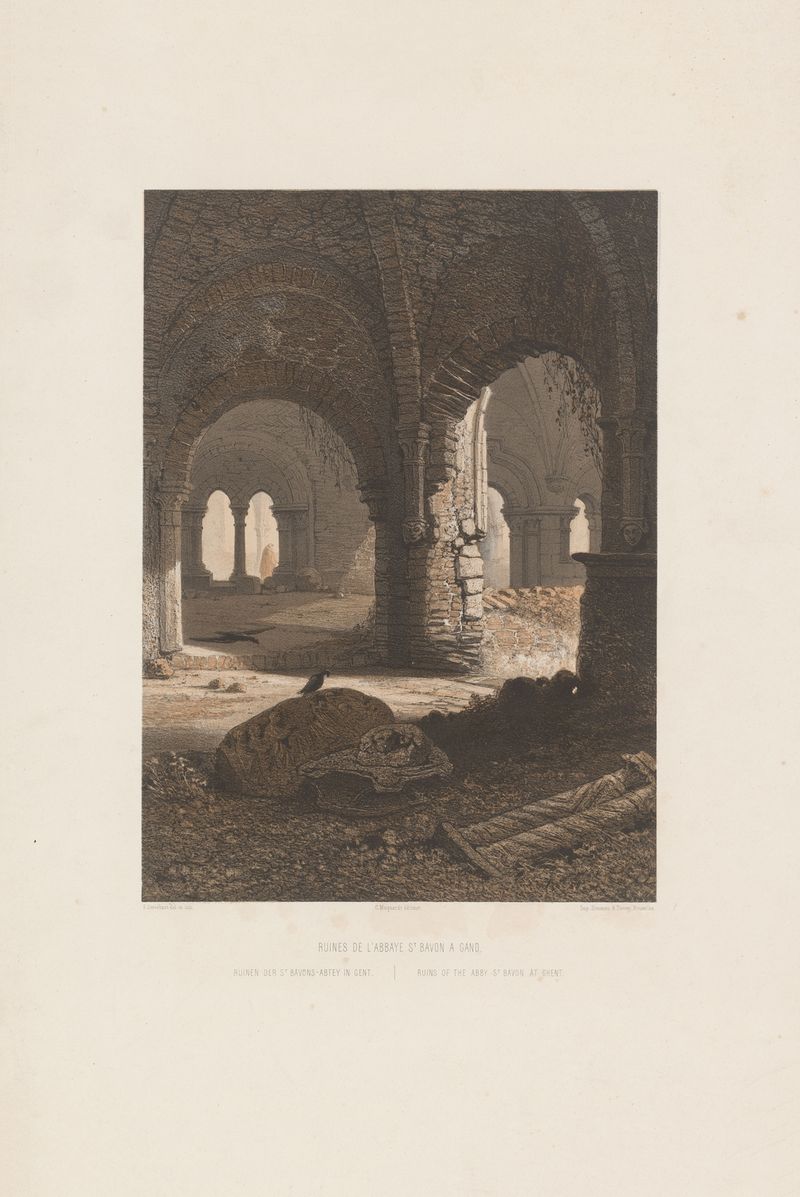
Ruins of the abby St Bavon at Ghent
François Stroobant

Vue de Naplouse
François Stroobant

Screen in St Peter’s church Louvain
François Stroobant
More Religious Art
Browse all →
The Return of the Prodigal Son
Rembrandt van Rijn

The Garden of Earthly Delights
El Bosco

Count Orgaz’ funeral
El Greco

The Hundred Guilder Print: the central piece with Christ preaching, the plate arched
Rembrandt van Rijn

The Descent from the Cross
Rogier van der Weyden

The return of the prodigal son
Rembrandt van Rijn