
Église de sainte Hélène. Bethléhem — History & Facts
What if beauty was never meant to be finished? In Église de sainte Hélène. Bethléhem, the essence of beauty is captured in a moment suspended in time, inviting reflection on the transitory nature of our existence. Look to the left at the intricate stonework of the church’s façade. The delicate play of light and shadow brings forth the textured details of the limestone, revealing the artist’s skilled hand.
Notice how the hues of ochre and warm browns interact with the cool blues of the sky, creating a dynamic contrast that breathes life into the structure. The composition draws the eye upward, suggesting a spiritual ascent, while the surrounding landscape grounds the scene with earthy tones and gentle curves. Beyond its aesthetic charm, this work speaks to the tension between permanence and impermanence. The church stands as a symbol of faith and resilience amid the fleeting nature of human life.
The tranquil atmosphere is infused with an underlying sense of longing, evoking the yearning for an eternal connection to the divine. Each stroke reveals the artist’s contemplation of the sacred, as well as an acknowledgment of the inevitable passage of time. In 1852, François Stroobant painted this piece during a period when the Romantic movement was flourishing, deeply influencing his work. Living in Belgium, he was exposed to a growing interest in historical subjects and landscapes, which shaped his artistic vision.
This era marked a transition, bridging the classical ideals of the past with the emerging modern sensibilities that would redefine art in the years to come.
More Artworks by François Stroobant
Browse all →
Interior of the church of Notre Dame du Sablon at Brussels
François Stroobant
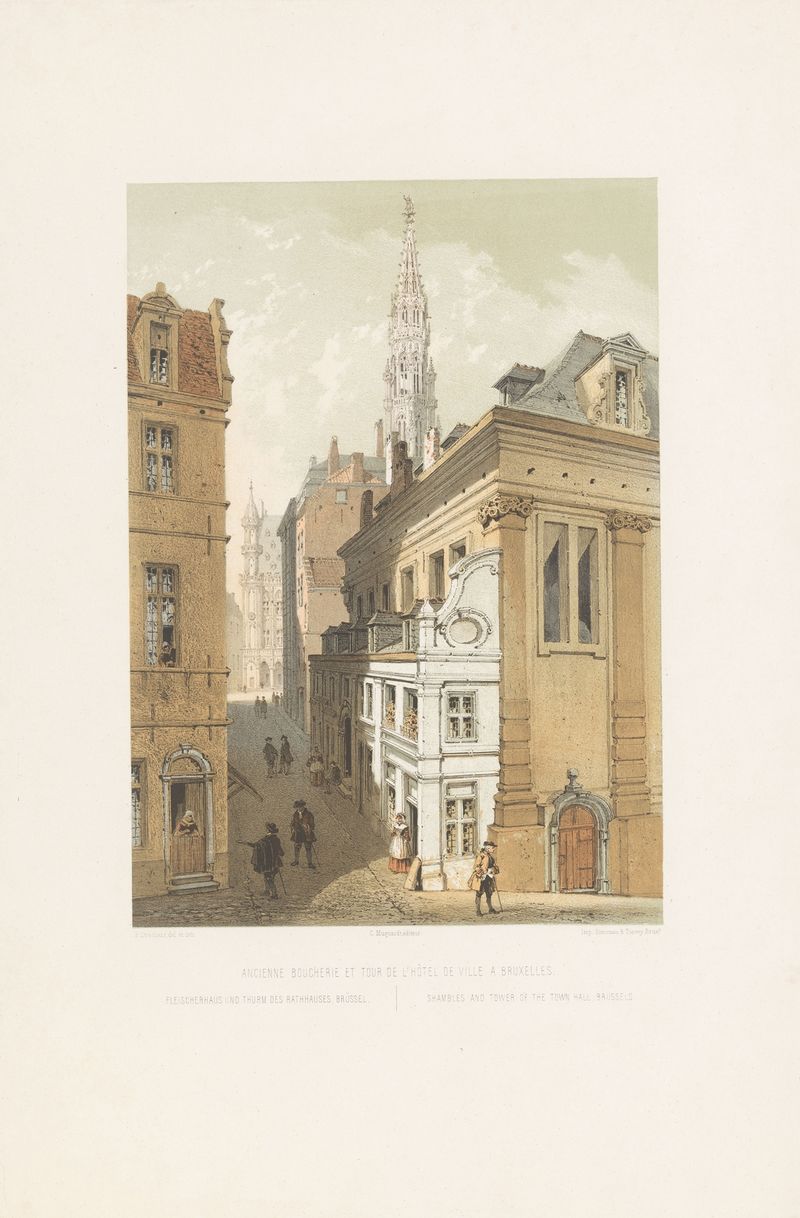
Shambles and tower of the town hall, Brussels
François Stroobant

Intérieur de l’église Grecque du Saint-Sépulcre
François Stroobant
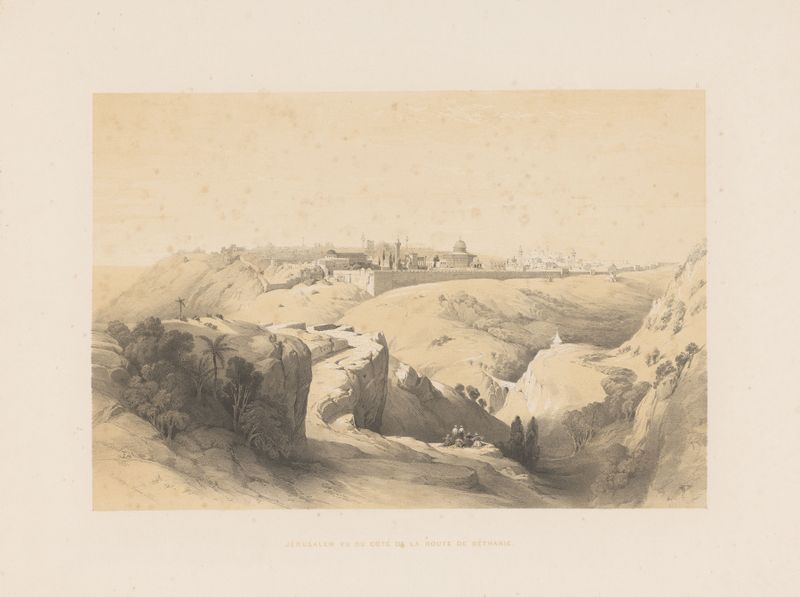
Jérusalem vu du coté de la route de Béthanie
François Stroobant

Le tabernacle du Saint-Sépulcre
François Stroobant

Town hall Brussels
François Stroobant

Fontaine de Jacob à Sichem
François Stroobant
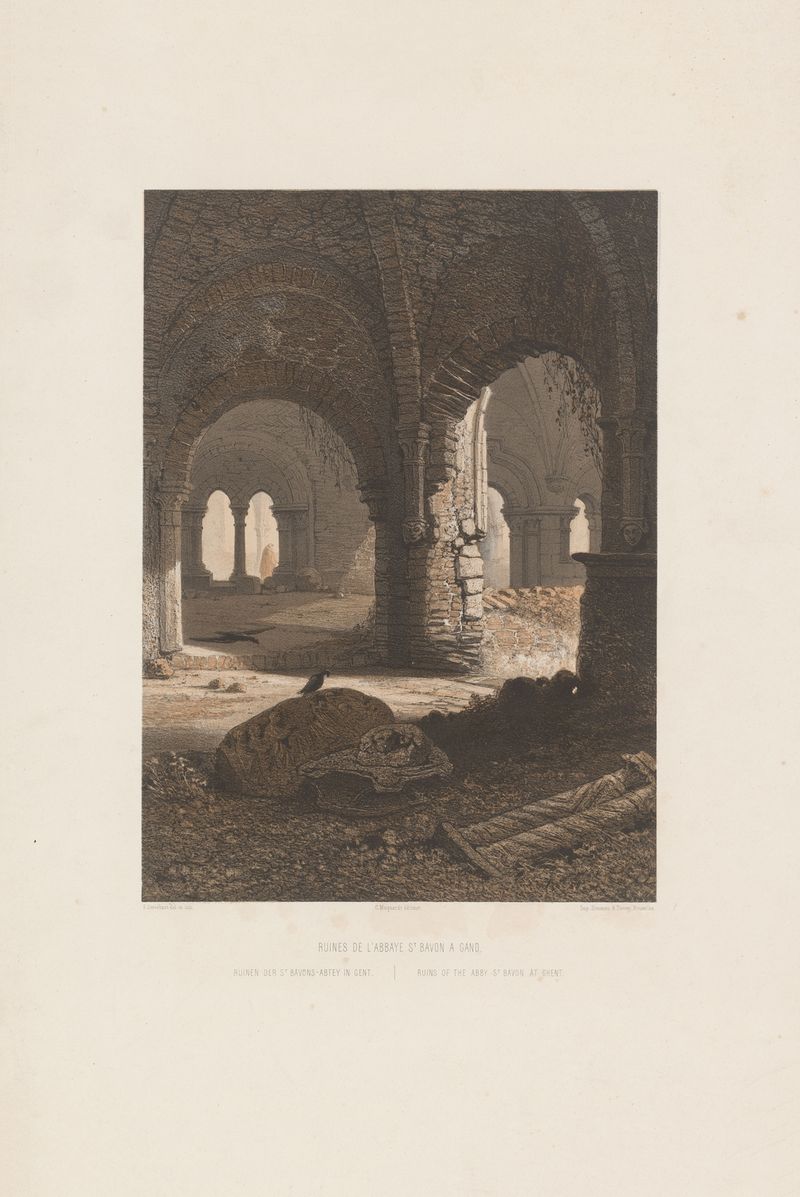
Ruins of the abby St Bavon at Ghent
François Stroobant

Vue de Naplouse
François Stroobant

Screen in St Peter’s church Louvain
François Stroobant
More Architecture Art
Browse all →
The statue of Liberty
Frédéric Auguste Bartholdi

View of Houses in Delft, Known as ‘The Little Street’
Johannes Vermeer

View of Houses in Delft, Known as ‘The Little Street’
Johannes Vermeer

The Cathedral in Rouen. The portal, Grey Weather
Claude Monet

The yellow house
Vincent van Gogh

The Church in Auvers-sur-Oise, View from the Chevet
Vincent van Gogh