
Ruins of the abby St Bavon at Ghent — History & Facts
Can beauty exist without sorrow? The haunting echoes of a past grandeur linger in the crumbling stones and gentle shadows of a forgotten abbey, where time itself seems to waver between illusion and reality. Look to the center of the canvas, where the weathered facade of the abbey stands resolute yet fragile, its intricate details softened by nature's embrace. The artist’s brushwork captures the subtle interplay of light and shadow, illuminating the textures of stone while casting long, melancholic shadows that dance across the ruins. The rich earthy tones, punctuated by small bursts of green, suggest a deep connection to both life and decay, a poignant reminder of time's relentless passage. Notice the dissonance between the grandeur of the abbey's architecture and the encroaching foliage that seeks to reclaim its space.
This juxtaposition evokes a bittersweet nostalgia—where beauty remains, but the echoes of its past vibrate with sorrow. Each cracked stone tells a story of both resilience and vulnerability, a testament to the transient nature of human achievements and the emotional weight they carry in their inevitable decline. Created in Belgium during a period of artistic awakening and exploration, the work emerged between 1852 and 1878, a time when Stroobant was deeply influenced by Romanticism's fascination with nature and ruins. The world of art was shifting towards an appreciation of the sublime, and the artist sought to capture the intersection of beauty and desolation, reflecting the societal longing for connection to history amidst the changing tides of modernity.
More Artworks by François Stroobant
Browse all →
Interior of the church of Notre Dame du Sablon at Brussels
François Stroobant
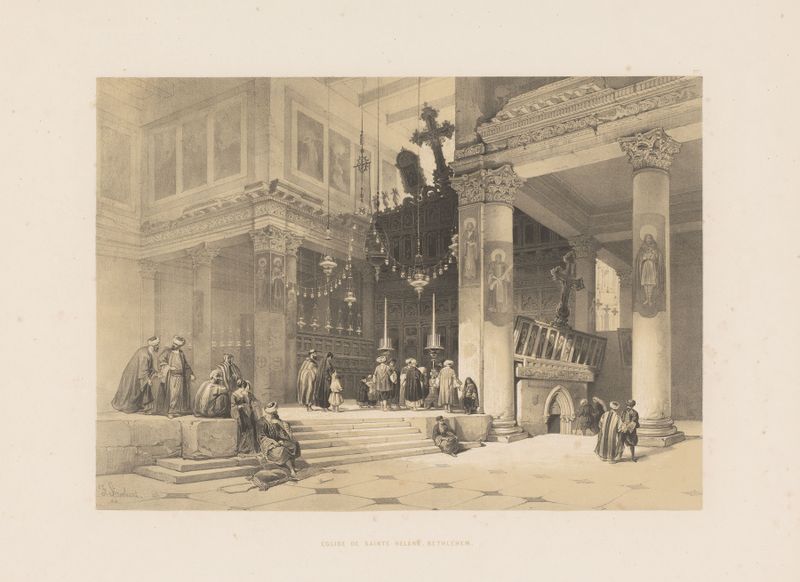
Église de sainte Hélène. Bethléhem
François Stroobant
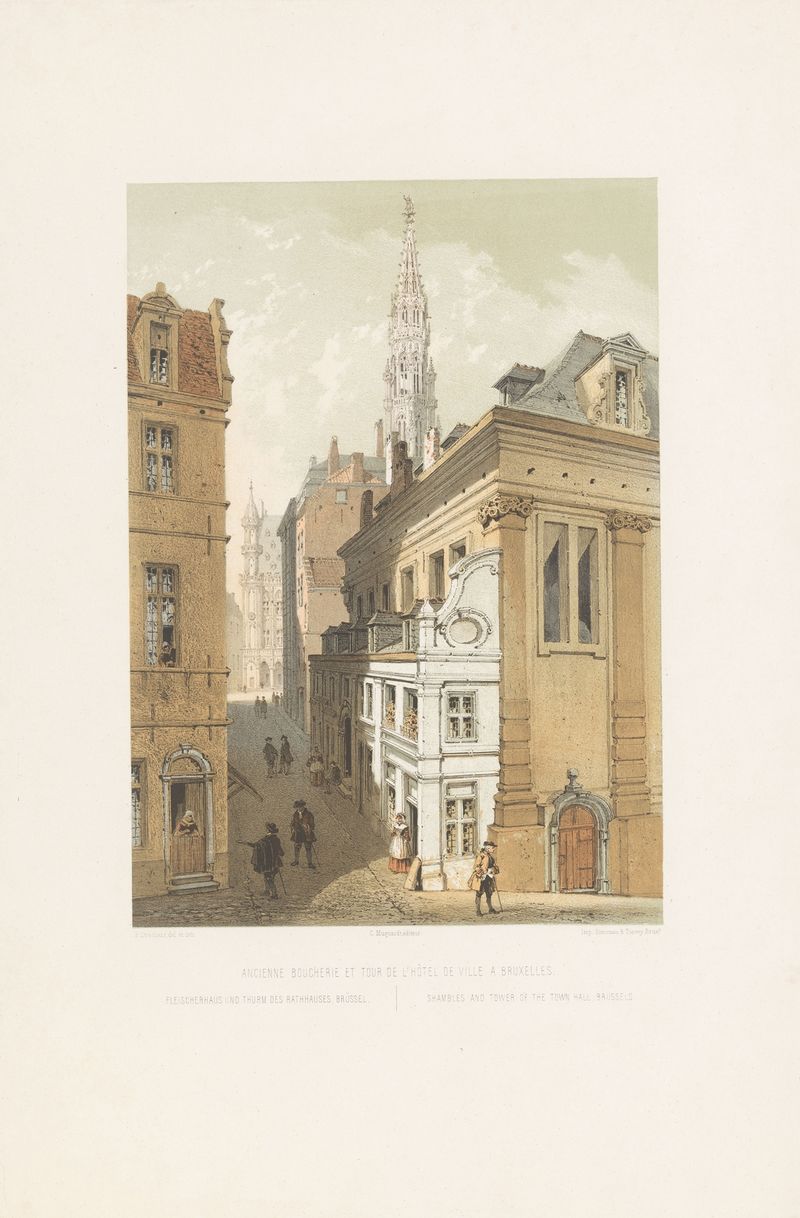
Shambles and tower of the town hall, Brussels
François Stroobant

Intérieur de l’église Grecque du Saint-Sépulcre
François Stroobant
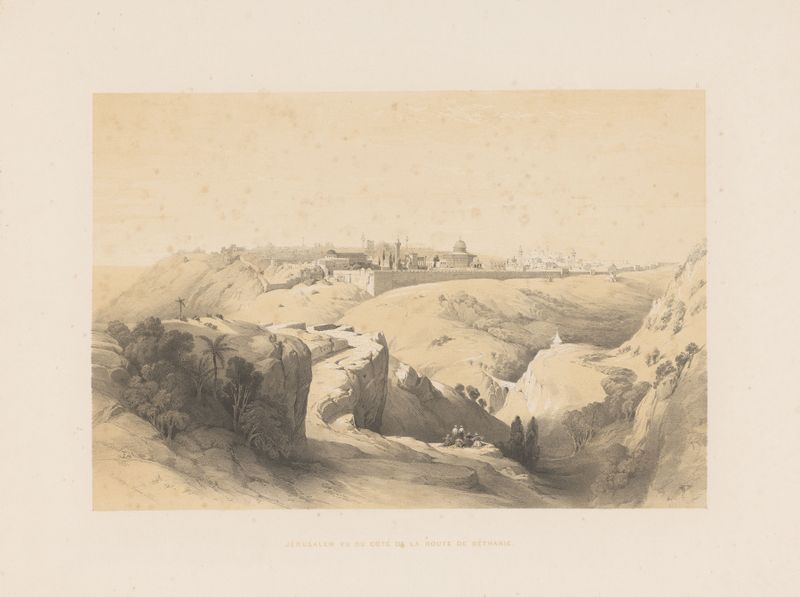
Jérusalem vu du coté de la route de Béthanie
François Stroobant

Le tabernacle du Saint-Sépulcre
François Stroobant

Town hall Brussels
François Stroobant

Fontaine de Jacob à Sichem
François Stroobant

Vue de Naplouse
François Stroobant

Screen in St Peter’s church Louvain
François Stroobant
More Architecture Art
Browse all →
The statue of Liberty
Frédéric Auguste Bartholdi

View of Houses in Delft, Known as ‘The Little Street’
Johannes Vermeer

View of Houses in Delft, Known as ‘The Little Street’
Johannes Vermeer

The Cathedral in Rouen. The portal, Grey Weather
Claude Monet

The yellow house
Vincent van Gogh

The Church in Auvers-sur-Oise, View from the Chevet
Vincent van Gogh