Interior of the church of Notre Dame du Sablon at Brussels — History & Facts
What secret hides in the quiet of the canvas? A stillness envelops the viewer, inviting exploration into an intricate world of sacred transformation. Look to the left at the magnificent stained glass windows, their vibrant hues spilling light across the stone floor. Notice how the sunlight dances through, illuminating the rich textures of the altar and casting delicate shadows that hint at the passage of time. The artist’s meticulous attention to detail brings forth a lifelike quality in the arches and pillars, while the soft earth tones of the interior create a sense of warmth amidst the grandeur. Beneath the serene surface, layers of emotional tension emerge.
The juxtaposition of light and dark suggests a spiritual journey, as the bright colors of the glass symbolize hope and divine presence amidst the somber stone. Each figure etched into the architecture tells a silent story of devotion and history; they appear almost to breathe with the weight of centuries, embodying the transformation of faith through time. The viewer is left pondering the quiet echoes of prayers once whispered within these walls. François Stroobant painted this work between 1852 and 1878, a time when Belgium was experiencing both cultural resurgence and political upheaval.
As a part of the growing Romantic movement, he sought to capture the essence of sacred spaces, reflecting the era’s fascination with spirituality and the human experience. Amidst the changing tides of the art world, he found his voice in the sublime architectural beauty of churches, allowing him to bridge the past with the present.
More Artworks by François Stroobant
Browse all →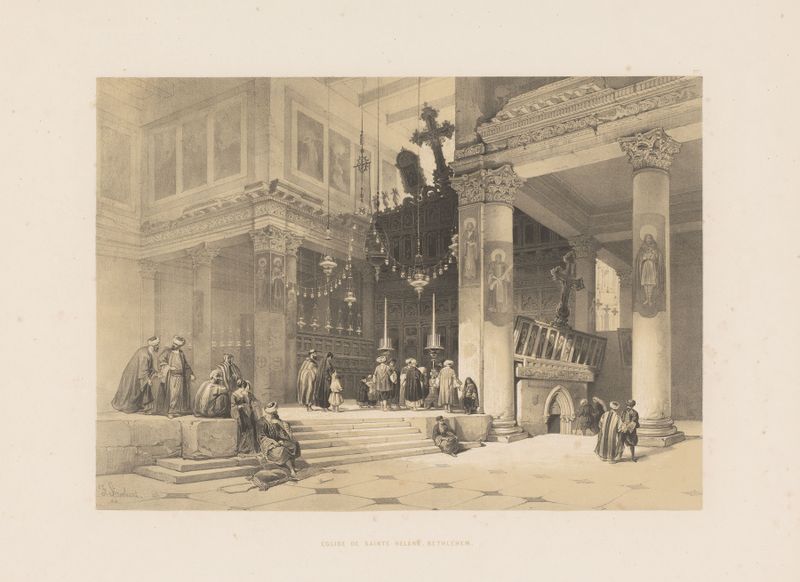
Église de sainte Hélène. Bethléhem
François Stroobant
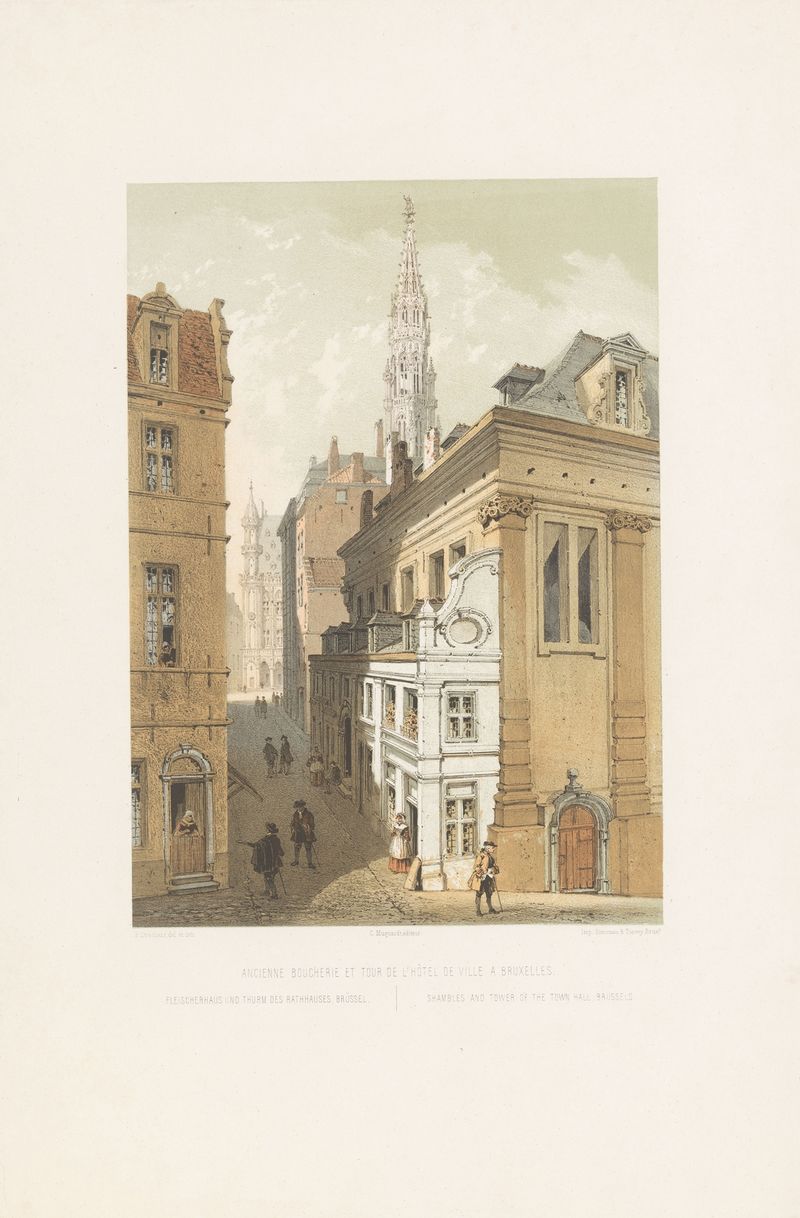
Shambles and tower of the town hall, Brussels
François Stroobant

Intérieur de l’église Grecque du Saint-Sépulcre
François Stroobant
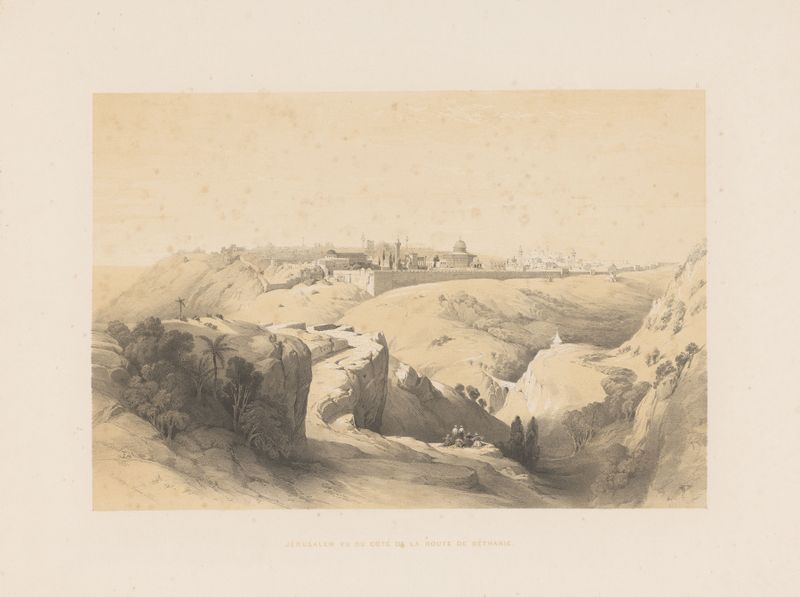
Jérusalem vu du coté de la route de Béthanie
François Stroobant

Le tabernacle du Saint-Sépulcre
François Stroobant

Town hall Brussels
François Stroobant

Fontaine de Jacob à Sichem
François Stroobant
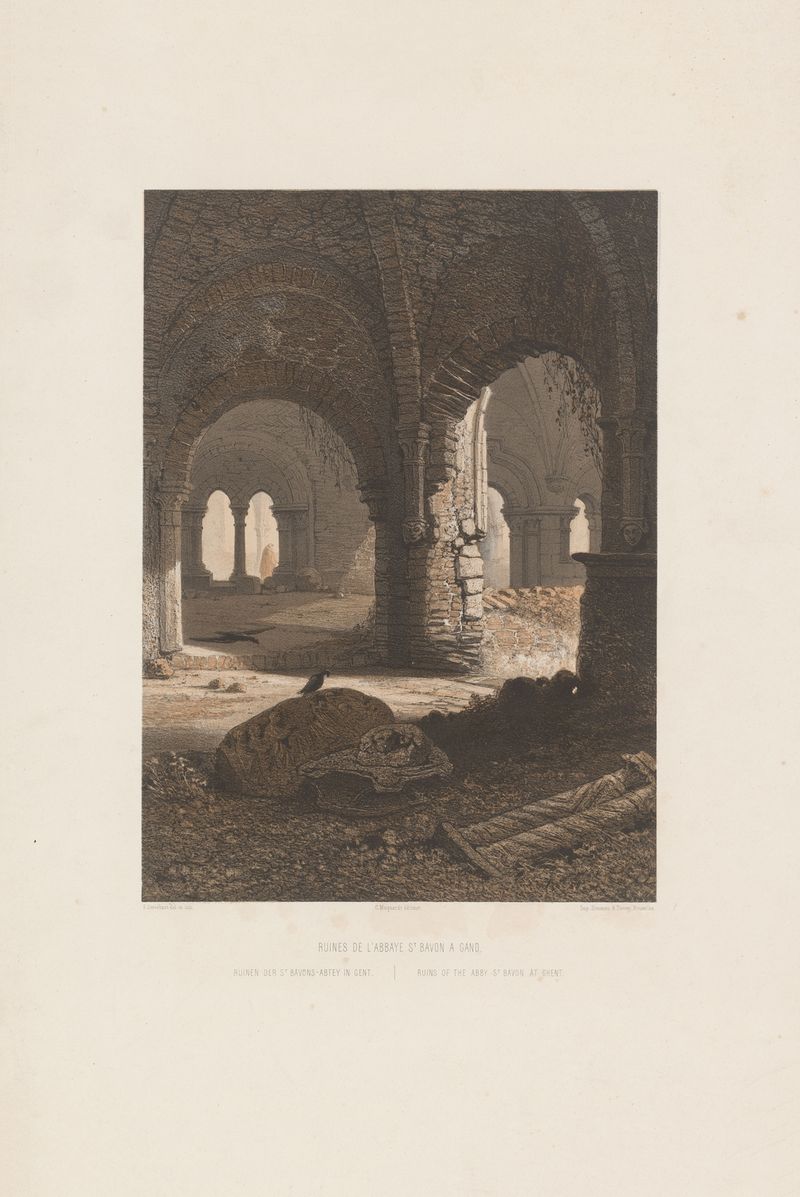
Ruins of the abby St Bavon at Ghent
François Stroobant

Vue de Naplouse
François Stroobant

Screen in St Peter’s church Louvain
François Stroobant