
Vue de Naplouse — History & Facts
Where does light end, and longing begin? In the delicate interplay of hues, Vue de Naplouse captures a moment of revelation that beckons the viewer to transcend mere observation. Look to the left at the gentle rise of the hills, their soft contours painted with shades of warm ochre and muted greens. The eye is drawn to the ethereal light that bathes the scene, suffusing the sky with enigmatic blues and glowing pastels. Notice how the delicate brushstrokes convey not just landscape, but a palpable dream — each stroke whispering tales of time and place, inviting a reflective gaze upon the tranquil silhouette of Naplouse nestled in the valley beneath. The contrast between the soft, inviting landscape and the distant, shadowy mountains speaks to the tension of longing and belonging.
Each element, from the wispy clouds overhead to the sweeping valleys below, holds significance beyond mere beauty; they speak of a yearning for connection and understanding. Here, light does more than illuminate; it reveals the intimate relationship between nature and the human soul, allowing viewers to ponder their own place within the vast expanse of existence. In 1852, during a time of burgeoning Romanticism, François Stroobant created this piece while exploring the landscapes of the Near East. His journey mirrored the broader artistic movement, which sought to express emotional depth and the sublime beauty of nature.
As nations shifted and cultures collided, this work stands as a testament to the era's quest for meaning in the face of change.
More Artworks by François Stroobant
Browse all →
Interior of the church of Notre Dame du Sablon at Brussels
François Stroobant
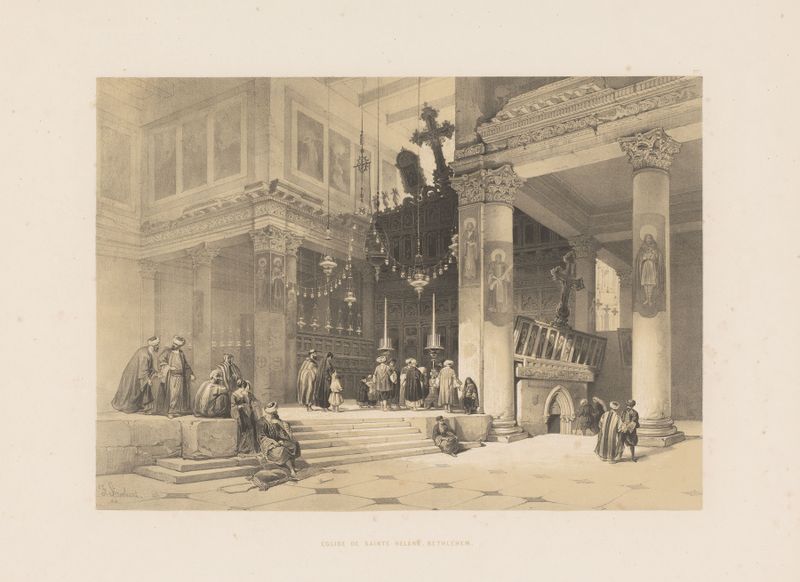
Église de sainte Hélène. Bethléhem
François Stroobant
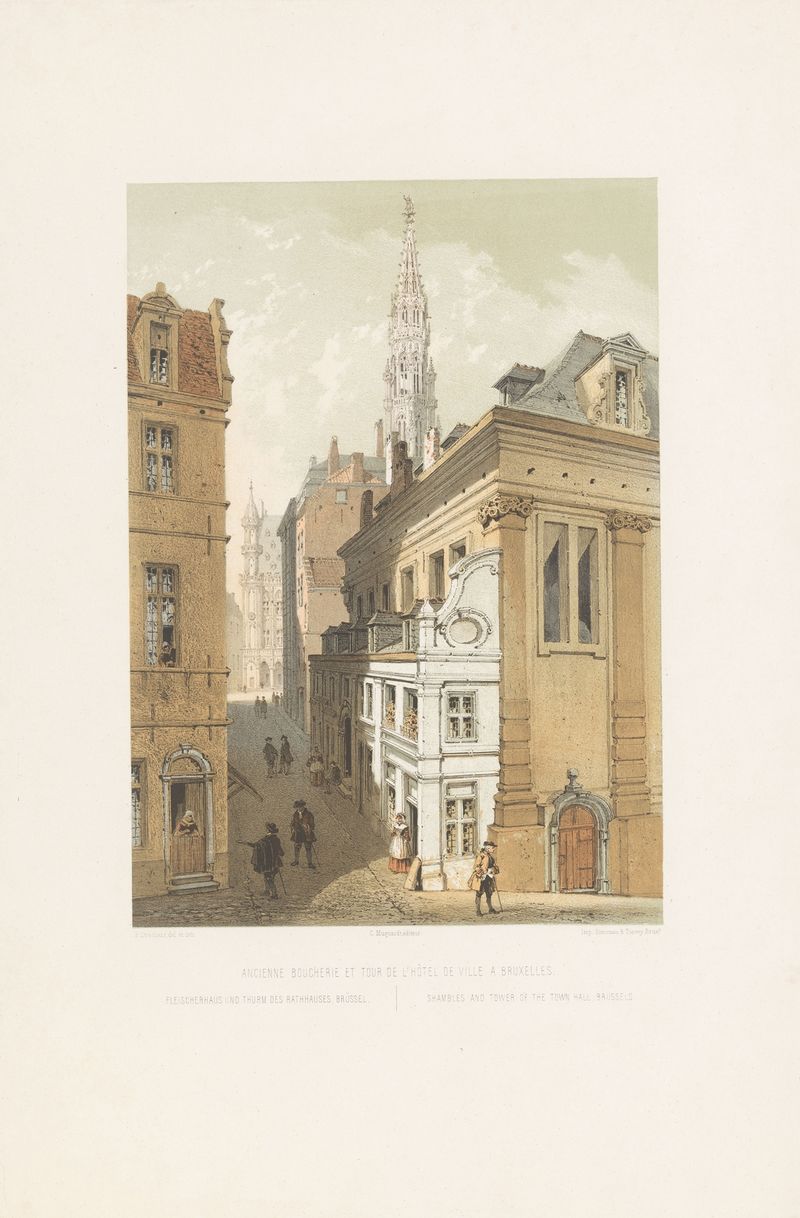
Shambles and tower of the town hall, Brussels
François Stroobant

Intérieur de l’église Grecque du Saint-Sépulcre
François Stroobant
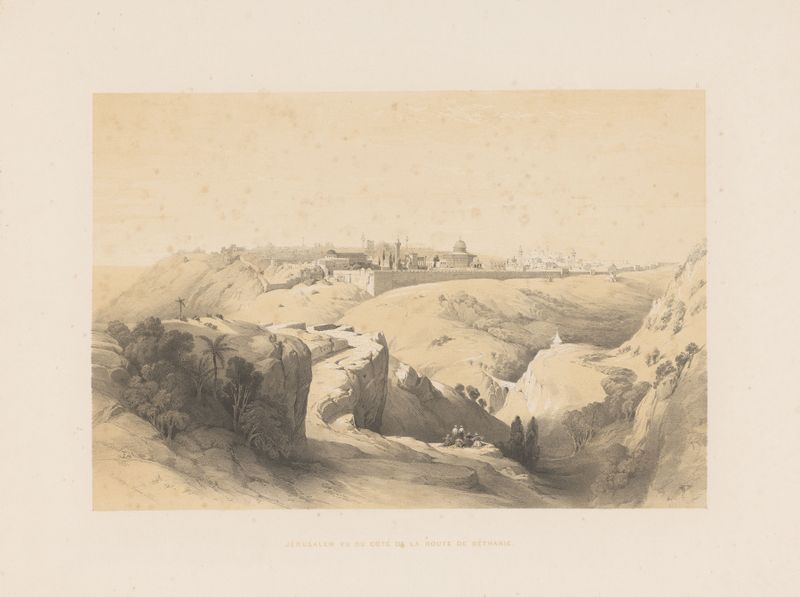
Jérusalem vu du coté de la route de Béthanie
François Stroobant

Le tabernacle du Saint-Sépulcre
François Stroobant

Town hall Brussels
François Stroobant

Fontaine de Jacob à Sichem
François Stroobant
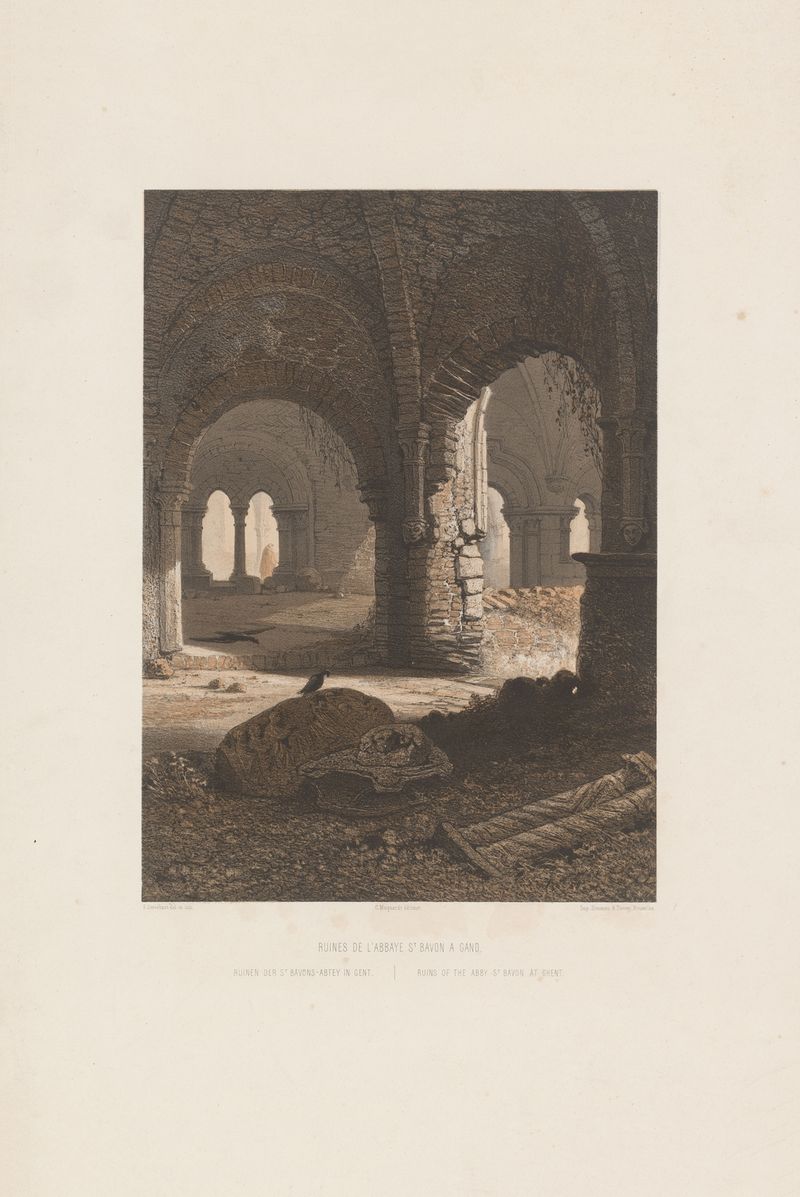
Ruins of the abby St Bavon at Ghent
François Stroobant

Screen in St Peter’s church Louvain
François Stroobant





