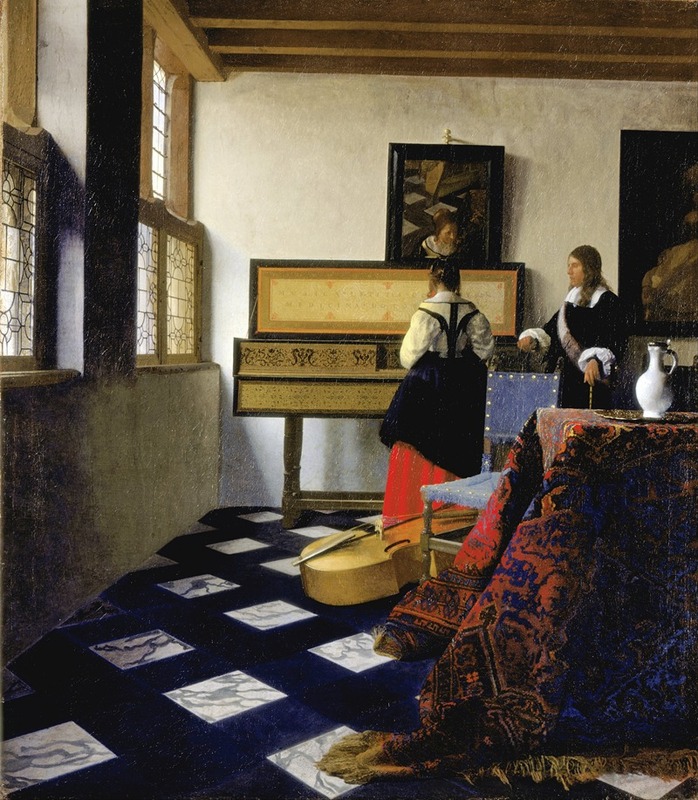
Intérieur de l’église Grecque du Saint-Sépulcre — History & Facts
In the hushed corners of an ancient church, the heavy weight of history clings to the air, weaving stories of devotion and obsession through the shadows. This sacred space beckons introspection, inviting viewers to confront the stirrings of their own faith and doubt. Look closely at the intricate details within the painting. Focus on the delicate interplay of light filtering through the stained glass, casting a kaleidoscope of colors on the stone floor.
Notice how the arches draw the eye upward, creating a sense of reverence that pulls you into the depths of the scene. The rich earthy tones are softened by the bright splashes of color, striking a balance between the solemnity of the church and the vibrancy of divine aspiration. The juxtaposition of light and dark here speaks volumes. The vibrant hues of the stained glass contrast sharply with the muted tones of the stone, embodying the tension between earthly existence and spiritual longing.
The figures, though rendered with care, appear slightly blurred, suggesting the ephemeral nature of faith itself. Each brushstroke captures not just the architecture but the very essence of devotion — a testimony to the obsession that can grip the heart when faced with the divine. François Stroobant painted this work in 1852, during a time when European art was increasingly influenced by Romanticism and a fascination with the sublime. Living in Belgium, he sought to capture moments that transcended mere representation, reflecting both personal and collective quests for meaning in a rapidly changing world.
His commitment to depicting religious themes mirrored the broader artistic movement, as artists sought to convey emotions often left unspoken in the face of modernity.
More Artworks by François Stroobant
Browse all →
Interior of the church of Notre Dame du Sablon at Brussels
François Stroobant
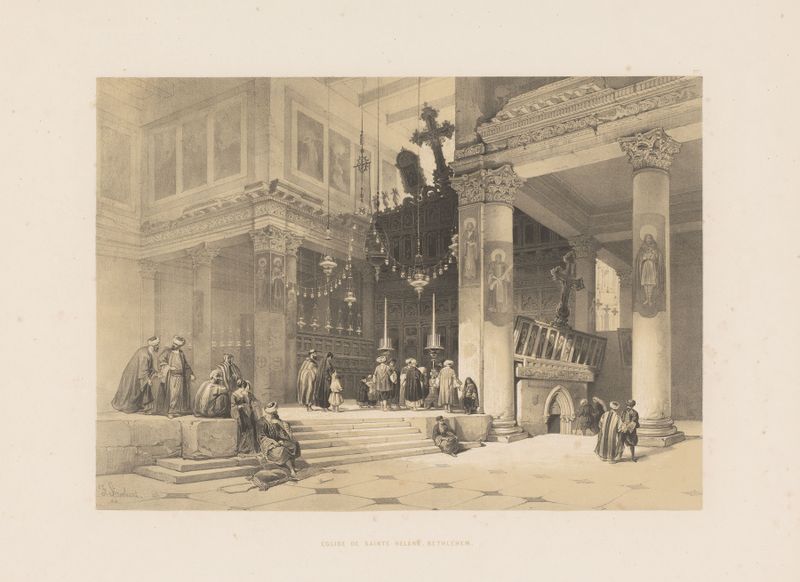
Église de sainte Hélène. Bethléhem
François Stroobant
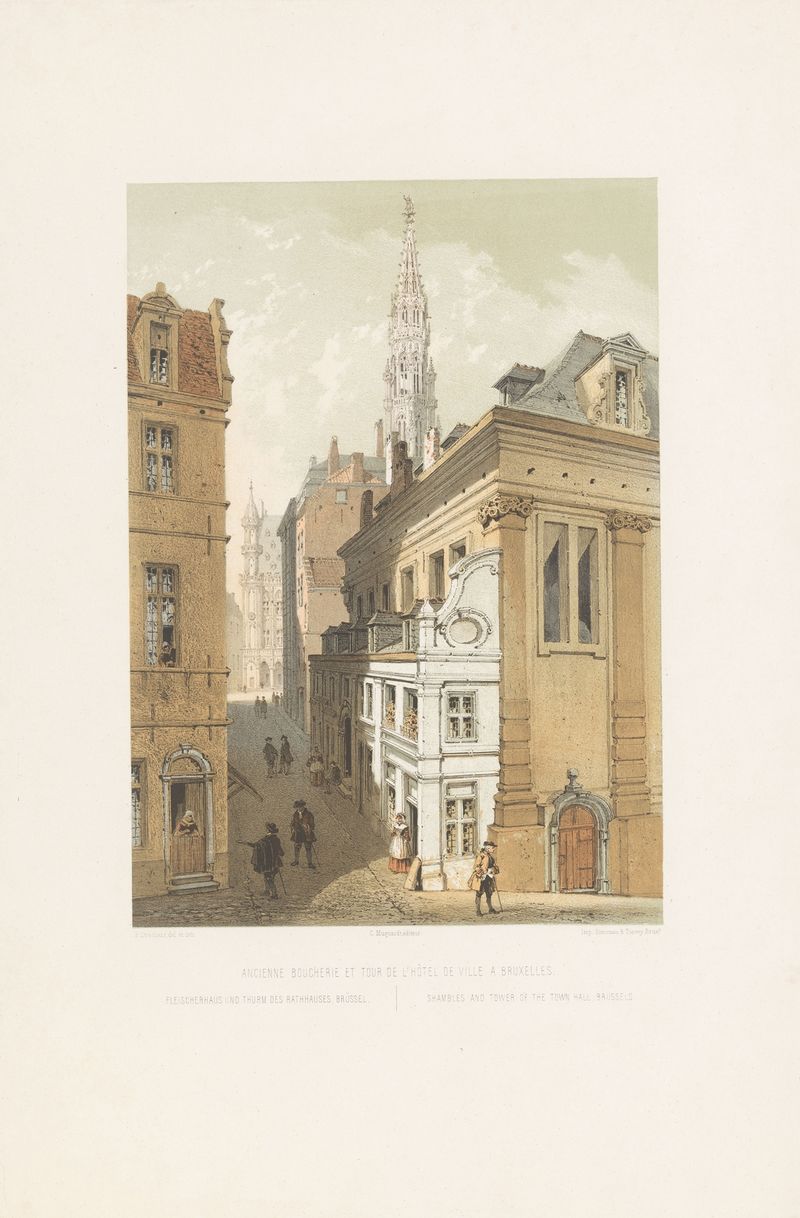
Shambles and tower of the town hall, Brussels
François Stroobant
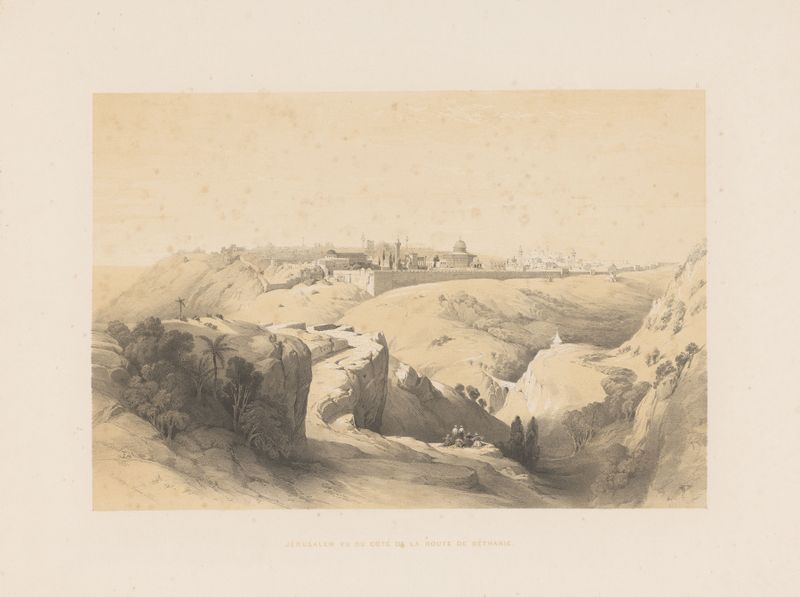
Jérusalem vu du coté de la route de Béthanie
François Stroobant

Le tabernacle du Saint-Sépulcre
François Stroobant

Town hall Brussels
François Stroobant

Fontaine de Jacob à Sichem
François Stroobant
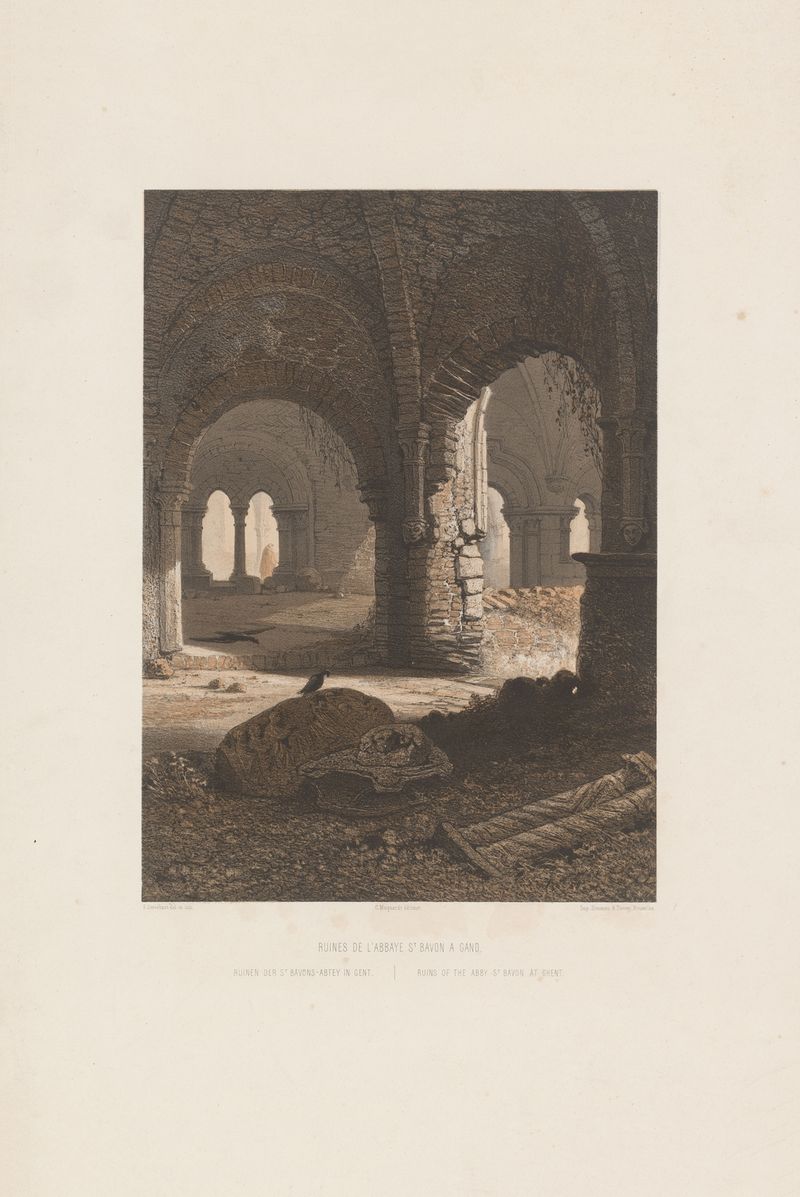
Ruins of the abby St Bavon at Ghent
François Stroobant

Vue de Naplouse
François Stroobant

Screen in St Peter’s church Louvain
François Stroobant