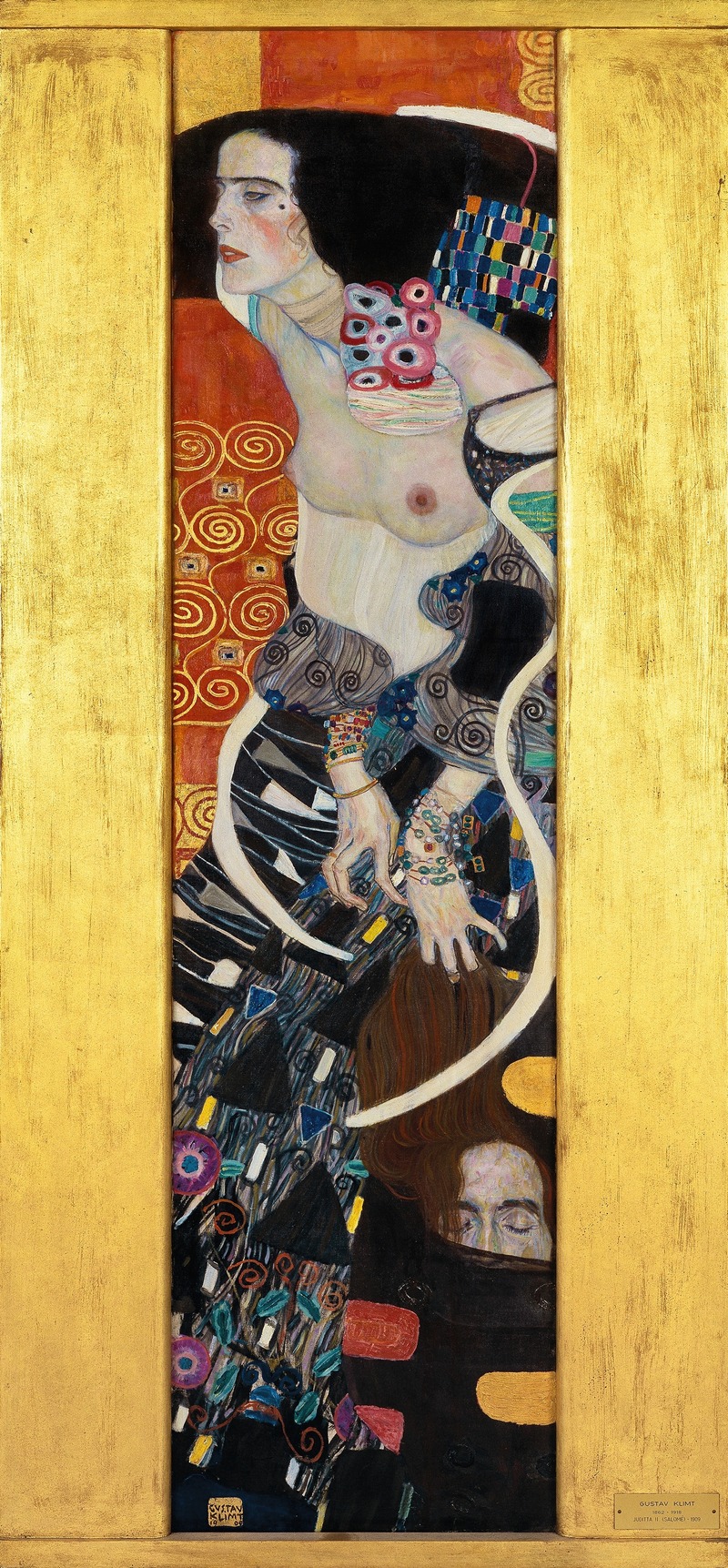
Discover insights about this artwork
Bethsabée — History & Facts
In Bethsabée, Paul Cézanne presents a woman seated in a tranquil setting. The colors are rich and varied, with deep greens and warm earth tones dominating the scene. The figure is rendered with Cézanne's characteristic brushstrokes, giving her a solid presence.
The background features a lush landscape, enhancing the serene atmosphere of the painting. The painting is executed in oil on canvas, showcasing Cézanne's distinctive approach to form and color. The brushwork is visible, creating a textured surface that adds depth to the composition. The use of light is subtle, illuminating the figure while casting gentle shadows.
This technique is typical of Cézanne's work, emphasizing the interplay between light and color. Bethsabée reflects Cézanne's exploration of human figures within natural settings, a recurring theme in his oeuvre. Created in the c. 1880s, this work exemplifies the transition from Impressionism to Post-Impressionism.
An interesting fact about this painting is that it captures the artist's unique ability to blend figure and landscape harmoniously. Cézanne's innovative style has influenced many modern artists, making this piece significant in art history.
More Artworks by Paul Cézanne
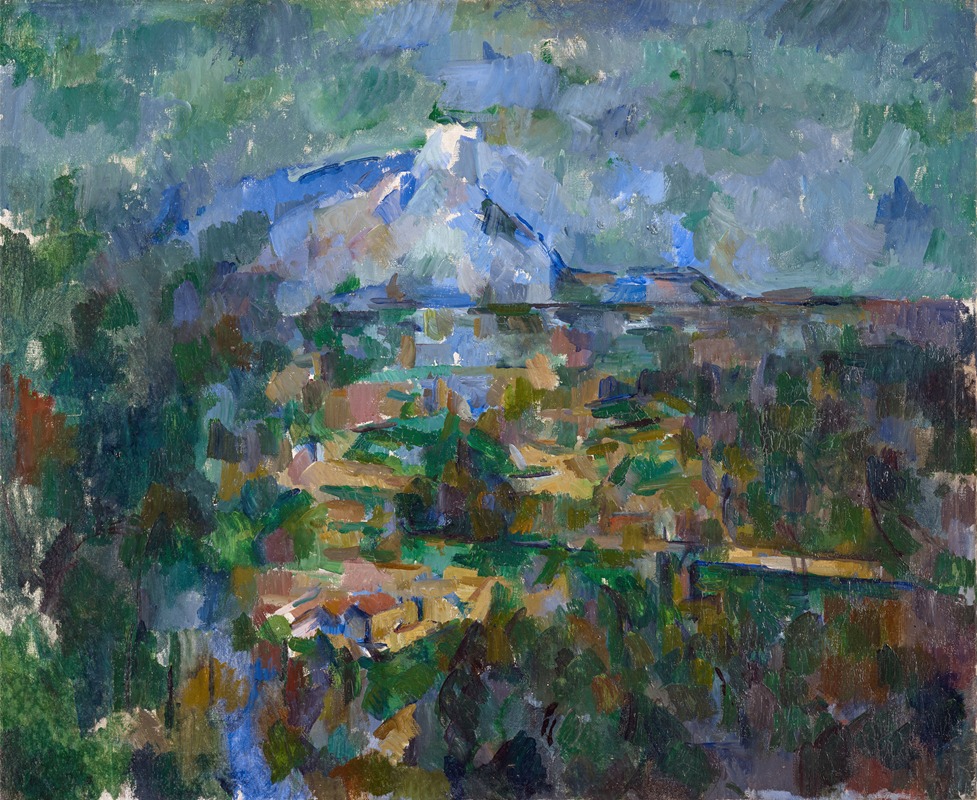
The Mont Sainte-Victoire Seen From Les Lauves
Paul Cézanne
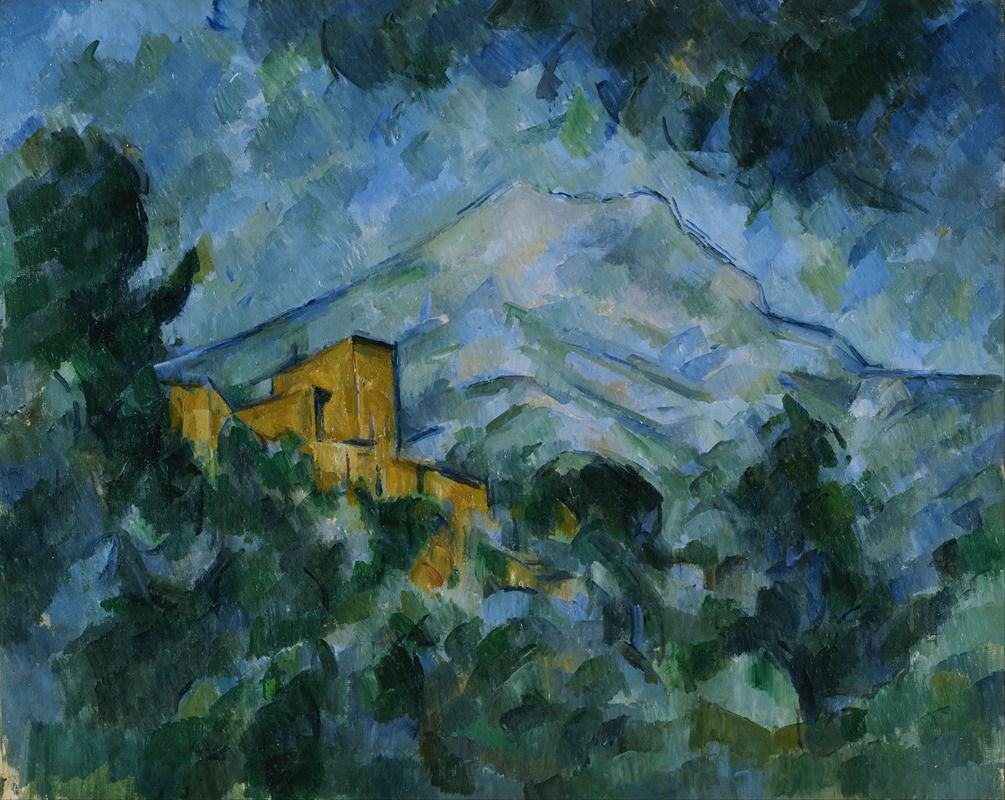
Mont Sainte-Victoire and Château Noir
Paul Cézanne
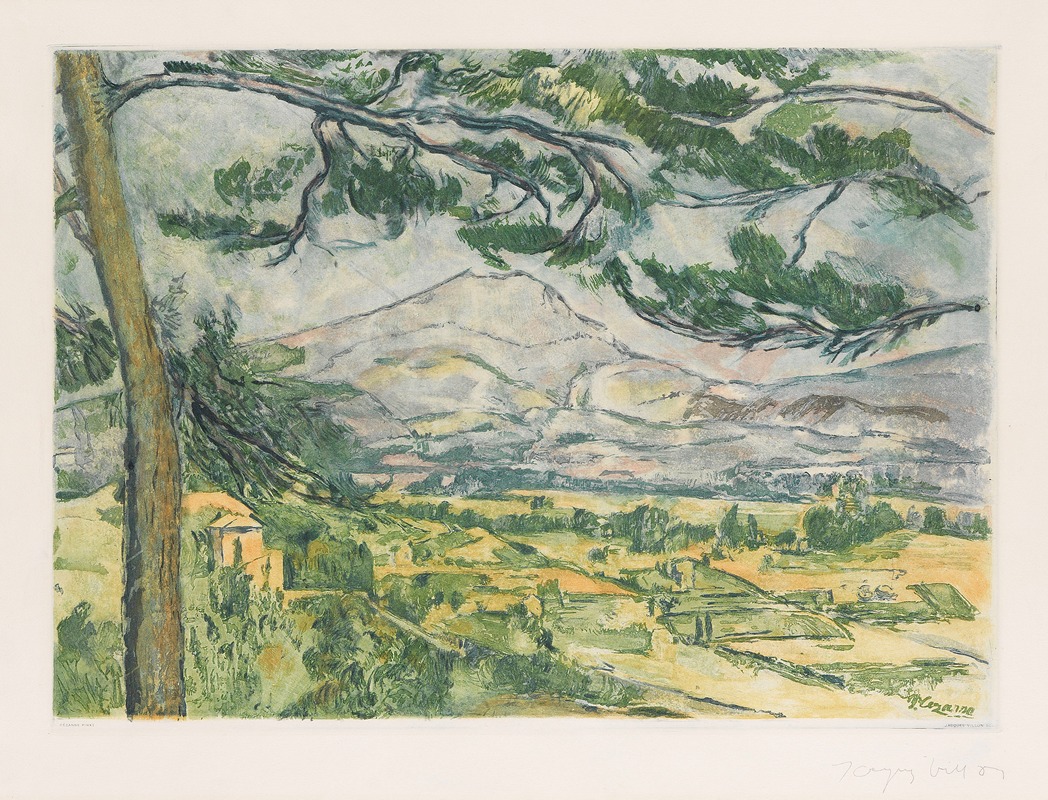
La Montagne Sainte-Victoire
Paul Cézanne
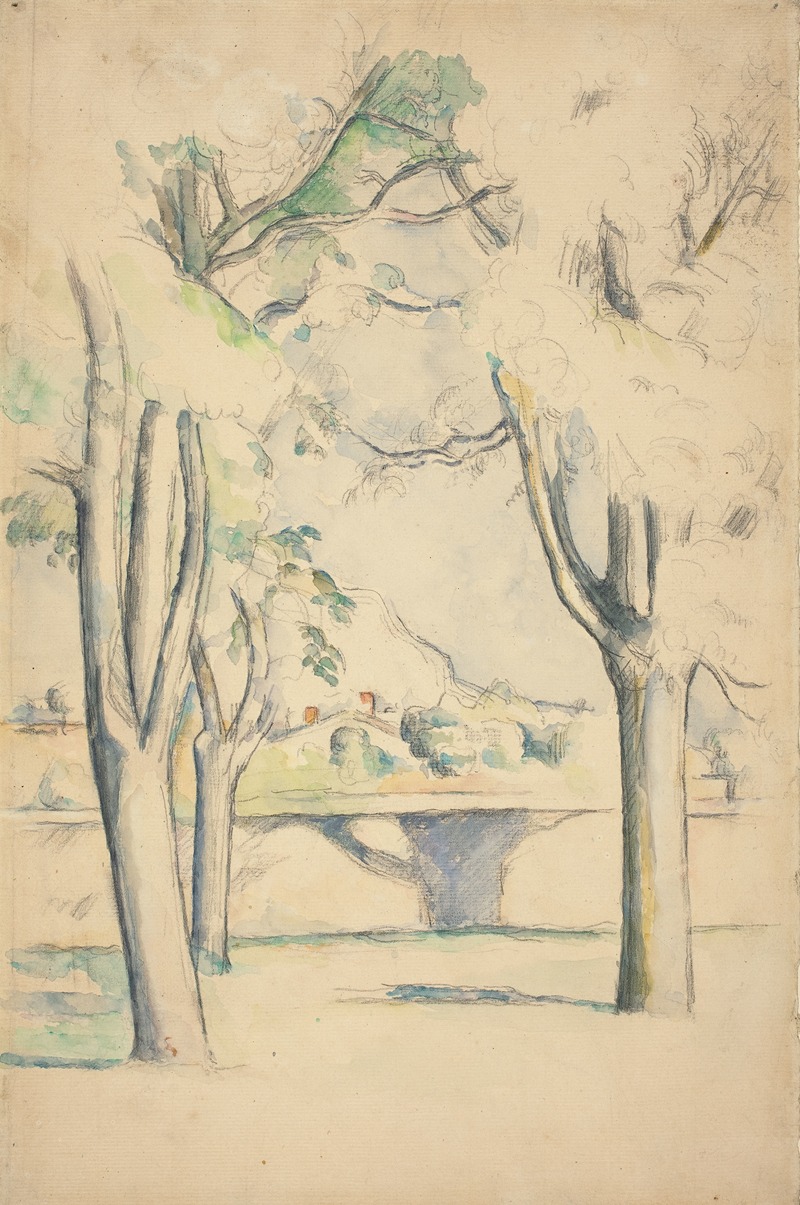
Mont Sainte-Victoire Seen beyond the Wall of the Jas de Bouffan
Paul Cézanne
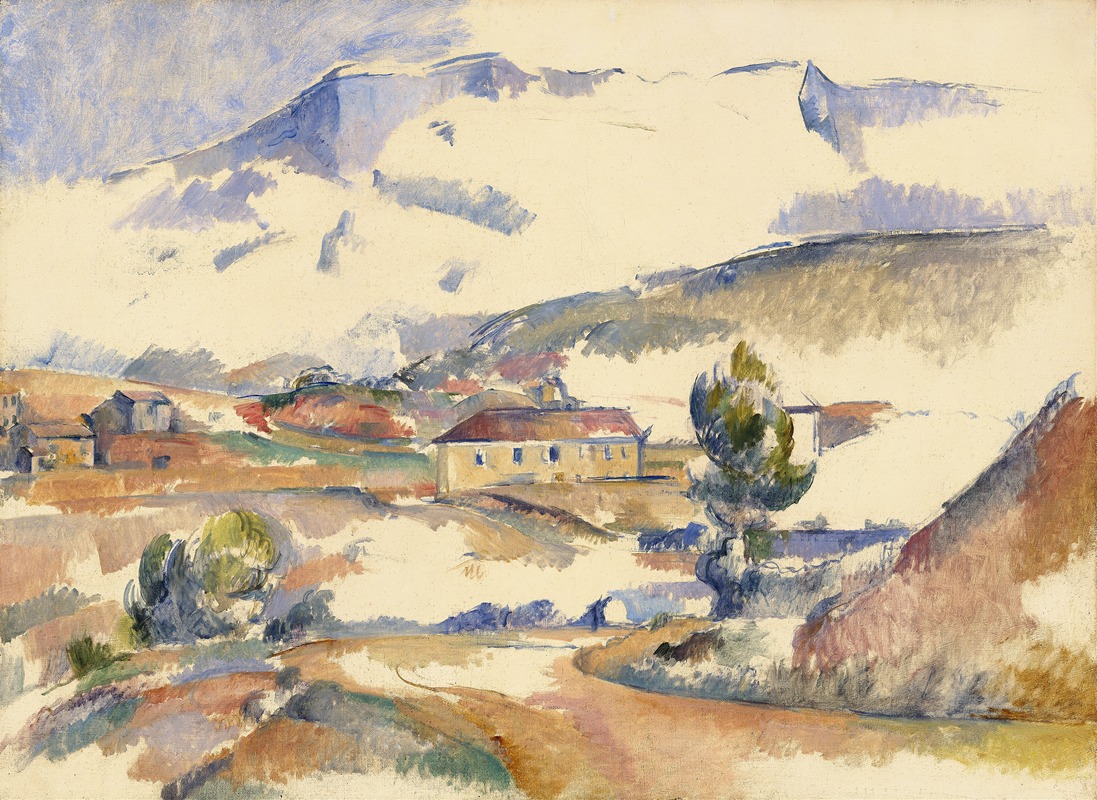
Montagne Sainte-Victoire,from near Gardanne
Paul Cézanne
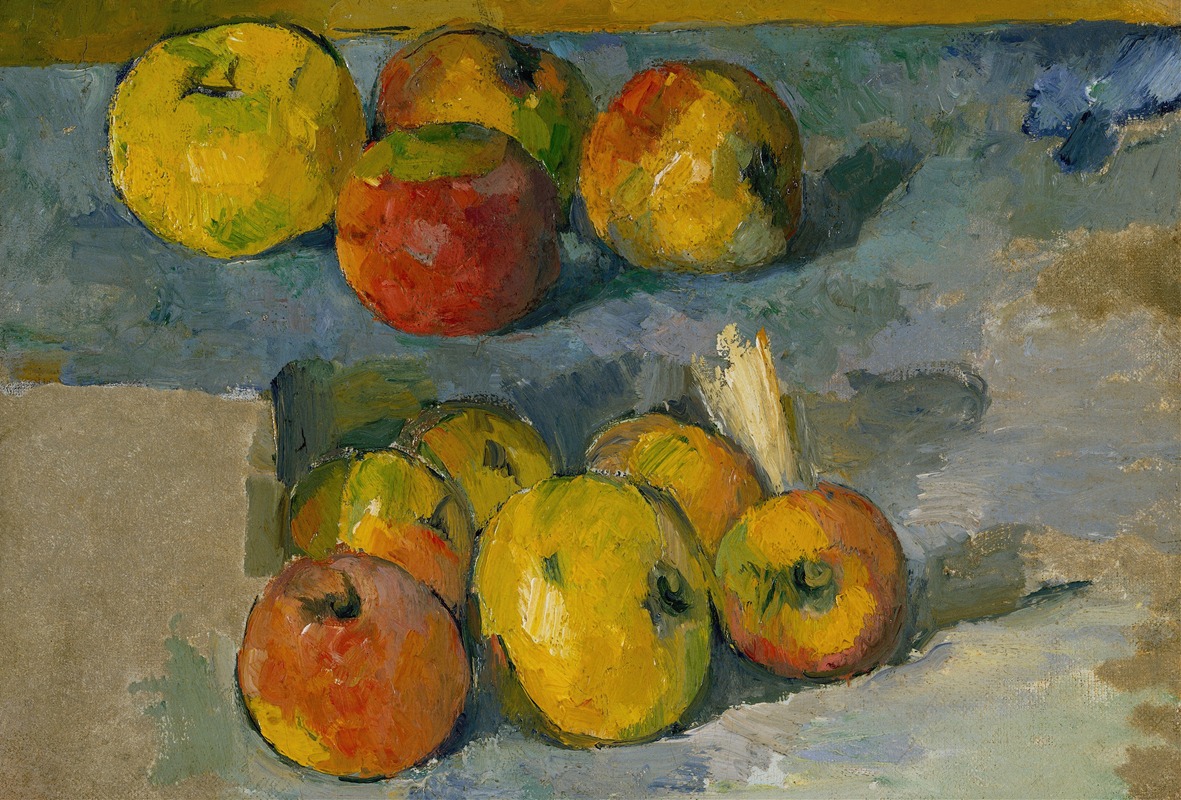
Apples
Paul Cézanne
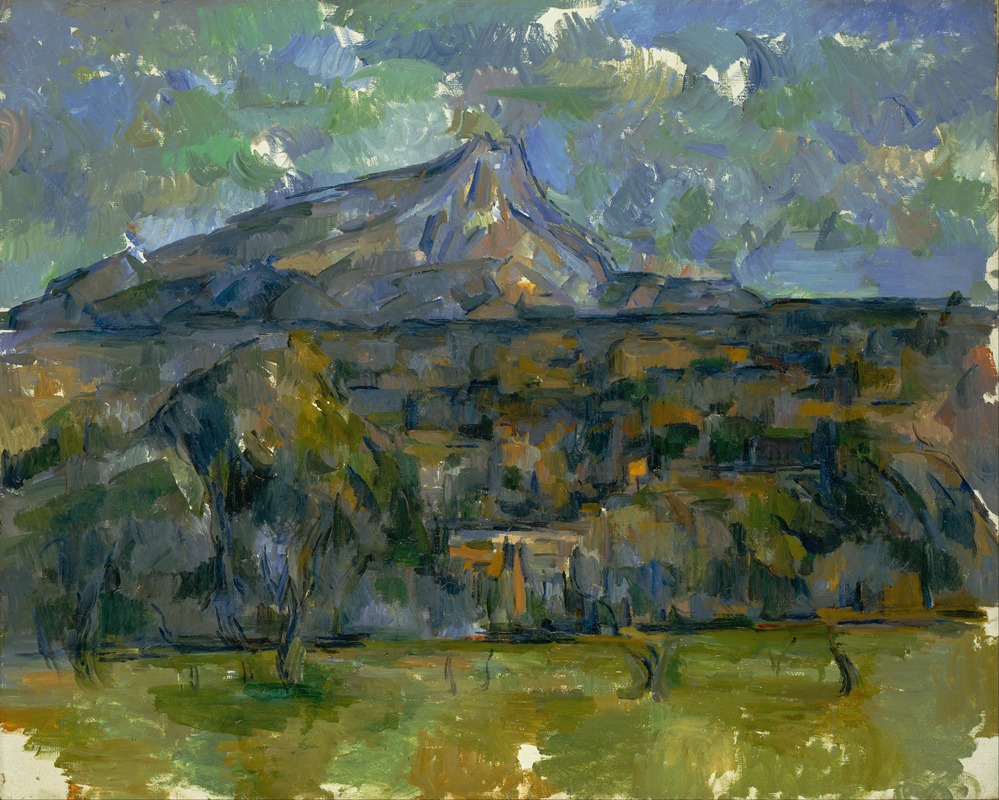
Mont Sainte-Victoire
Paul Cézanne
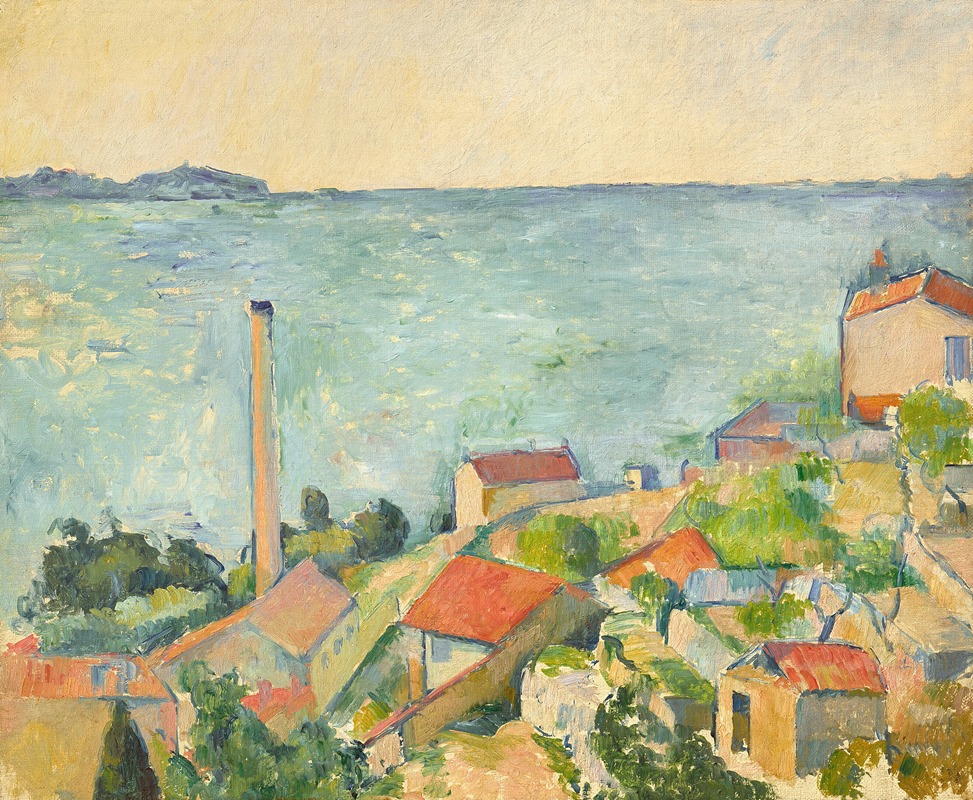
La mer à l’Estaque
Paul Cézanne
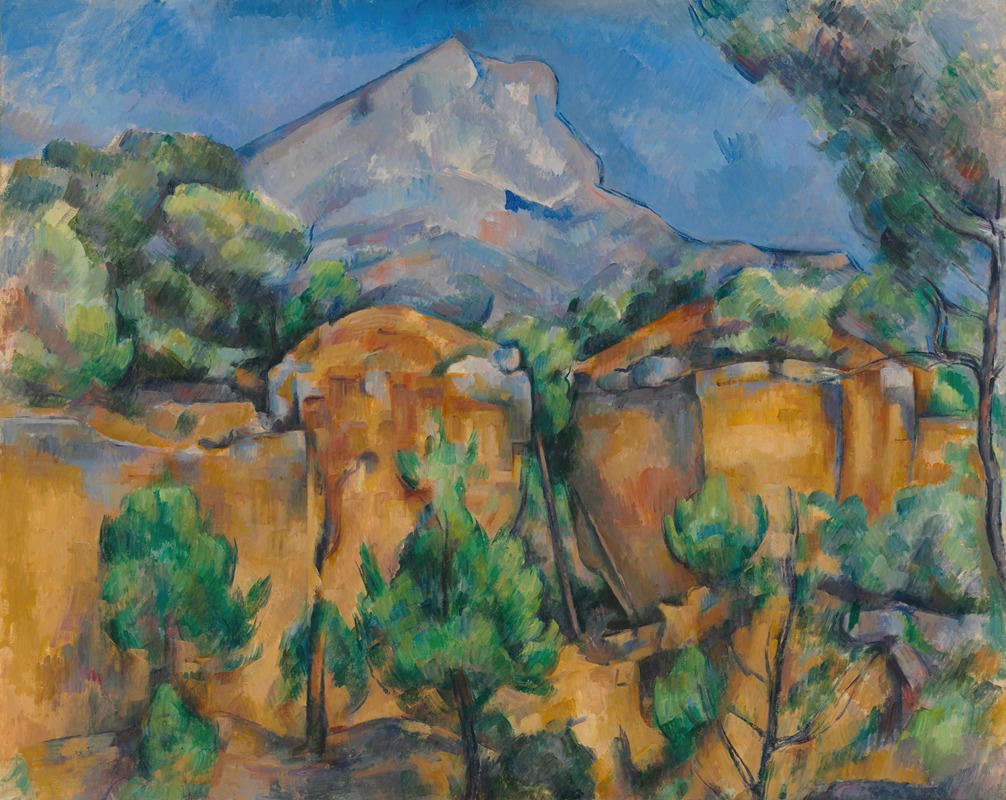
La Montagne Sainte-Victoire vue de la carrière Bibémus
Paul Cézanne
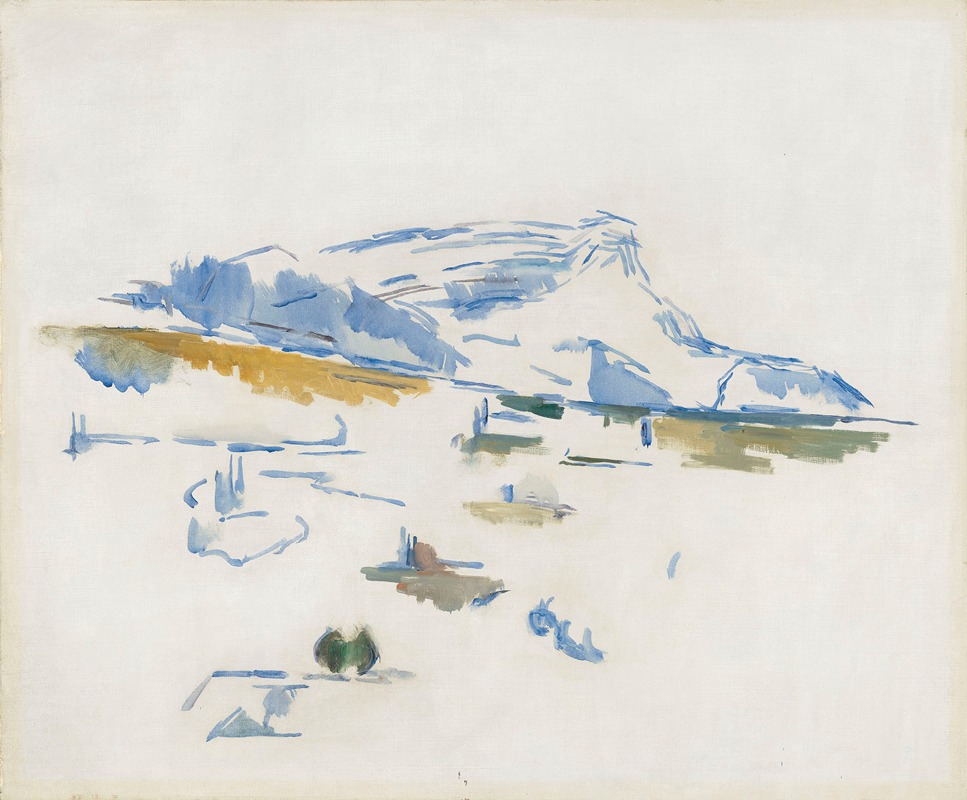
La Montagne Sainte-Victoire vue des Lauves
Paul Cézanne