
Bewening — History & Facts
Could a single brushstroke hold eternity? In Bewening, the interplay of light and shadow captures the profound moment of surrender and hope inherent in human experience. Look to the upper left corner, where a gentle light illuminates the figure's face, revealing soft contours and deep emotion. Notice the delicate balance of warm and cool tones that Dürer employs, guiding the eye across the composition. The intricate detailing of the garments, with their precise folds and textures, invites the viewer to linger, while the soft transitions between light and shadow create a sense of depth and intimacy. Beneath the surface, this work explores the tension between vulnerability and strength.
The figure's outstretched hands suggest a yearning for connection, a plea that transcends words. The subtle contrast between the serene expression and the palpable emotional weight of the gesture evokes a timeless dialogue about the fragility of existence and the resilience of the human spirit. Dürer painted Bewening between 1509 and 1510, during a pivotal moment in his artistic journey. Residing in Nuremberg, he was in the midst of a flourishing career, having recently returned from Italy, where he absorbed new techniques and styles.
This period marked a significant evolution in his work, as he began to blend Northern European precision with the expressive qualities he admired in Italian art, leading to a profound impact on the trajectory of Renaissance art.
More Artworks by Albrecht Dürer
Browse all →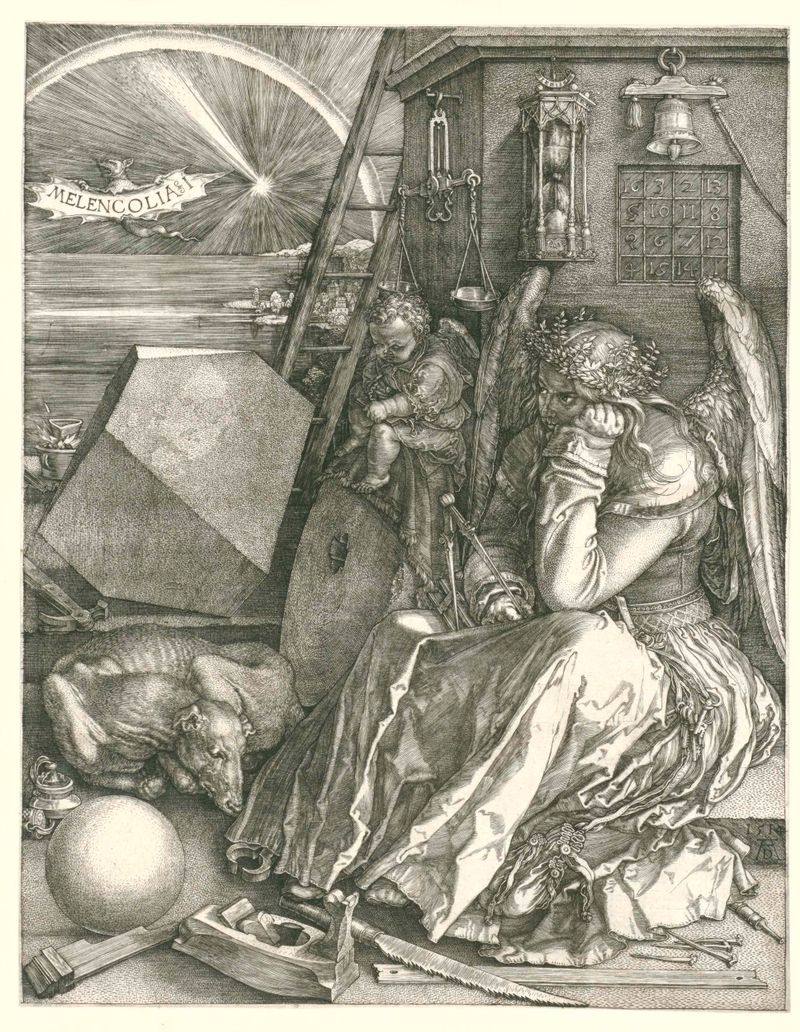
Melancholia
Albrecht Dürer
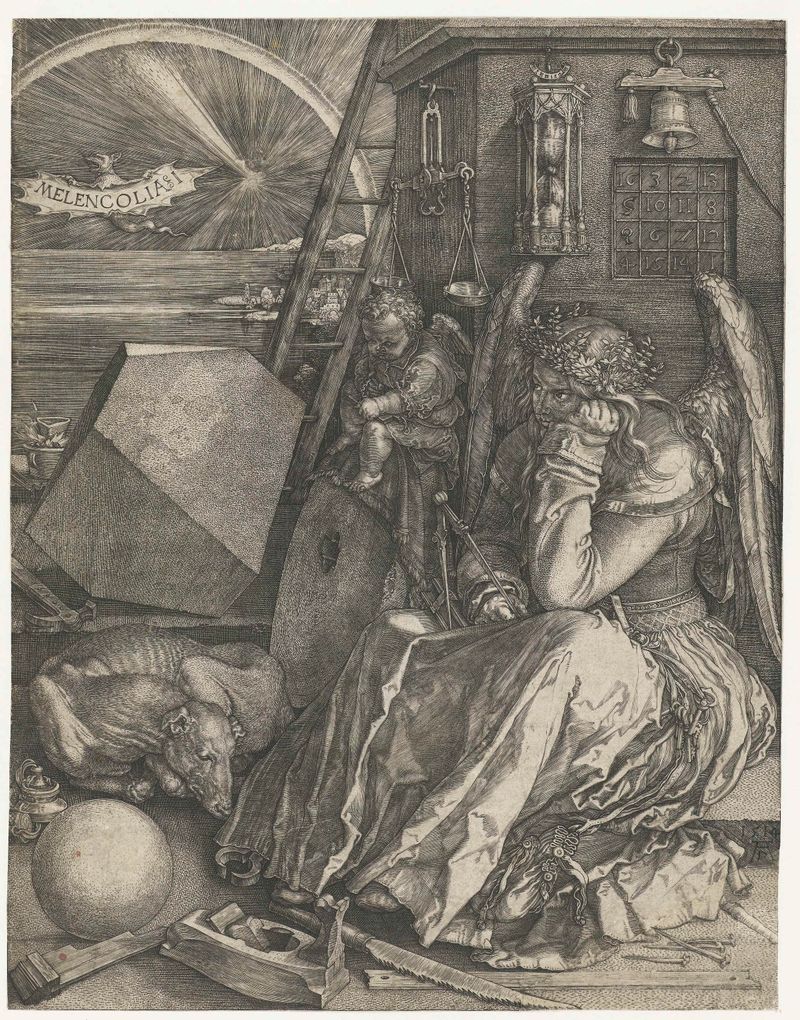
Melancholie
Albrecht Dürer
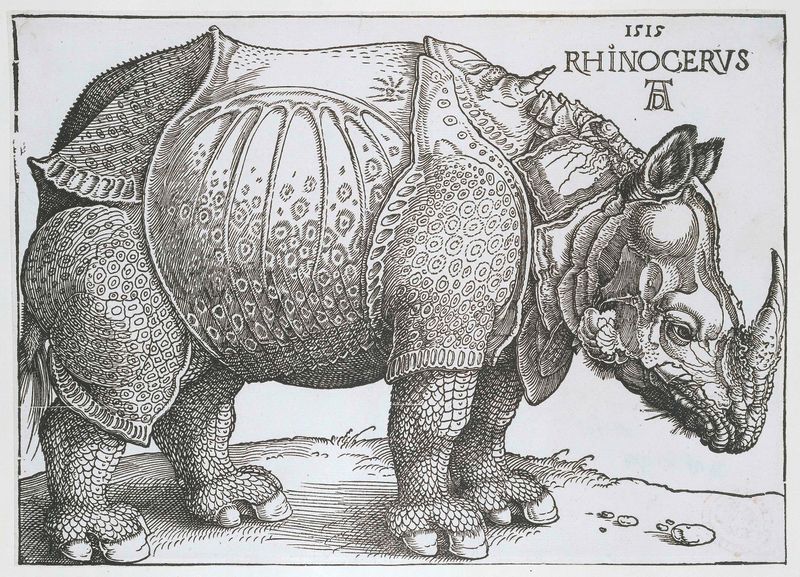
Neushoorn
Albrecht Dürer
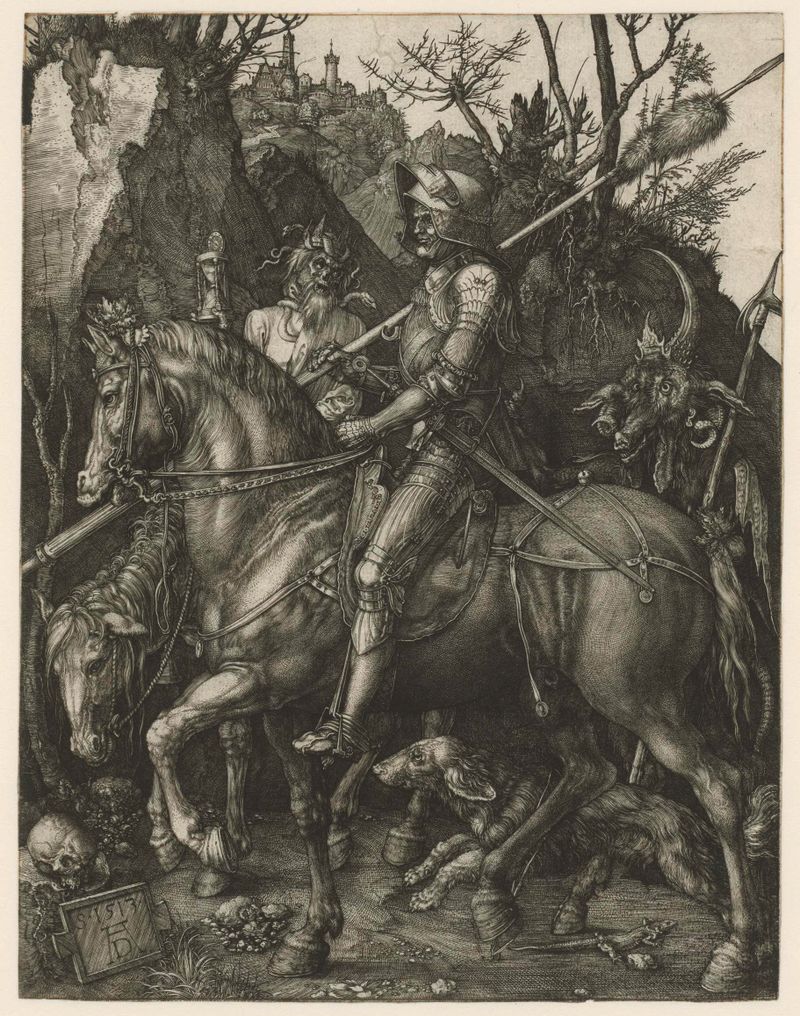
Knight, Death, and the Devil
Albrecht Dürer

De vier ruiters van de apocalyps
Albrecht Dürer

De vier ruiters van de apocalyps
Albrecht Dürer
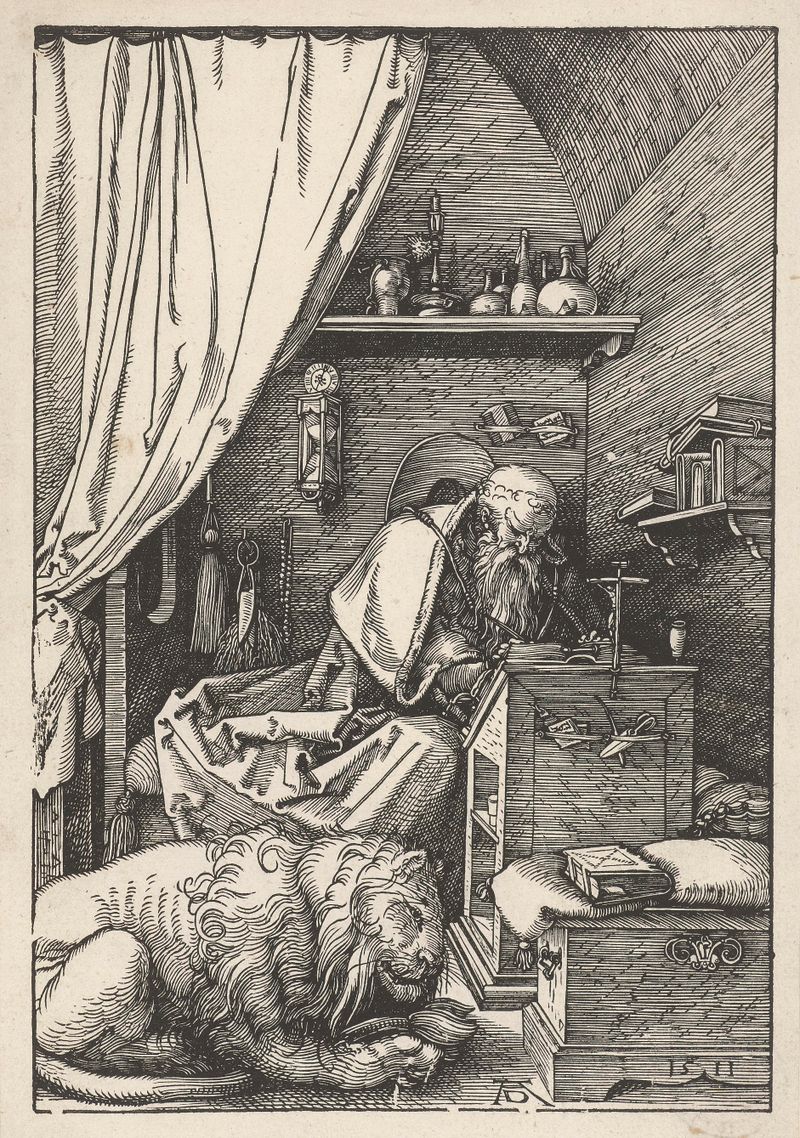
De Heilige Hiëronymus in zijn studeervertrek
Albrecht Dürer
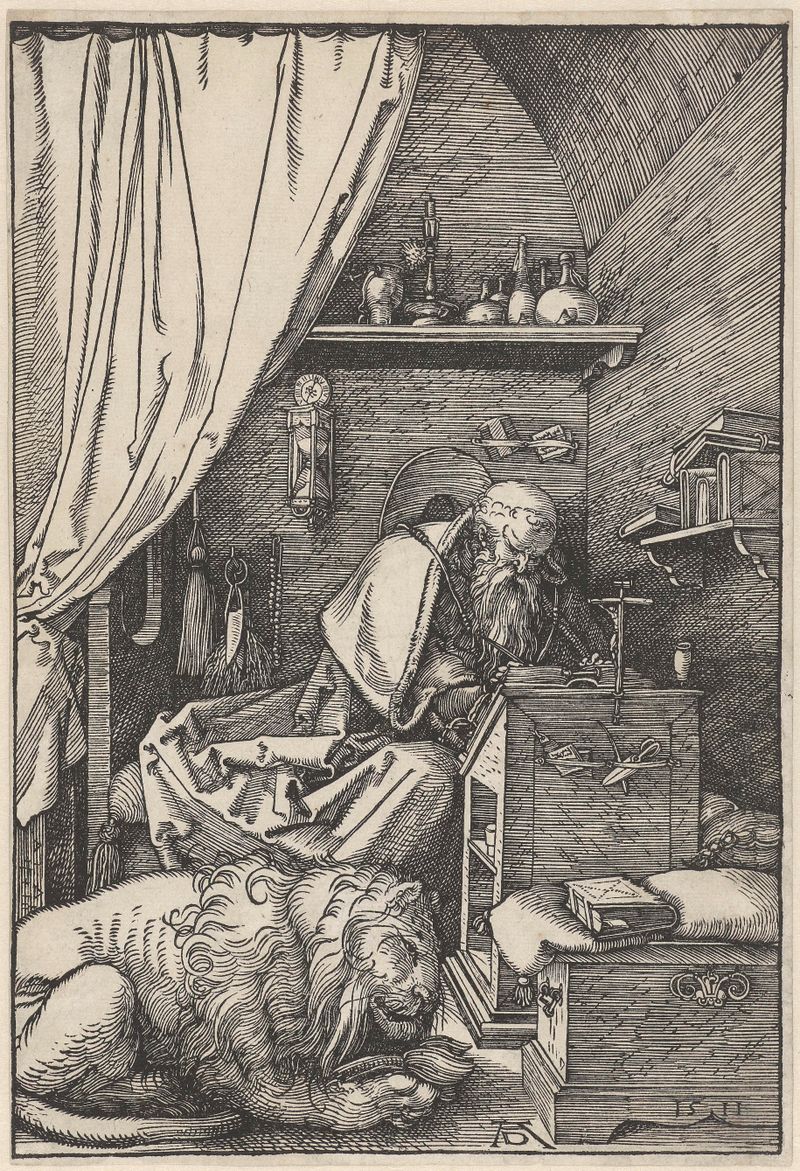
De Heilige Hiëronymus in zijn studeervertrek
Albrecht Dürer
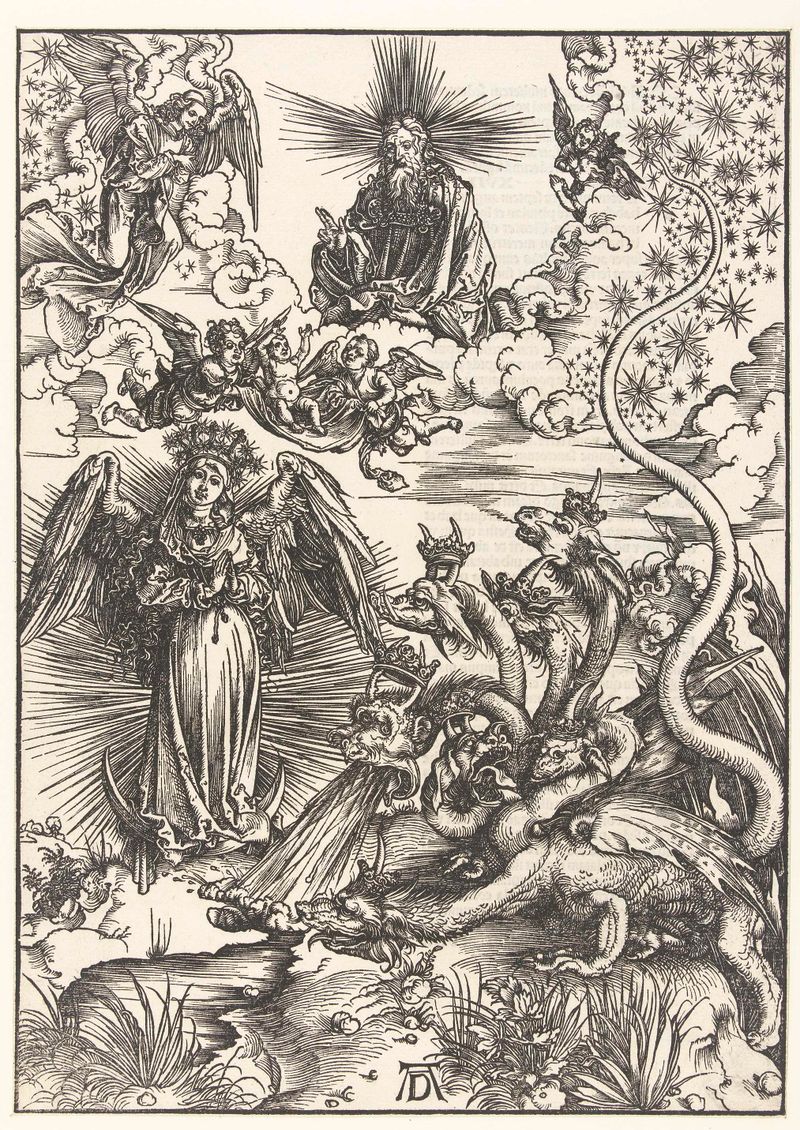
De apocalyptische vrouw en de zevenkoppige draak
Albrecht Dürer
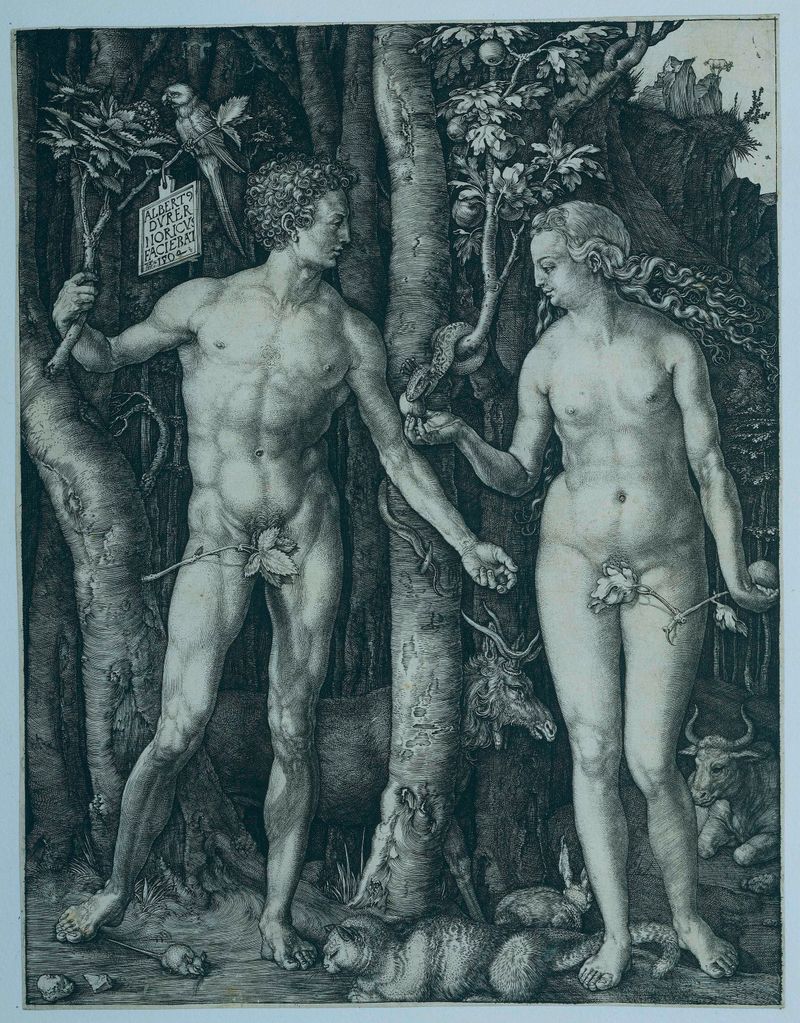
Adam en Eva
Albrecht Dürer




