
Bewening — History & Facts
In a world where silence reigns, every brushstroke becomes a whisper resonating through the ages. Look to the center of the canvas, where the solemn figure of a woman kneels, head bowed and enveloped in a cloak that seems to blend into the shadows of her surroundings. The muted color palette of browns and greens enhances the somber mood, while a delicate play of light draws your attention to the gentle contours of her face, emphasizing her grief. The simplicity of the composition, with its absence of ornate detail, allows the emotional weight of the moment to take center stage. Within this quiet scene lies a profound exploration of loss and memory.
The woman’s posture suggests an intimate connection to her mourning—perhaps for a lost loved one, or the fleeting nature of life itself. Nearby, the subtle inclusion of a single candle offers a contrast, representing hope amid despair, its flicker a reminder of enduring presence in the face of absence. The stillness is palpable, inviting viewers to reflect on their own encounters with silence and sorrow. Lucas Cranach (I) created Bewening in 1509 during a period of artistic transition in Northern Europe, characterized by a move towards greater emotional expression in art.
At this time, Cranach was establishing himself in Wittenberg, navigating the evolving landscape of German Renaissance painting that encouraged personal, humanistic themes. This work captures both the universality of grief and the intimate experience of remembrance, marking a vital moment in Cranach’s artistic journey.
More Artworks by Lucas Cranach (I)
Browse all →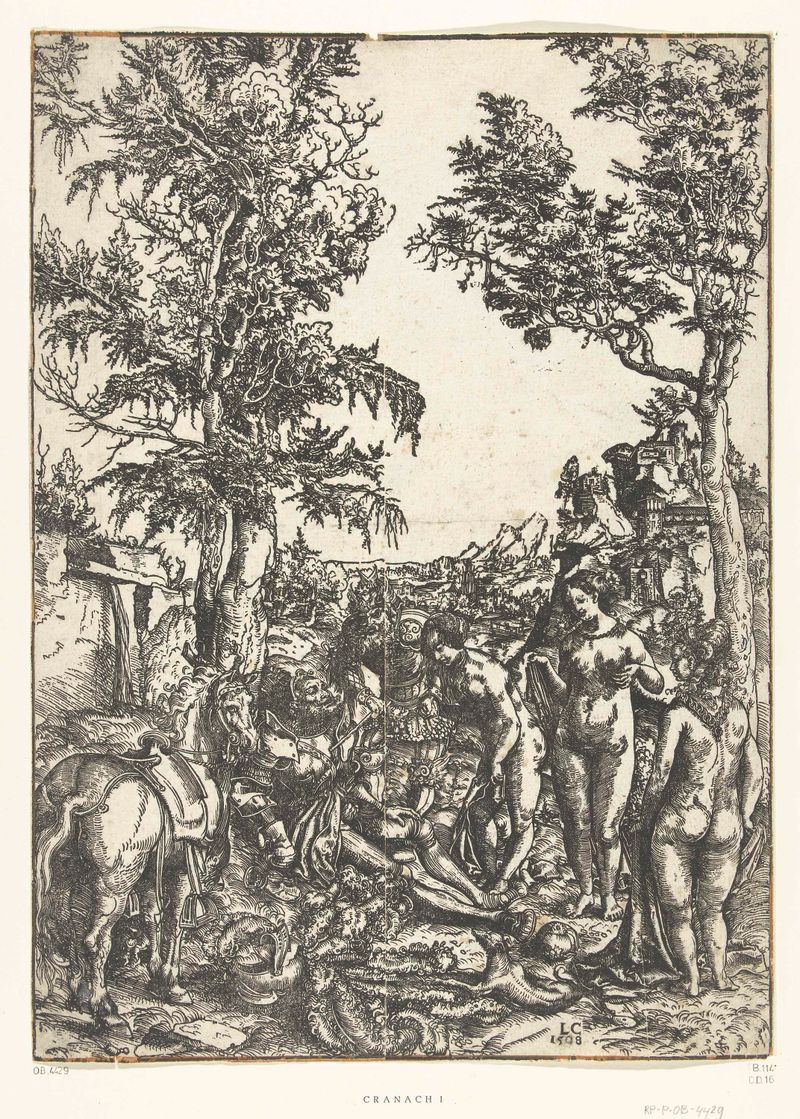
Oordeel van Paris
Lucas Cranach (I)
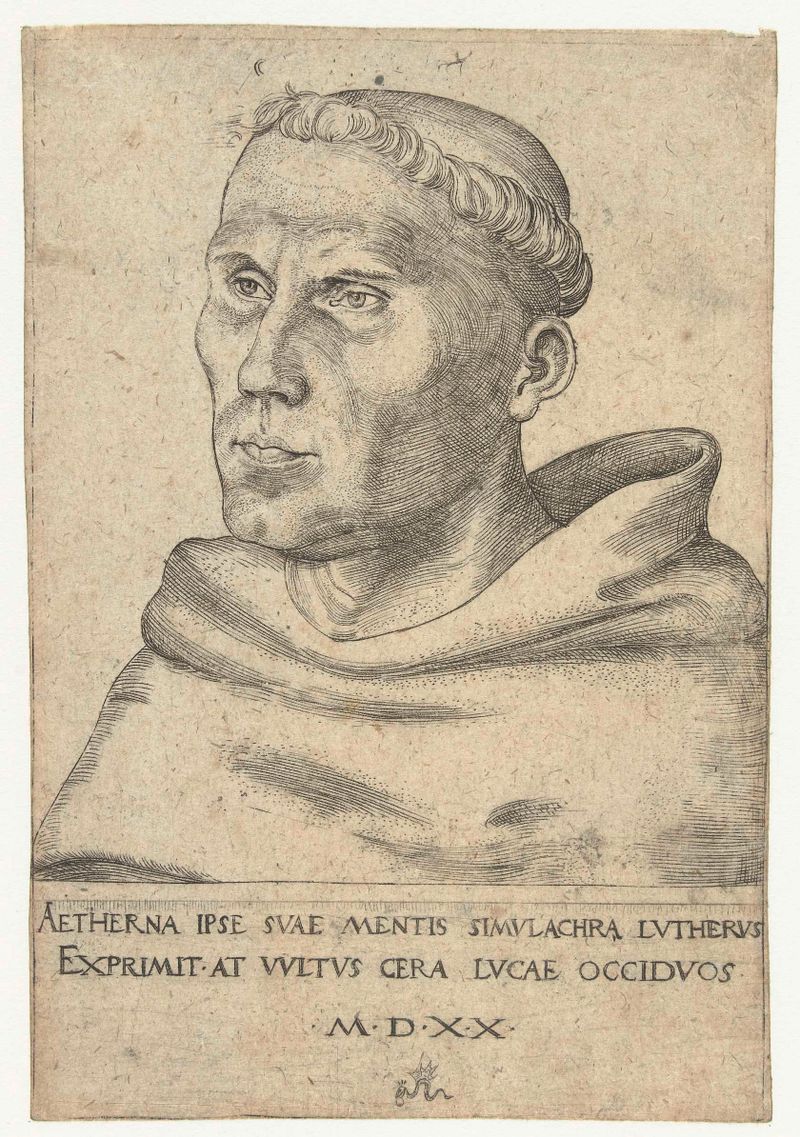
Portret van Martin Luther als Augustijner monnik
Lucas Cranach (I)
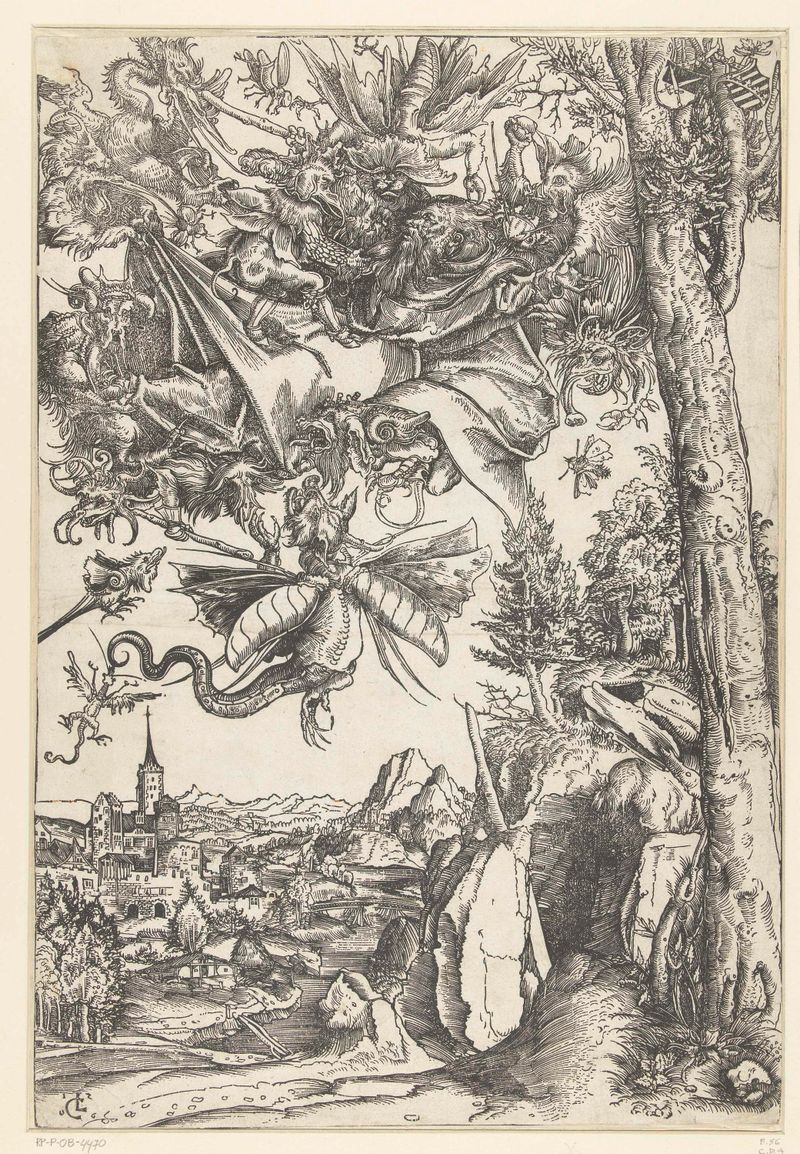
Verzoeking van Antonius met aanval door demonen
Lucas Cranach (I)

Christus en de Samaritaanse vrouw
Lucas Cranach (I)

Duits toernooi met twee edelmannen als ridders te paard
Lucas Cranach (I)
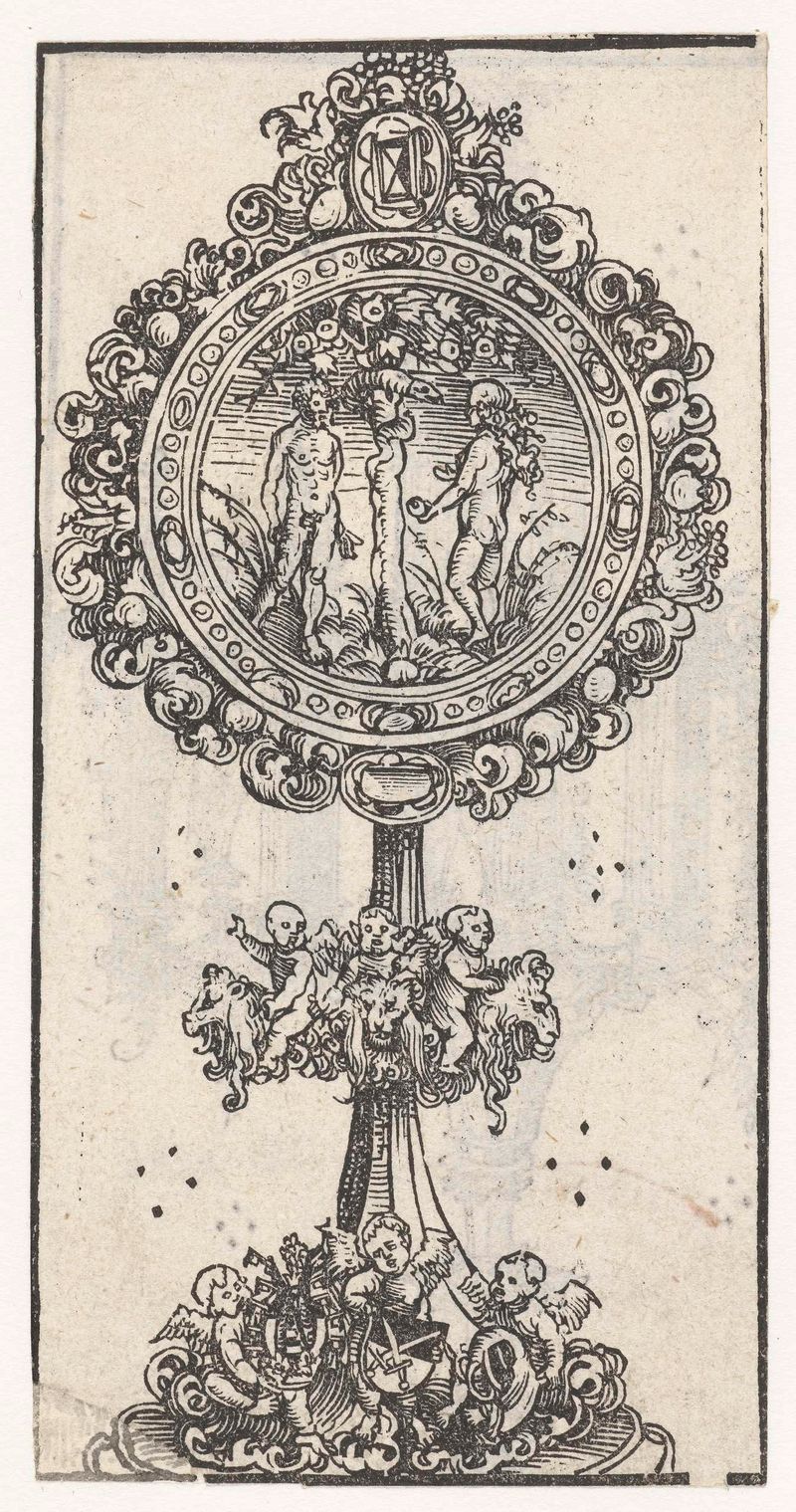
Reliekhouder met de verzoeking van Adam en Eva
Lucas Cranach (I)

Intocht van Christus in Jerusalem
Lucas Cranach (I)
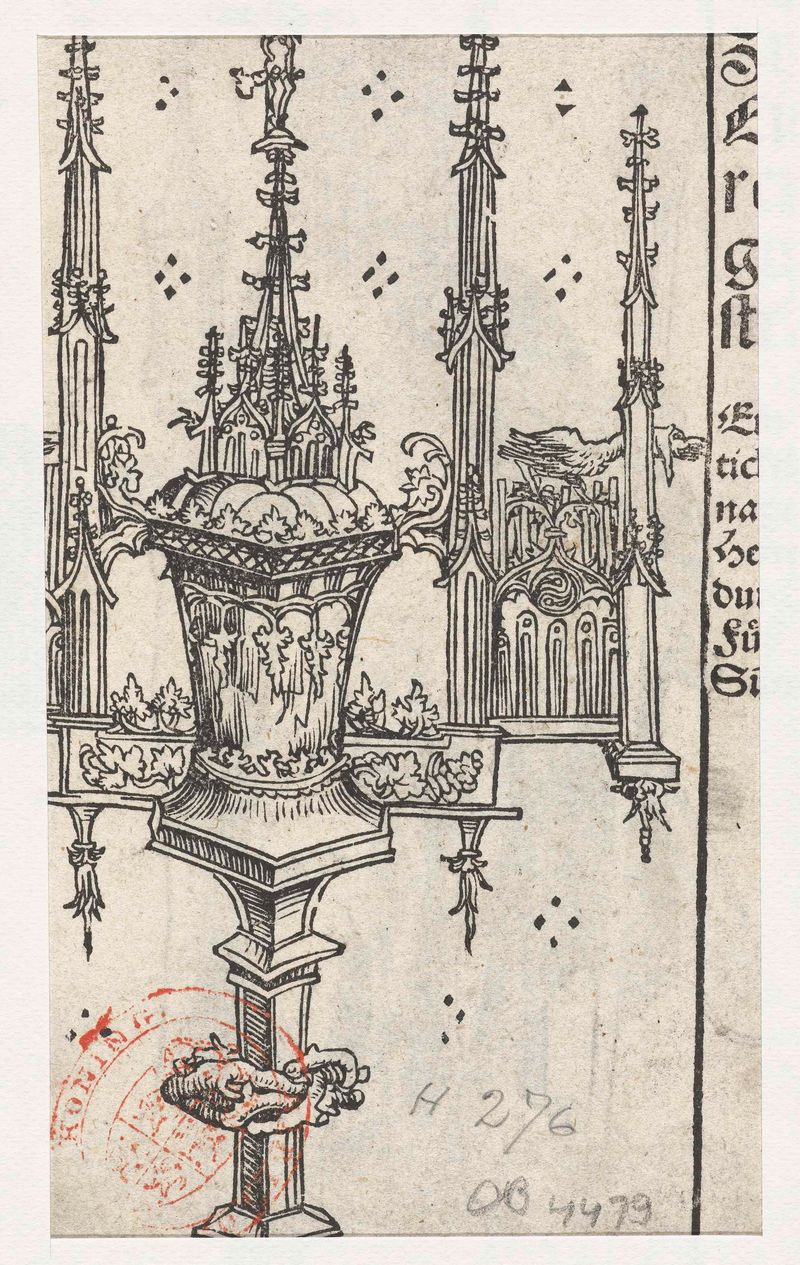
Monstrans met vogel (pelikaan)
Lucas Cranach (I)
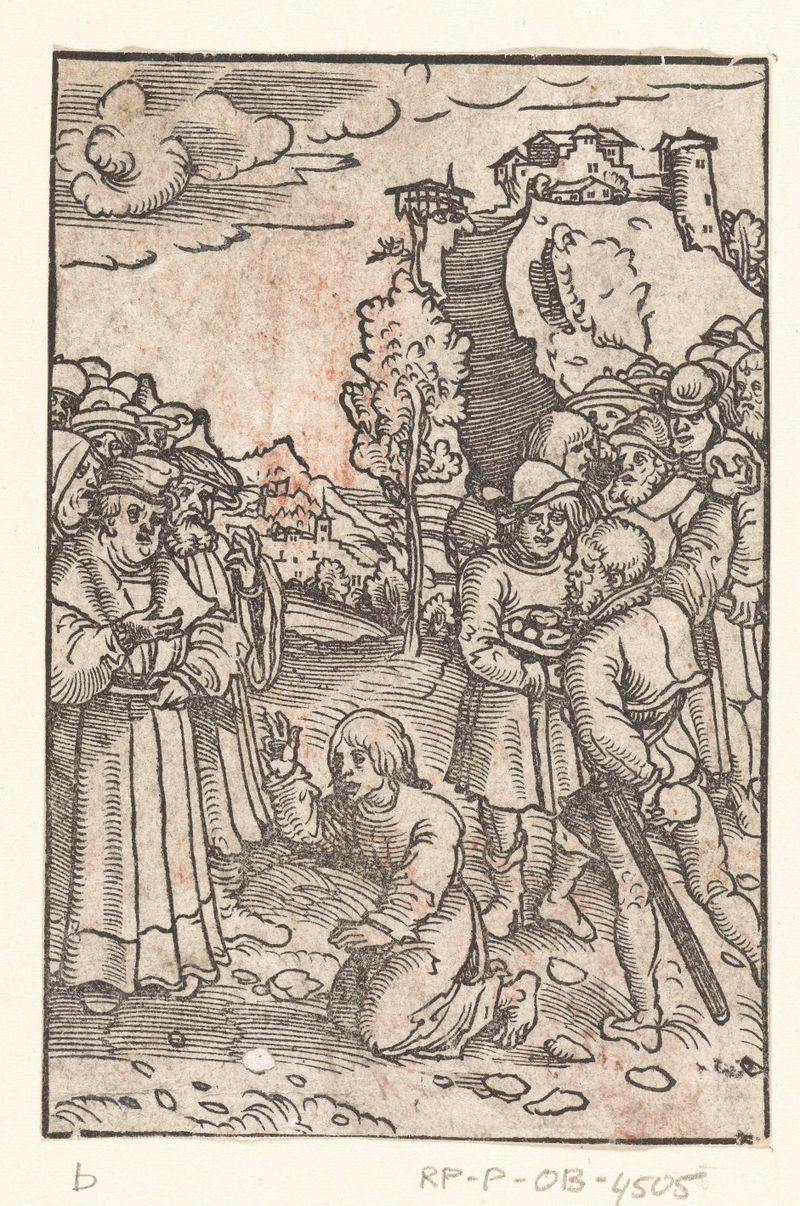
Steniging van Stefanus
Lucas Cranach (I)
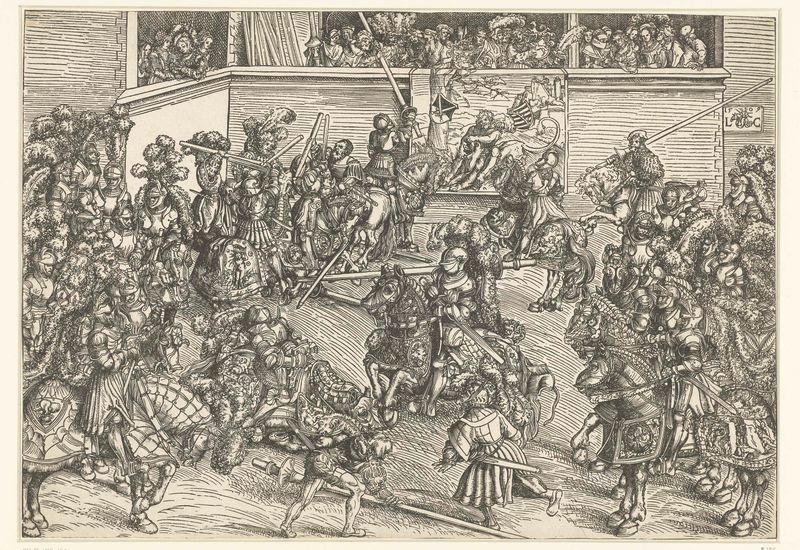
Toernooi van het keurvorstelijk hof van Saksen met wandtapijt Simson doodt de leeuw
Lucas Cranach (I)
More Religious Art
Browse all →
The Return of the Prodigal Son
Rembrandt van Rijn

The Garden of Earthly Delights
El Bosco

Count Orgaz’ funeral
El Greco

The Hundred Guilder Print: the central piece with Christ preaching, the plate arched
Rembrandt van Rijn

The Descent from the Cross
Rogier van der Weyden

The return of the prodigal son
Rembrandt van Rijn