
Béguinage à Louvain (sous la neige) — History & Facts
Here, in the stillness of a snow-laden landscape, the weight of unspoken violence hangs in the air, contrasting the serene beauty of a winter’s day. What do we see beneath the surface of tranquility? Look to the foreground where a cluster of nuns, their habits cloaked in white, seem to disappear into the snowy expanse. Notice the gentle brushstrokes that envelop them in soft light, creating an ethereal quality that belies the tension lurking beneath.
As your gaze travels to the background, the architectural details of the Béguinage stand resolute against a pale sky, their rigid lines juxtaposed with the fluidity of the snow-covered ground, suggesting both peace and confinement. Taelemans uses a muted palette, dominated by shades of white and gray, accentuated with subtle hints of blue, evoking both calm and the chilling whisper of suppressed emotions. Delve deeper into the composition and observe the contrasts of light and shadow that dance across the canvas. The stark whiteness of the snow can evoke purity, yet it also serves as a metaphorical blanket hiding darker truths.
The nuns’ placid demeanors suggest a life of devotion, yet their posture hints at an undercurrent of tension. What violence brews beneath their composed exteriors? The weight of tradition can be as oppressive as the heavy snow, and within this delicate balance lies a complex narrative of devotion and restraint. In 1923, Béguinage à Louvain (sous la neige) emerged from the brush of Jean-François Taelemans, a time when Europe was still grappling with the aftermath of the Great War. Living in Belgium, Taelemans was acutely aware of the socio-political shifts around him, as well as the evolving landscape of art that began to embrace a more introspective exploration of themes.
His work reflects both the serenity and the unspoken turbulence of a world in transition, capturing a fragile moment suspended between calm and chaos.
More Artworks by Jean-François Taelemans
Browse all →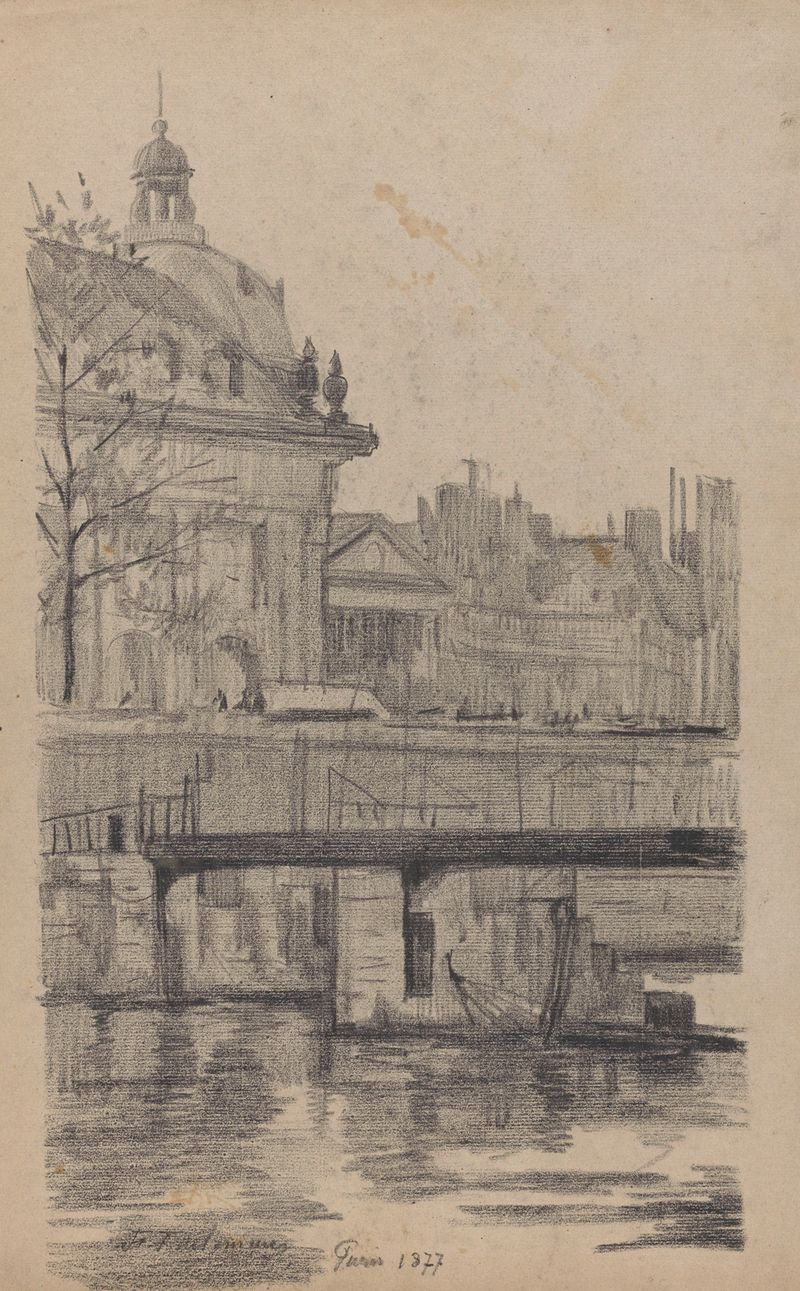
Paris (vue de la Seine et du Collège des Quatre Nations (actuellement siège de l’Institut de France)
Jean-François Taelemans
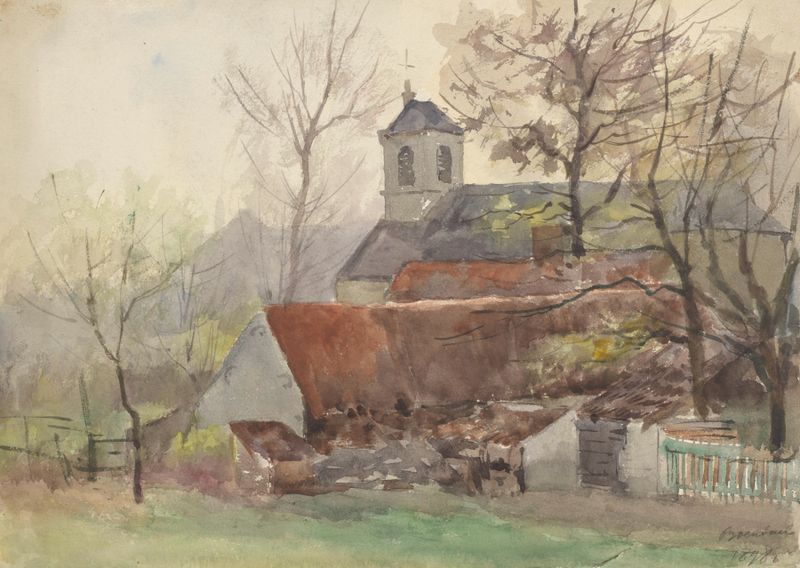
Boendael (église)
Jean-François Taelemans
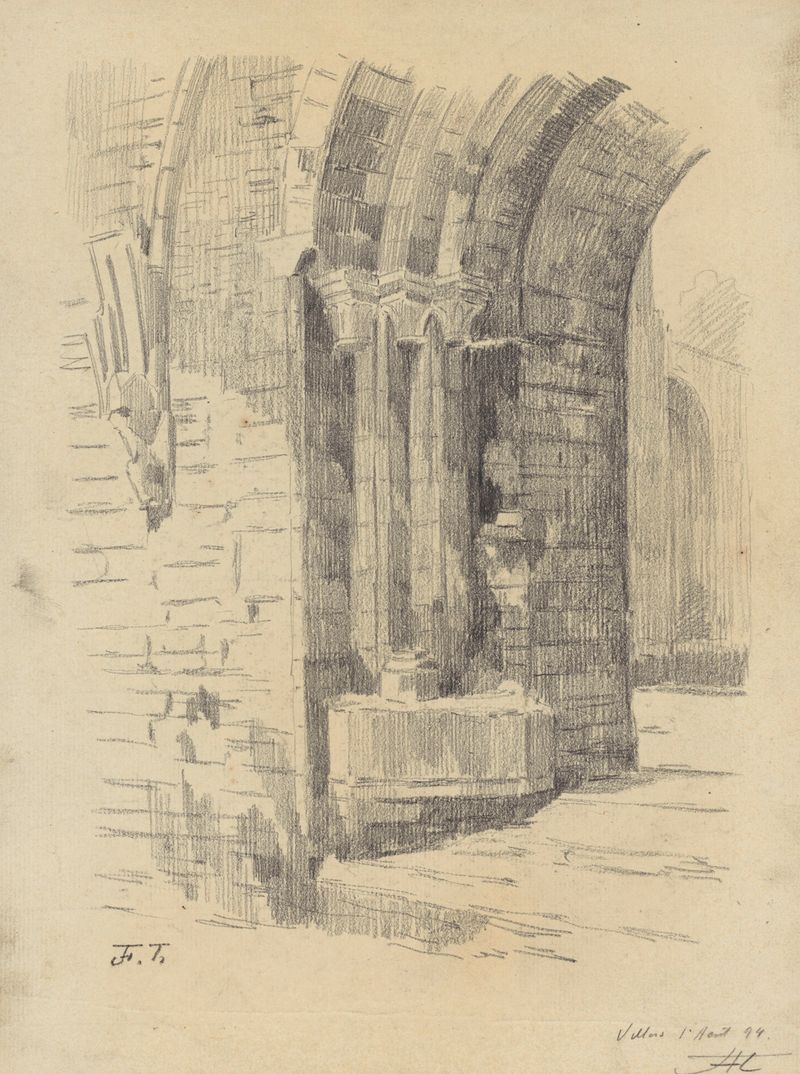
Ruines de l’abbaye de Villers-la-Ville – porche entre le cloître et l’église abbatiale (côté droit)
Jean-François Taelemans
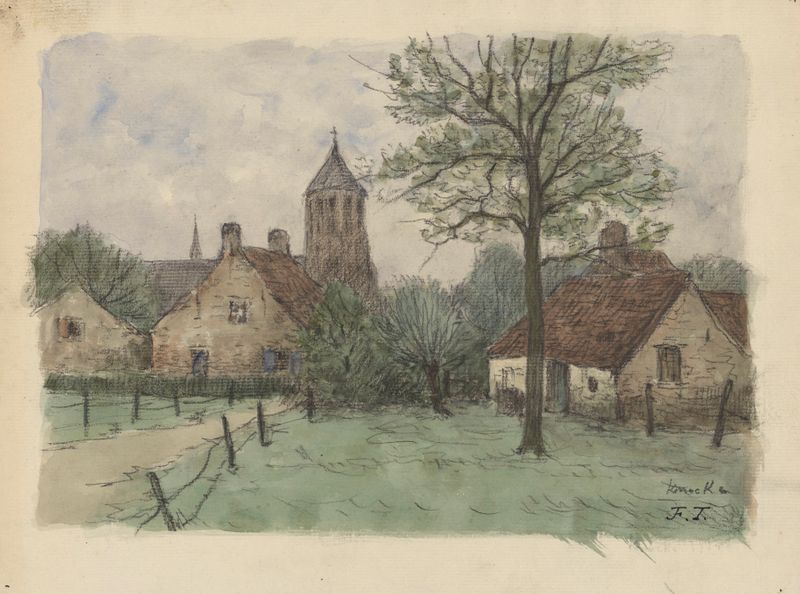
Village et église Sint Margaretha à Knocke
Jean-François Taelemans
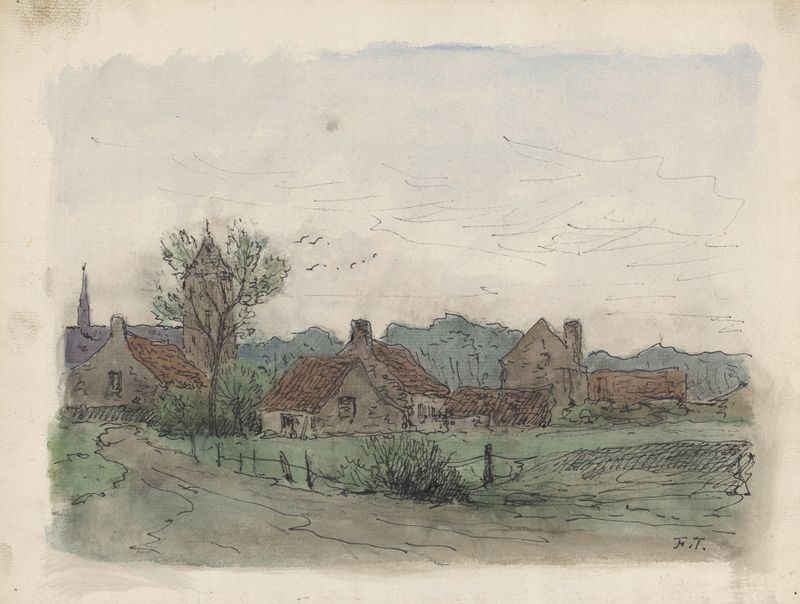
Village
Jean-François Taelemans
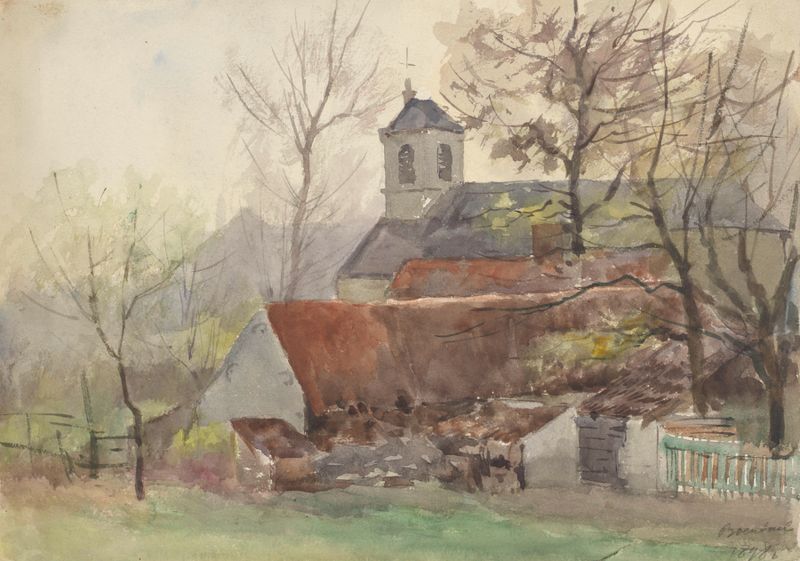
Boendael (église)
Jean-François Taelemans
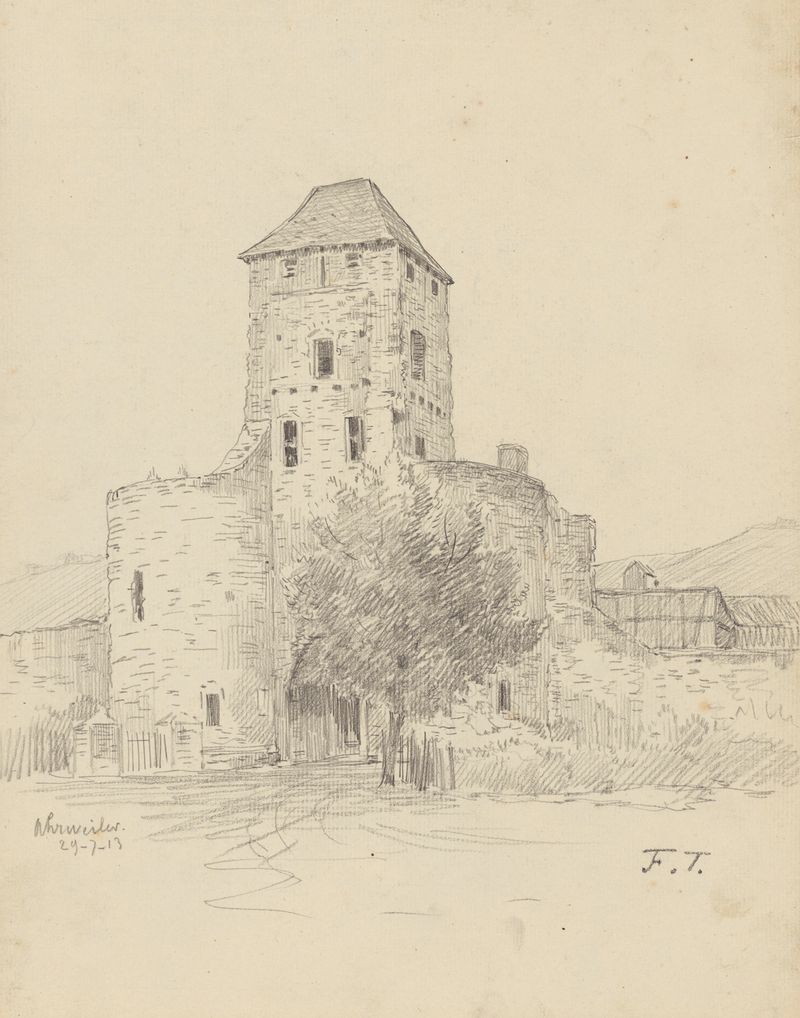
Vieille tour (porte) à Ahrweiler (Allemagne)
Jean-François Taelemans
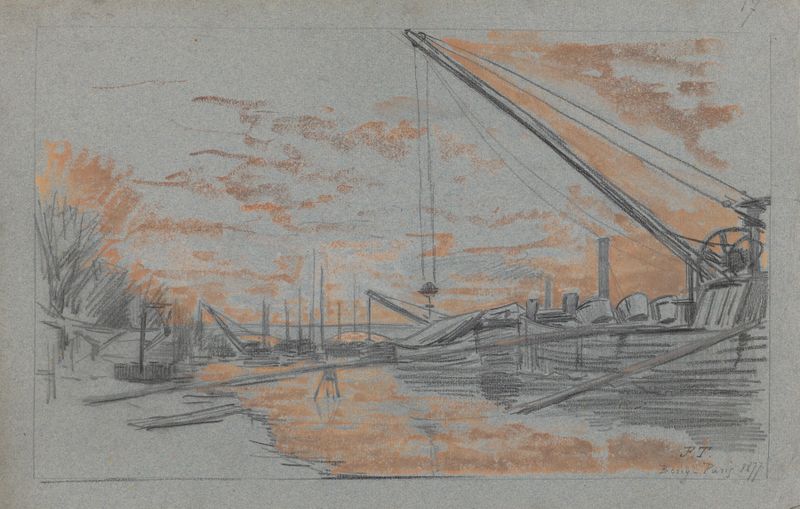
Bercy – Paris (bord de Seine avec chalands à l’ancre en cours de chargement, soleil couchant)
Jean-François Taelemans
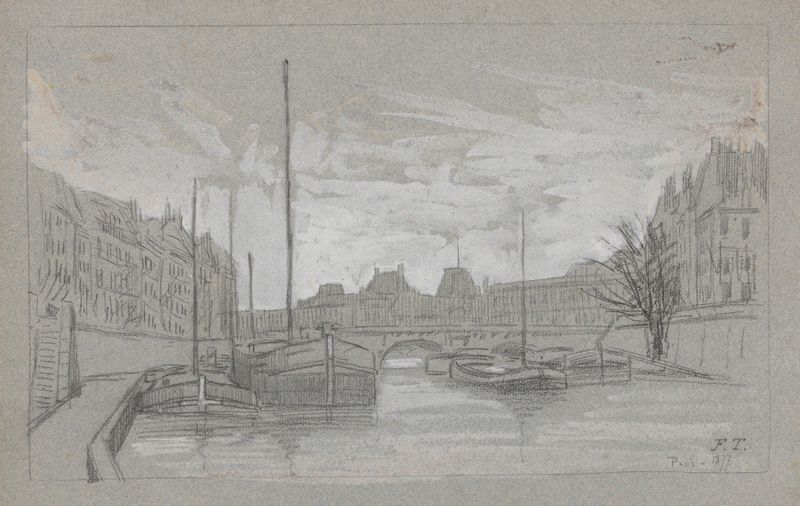
Paris (bateaux sur la Seine près d’un pont)
Jean-François Taelemans
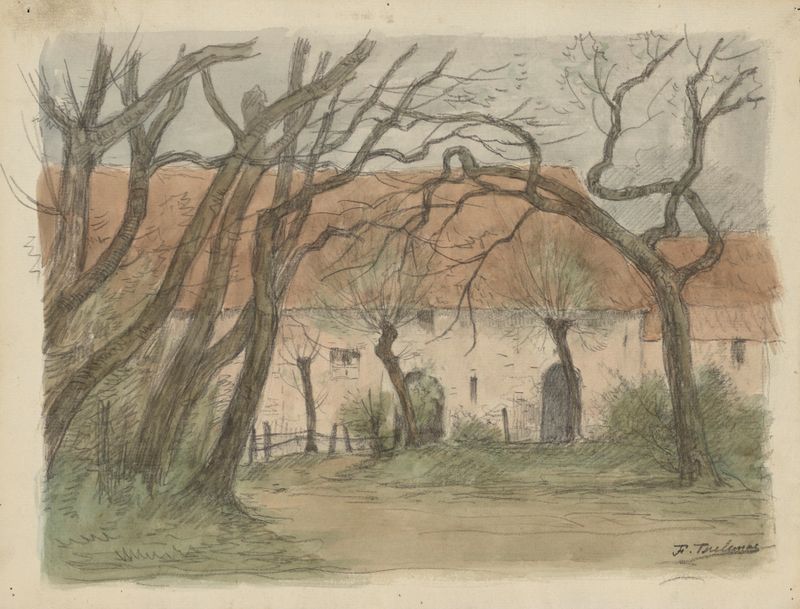
Grande maison campagnarde derrière un bouquet d’arbres
Jean-François Taelemans





