
Böhmerwald — History & Facts
Could beauty survive in a century of chaos? In Böhmerwald, the artist whispers a resounding yes, capturing a fragile truth that defies tumultuous realities. Focus on the verdant expanse in the foreground, where vibrant greens bloom with vitality against the backdrop of shadowy trees. The interplay of light and dark creates a sense of depth and invites the viewer’s eye to journey through a tranquil forest scene. Notice how the dappled sunlight filters through the leaves, casting gentle patterns on the forest floor, illuminating hidden paths that beckon exploration.
The careful brushwork evokes a sense of movement, as if the viewer can almost hear the rustle of leaves and feel the cool breeze that stirs the atmosphere. Within the serene beauty lies a subtle tension; the lush wilderness hints at both serenity and untamed chaos. The balance between light and shadow suggests an underlying struggle, a reminder that peace often coexists with darkness. The delicate details of the foliage, meticulously rendered, symbolize resilience in the face of adversity, reflecting a world grappling with the aftermath of upheaval as nature endures. Ferdinand Engelmüller created Böhmerwald in 1902, during a time marked by rapid industrial change and cultural shifts in Europe.
Straddling the line between the traditional and the modern, he found solace in the untouched beauty of the Bohemian forest, a personal refuge amidst the clamor of urban life and the evolving art world. This painting not only captures a moment in nature but also serves as a poignant commentary on the resilience of beauty in a world at odds with itself.
More Artworks by Ferdinand Engelmüller
Browse all →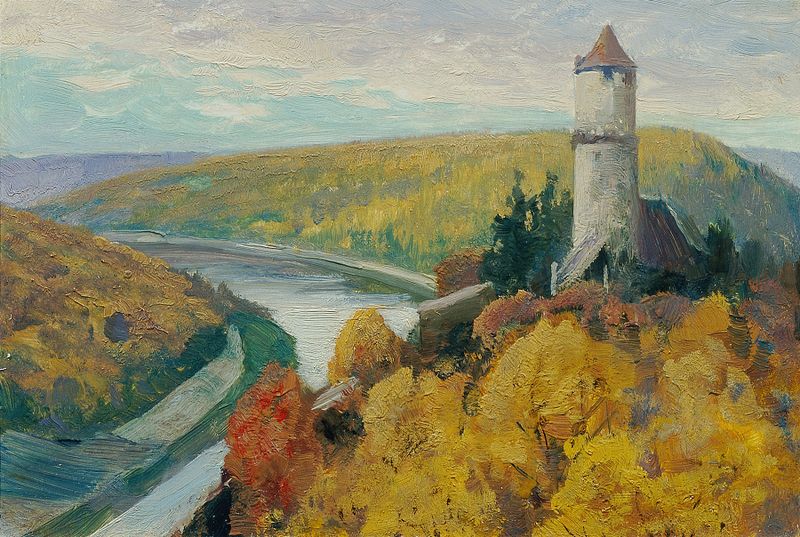
Moldau
Ferdinand Engelmüller
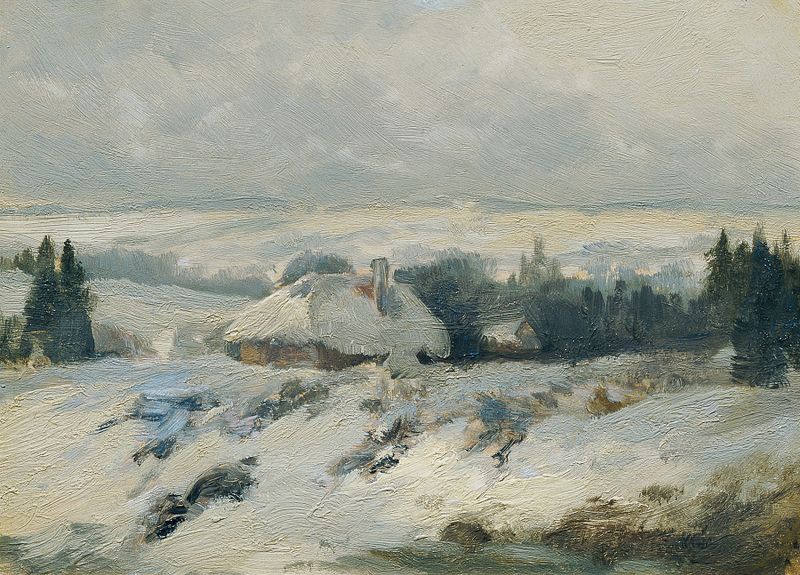
Böhmisch-Mährische Höhe
Ferdinand Engelmüller
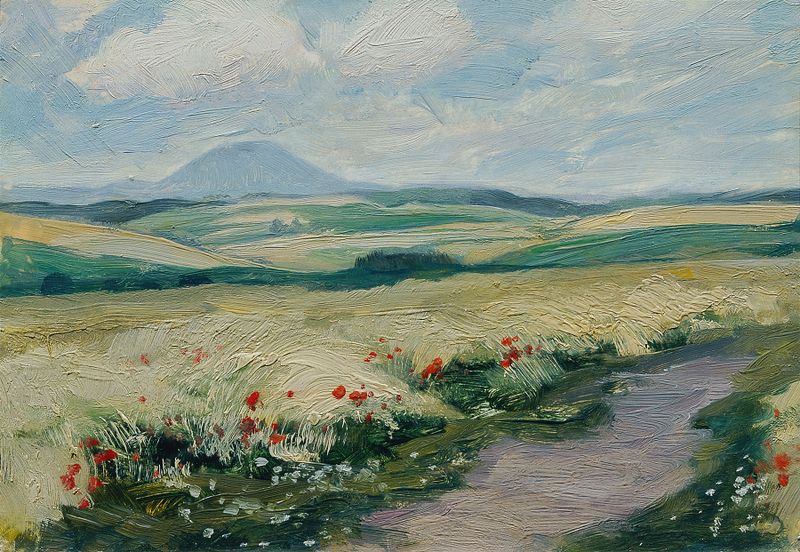
Podřipsko
Ferdinand Engelmüller

Riesengebirge
Ferdinand Engelmüller

Prachauer Felsen
Ferdinand Engelmüller

Böhmerwald
Ferdinand Engelmüller
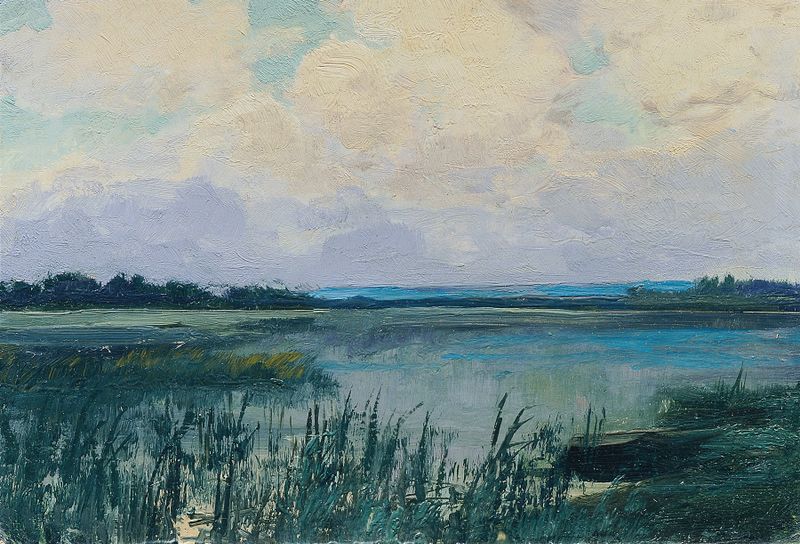
Wittingau
Ferdinand Engelmüller

Táborsko
Ferdinand Engelmüller
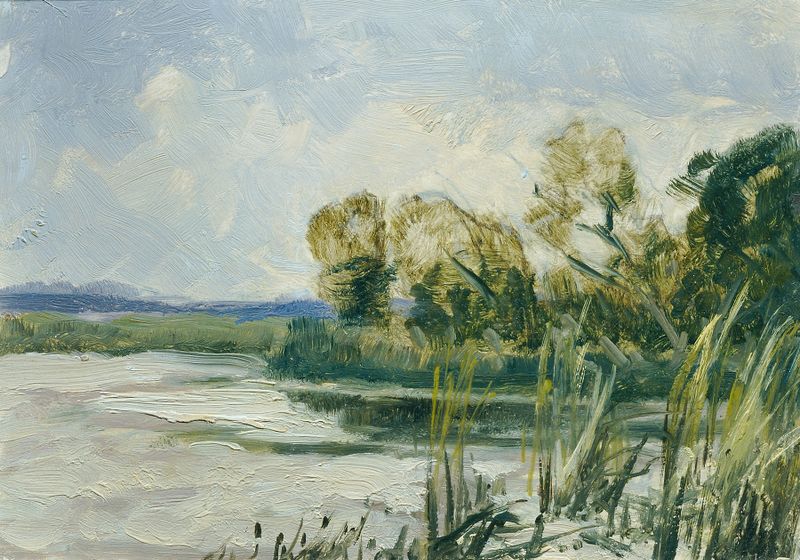
Wittingau
Ferdinand Engelmüller
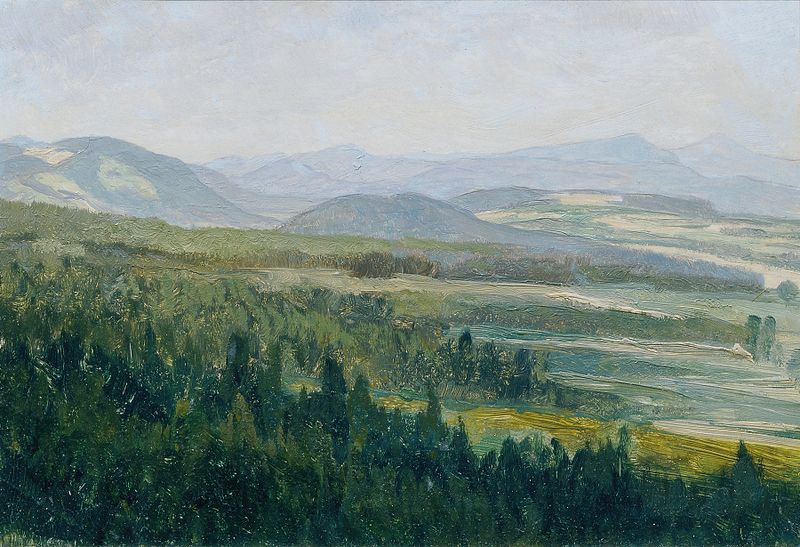
Böhmisches Mittelgebirge
Ferdinand Engelmüller





