
Wittingau — History & Facts
Time, relentless and unyielding, weaves through our lives in ways we often fail to see. Look closely at the intricate textures and delicate brushwork that cover the surface of this work. The muted palette of greens and browns invites a sense of nostalgia, while the gentle interplay of light and shadow suggests a fleeting moment captured in time. Notice how the composition draws the eye toward the horizon, where the landscape’s contours blur into a dreamy ambiguity, hinting at both tranquility and transience. Beneath its tranquil surface lies a tension between permanence and impermanence.
The golden hues that seem to catch the light evoke both the warmth of cherished memories and the bittersweet sting of their passing. The juxtaposition of solidity in the foreground against the ephemeral softness of the sky serves as a metaphor for our human experience—how joy and sorrow coexist within the same frame of existence. Ferdinand Engelmüller painted this piece in 1902 while living in Austria, a time when artists were exploring new ways to express emotion through color and form. The late 19th and early 20th centuries were marked by a transition from traditional styles to more innovative approaches.
As the world was evolving, so too was Engelmüller’s understanding of beauty, inviting viewers to ponder the deeper meanings that lie beneath the surface of art and life.
More Artworks by Ferdinand Engelmüller
Browse all →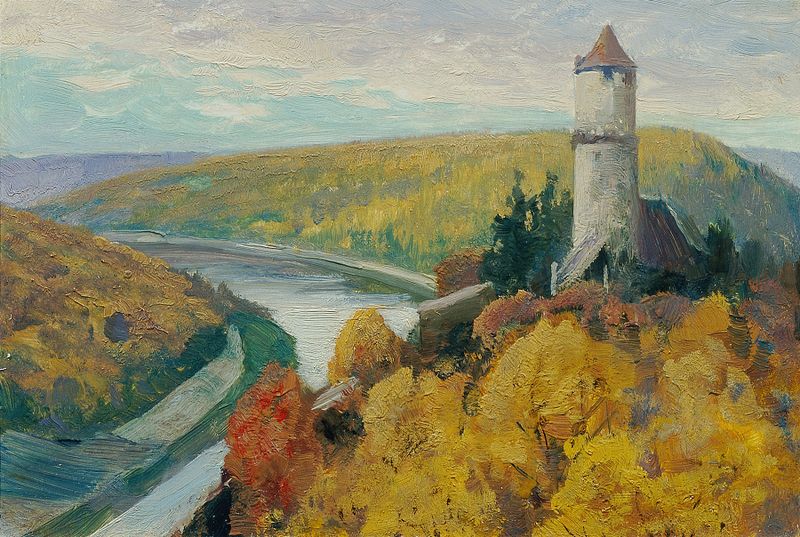
Moldau
Ferdinand Engelmüller
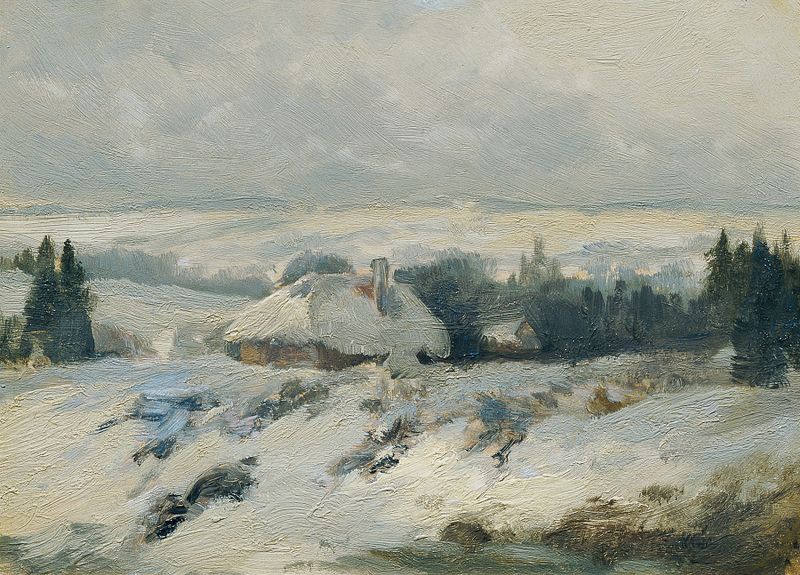
Böhmisch-Mährische Höhe
Ferdinand Engelmüller
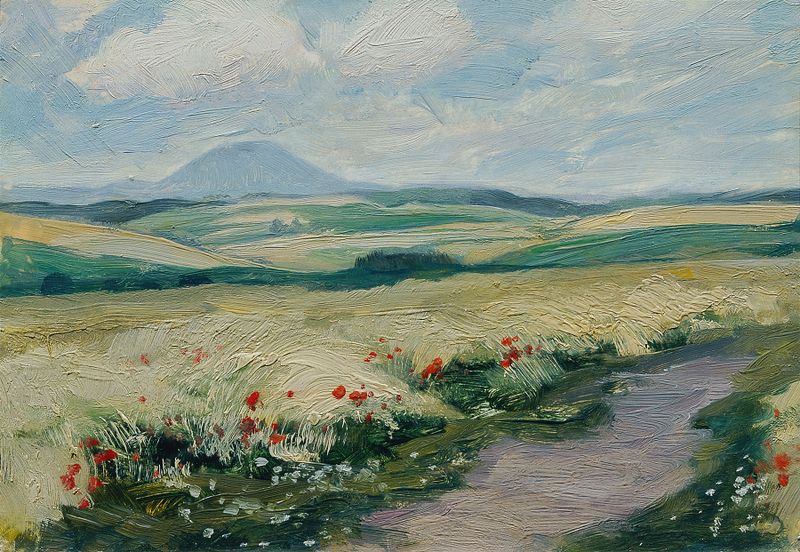
Podřipsko
Ferdinand Engelmüller

Riesengebirge
Ferdinand Engelmüller

Prachauer Felsen
Ferdinand Engelmüller

Böhmerwald
Ferdinand Engelmüller

Táborsko
Ferdinand Engelmüller
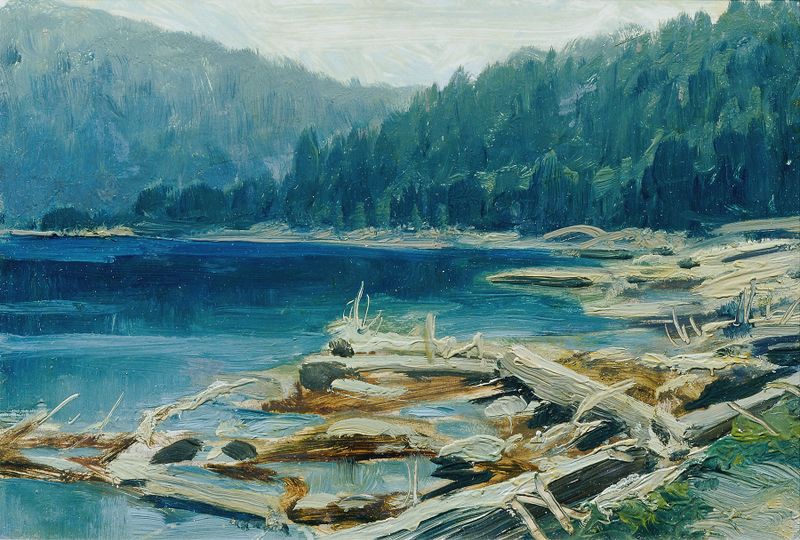
Böhmerwald
Ferdinand Engelmüller
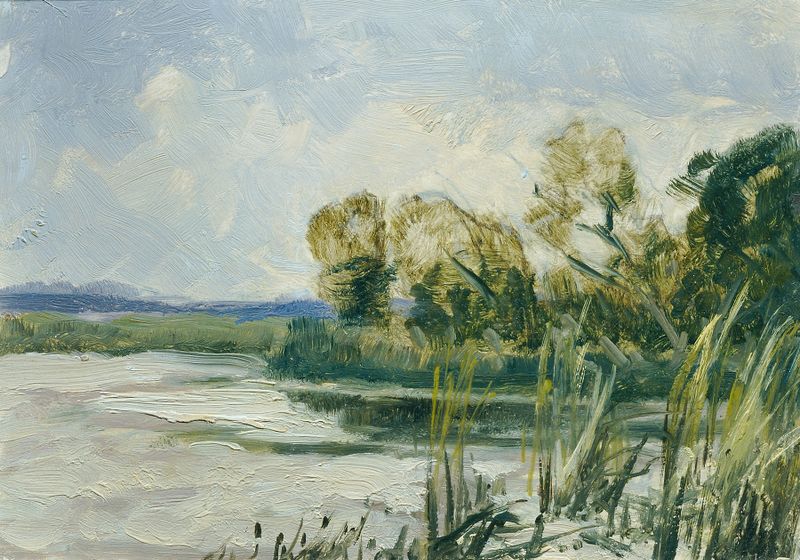
Wittingau
Ferdinand Engelmüller
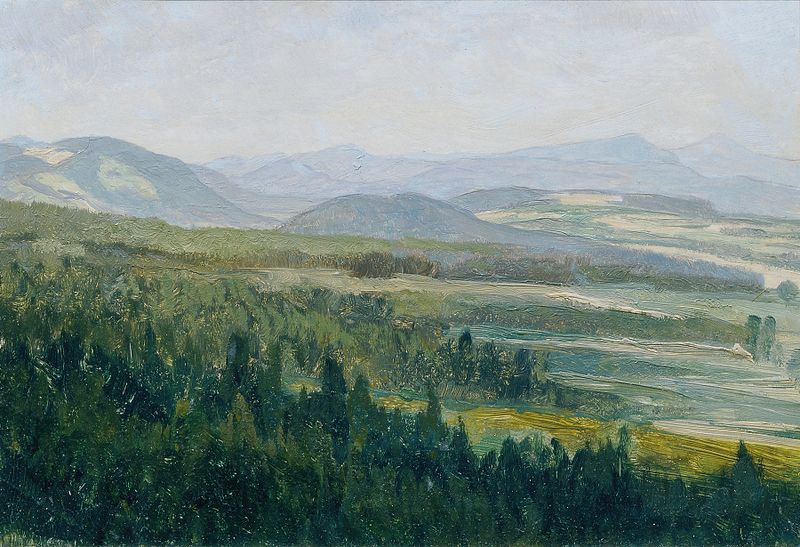
Böhmisches Mittelgebirge
Ferdinand Engelmüller





