
Podřipsko — History & Facts
Is this a mirror — or a memory? In Podřipsko, the viewer is invited to traverse a landscape touched by a melancholic stillness, where every hue seems to echo the weight of longing. Look to the left at the deep green hills, their gentle slopes enveloped in shadow, which create a striking contrast with the soft, golden light spilling across the foreground. The horizon stretches wide, inviting a sense of vastness, while the muted sky, laced with wispy clouds, hints at an impending change. Notice how the brushwork varies — from the delicate strokes that define the trees to the bold swathes of color that suggest the rugged terrain, each choice reveals the artist's intent to evoke a poignant sense of place, steeped in emotional resonance. As you linger, consider the subtle interplay between light and shadow, reflecting not just the physical landscape but also the inner landscape of grief.
The vibrant greens symbolize life and renewal, yet they are underscored by the shadows that hint at loss, creating an emotional tension that runs deep beneath the surface. The distant hills seem to cradle the viewer's sorrow, while the light breaking through the clouds suggests a flicker of hope, capturing the essence of memory — both beautiful and painful. Ferdinand Engelmüller painted Podřipsko in 1902, during a time when he was emerging as a notable figure in Czech landscape painting. The early 20th century was marked by a shift towards more personal and emotive expressions in art, as traditional forms began to give way to modern interpretations of life and nature.
Engelmüller’s work from this period reflects both the beauty of his homeland and the complexities of human experience, rooted in a world on the brink of change.
More Artworks by Ferdinand Engelmüller
Browse all →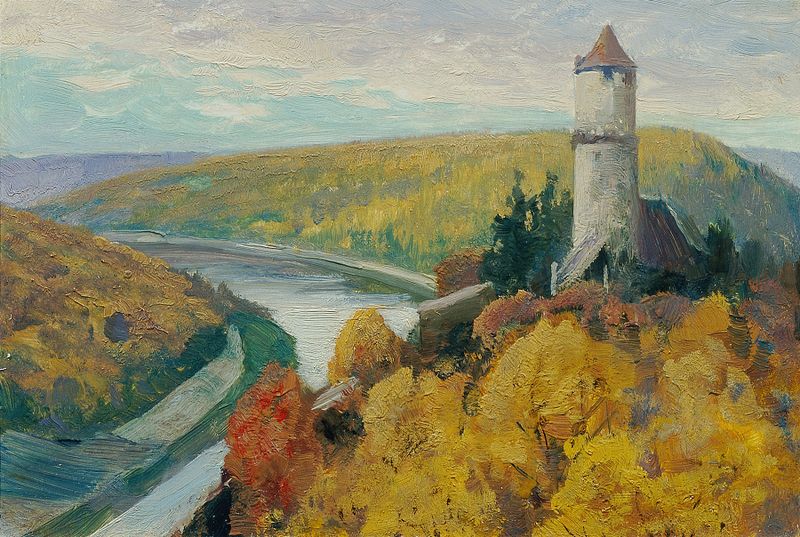
Moldau
Ferdinand Engelmüller
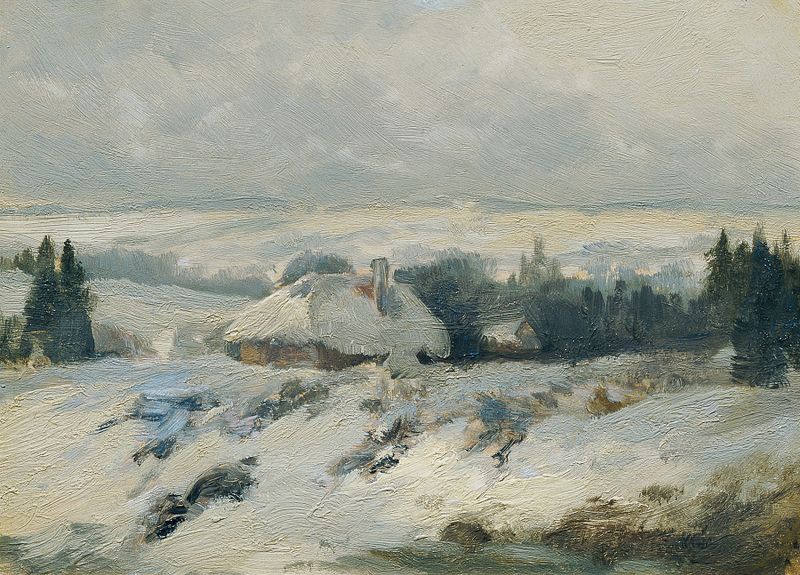
Böhmisch-Mährische Höhe
Ferdinand Engelmüller

Riesengebirge
Ferdinand Engelmüller

Prachauer Felsen
Ferdinand Engelmüller

Böhmerwald
Ferdinand Engelmüller
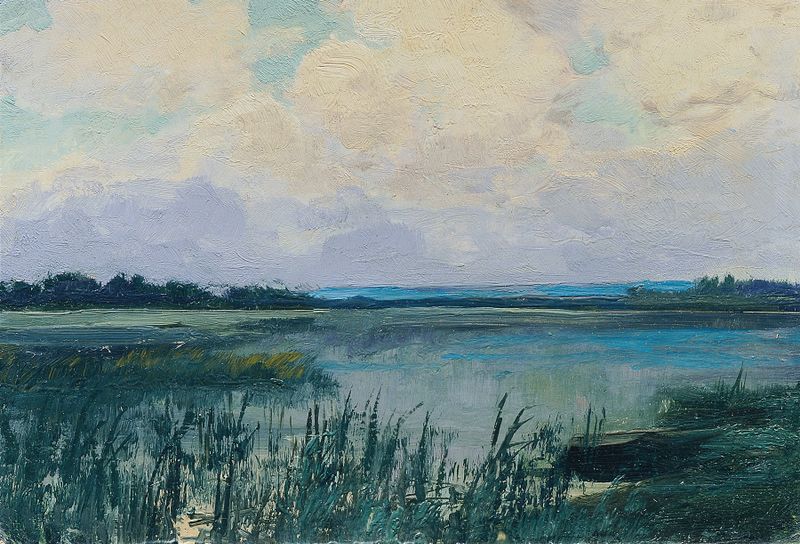
Wittingau
Ferdinand Engelmüller

Táborsko
Ferdinand Engelmüller
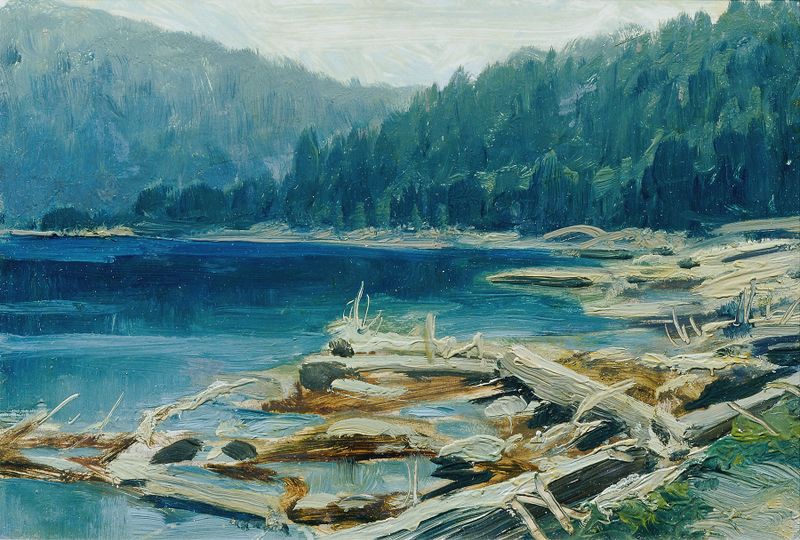
Böhmerwald
Ferdinand Engelmüller
Wittingau
Ferdinand Engelmüller
Böhmisches Mittelgebirge
Ferdinand Engelmüller





