
Wittingau — History & Facts
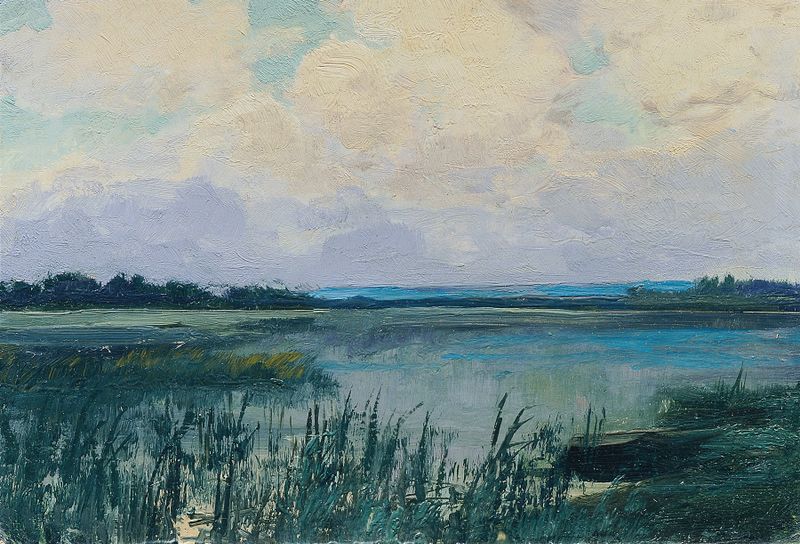
What if beauty was never meant to be finished? In the fleeting echoes of memory, we find that every brushstroke tells a story that lingers, even as it fades. Look to the center of Wittingau, where a tranquil river flows, its surface reflecting the soft hues of dawn. Notice how the artist employs delicate strokes to capture the fleeting light, bathing the scene in a gentle golden glow. The trees stand sentinel along the banks, their leaves painted in soft greens and browns, lending an air of serenity that invites the viewer to step closer.
The composition guides our gaze, leading us through the verdant landscape toward the distant hills, inviting exploration of a world both familiar and elusive. Delve deeper into the subtle tensions within the painting: the stillness of the water contrasts with the whisper of wind in the trees, evoking a sense of longing for what once was. The playful interplay of light and shadow serves as a metaphor for memory itself—fragmented yet beautiful, vibrant yet fading. Each element, from the gentle ripples in the water to the distant mountains, reflects the transient nature of our experiences, suggesting that every moment, like this scene, is a mosaic of both clarity and obscurity. In 1902, Ferdinand Engelmüller created Wittingau during a period of burgeoning artistic exploration in Europe.
Living in Austria, he was influenced by the rich traditions of the landscape genre while embracing the emotional resonance of the Impressionist movement. At this time, artists sought to capture the essence of nature and memory, leading to a profound shift in how beauty was represented, forever altering the trajectory of modern art.
More Artworks by Ferdinand Engelmüller
Browse all →
Moldau
Ferdinand Engelmüller
Böhmisch-Mährische Höhe
Ferdinand Engelmüller
Podřipsko
Ferdinand Engelmüller

Riesengebirge
Ferdinand Engelmüller

Prachauer Felsen
Ferdinand Engelmüller

Böhmerwald
Ferdinand Engelmüller
Wittingau
Ferdinand Engelmüller

Táborsko
Ferdinand Engelmüller
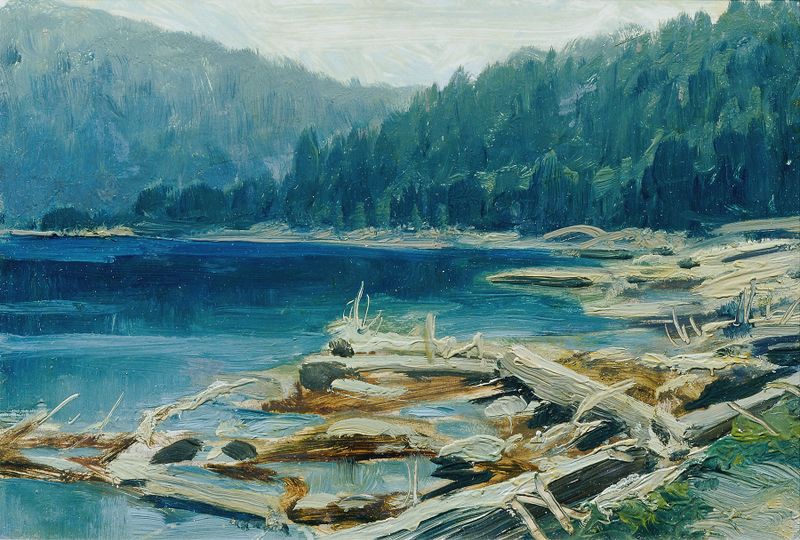
Böhmerwald
Ferdinand Engelmüller
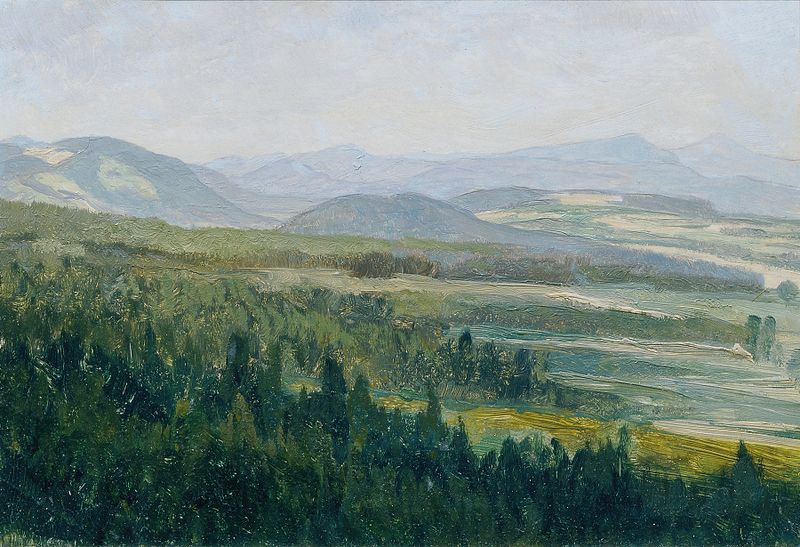
Böhmisches Mittelgebirge
Ferdinand Engelmüller





