
Moldau — History & Facts
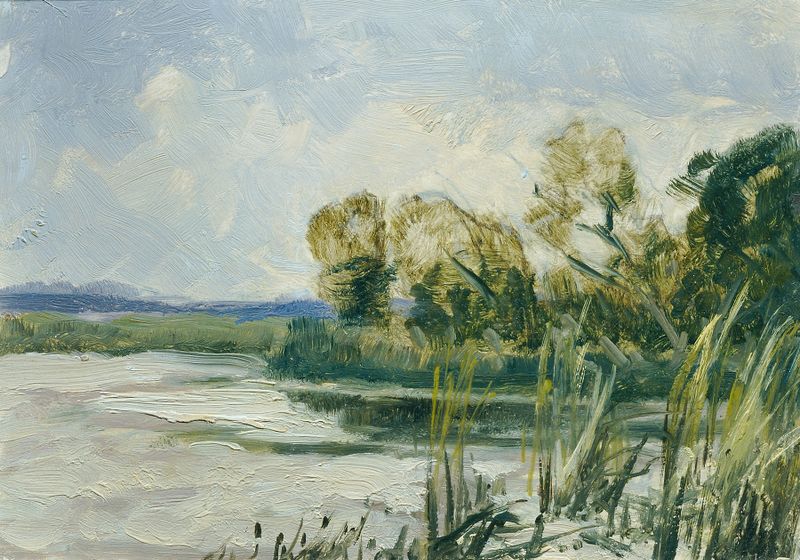
Did the painter know this moment would outlive them? In Moldau, echoes of time linger, capturing a fleeting beauty that teeters on the brink of decay. Focus on the gentle curve of the river, guiding your gaze along its shimmering surface. Notice how the light dances on the water, creating a symphony of reflections that play against the rich greens and browns of the surrounding landscape. Each brushstroke reveals a meticulous craftsmanship, with soft yet defined edges that blend the natural elements into a harmonious whole.
The colors, both vibrant and muted, evoke a sense of nostalgia, inviting viewers to immerse themselves in the tranquility of the scene. Explore the emotional contrasts present within the composition. The serene beauty of the flowing river stands in stark juxtaposition to hints of decay—fallen branches and crumbling foliage remind us of nature’s relentless cycle. This duality evokes a poignant awareness of time’s passage, suggesting both the fleeting nature of beauty and the inevitability of decline.
It speaks to a universal theme: even in moments of splendor, whispers of decay persist, urging us to cherish what we have before it slips away. Engelmüller created Moldau in 1902 while living in Vienna, a period marked by artistic experimentation and a burgeoning appreciation for landscape painting. During this time, Europe was on the cusp of profound change, with the effects of industrialization beginning to reshape society and nature alike. Engelmüller's work captures a serene yet poignant moment, reflecting both the beauty of the natural world and a subtle acknowledgment of its fragility.
More Artworks by Ferdinand Engelmüller
Browse all →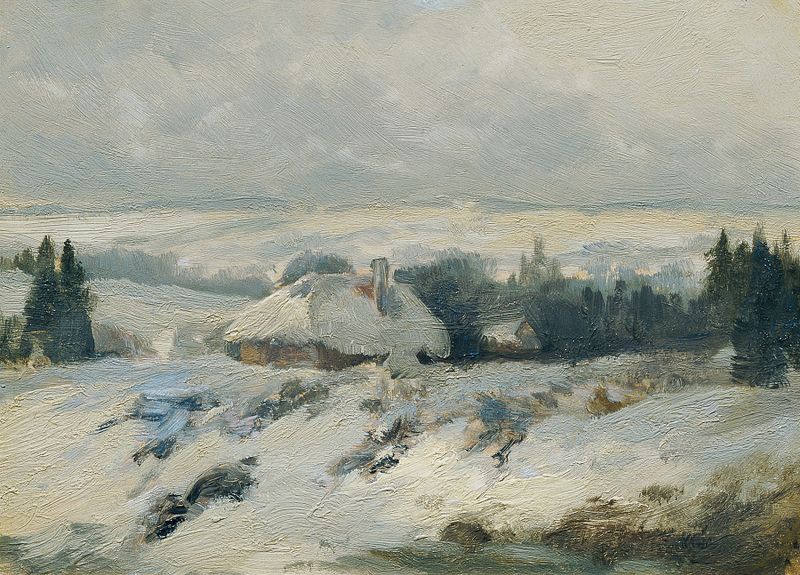
Böhmisch-Mährische Höhe
Ferdinand Engelmüller
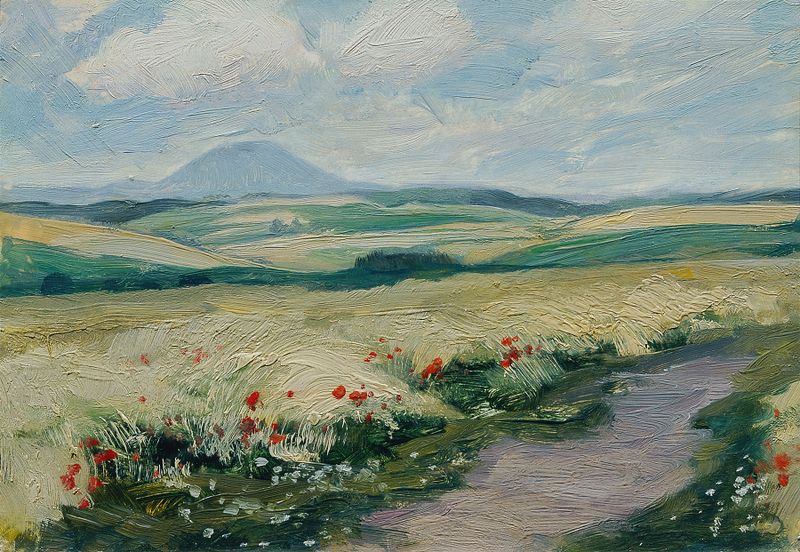
Podřipsko
Ferdinand Engelmüller

Riesengebirge
Ferdinand Engelmüller

Prachauer Felsen
Ferdinand Engelmüller

Böhmerwald
Ferdinand Engelmüller
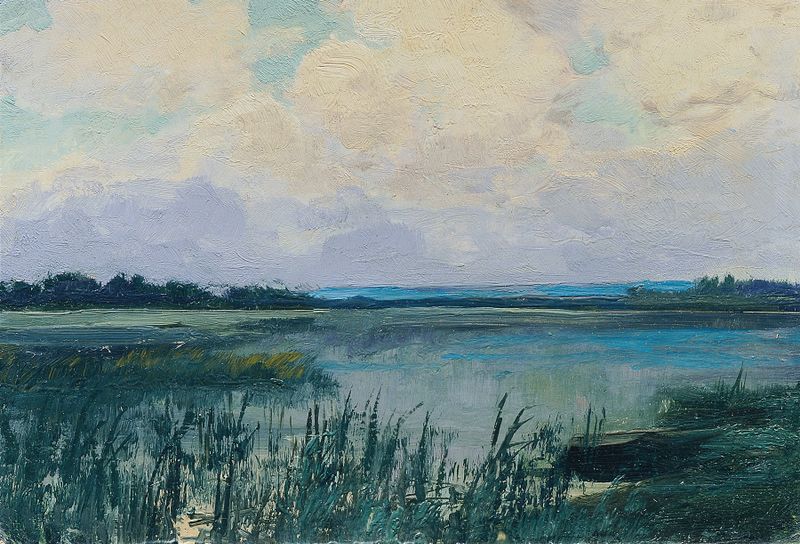
Wittingau
Ferdinand Engelmüller

Táborsko
Ferdinand Engelmüller
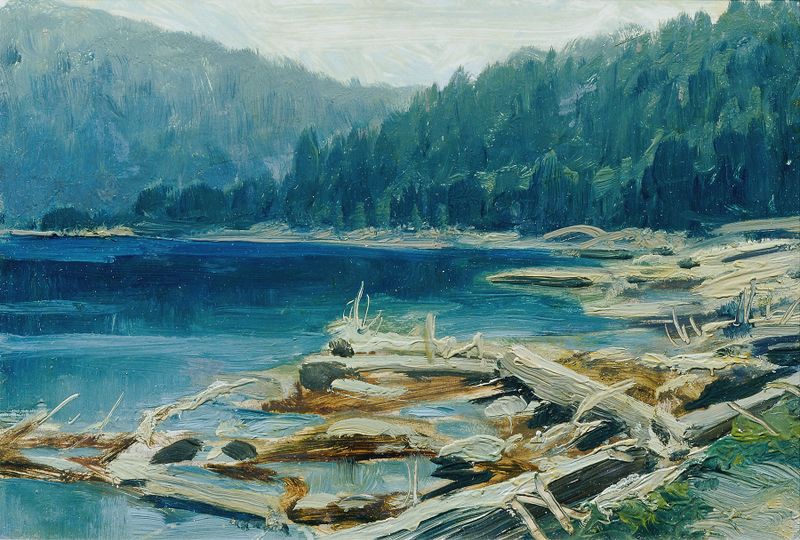
Böhmerwald
Ferdinand Engelmüller
Wittingau
Ferdinand Engelmüller
Böhmisches Mittelgebirge
Ferdinand Engelmüller





