
Riesengebirge — History & Facts
In the realm of art, melancholy often lingers in the vibrant hues, waiting to be unveiled. Focus on the tranquil foreground where soft greens and muted browns create a gentle landscape, drawing the eye toward the distant, imposing mountains. Notice how the artist’s brushwork imbues the scene with an ethereal light, illuminating the peaks as they recede into an inkling of blue haze. The interplay of color evokes a sense of both warmth and isolation, inviting contemplation of nature’s splendor juxtaposed with the human experience. Delve deeper into the layers of meaning behind this serene mountain scape.
The sharp contrasts between the luminous sky and the shadowed valleys suggest a complex relationship between hope and despair. Each brushstroke resonates with emotion, as if the mountains themselves carry the weight of untold stories, whispering secrets of solitude and the passage of time. A faint sense of nostalgia permeates the air, challenging viewers to reflect on their own connections to vast landscapes and the feelings they evoke. Engelmüller painted this work in 1902, a time when he was deeply entrenched in the artistic circles of Munich.
The early 20th century was a period of emotional exploration in art, marked by a shift towards personal expression. Emerging from a backdrop of naturalism, he sought to convey the inner turmoil and beauty of landscapes, channeling the zeitgeist of a world on the brink of change.
More Artworks by Ferdinand Engelmüller
Browse all →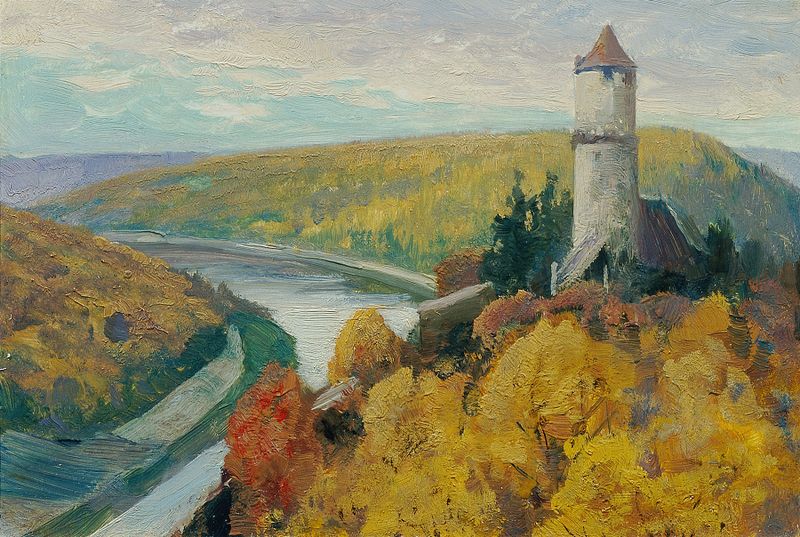
Moldau
Ferdinand Engelmüller
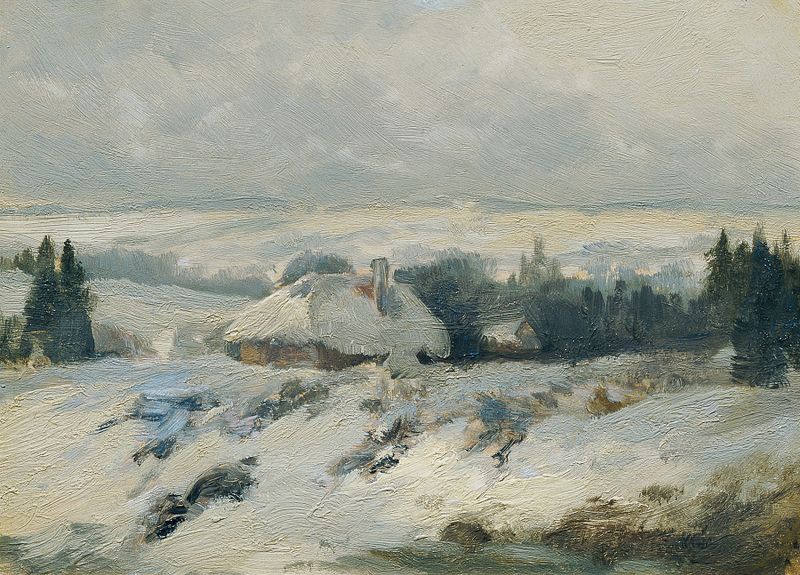
Böhmisch-Mährische Höhe
Ferdinand Engelmüller
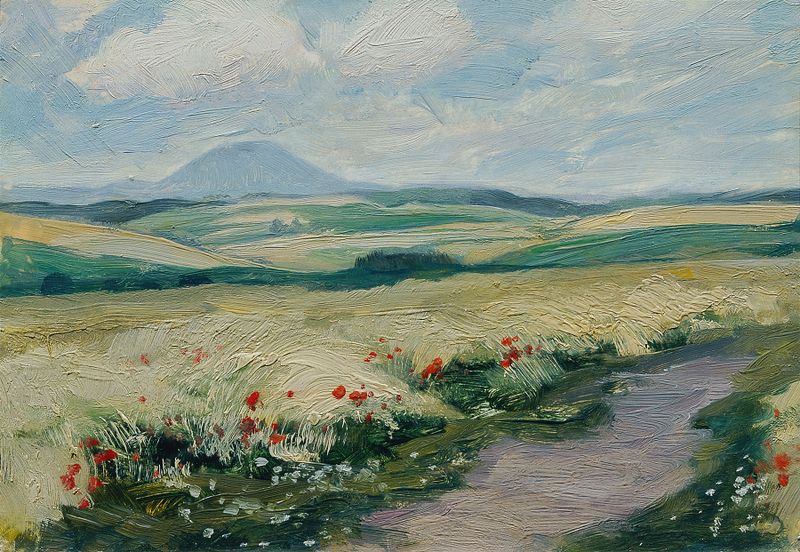
Podřipsko
Ferdinand Engelmüller

Prachauer Felsen
Ferdinand Engelmüller

Böhmerwald
Ferdinand Engelmüller
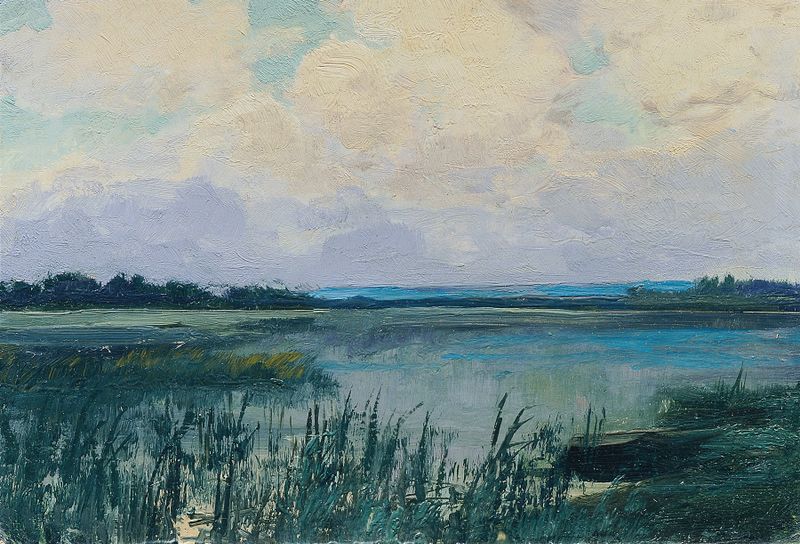
Wittingau
Ferdinand Engelmüller

Táborsko
Ferdinand Engelmüller
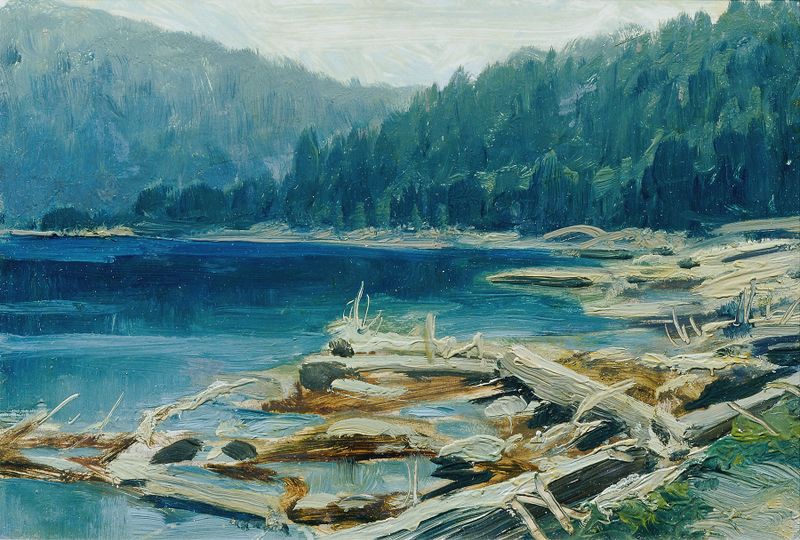
Böhmerwald
Ferdinand Engelmüller
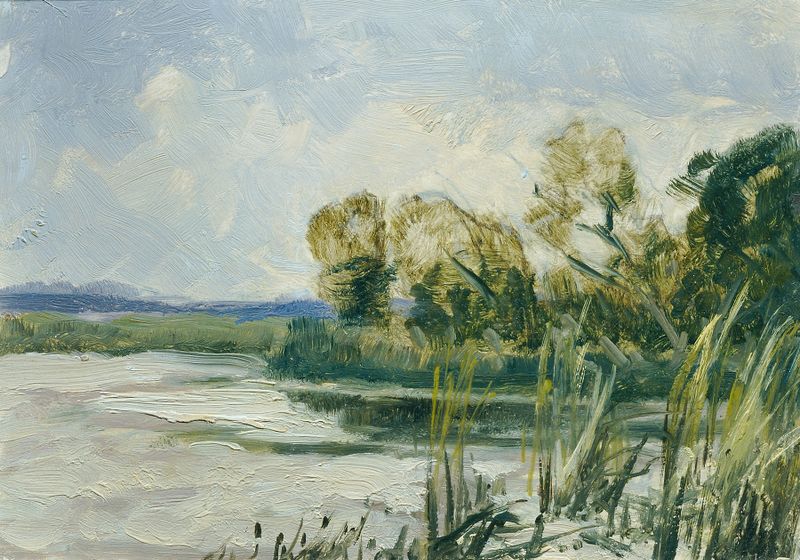
Wittingau
Ferdinand Engelmüller
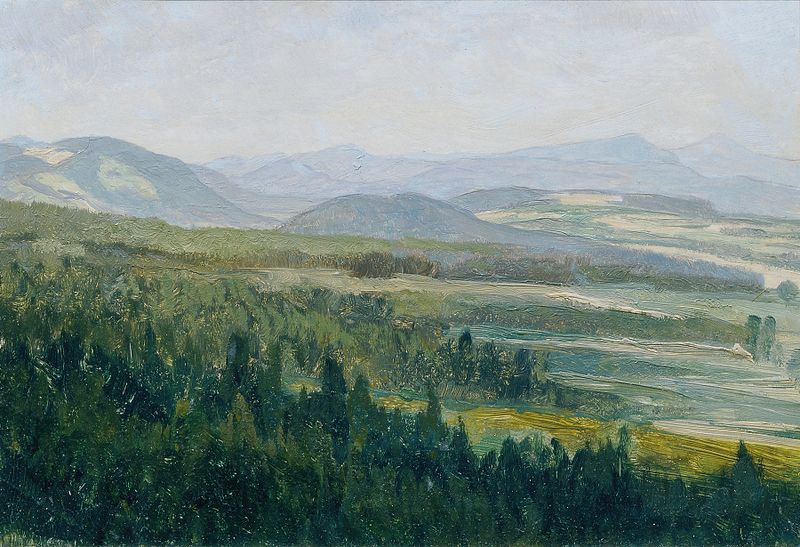
Böhmisches Mittelgebirge
Ferdinand Engelmüller





