
Bij Veere — History & Facts
Did the painter know this moment would outlive them? Bij Veere captures a fleeting world, a meditative pause on the brink of decay, where time seems both suspended and relentless. Look closely at the foreground, where the weathered wooden structures impose their aged silhouettes against a soft, whispering sky. Notice how the muted blues and faded browns harmonize, revealing the layers of history etched into each beam and plank. The play of light dances gently across the surfaces, drawing the eye to the subtle textures that speak of resilience amidst deterioration. As you absorb the scene, consider the contrast of life and decay.
The remnants of human labor stand defiantly against the encroaching natural elements, a poignant reminder of transience. Each stroke feels deliberate, as if the artist is inviting viewers to reflect on what it means to witness beauty in the throes of decline, with the stillness of water mirroring the solemnity of existence. Created in 1918, this work reflects a period of profound change in the artist’s life and the broader art world. Grondhout was painting in the Netherlands, a country still reeling from the impacts of World War I.
The era saw a shift towards modernism, with artists exploring new themes of identity and existence. This painting encapsulates both a personal and collective contemplation of the passage of time, capturing a moment of quiet introspection amidst a changing landscape.
More Artworks by Willem Adrianus Grondhout
Browse all →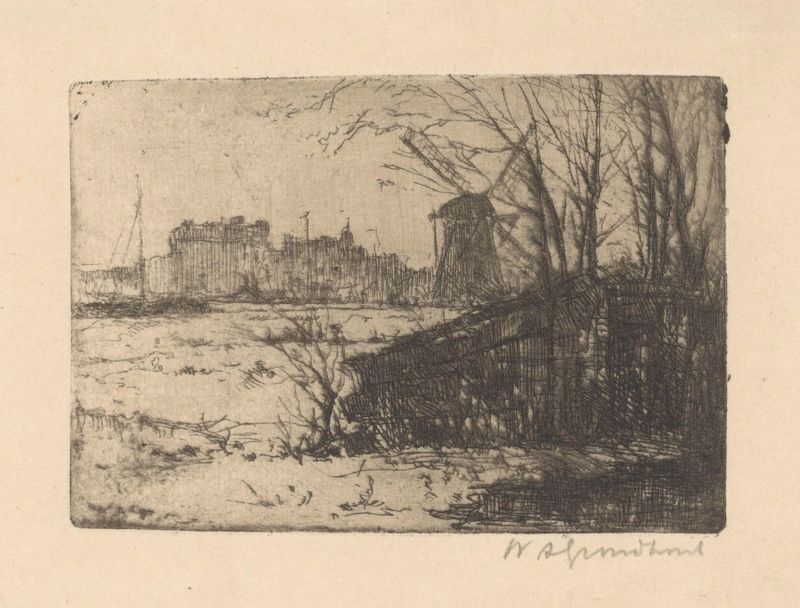
Landschap met molen in de Binckhorst in Den Haag
Willem Adrianus Grondhout
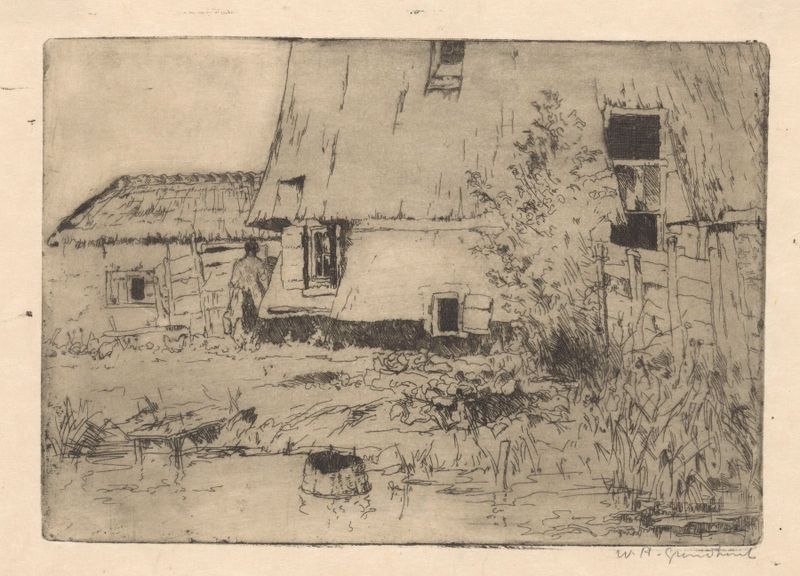
Voet van een molen in Voorburg
Willem Adrianus Grondhout
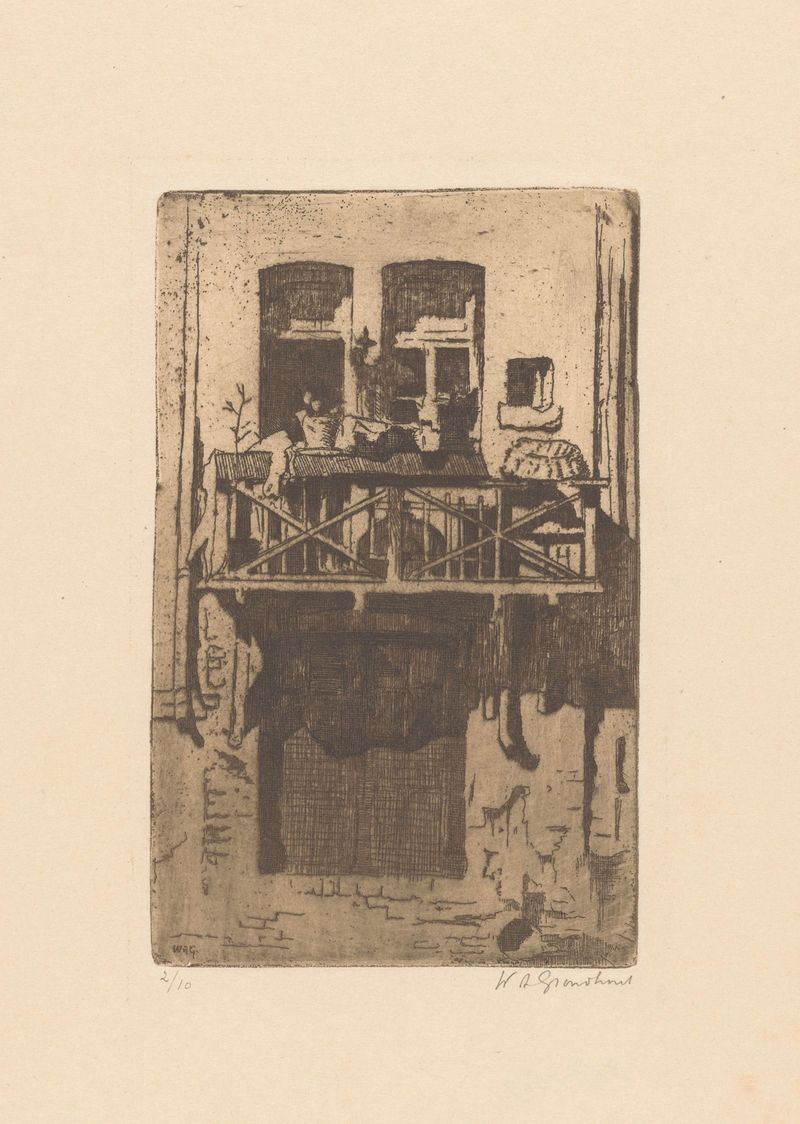
Balkon van een huis aan de Oudezijds Kolk in Amsterdam
Willem Adrianus Grondhout
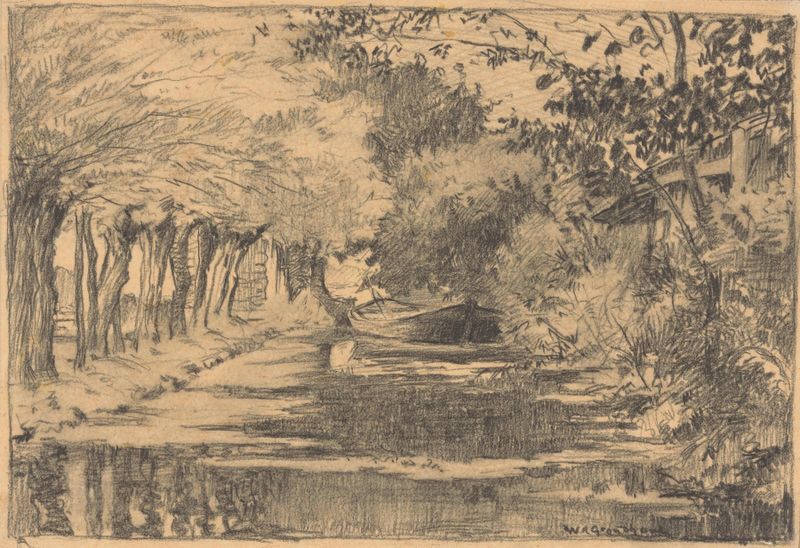
Broeksloot bij Voorburg
Willem Adrianus Grondhout
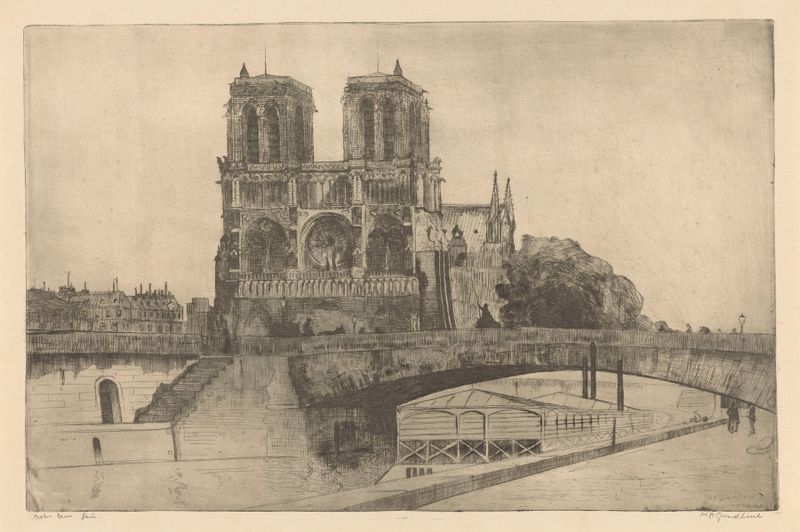
Notre-Dame, Paris
Willem Adrianus Grondhout
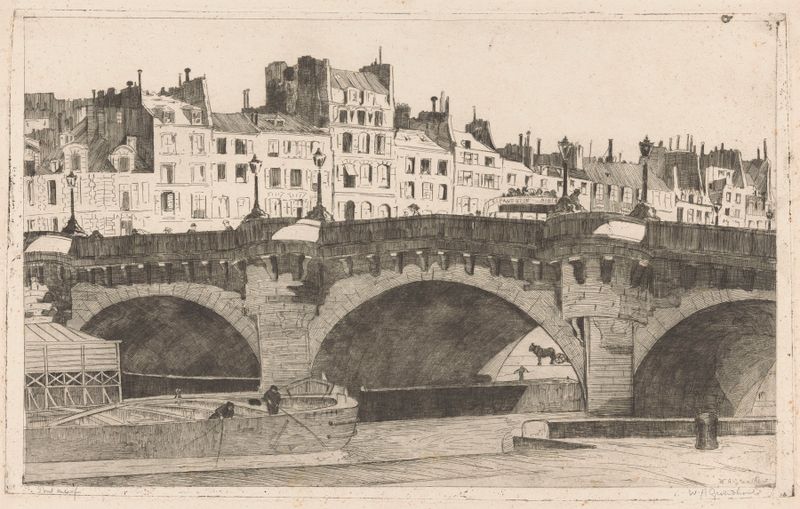
Pont Neuf
Willem Adrianus Grondhout
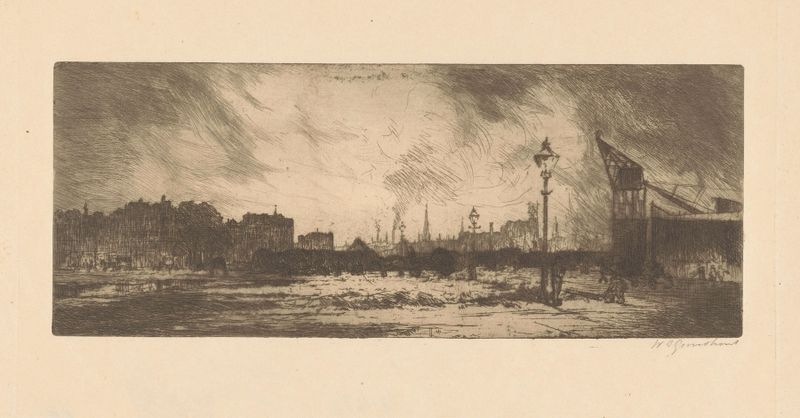
Havenkade met lantaarnpalen in Rotterdam
Willem Adrianus Grondhout
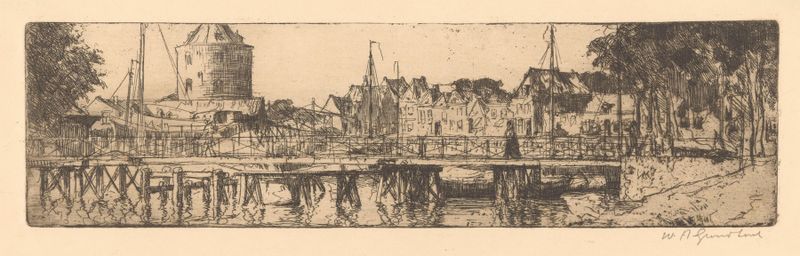
Enkhuizen
Willem Adrianus Grondhout
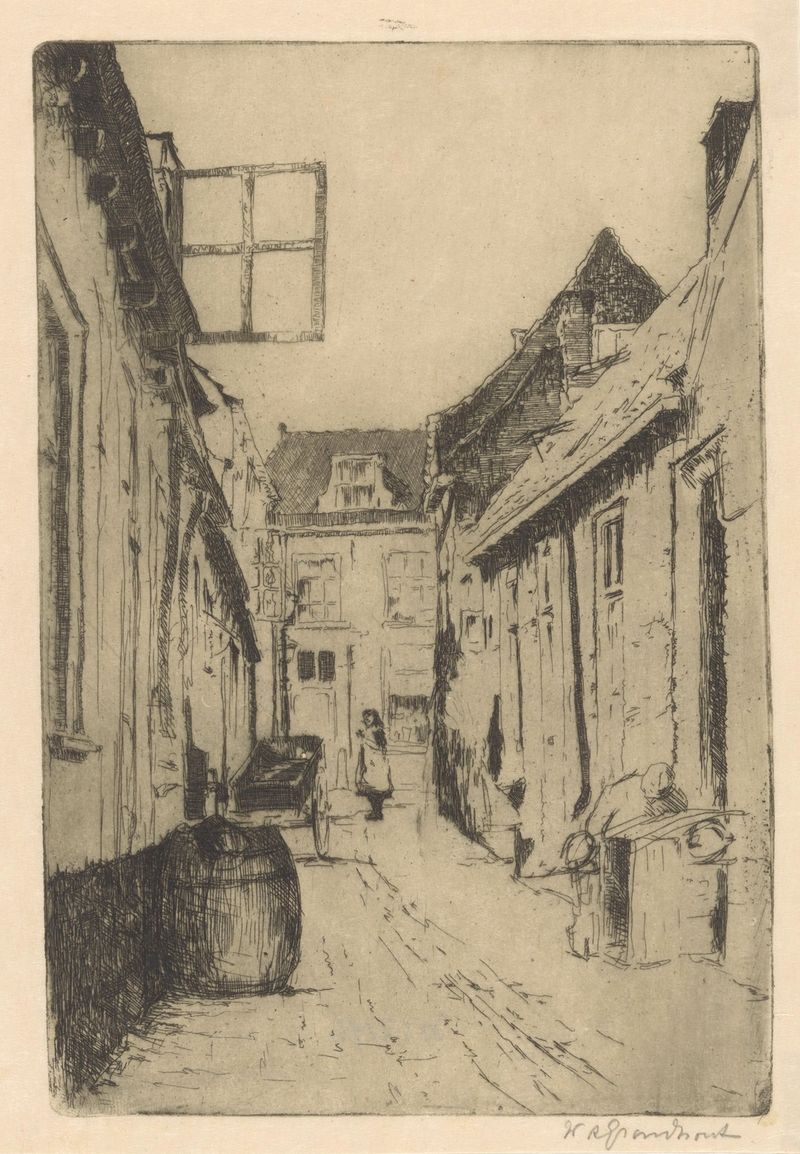
Straatje in Voorburg.
Willem Adrianus Grondhout
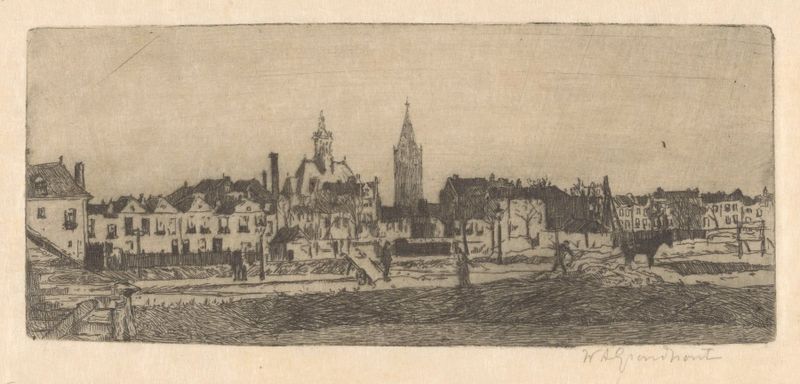
Delft
Willem Adrianus Grondhout





