
Binnenwater met een fluitschip — History & Facts
Did the painter know this moment would outlive them? In the tranquil expanse of Binnenwater met een fluitschip, a world suspended in time unfurls — vessels drift lazily across a still surface, a whisper of decay hangs in the air. Look closely at the serene waters; the gentle ripples create a mirror-like reflection of the sailing ship, drawing your gaze first to its rigging, taut against the sky. Notice how the muted palette of blues and greens sets a tranquil tone, while the soft light bathes the scene in a golden hue, suggesting late afternoon. The artist’s deft brushwork brings life to the sails, capturing not just their form but the sense of movement as the wind fills them, even in stillness. Yet beneath this calm, a subtle tension lies.
The ship, though majestic, hints at the impermanence of its journey; the decay of the wooden hull reflects the passage of time. The horizon, softly blurred, invites contemplation of what lies beyond — not just in distance, but in history and legacy. The painting captures a moment that, like the ship, may soon drift into memory, elegantly juxtaposing beauty with the inevitability of change. Completed between 1650 and 1664, this work emerged during a period of profound transformation in Dutch art.
Reinier Nooms, influenced by the rise of maritime trade and exploration, infused his scenes with both realism and a deep sense of reflection. The Netherlands was flourishing, and yet in this idyllic representation, the artist quietly acknowledges the transience of life, art, and the very ships that navigate these waters.
More Artworks by Reinier Nooms
Browse all →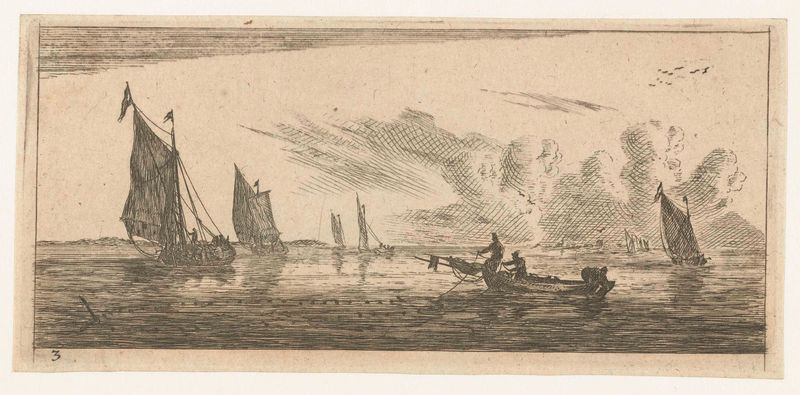
Zeegezicht met verschillende zeilschepen
Reinier Nooms
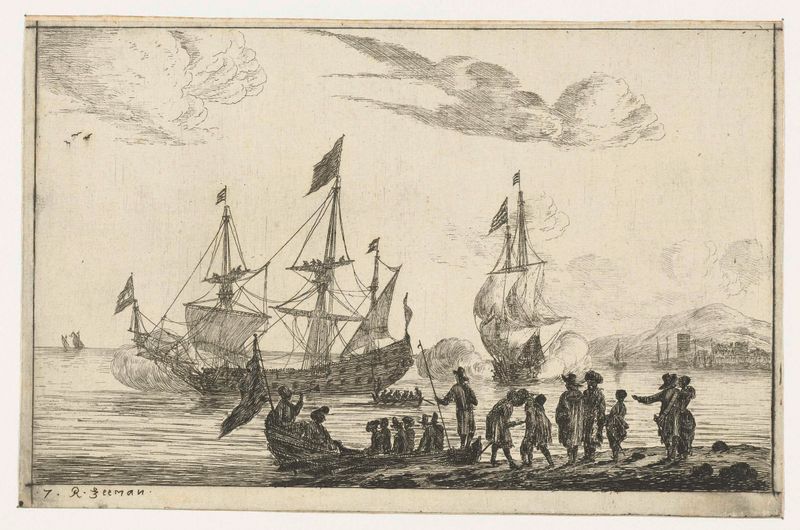
Havenscène met een spiegelsloep
Reinier Nooms
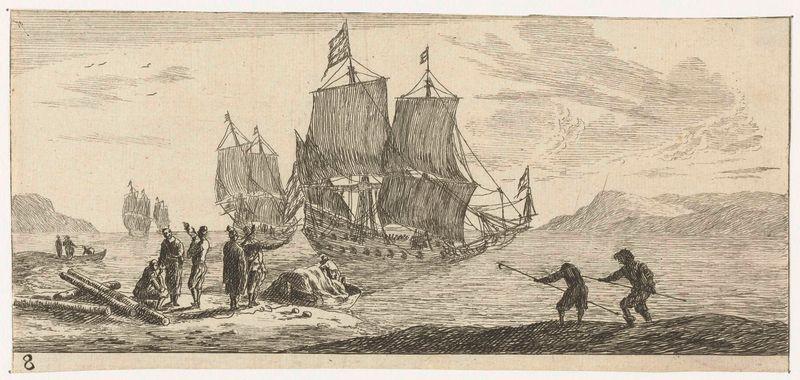
Vier grote zeilschepen in een baai
Reinier Nooms
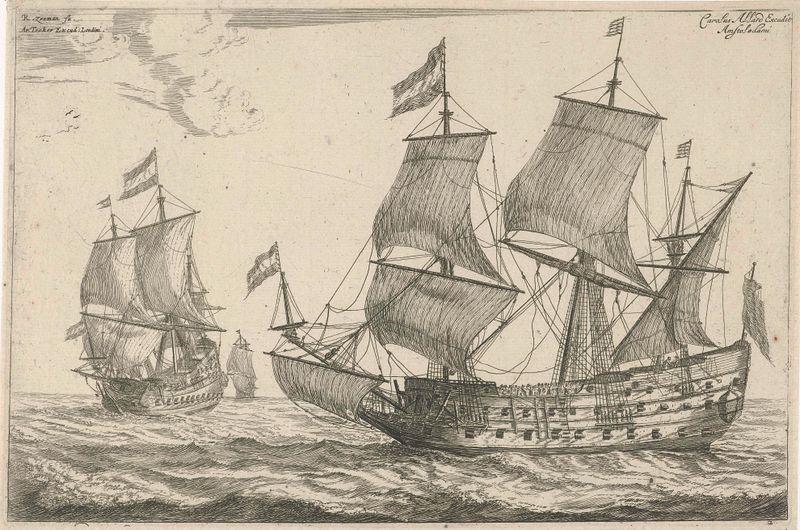
Twee grote oorlogsschepen
Reinier Nooms
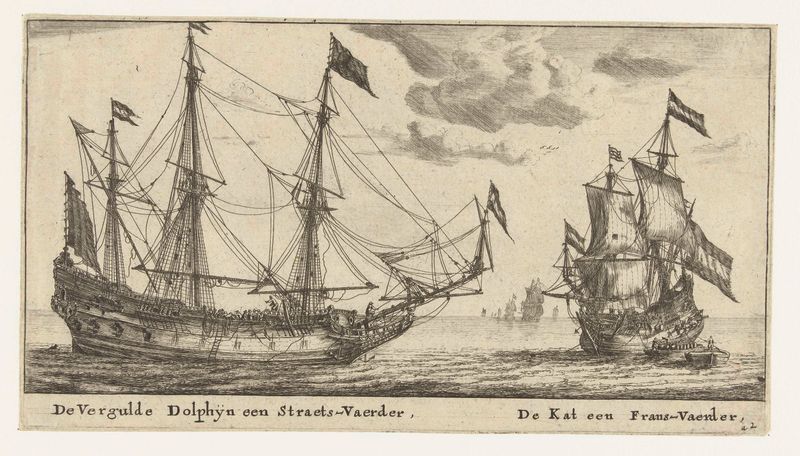
De schepen De Vergulde Dolfijn en De Kat
Reinier Nooms
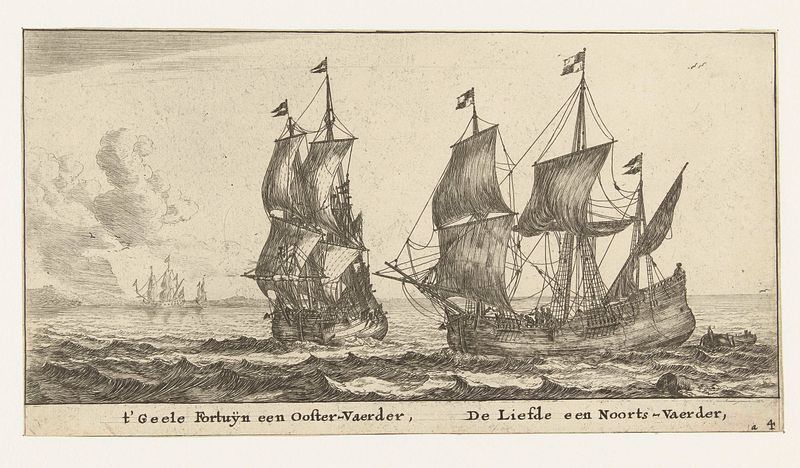
De schepen 't Gele Fortuin en De Liefde
Reinier Nooms
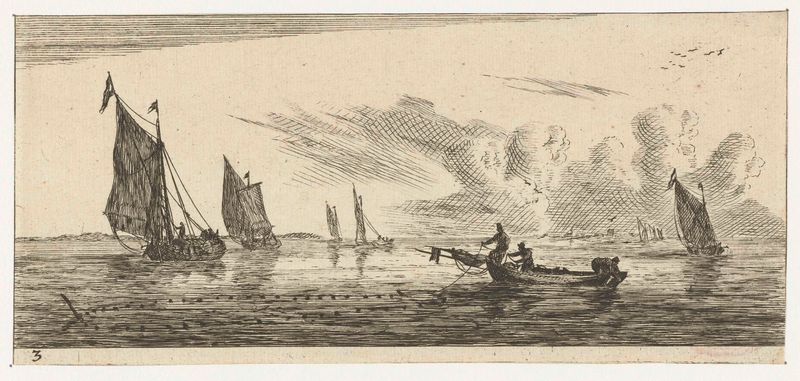
Zeegezicht met verschillende zeilschepen
Reinier Nooms
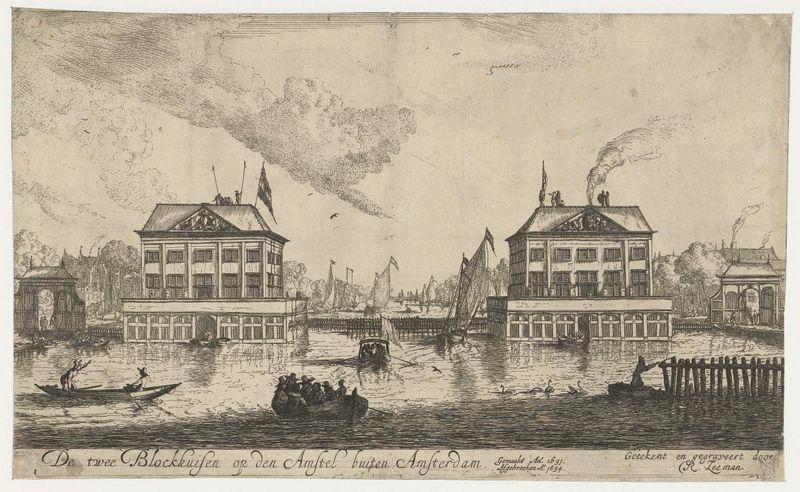
Gezicht op de twee Blokhuizen in de Amstel
Reinier Nooms
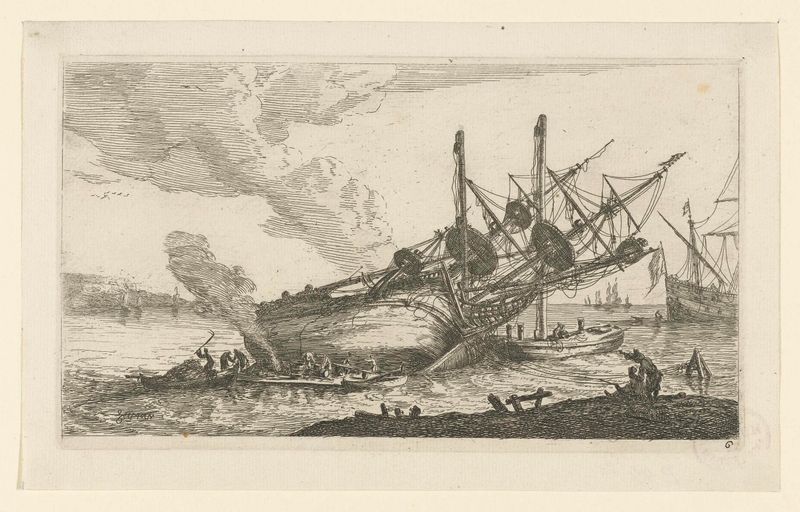
Reparaties aan de romp van een schip
Reinier Nooms
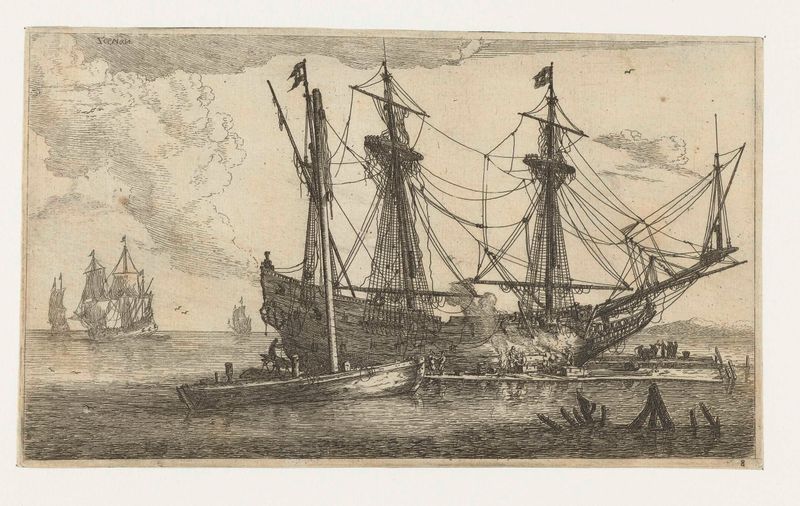
Reparaties aan de romp van een schip
Reinier Nooms





