Biot — History & Facts
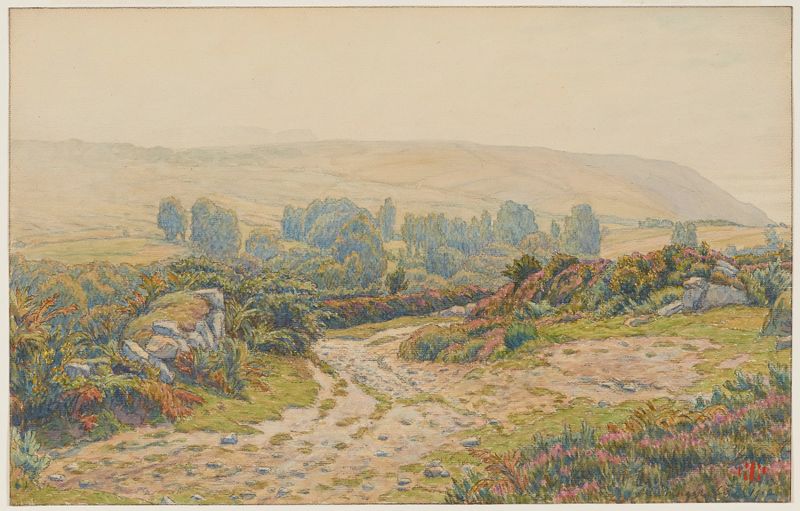
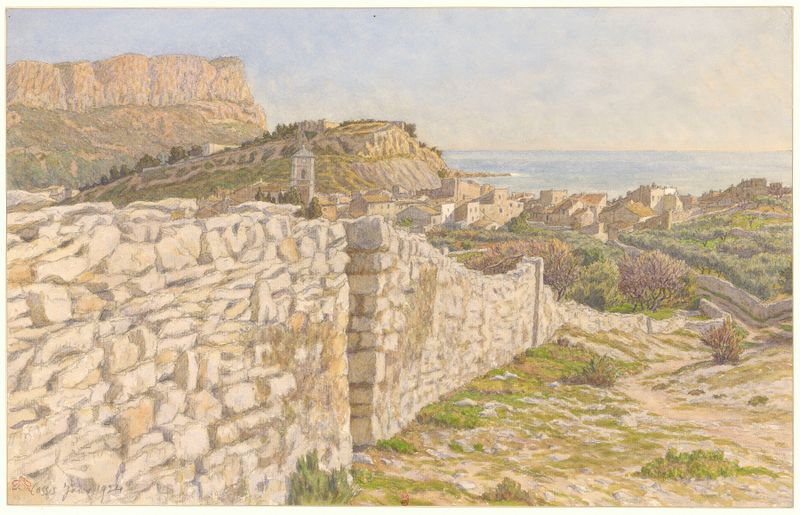
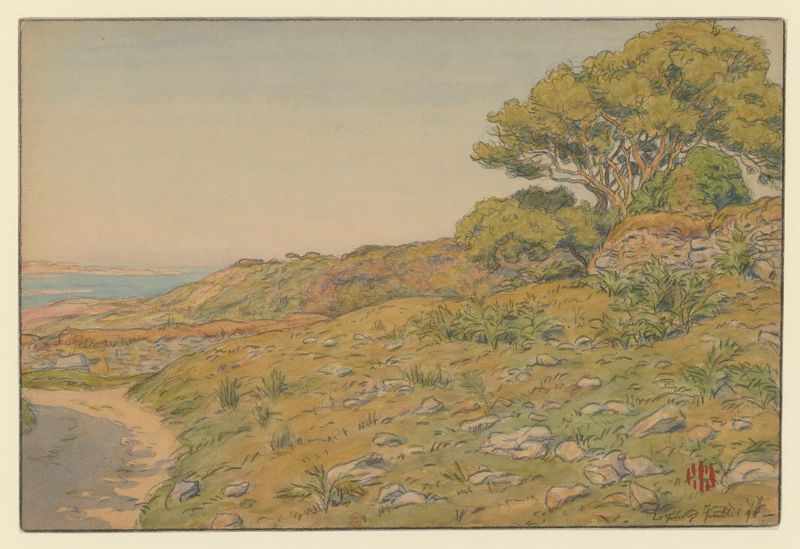
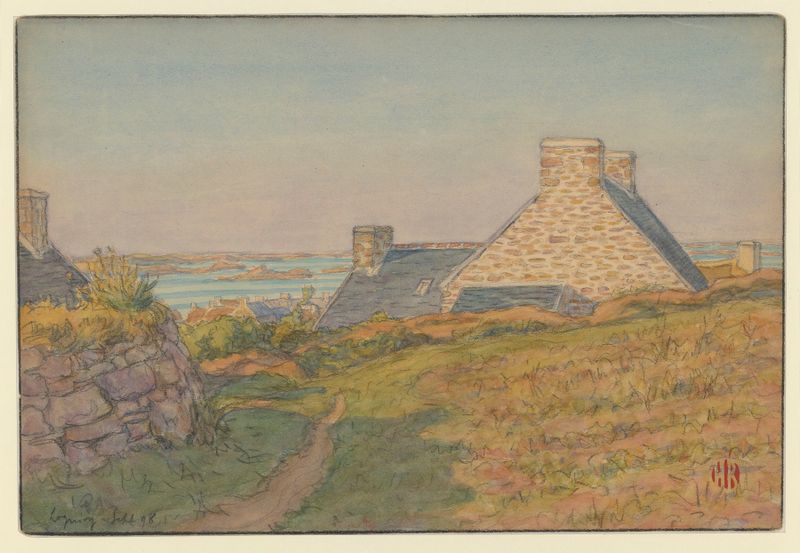
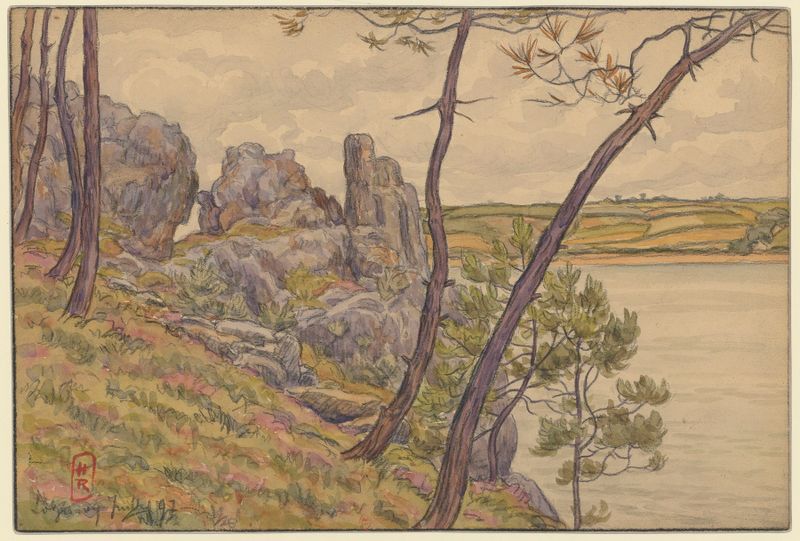
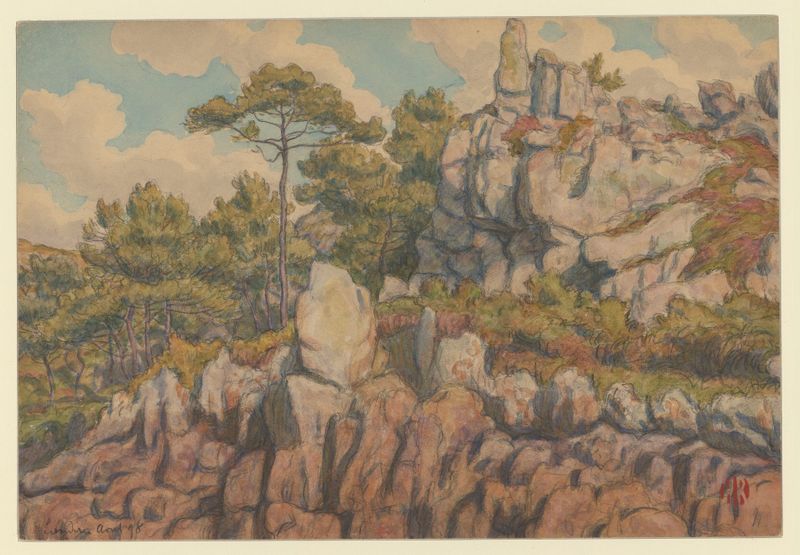
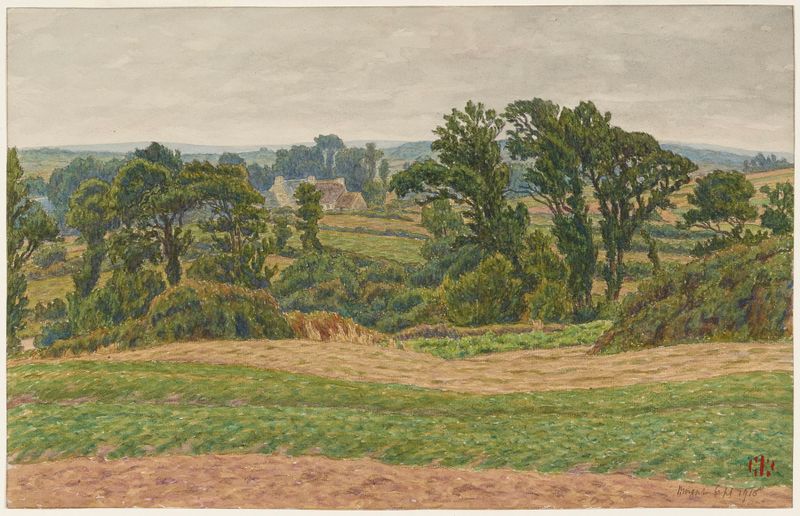
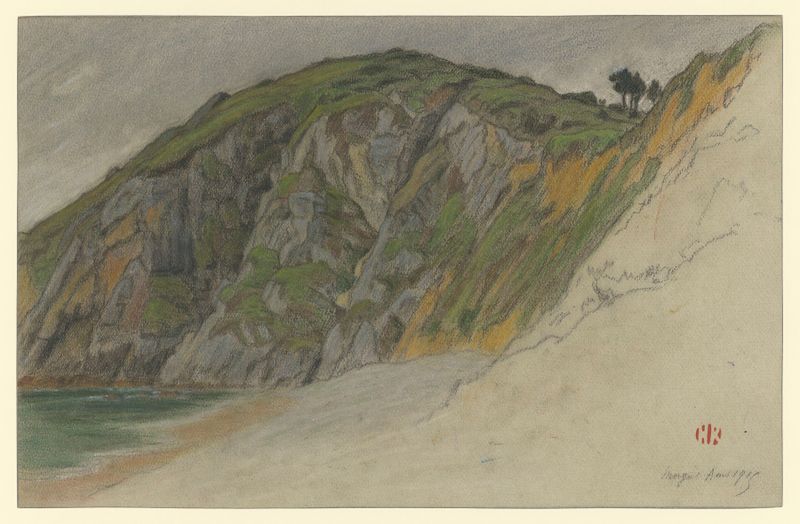
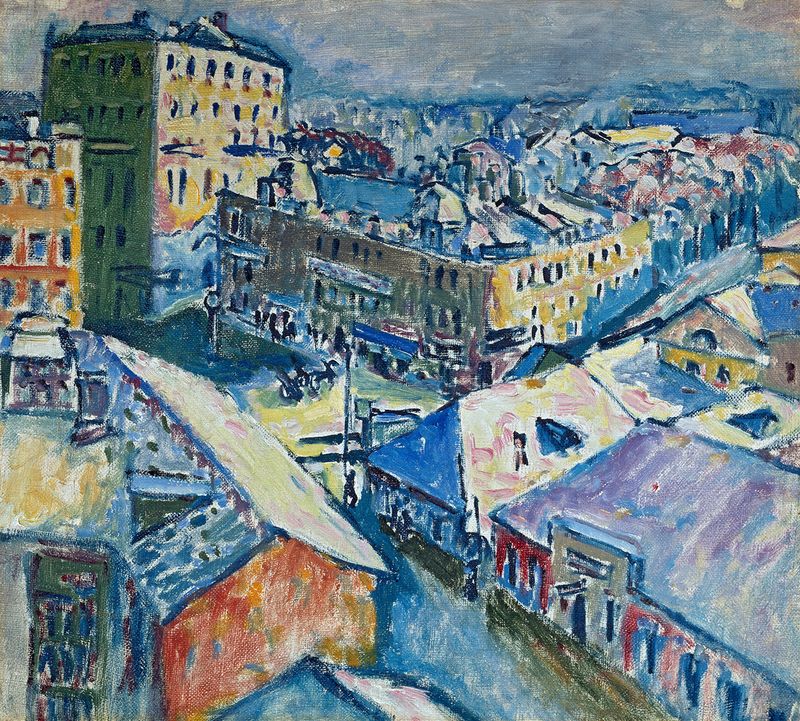
In moments of quiet reflection, we find ourselves suspended in time, much like in Biot. This artwork invites us to confront the ephemeral nature of existence, urging us to pause and consider the fleeting beauty around us. Focus first on the textured surface, where rich hues of blue and green meld seamlessly, signifying the passage of seasons. Notice how the artist employs delicate brushstrokes to create an almost tactile quality, drawing you into the essence of the landscape.
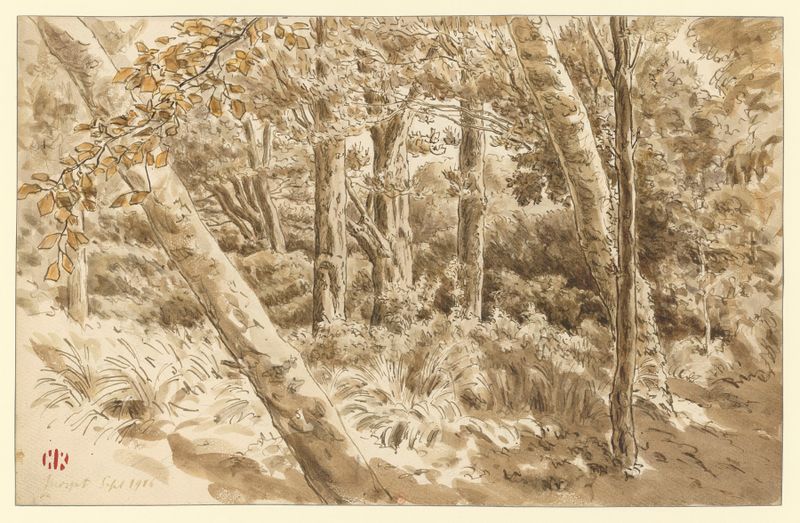
The interplay of light and shadow reveals intricacies in the foliage, suggesting the dance of sunlight filtering through leaves. It is an invitation to explore the layers of time captured within this serene setting. Delve deeper into the contrasts found in the work: the vibrant life of the greenery against the stillness of the water, which serves as a mirror for reflection. The subtle tension between the dynamic forms and tranquil surface evokes a sense of nostalgia, as if the viewer is caught between what has been and what might come.
These details compel us to contemplate our own relationship with time and nature, where moments of stillness often resonate most deeply. Created in 1930, Biot emerged during a period of experimentation in Rivière's career, marked by his interest in landscapes and their emotive potential. Living in France, he drew inspiration from the changing world around him, as artists were beginning to explore abstraction and personal expression more freely. This work reflects his desire to capture not just a scene, but the essence of time itself, solidifying his place in the evolving narrative of modern art.