Biot — History & Facts
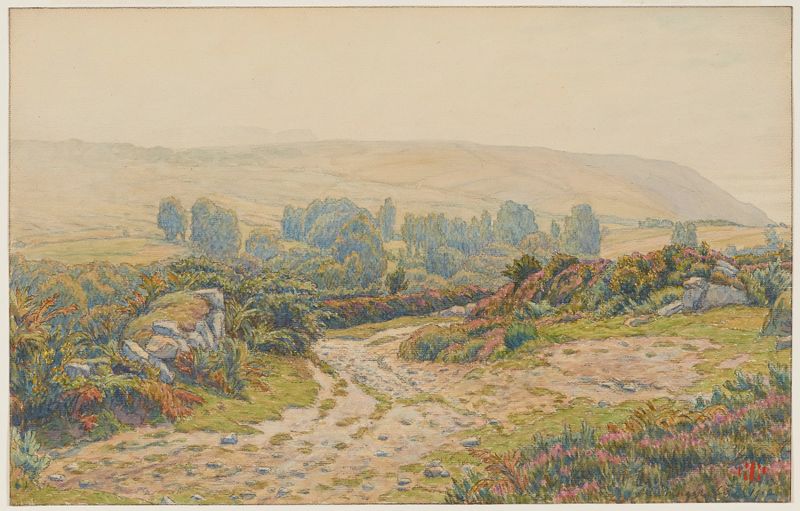
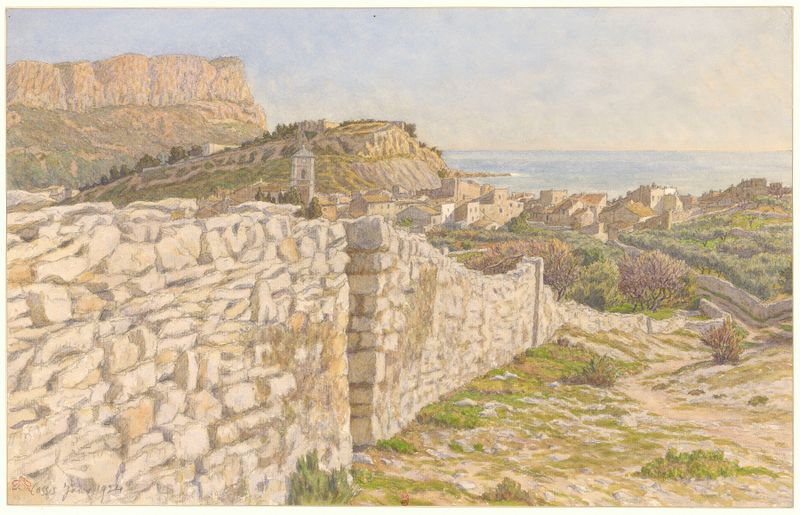
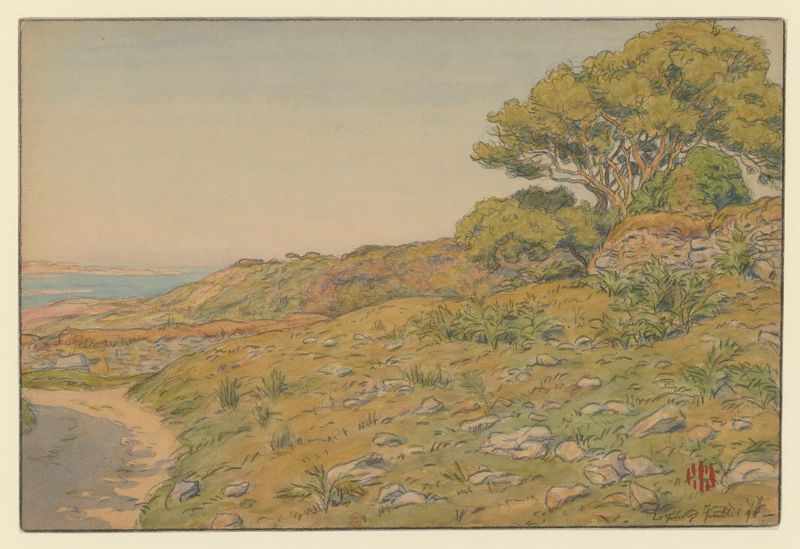
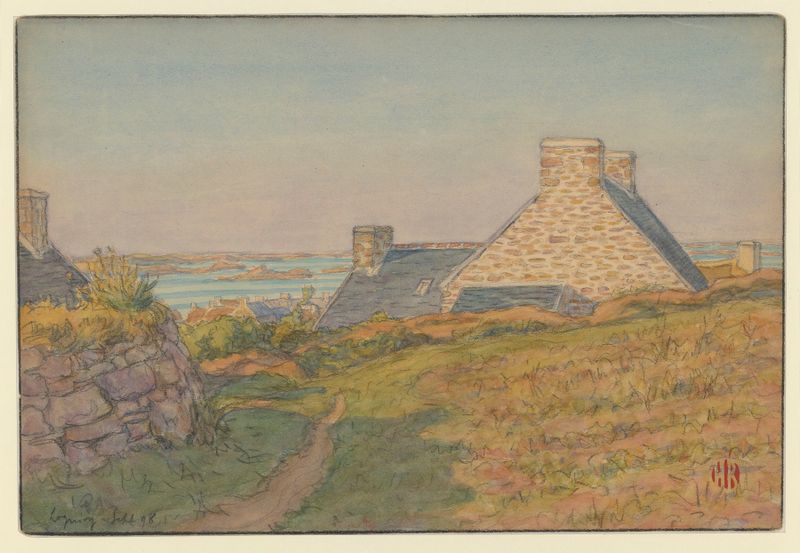
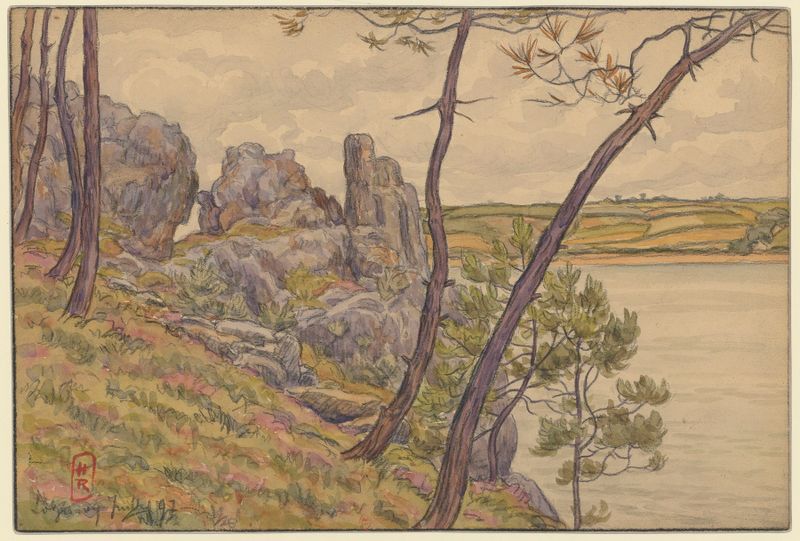
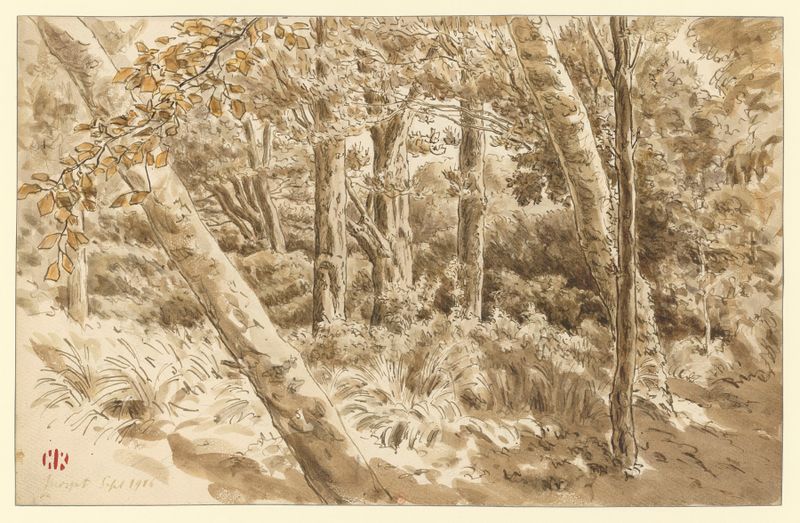
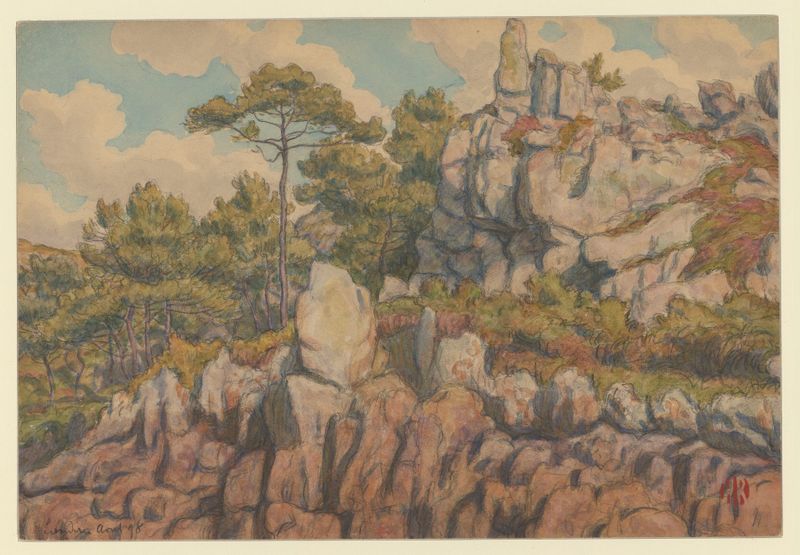
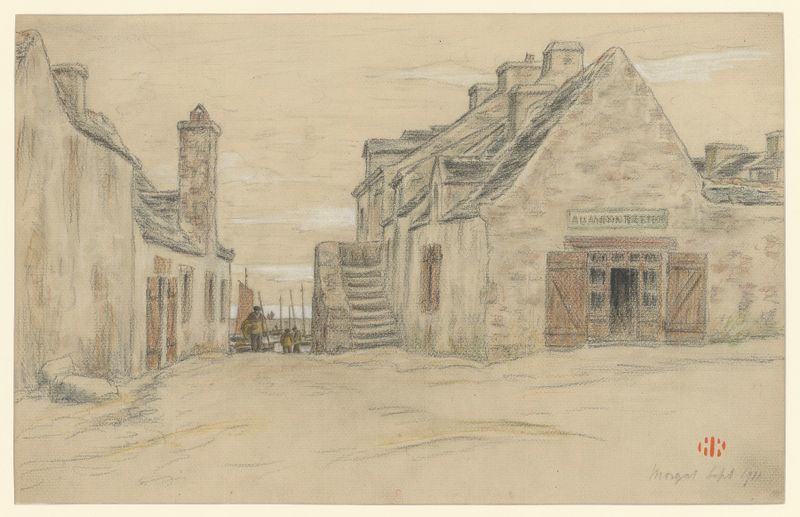
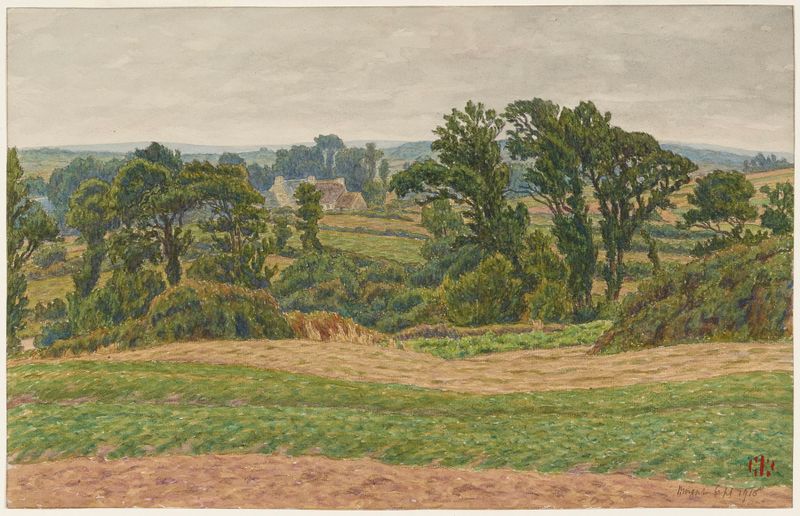
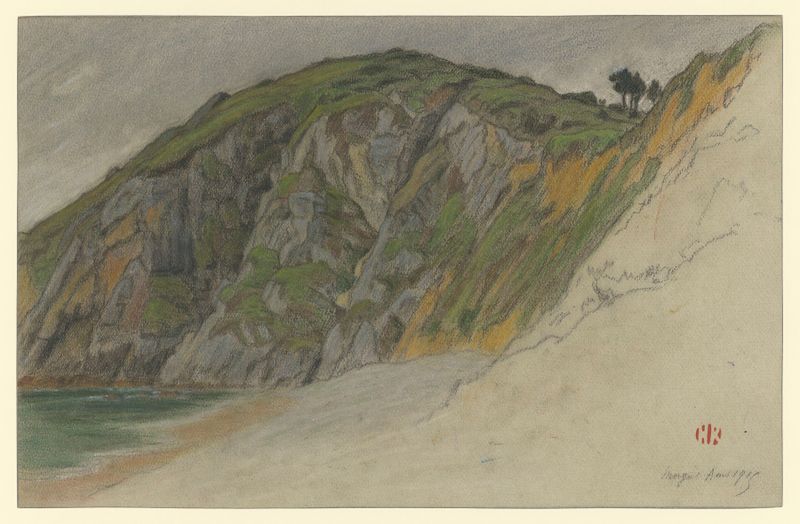
Could a single brushstroke hold eternity? In Biot, innocence is captured in a way that transcends the ordinary, inviting viewers to ponder the depths of simplicity and beauty. Look to the center of the canvas, where delicate lines intertwine in soft hues of blue and green, evoking the gentle embrace of nature. Notice how the strokes blend fluidly, creating a sense of movement that feels almost alive. The composition draws the eye, mimicking the tender patterns of wind across a tranquil landscape, while the subtle gradients of color evoke a sense of peace and nostalgia. As you explore the edges of the painting, you’ll find contrasting elements that stir deeper emotions.
The starkness of the foreground against the vibrant backdrop reveals a tension between innocence and the complexities of existence. The organic forms seem both inviting and elusive, inviting contemplation on the fleeting nature of purity in a rapidly changing world. Each brushstroke carries with it not just pigment but a whisper of memory, a reminder of lost moments. Created in 1930, this work emerged during a time of significant transformation in the art world and society.
As the rise of modernism challenged traditional boundaries, Rivière, influenced by the Symbolist movement, sought to express the interplay of nature and emotion. Living in France during this period, he was immersed in a cultural landscape rich with innovation, and Biot stands as a testament to his exploration of innocence amidst the changing tides of art.