
Black Snake Ledge — History & Facts
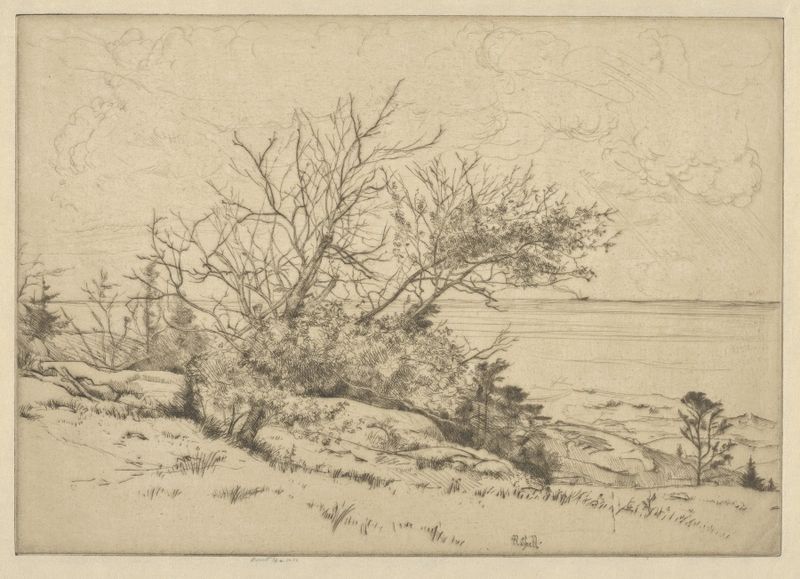
When did color learn to lie? In the quiet depths of Black Snake Ledge, the hues beckon with a promise that feels as hollow as the spaces they occupy. Look to the center, where a gnarled tree clings precariously to the edge of a rocky outcrop. The earthy browns and deep greens swirl into a tempest of shadow and light, drawing the viewer’s eye to a stark contrast that speaks of resilience amid a stark, unforgiving landscape. Notice how the artist’s brushwork captures the rough texture of the bark, its rugged lines echoing the jagged cliffs that seem to stretch into oblivion.
The vibrant colors, though rich, hint at a surreal quality, as if the very essence of the scene is shrouded in an emotional fog. Here, the interplay of emptiness and nature’s stubborn tenacity unfolds. The ledge, looming and isolated, serves as a metaphor for solitude, while the vibrant vegetation is a fleeting reminder of life’s persistence. The contrasting elements evoke a sense of foreboding, suggesting not just physical danger, but an emotional abyss that resonates deeply within the viewer.
What lies beyond the ledge? Is it beauty or despair? The painting invites contemplation of our own precarious positions in life, challenging perceptions of stability and permanence. Ernest Haskell painted Black Snake Ledge in 1912, a time when he was deeply engaged with the American art scene and exploring the interplay of color and form. Having recently returned from travels that informed his artistic vision, he sought to capture the raw landscapes of the American wilderness. This period also marked a shift in modern art, embracing abstraction and new perspectives on nature, mirroring Haskell's own evolution as an artist.
More Artworks by Ernest Haskell
Browse all →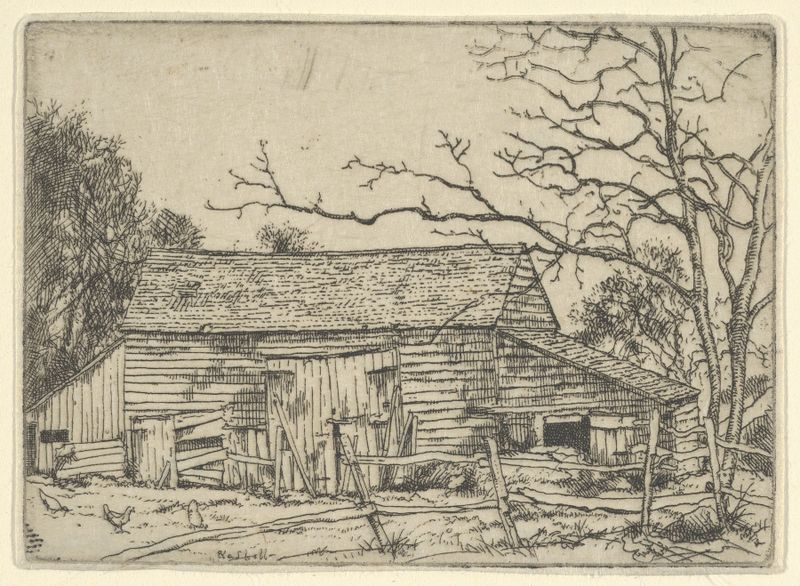
The Barn–Staten Island, N.Y.
Ernest Haskell

Four Live Oaks
Ernest Haskell
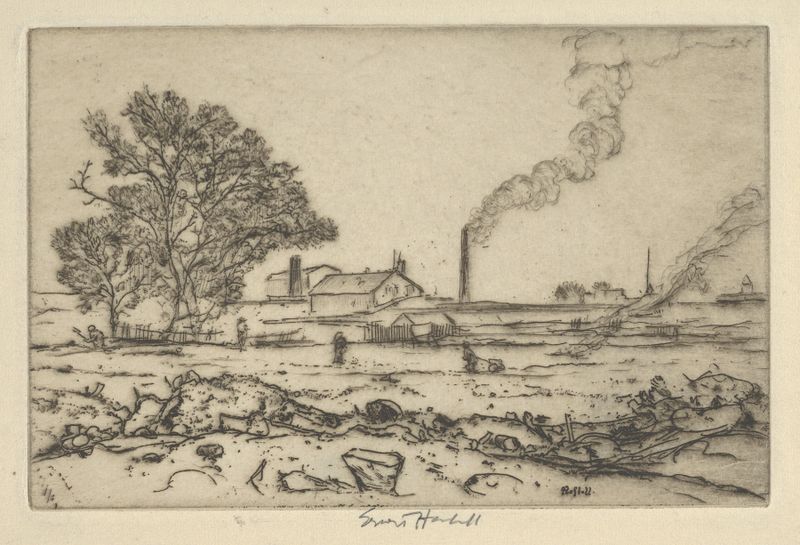
Outskirts of Boston
Ernest Haskell
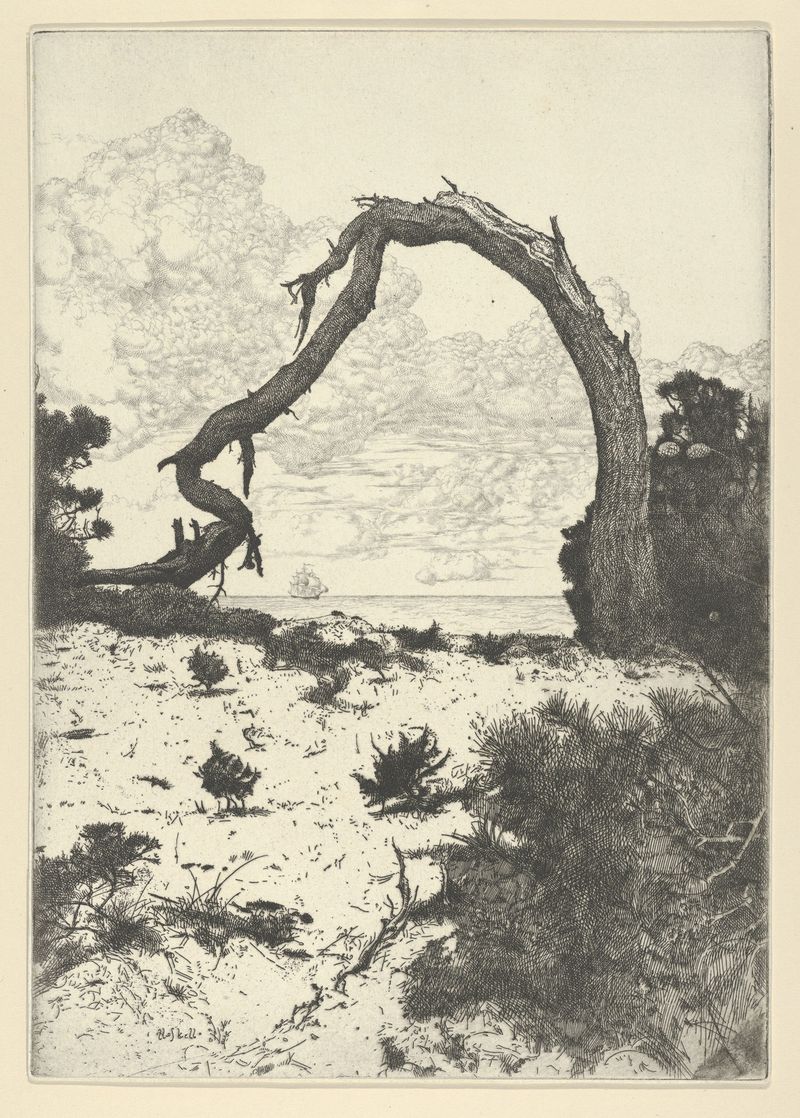
Pine Arch
Ernest Haskell

General Sherman
Ernest Haskell
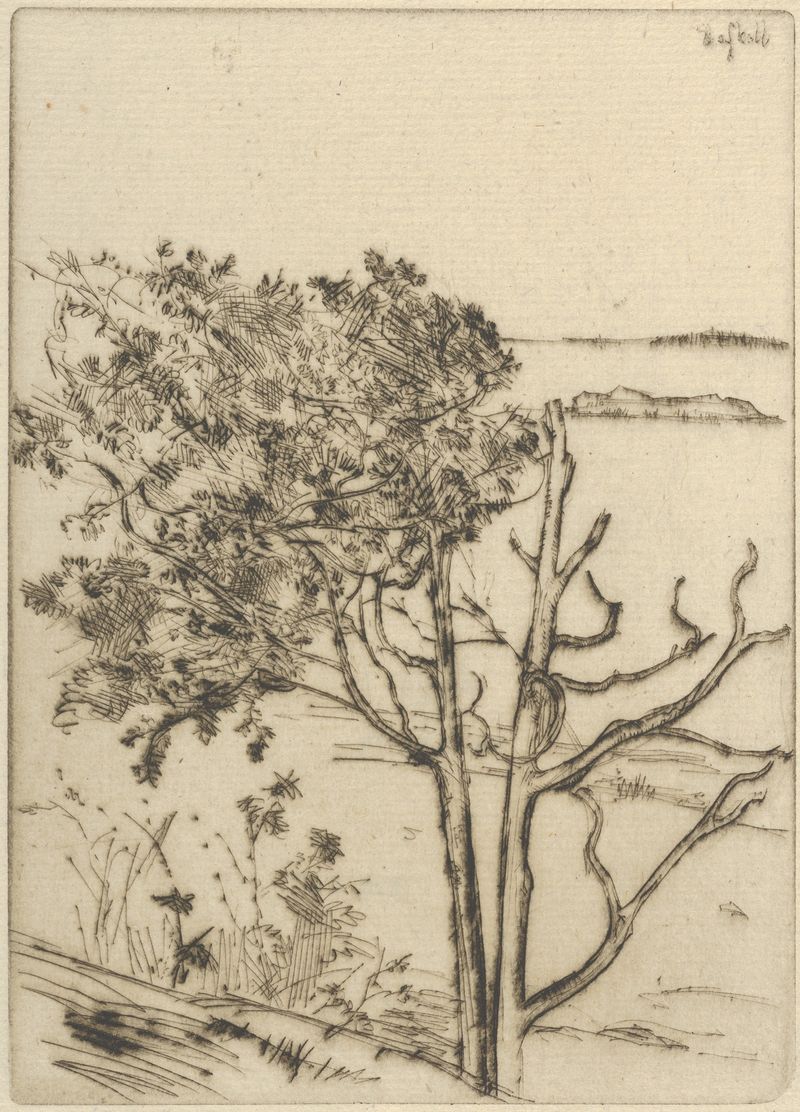
Ragged Tree – Maine
Ernest Haskell

Tide Mill
Ernest Haskell

Ship Building
Ernest Haskell
To the Southward – Ragged Island, Me.
Ernest Haskell
Long Island Marshes
Ernest Haskell





