
Black Snake Ledge — History & Facts
What if beauty was never meant to be finished? In Black Snake Ledge, a haunting stillness resonates through the undulating forms of rock and foliage, hinting at the transient nature of existence itself. Look to the foreground, where jagged cliffs rise sharply against a diffuse sky, their rugged surfaces painted with earthy greens and whispering grays. The subtle play of light dances across the scene, revealing a carefully orchestrated balance of shadow and brightness. As you trace your gaze up the ledge, the eye is drawn towards the horizon, where the sky melds into hues of soft lavender, evoking a sense of melancholy that permeates the work.
Each brushstroke tells a story of nature’s impermanence, urging the viewer to linger in the delicate beauty of the moment. In the midst of this serene landscape lies an underlying tension between the ruggedness of the rock and the ethereal quality of the sky, inviting contemplation of life’s fleeting moments. The juxtaposition of the solid ground against the ephemeral clouds speaks to the duality of existence. Small details, like the delicate outlines of leaves fluttering at the edge of the cliff, serve as reminders of what is both present and lost, stirring feelings of nostalgia and longing within the viewer. Ernest Haskell painted Black Snake Ledge in 1912, during a period marked by introspection in American art.
As a member of the early 20th-century artists who embraced the natural world, he sought to capture the emotional resonance of landscapes. At this time, the art world was transitioning, and Haskell's work would soon fall under the shadow of modernism, yet his deep appreciation for nature's beauty remains timeless.
More Artworks by Ernest Haskell
Browse all →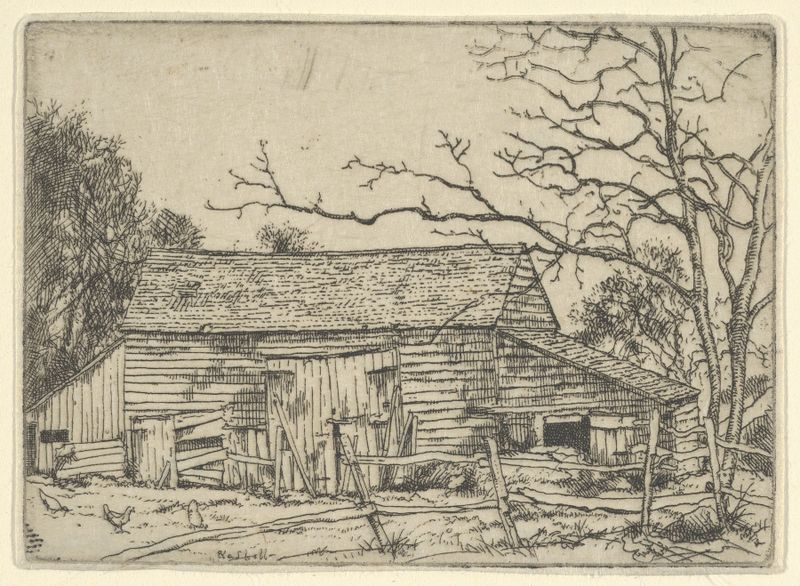
The Barn–Staten Island, N.Y.
Ernest Haskell

Four Live Oaks
Ernest Haskell
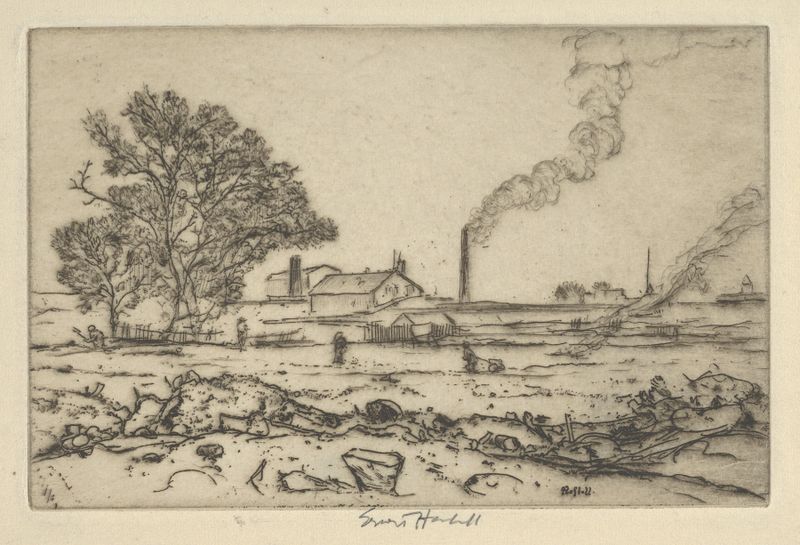
Outskirts of Boston
Ernest Haskell
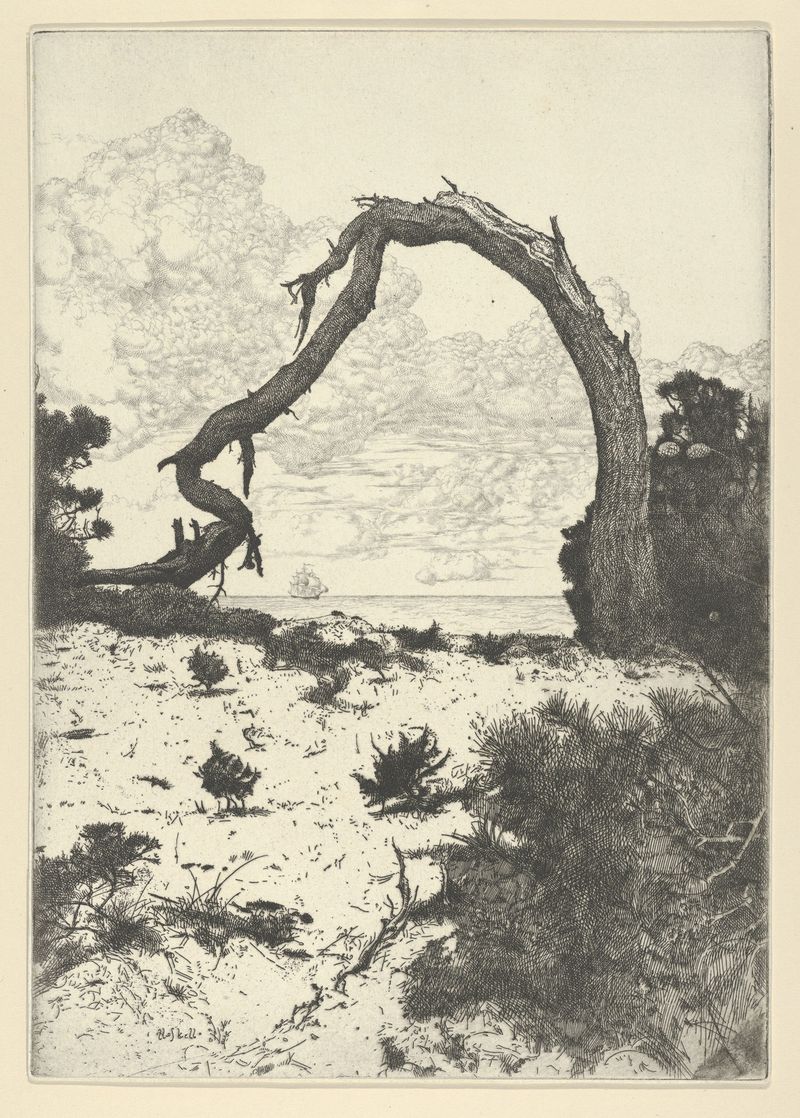
Pine Arch
Ernest Haskell

General Sherman
Ernest Haskell
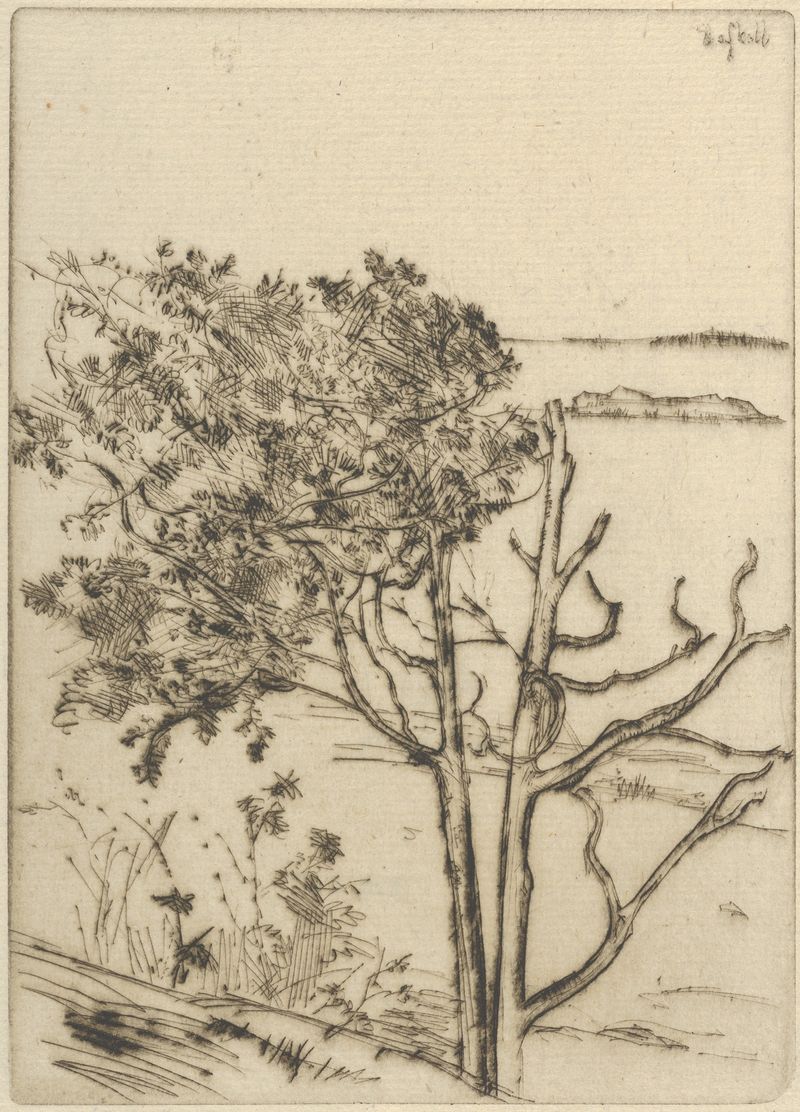
Ragged Tree – Maine
Ernest Haskell

Tide Mill
Ernest Haskell

Ship Building
Ernest Haskell
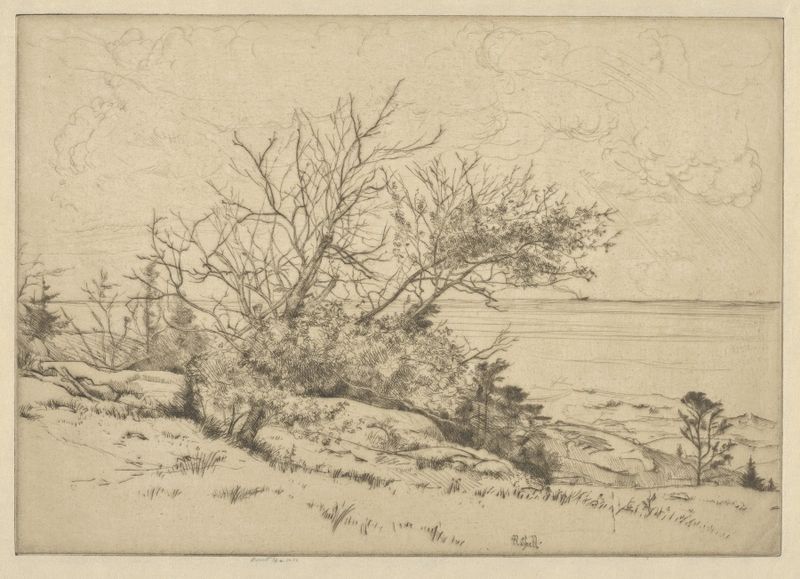
To the Southward – Ragged Island, Me.
Ernest Haskell
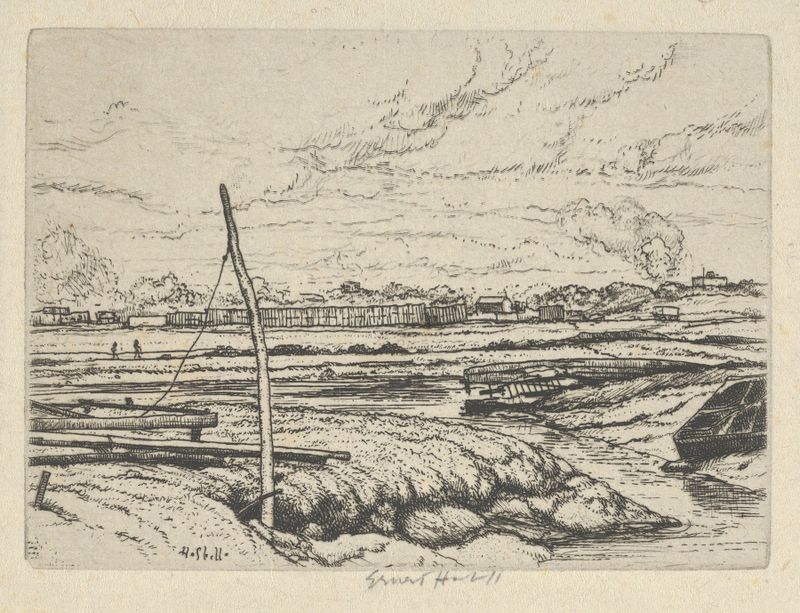
Long Island Marshes
Ernest Haskell





