
Blankenberge No.3 — History & Facts
In the act of creation, there lies a tension between what we hold dearly and what is destined to fade away. This delicate balance drives the viewer to reflect on how memories shape our existence and resonate through the ages. Look to the horizon in Blankenberge No.3, where gentle waves meet the soft blush of a sunset. The artist skillfully captures the interplay of light and shadow, with dappled pinks and blues harmonizing across the canvas.
As your gaze travels downward, notice how the sandy beach, rendered in warm earth tones, draws you into the scene, inviting you to step onto this serene shore. Each brushstroke evokes a sense of tranquility, where the sky’s reflective splendor mingles with the quiet whispers of the ocean. Between the earth and the sea, a subtle contrast emerges; the vibrant colors of the sky hint at vitality and hope, while the muted tones of the beach suggest a weight of impermanence. This juxtaposition speaks to the duality of existence—moments of vibrancy overshadowed by the inevitability of passage.
The figures, seemingly small and distant, become icons of transience, embodying our fleeting presence against nature’s enduring beauty. In 1875, while living in the vibrant art community of New York, the artist was exploring the themes of light and landscape that would define his career. During this period, the world was evolving, with rapid industrialization and shifting cultural landscapes. Haseltine’s choice to depict the picturesque coastal scene of Blankenberge reflects not only his admiration for nature but also a desire to preserve the ephemeral, inviting viewers to pause and consider the destinies woven into the very fabric of their memories.
More Artworks by William Stanley Haseltine
Browse all →
Mill Dam in Traunstein
William Stanley Haseltine
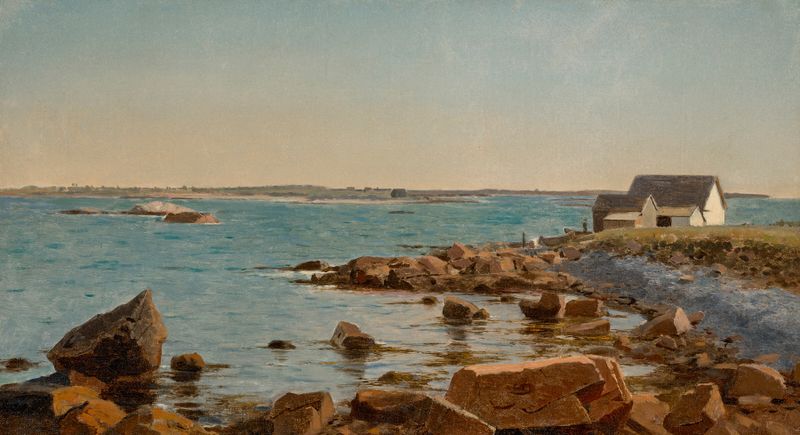
Nahant Coast
William Stanley Haseltine
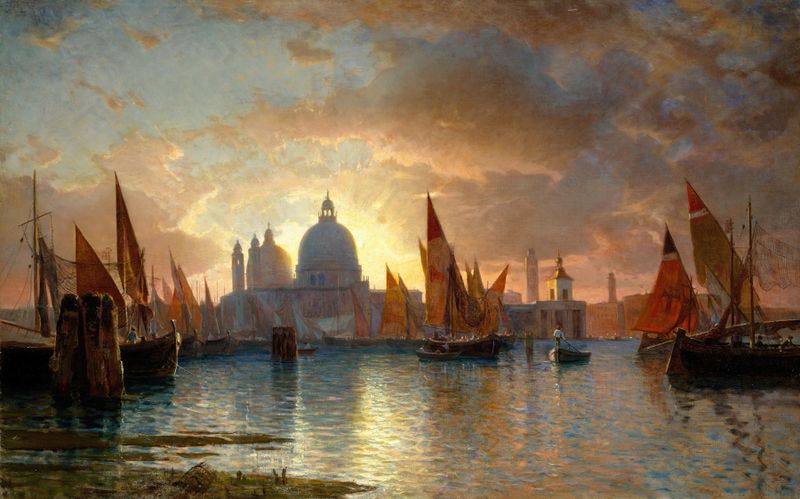
Santa Maria della Salute, Sunset
William Stanley Haseltine
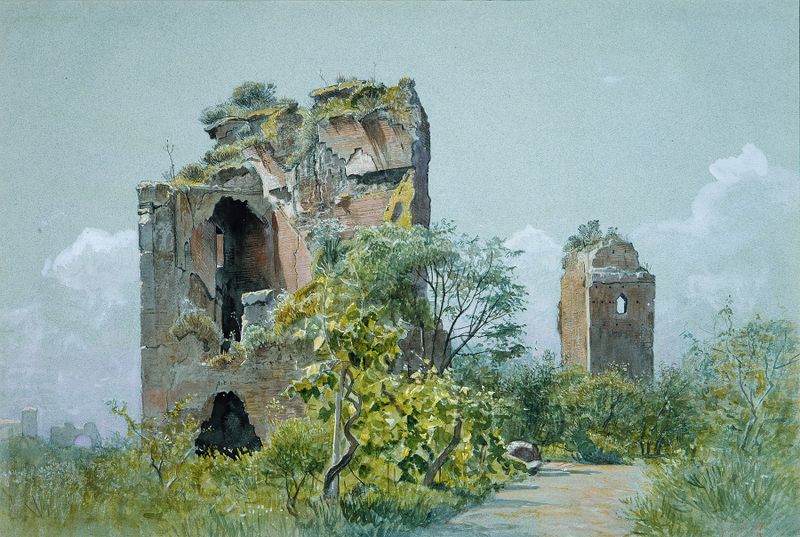
Baths of Trajan (Sette Sale, Villa Brancaccio, Rome)
William Stanley Haseltine
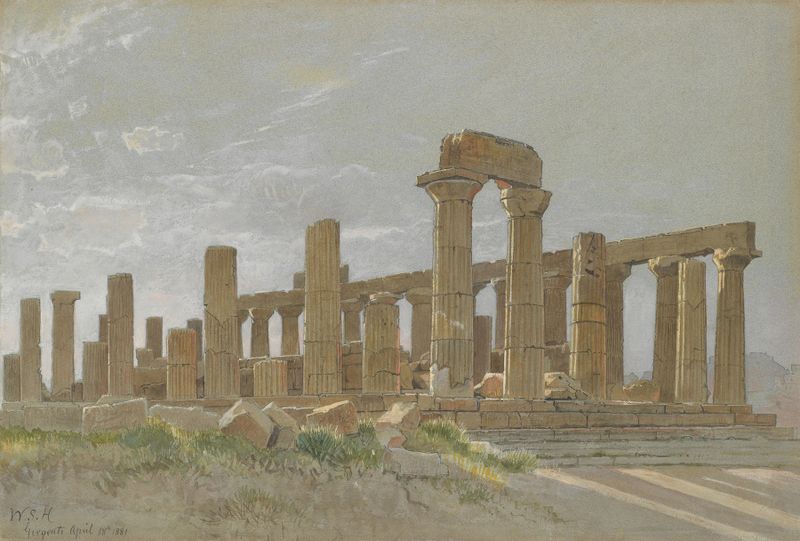
Girgenti (The Temple of Juno Lacinia at Agrigentum)
William Stanley Haseltine

Italian Hills
William Stanley Haseltine
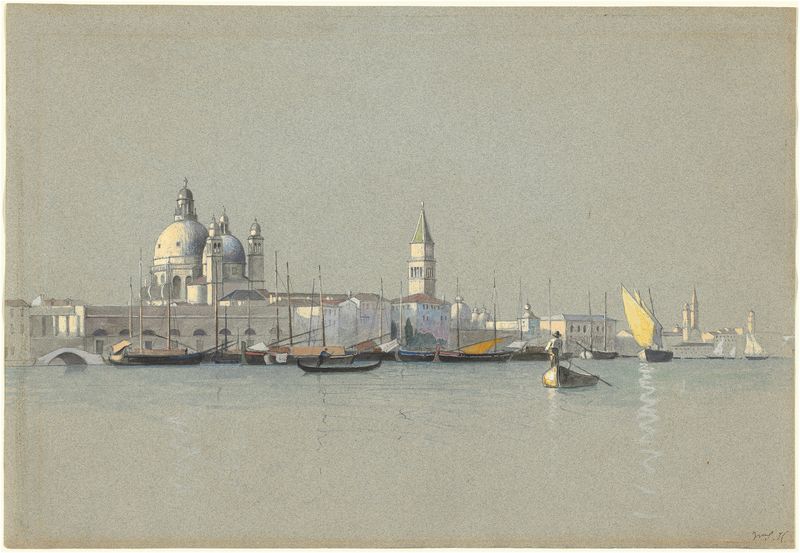
View across the Giudecca Canal toward the Salute and the Campanile of San Marco
William Stanley Haseltine
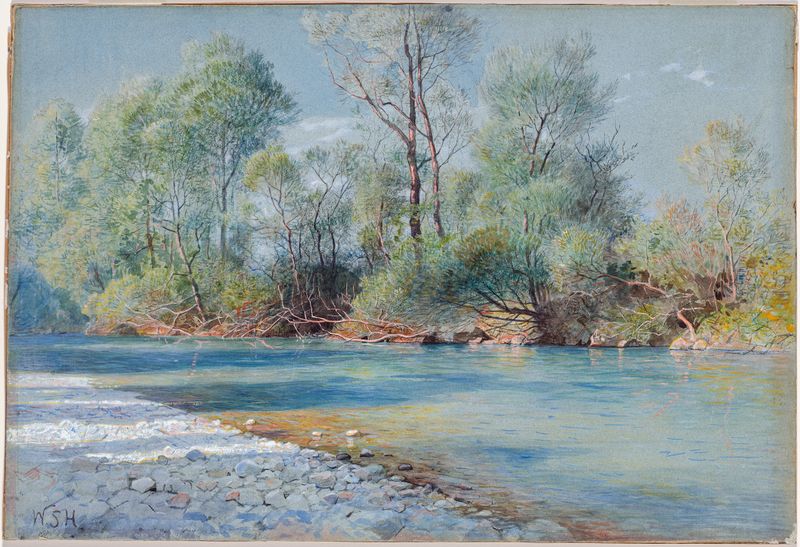
Traunstein River on the Road to Empfig, Bavaria
William Stanley Haseltine

Coast of Capri
William Stanley Haseltine
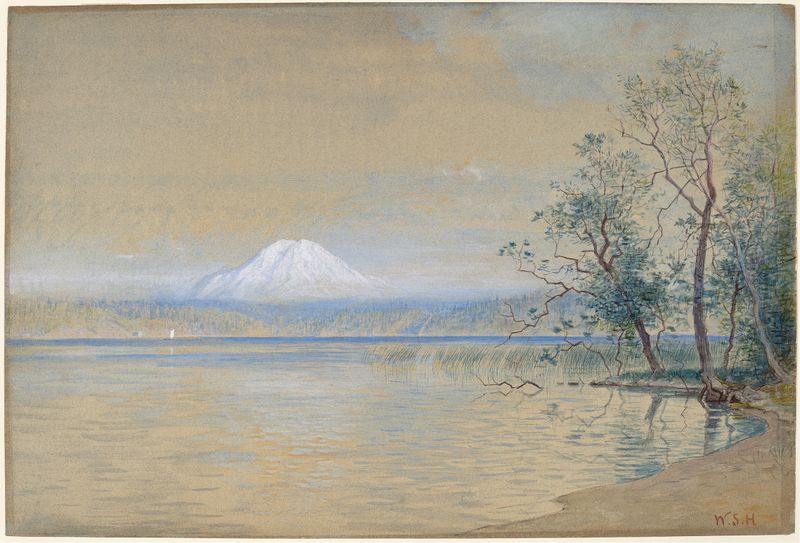
Mount Tacoma
William Stanley Haseltine





