
Blick auf Fort St. André bei Villeneuve — History & Facts
Grief weaves through the layers of our existence, often cloaked in beauty and stillness. It is within this haunting juxtaposition that art becomes a mirror to the soul. Look to the left at the gentle curve of the horizon, where the dusky sky meets the tranquil waters. The soft blues and muted greens invite contemplation, while strokes of ochre create a warm glow, casting a bittersweet light over the scene.
Notice how the architecture of Fort St. André stands resolutely against nature, its solid form in stark contrast to the fluidity of its surroundings. Each brushstroke captures the interplay of reflections—what is seen and what is merely suggested, echoing the duality of presence and absence. Beneath the surface, the painting resonates with themes of nostalgia and resilience.
The fort, a symbol of protection, evokes a sense of mourning; it stands as a sentinel to memories long past. The still waters mirror the inner turmoil of loss—calm yet turbulent, inviting viewers to explore their own connections to grief. Through this landscape, a dialogue emerges about the fragility of human experience, where color becomes a language of unspoken emotions. Hermann Lismann created this work during a time when the art world was grappling with the transition from Romanticism to Impressionism.
Painting in the late 19th century, Lismann found inspiration in the serene vistas of Switzerland, reflecting both the personal struggles of his own life and the broader shifts in artistic expression. This piece encapsulates a moment of quiet introspection, a testament to the enduring power of landscapes to evoke profound emotional truths.
More Artworks by Hermann Lismann
Browse all →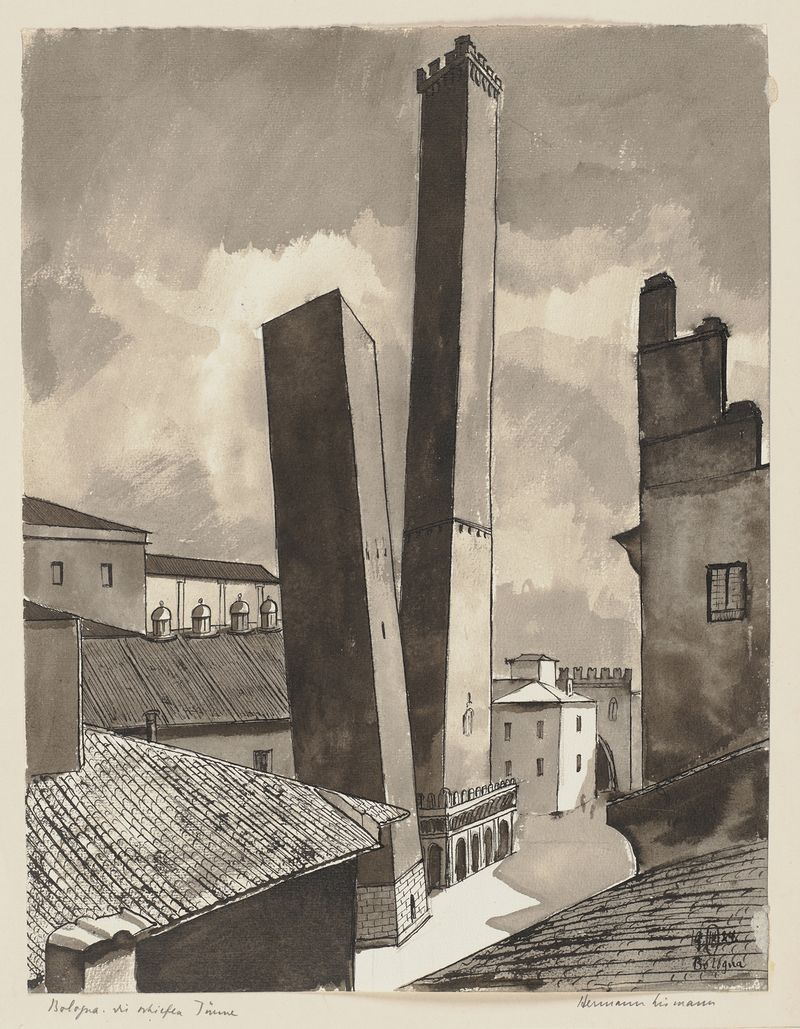
Die beiden Türme Garisenda und Asinelli in Bologna
Hermann Lismann
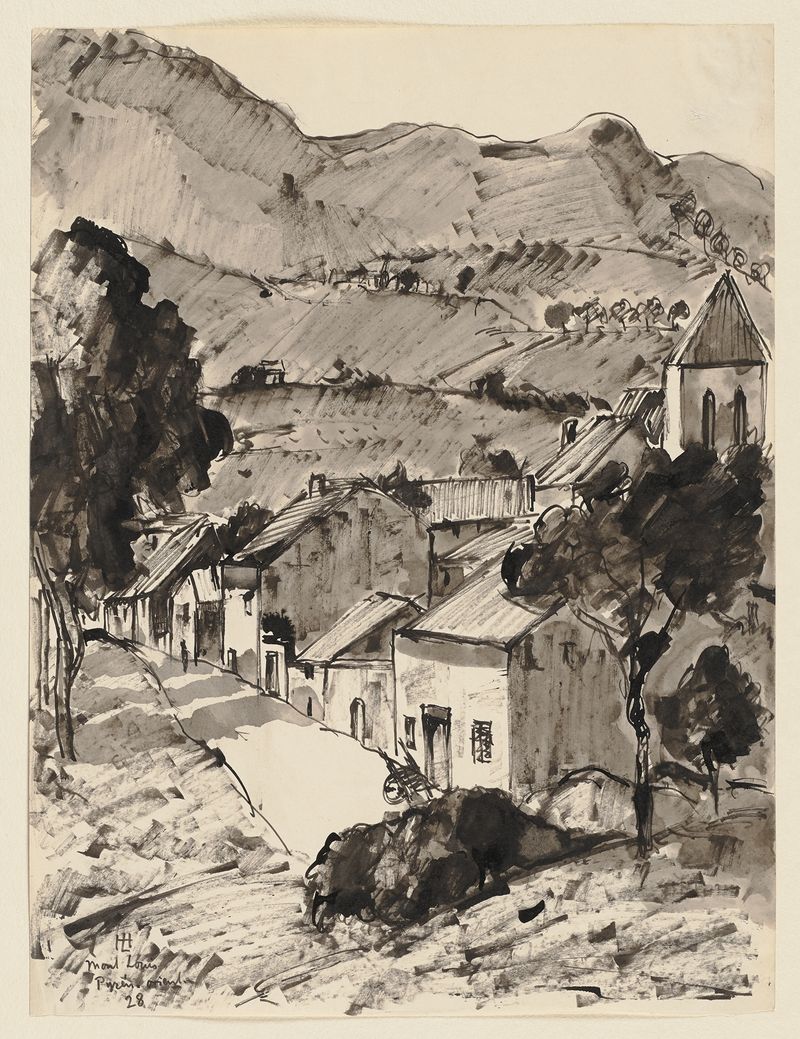
Mont-Louis
Hermann Lismann
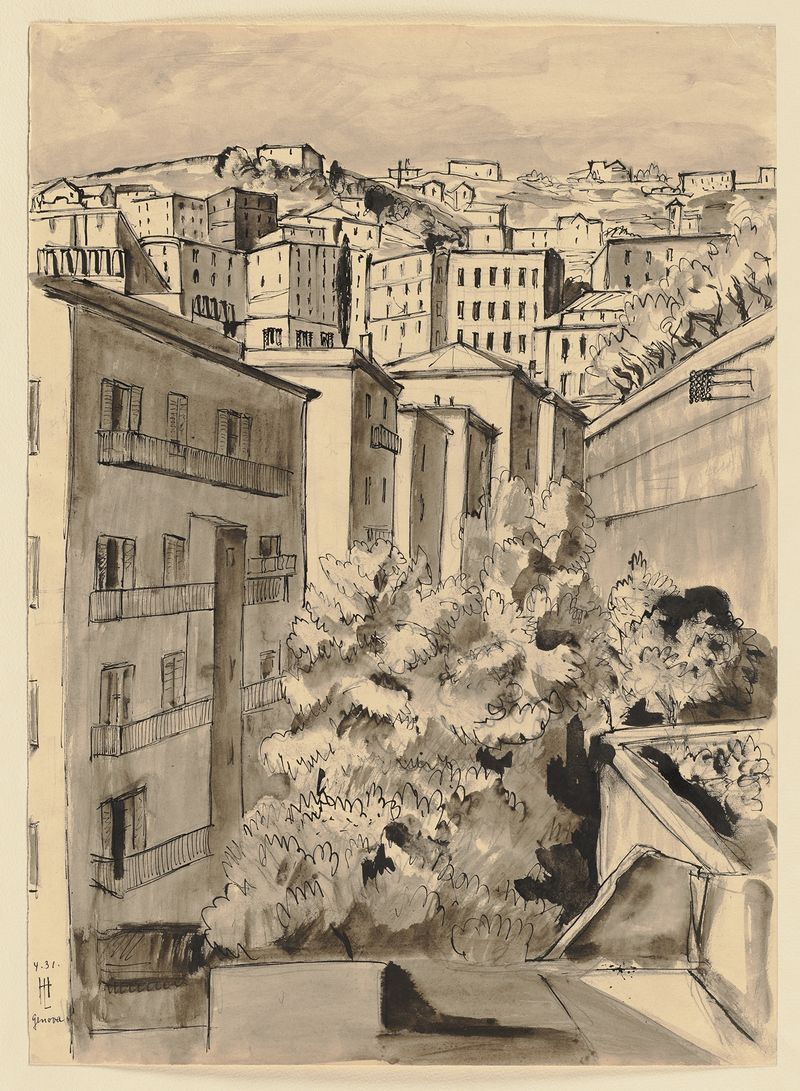
View of Genoa
Hermann Lismann
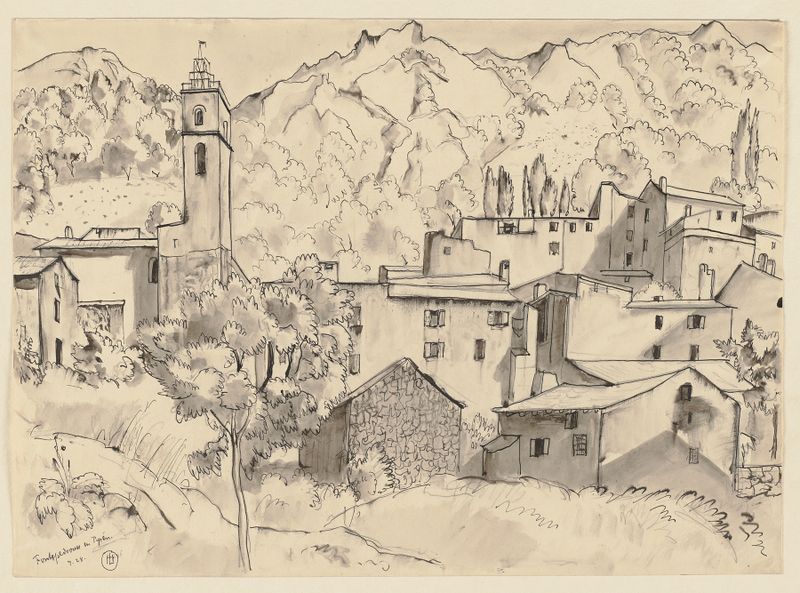
Fontpédrouse en Pyrénées
Hermann Lismann
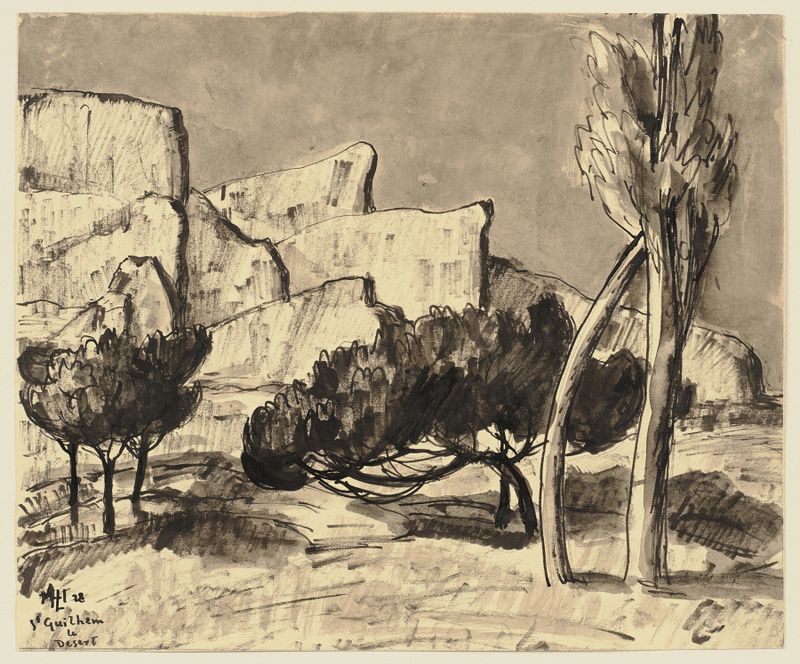
Saint-Guilhem-le-Désert
Hermann Lismann
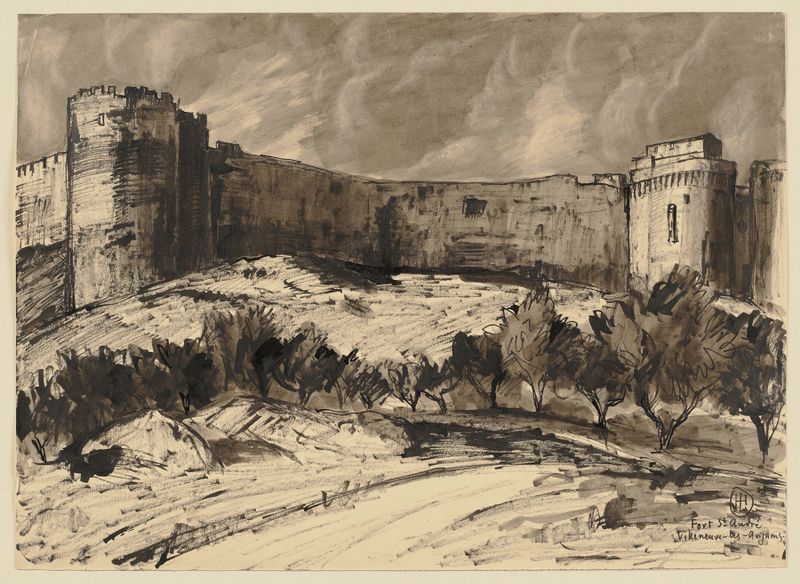
Fort Saint-André in Villeneuve-les-Avignon
Hermann Lismann
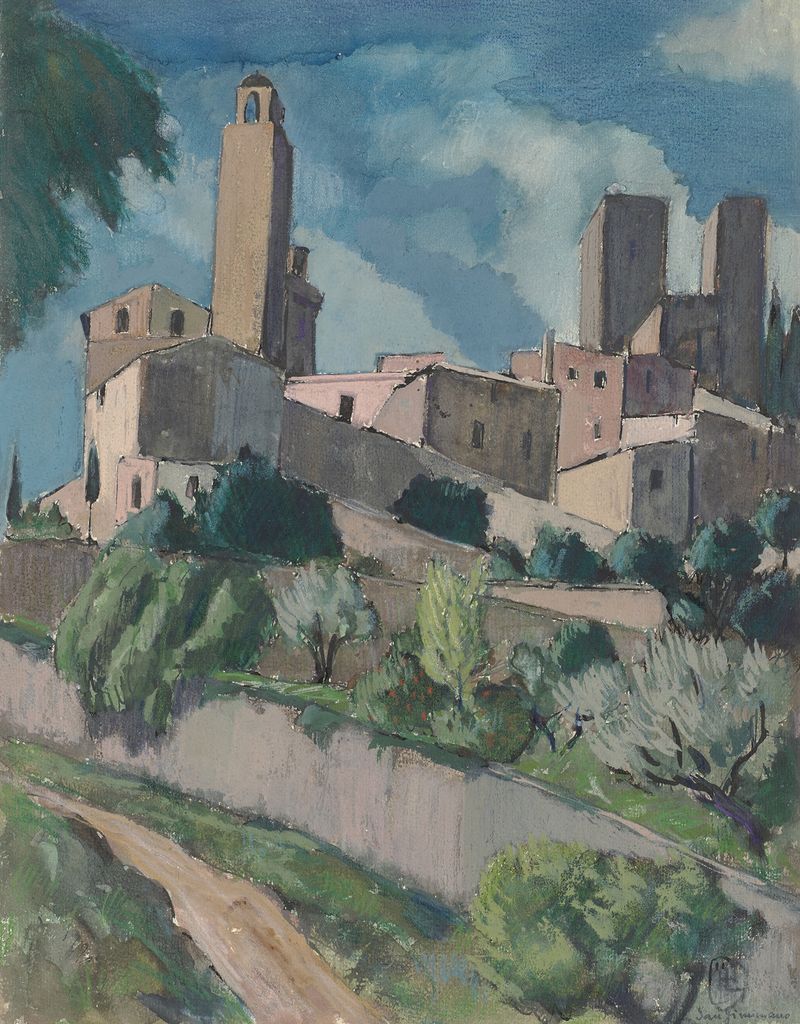
San Gimignano
Hermann Lismann
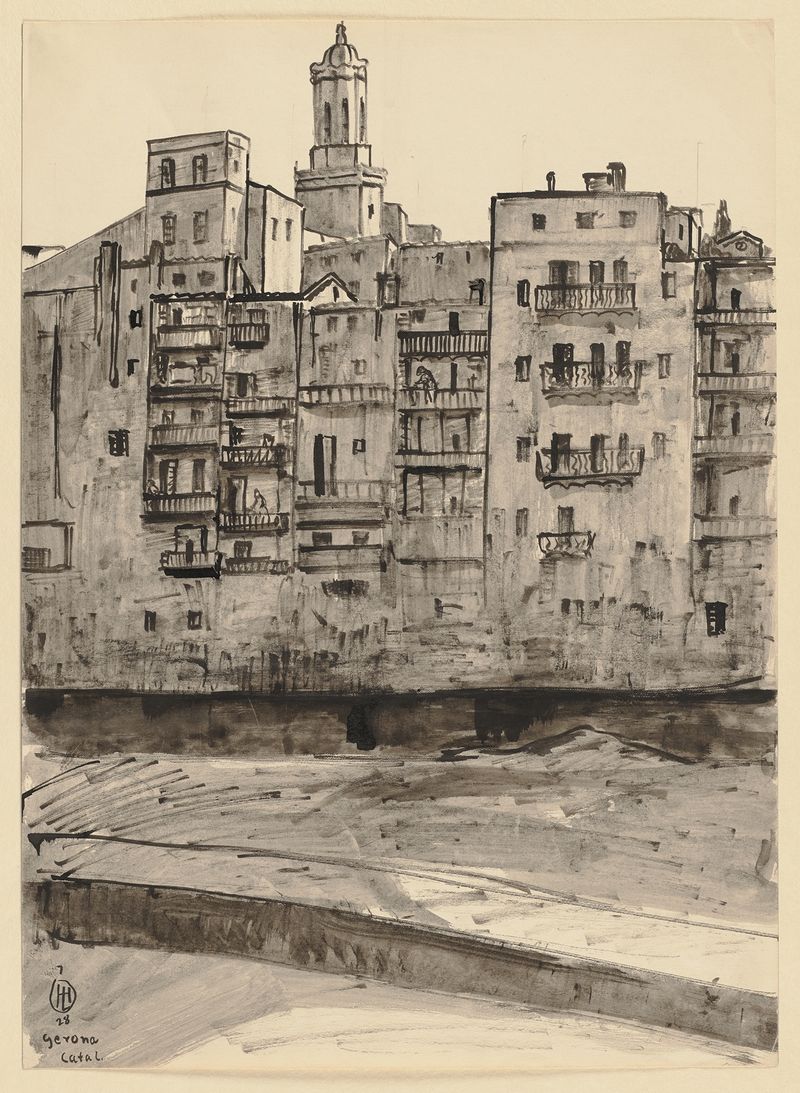
Girona vom Fluss aus gesehen, im Hintergrund der Turm der Kathedrale
Hermann Lismann
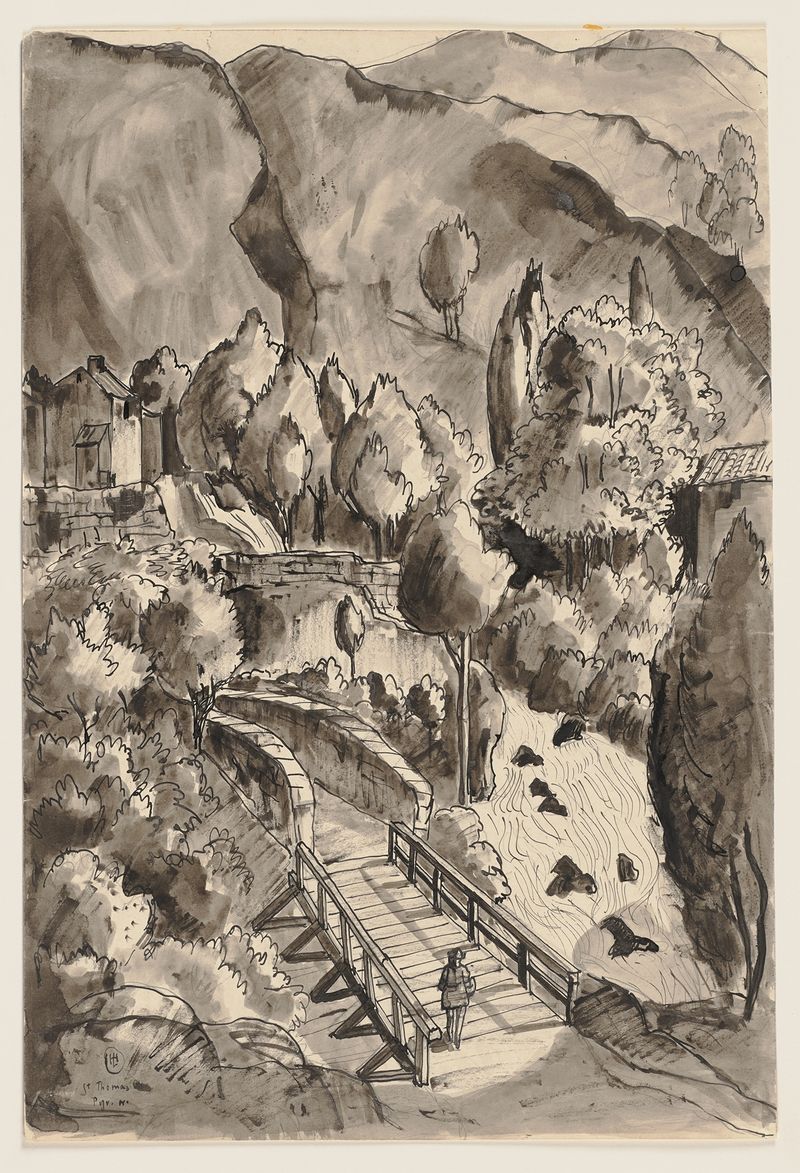
Saint Thomas, Pyrénées
Hermann Lismann
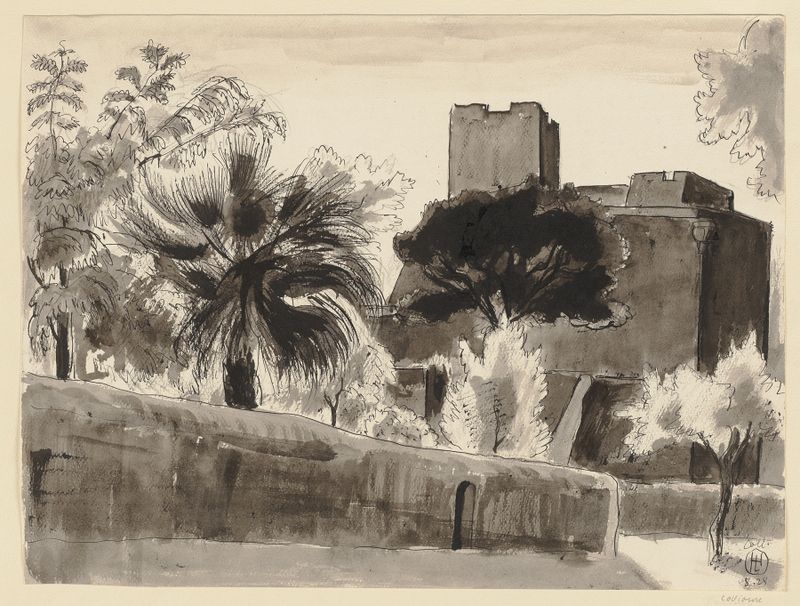
Collioure
Hermann Lismann





