Blick auf Garmisch-Partenkirchen — History & Facts
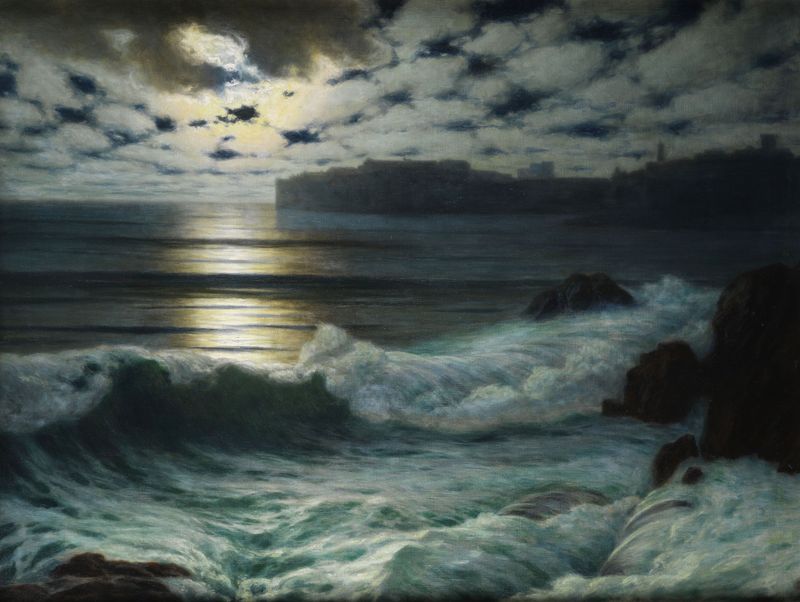
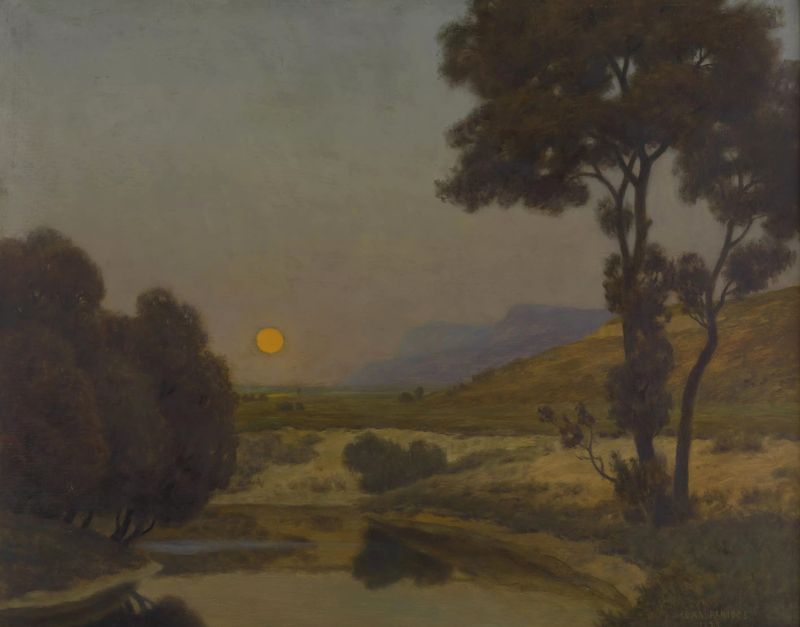
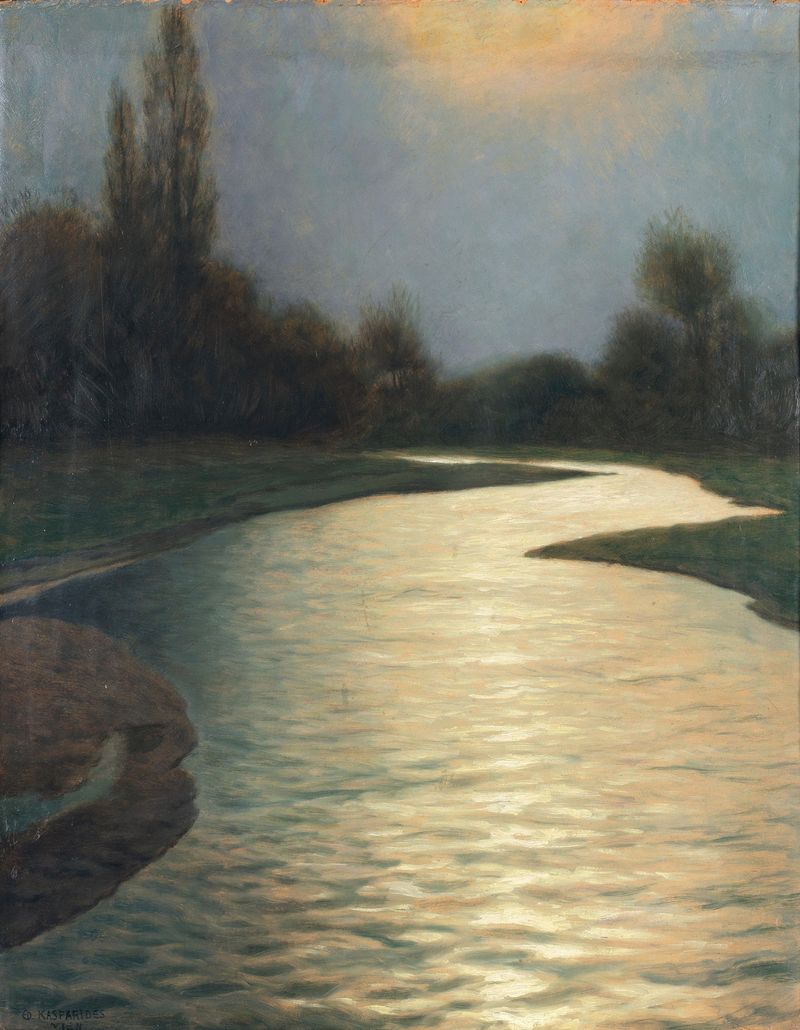
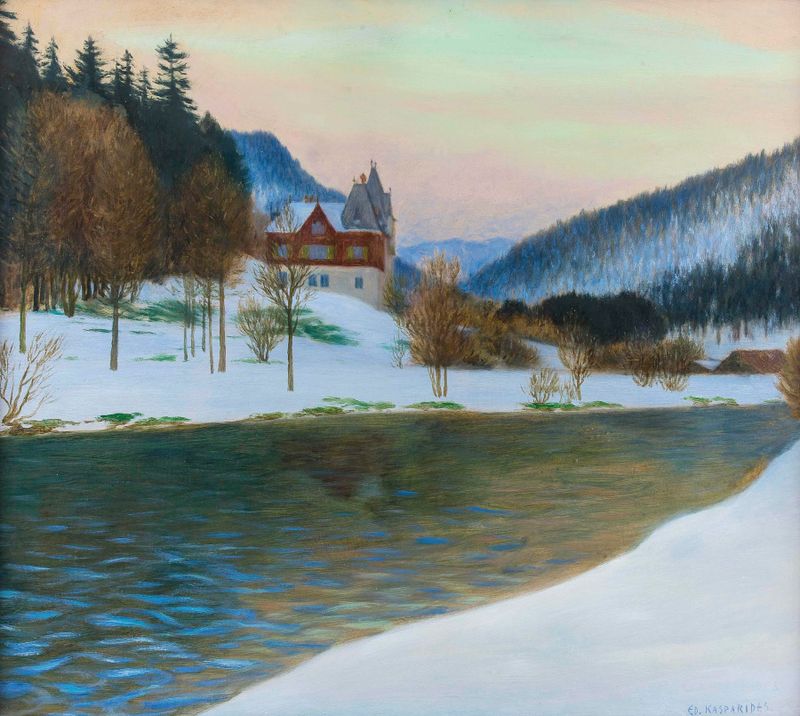
What if silence could speak through light? In the stillness of a landscape, the echoes of what once was gently linger, inviting contemplation amidst the beauty of nature. Focus on the gentle undulations of the mountains, where the brushstrokes breathe life into the peaks and valleys. Notice how the soft, muted palette of greens and blues envelops the scene, creating a serene yet melancholic atmosphere. The light, delicately filtering through the clouds, dances on the surface of a tranquil lake, reflecting a world that feels both present and hauntingly distant. In the distance, the viewer might perceive a sense of isolation — the vast expanse of nature juxtaposed against the ephemeral nature of human existence.
Elements of shadow creep into the corners of the canvas, hinting at the weight of loss that permeates the scene. The way the landscape stretches into the horizon evokes an emotional tension, as if it holds secrets of moments past, whispering stories of those who have come and gone. Eduard Kasparides painted this work during a period when artists sought to capture the essence of the natural world in profound and emotive ways. The exact date remains uncertain, but it is understood that his relationship with the scenic beauty of Bavaria significantly influenced his art.
Amidst the evolving art movements of his time, he remained a steadfast observer, translating the emotional landscapes of his own experiences into visual narratives that resonate deeply with viewers.