Jagdschloss Mürzsteg, Sommerresidenz des Bundespräsidenten — History & Facts
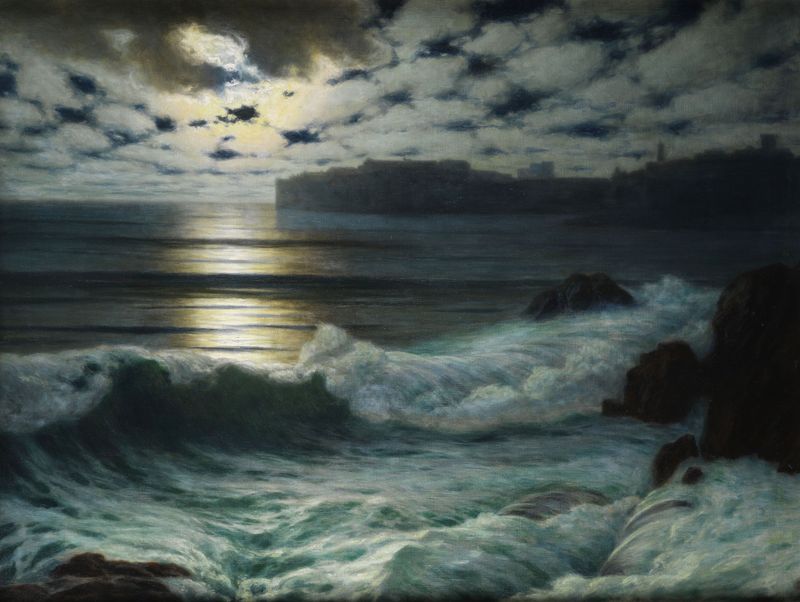
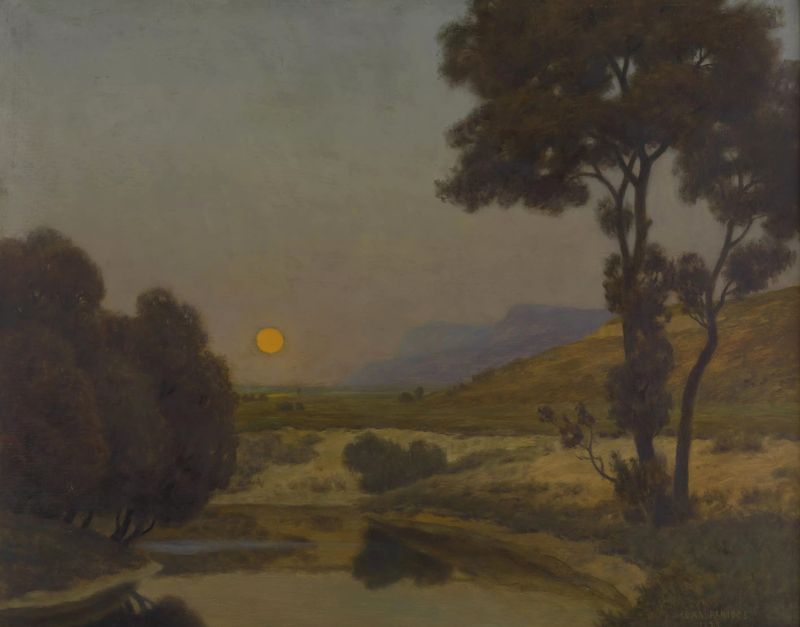
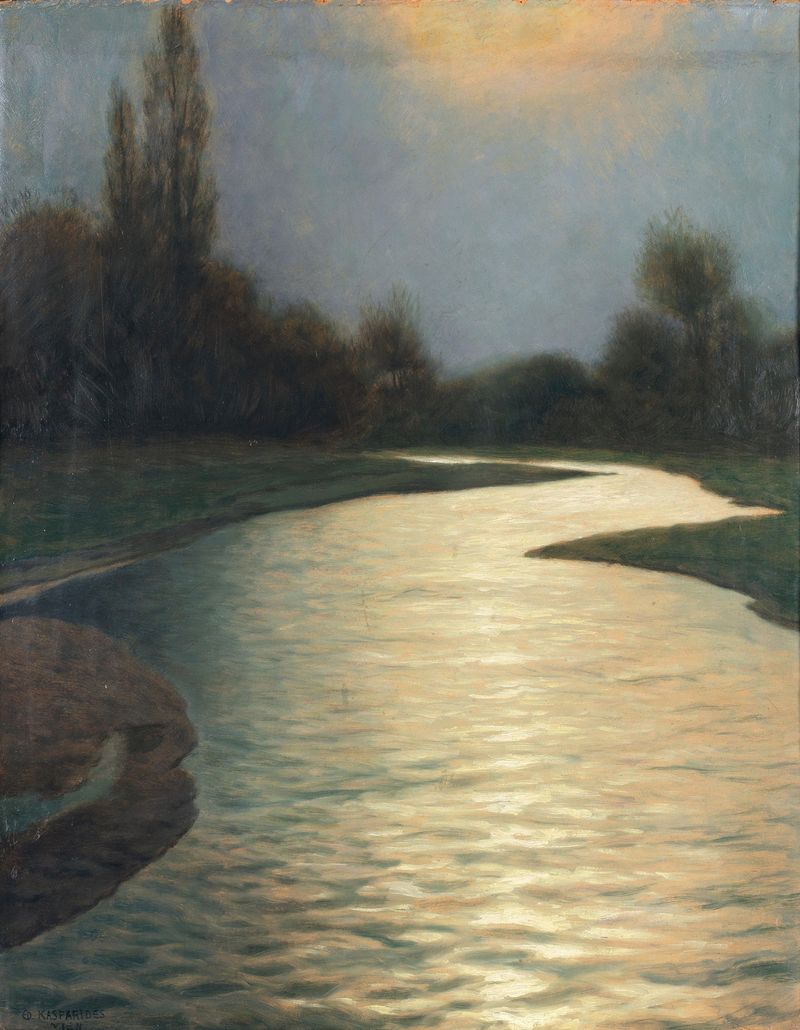
In the stillness of a summer’s day, the divine beauty of a summer residence unfolds, revealing the intersection of architecture and nature. Each stroke beckons the viewer to ponder the sacredness embodied within the walls and the sprawling landscape that cradles it. Look to the foreground, where the meticulously painted trees stand tall, their verdant hues harmonizing with the soft blue sky. Notice how light dances upon the textured surfaces of the castle, illuminating its intricate details.
The brushwork, both precise and fluid, gives life to the structure, making it seem to breathe alongside the surrounding flora. The composition draws the eye along a gentle path that leads into the depths of the painting, inviting exploration and contemplation. As you delve deeper, consider the contrasts within the scene—between man-made elegance and the organic chaos of nature. This juxtaposition evokes a sense of tranquility amidst tension, a reminder that even the most refined creations exist in dialogue with the wild.
The interplay of light and shadow not only highlights architectural brilliance but also hints at the divine hand that seems to guide the viewer’s gaze, as if suggesting a harmonious relationship between humanity and the natural world. Eduard Kasparides created this work at an unspecified time, yet it reflects a moment in art history where the Romantic ideal of merging nature with human achievement was prevalent. While the exact circumstances of his life remain unclear, this painting embodies a celebration of both the architectural and natural worlds, resonating with a longing for beauty and serenity that defined much of the era’s artistic pursuits.