
Blick auf Mamolsheim — History & Facts
Can beauty exist without sorrow? In Hans Thoma’s Blick auf Mamolsheim, a delicate interplay of nature and emotion reveals the quiet ache embedded within serene landscapes. The viewer is drawn into a scene that captures a moment suspended in time, where joy and grief are intertwined like the branches of the trees swaying in the breeze. Focus on the soft gradients of green and gold that wash over the hills, creating a tapestry of richness that invites the eye to wander. The foreground, dotted with wildflowers painted with such tender precision, leads to the village nestled below, its muted tones harmonizing with the surrounding landscape.
Notice how the light falls upon the distant mountains, casting long shadows that suggest both depth and distance, evoking a sense of longing that stretches beyond the canvas. Yet, amidst this picturesque view, subtle hints of melancholy linger. The solitary farmhouse, slightly aloof from the village, seems to whisper secrets of isolation, while the winding path leading to it invites contemplation. The contrast between the vivid life of the flowers and the quiet stillness of the house speaks to the duality of existence, where beauty coexists with the weight of sorrow.
In this way, Thoma masterfully captures the essence of human experience, illustrating how joy is often laced with a sense of loss. Created in 1890 while Thoma was in Germany, Blick auf Mamolsheim reflects his deep connection to the Black Forest, a region that influenced much of his work. During this time, the artist was grappling with the transition of Romantic ideals and the rise of a more modern artistic approach. His focus on nature and the human condition speaks to a period of reflection and change in both his life and the broader art world, as new movements began to emerge, challenging traditional perspectives.
More Artworks by Hans Thoma
Browse all →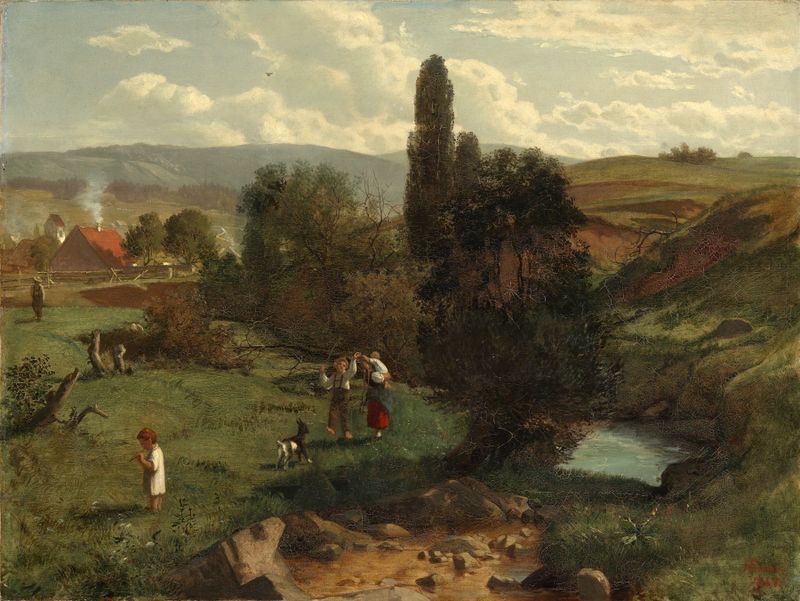
Schwarzwaldlandschaft
Hans Thoma
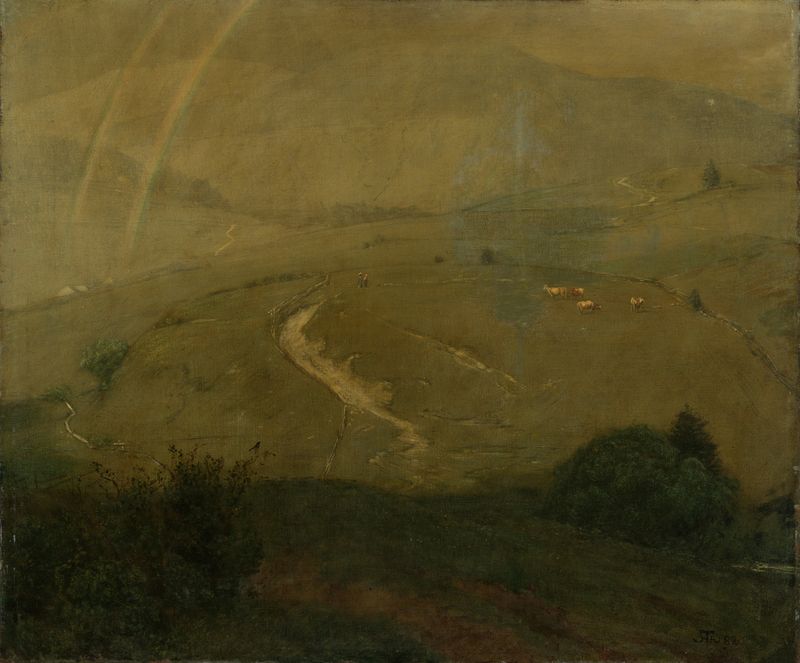
Regen im Schwarzwald
Hans Thoma
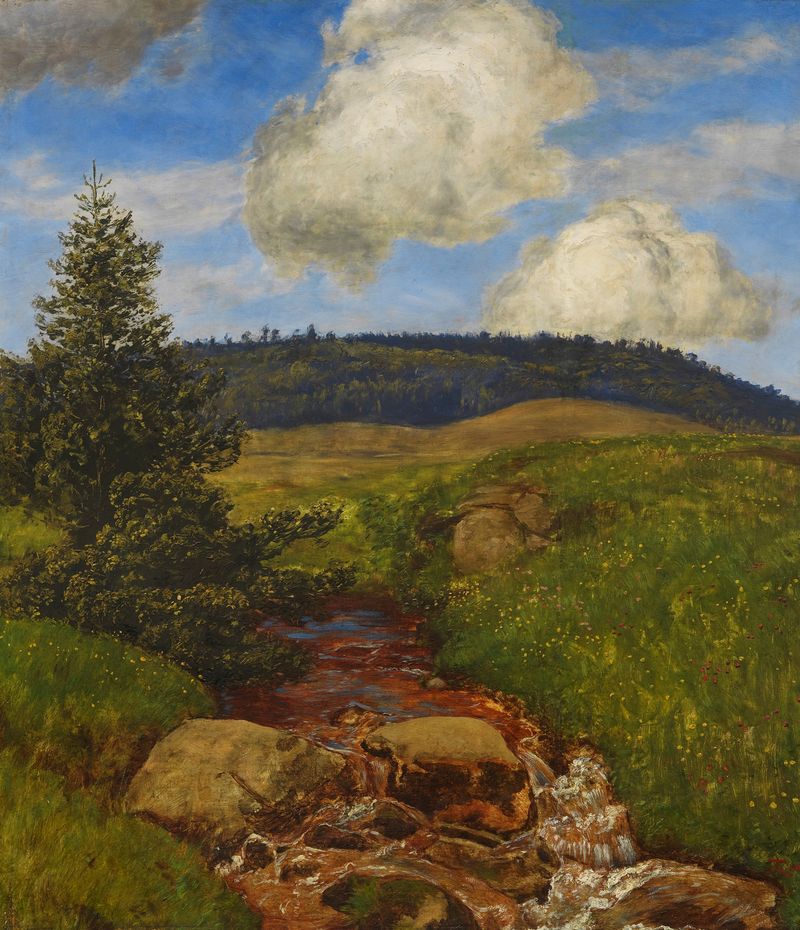
Schwarzwaldbach
Hans Thoma
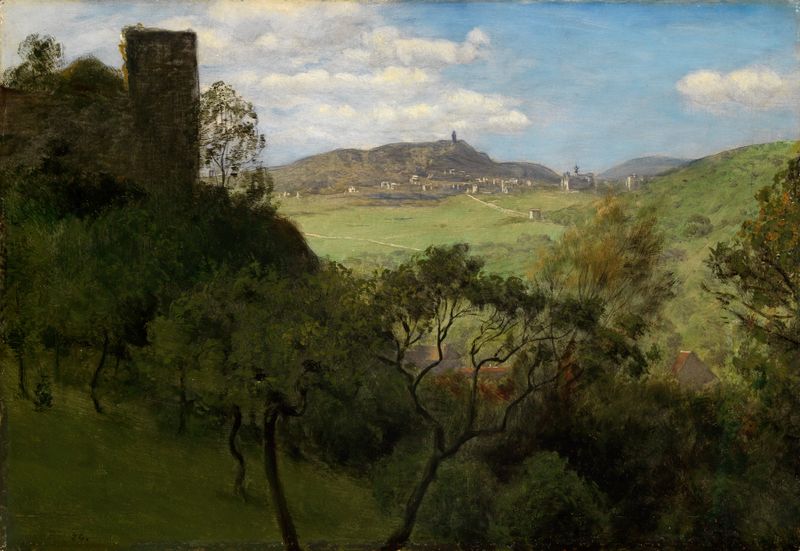
Blick auf Falkenstein im Taunus
Hans Thoma
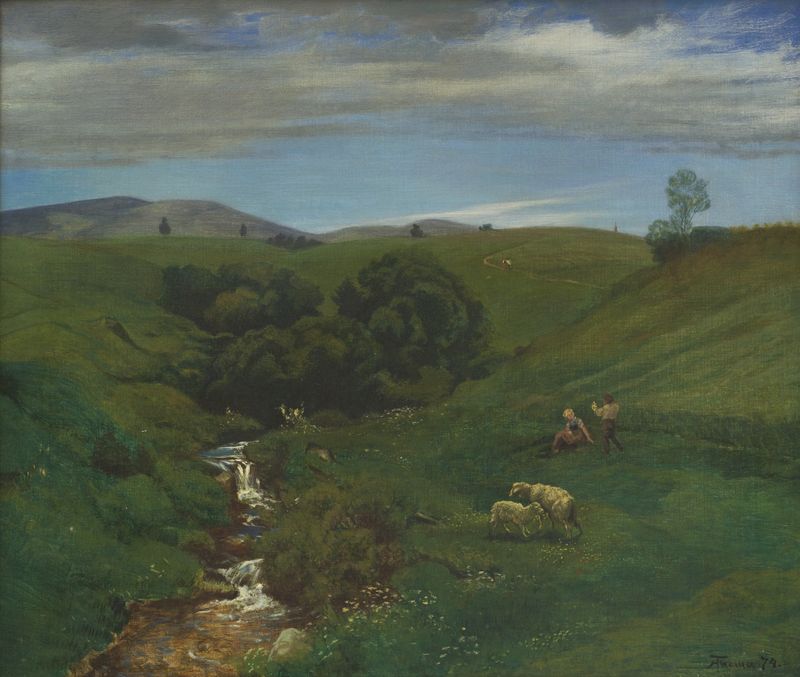
Black Forest Meadow near Bernau
Hans Thoma
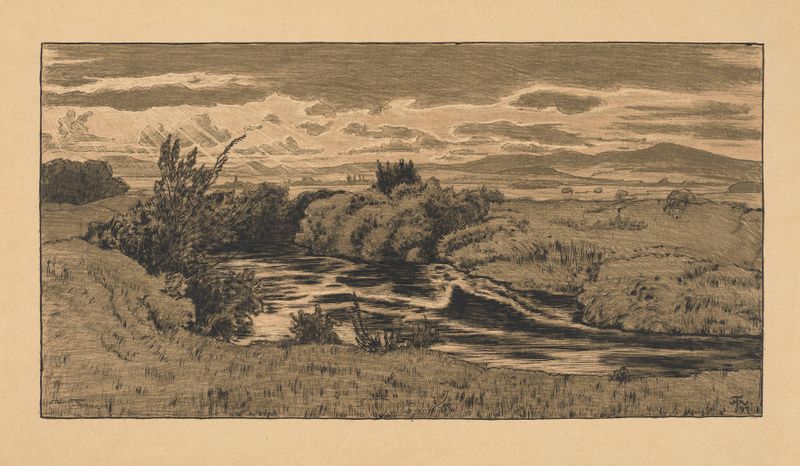
Evening by the Nidda River
Hans Thoma
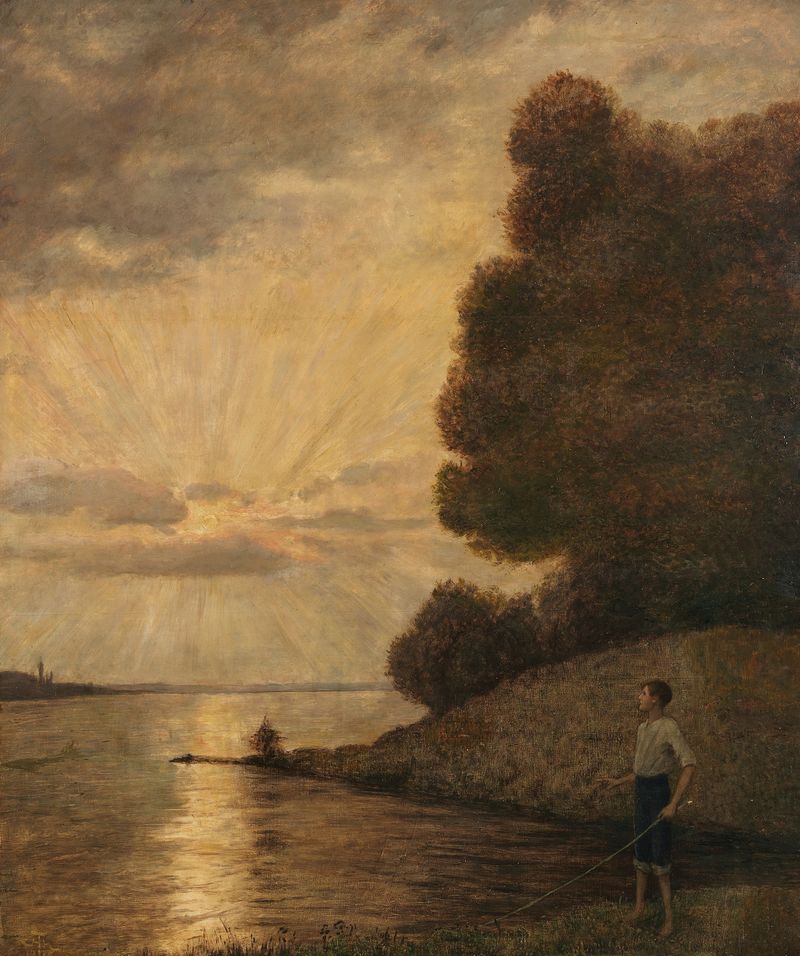
Sonnenuntergang am Oberrhein
Hans Thoma
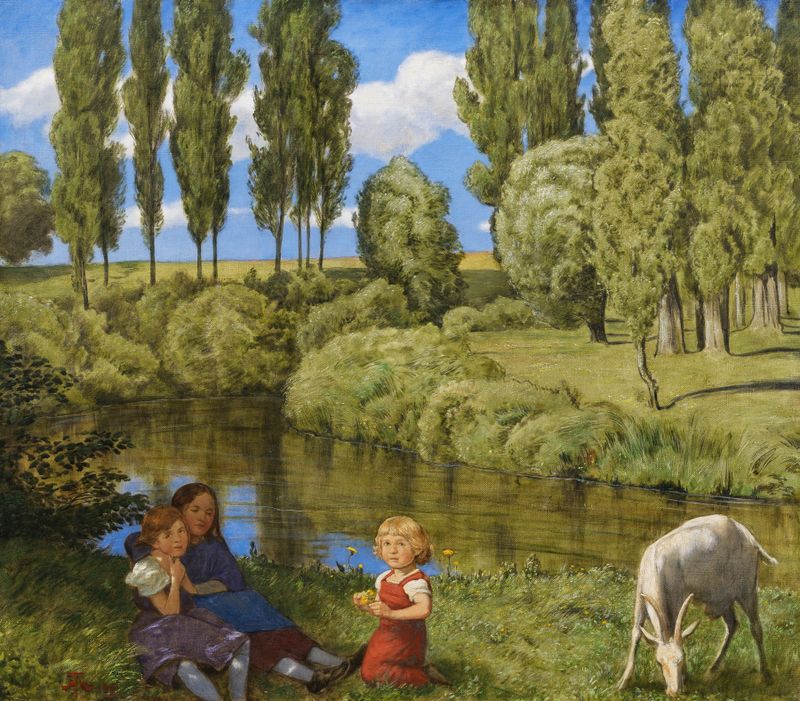
Am Stillen Bach
Hans Thoma
Der Abendstern
Hans Thoma
Das Rheintal bei Säckingen
Hans Thoma





