
Blick vom Pilatus — History & Facts
Who listens when art speaks of silence? In Blick vom Pilatus, a profound stillness envelops the viewer, inviting reflection on the quiet movement of nature. Look closely at the sweeping landscape where the majestic peaks stretch across the canvas. Notice how the cool blues and soft whites of the sky dance above the rugged mountains, creating a striking contrast against the rich greens of the valley below. The brushwork captures not just the physicality of the scene but also the essence of the air itself—the blurring of edges suggests a gentle breeze, and the varying textures of the foliage draw your eye through the composition, creating a sense of depth and movement. The interplay of light and shadow whispers stories of time passing.
The sunlight filters through the clouds, illuminating certain peaks while leaving others shrouded in mystery, hinting at the ephemeral nature of beauty. The way the foreground transitions into the distant horizon evokes a feeling of both isolation and connection—an invitation to contemplate one’s place within the grandeur of the world. Here, the viewer may find solace and a reminder of life's impermanence. Hans Thoma painted Blick vom Pilatus in 1904 while living in Germany, a time when the art world was shifting towards more expressive forms.
The artist, known for his landscapes, sought to reflect the sublime beauty of nature and its capacity to evoke emotional experiences. As Impressionism was gaining prominence, Thoma's work embodied a distinct blend of realism with a touch of idealism, capturing the essence of a moment that resonates with the viewer long after they leave the canvas behind.
More Artworks by Hans Thoma
Browse all →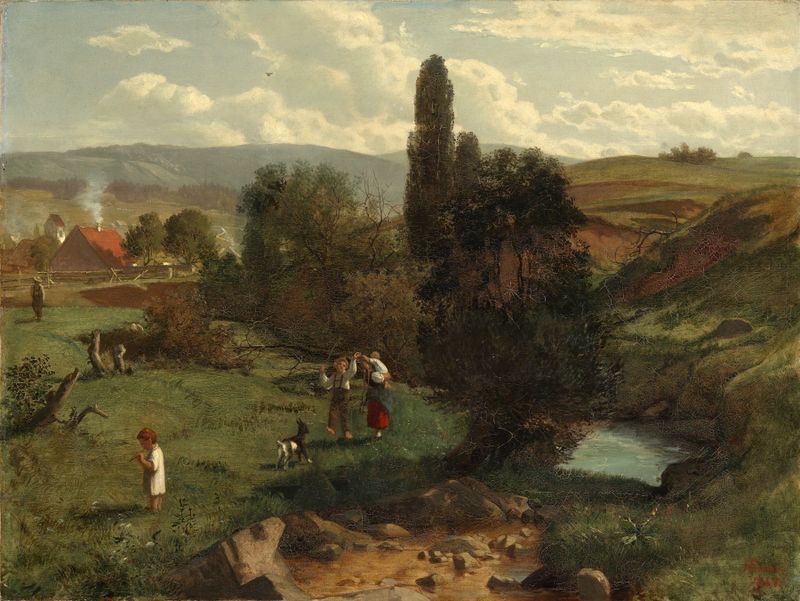
Schwarzwaldlandschaft
Hans Thoma
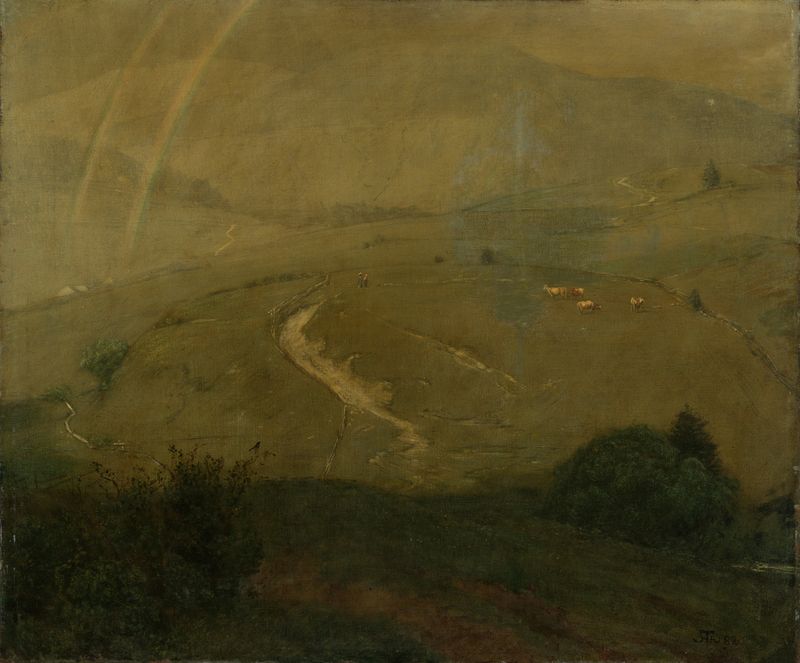
Regen im Schwarzwald
Hans Thoma
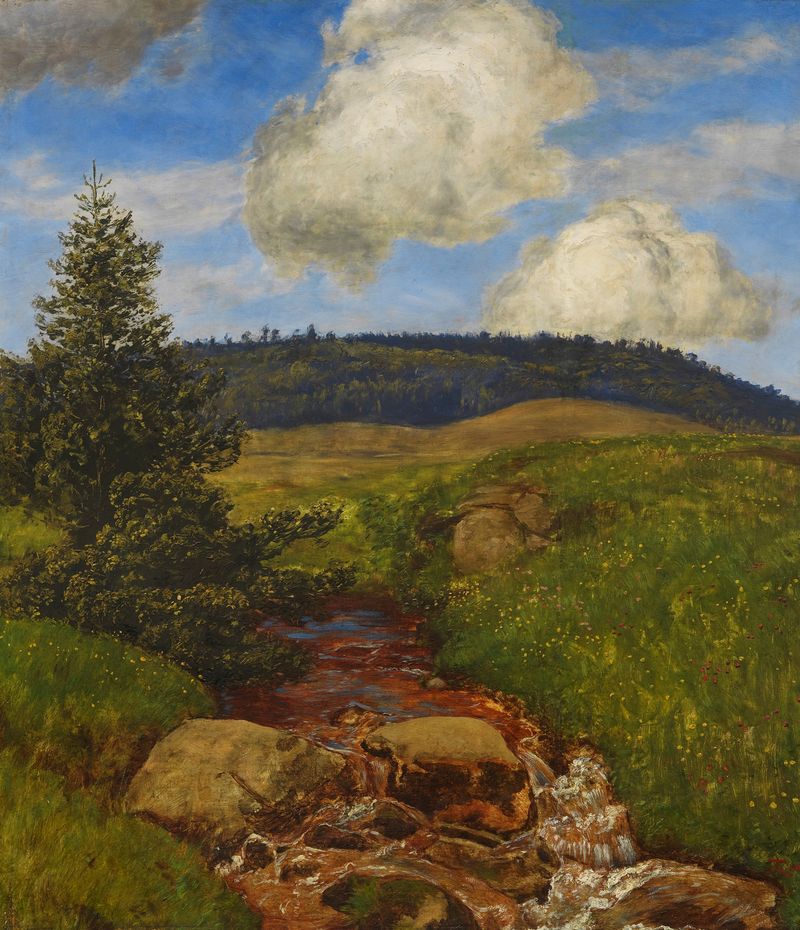
Schwarzwaldbach
Hans Thoma
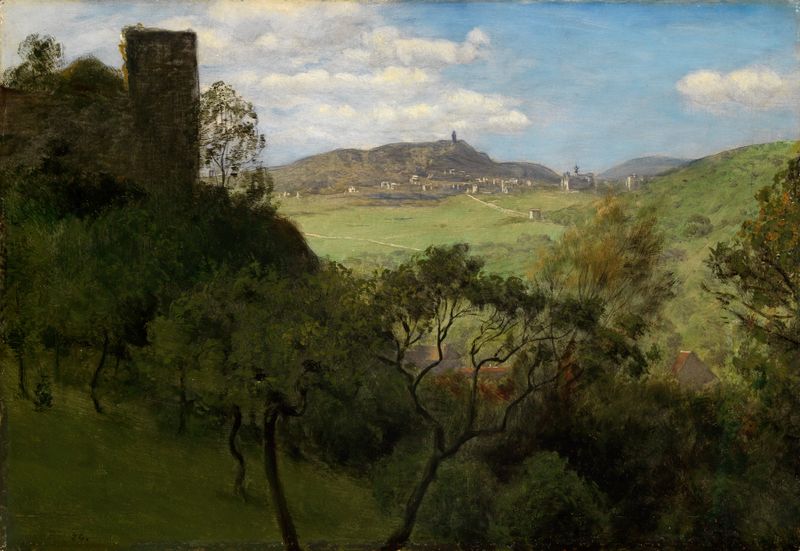
Blick auf Falkenstein im Taunus
Hans Thoma
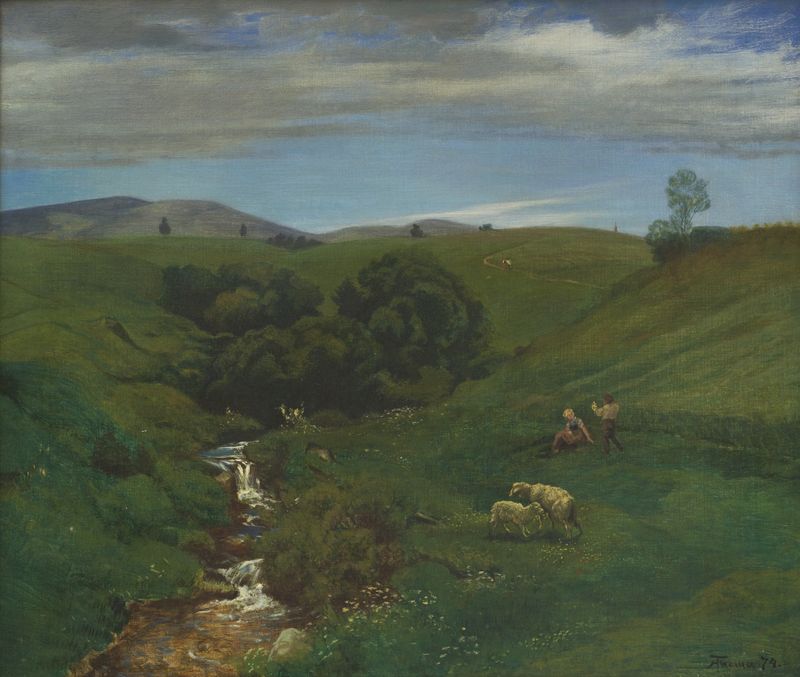
Black Forest Meadow near Bernau
Hans Thoma
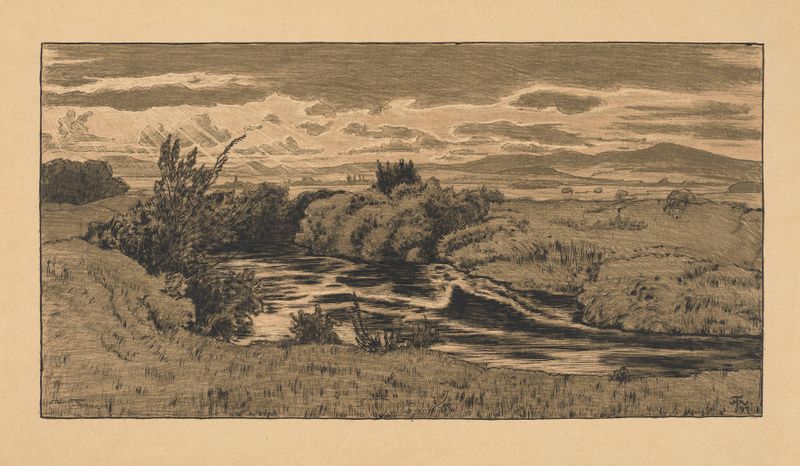
Evening by the Nidda River
Hans Thoma
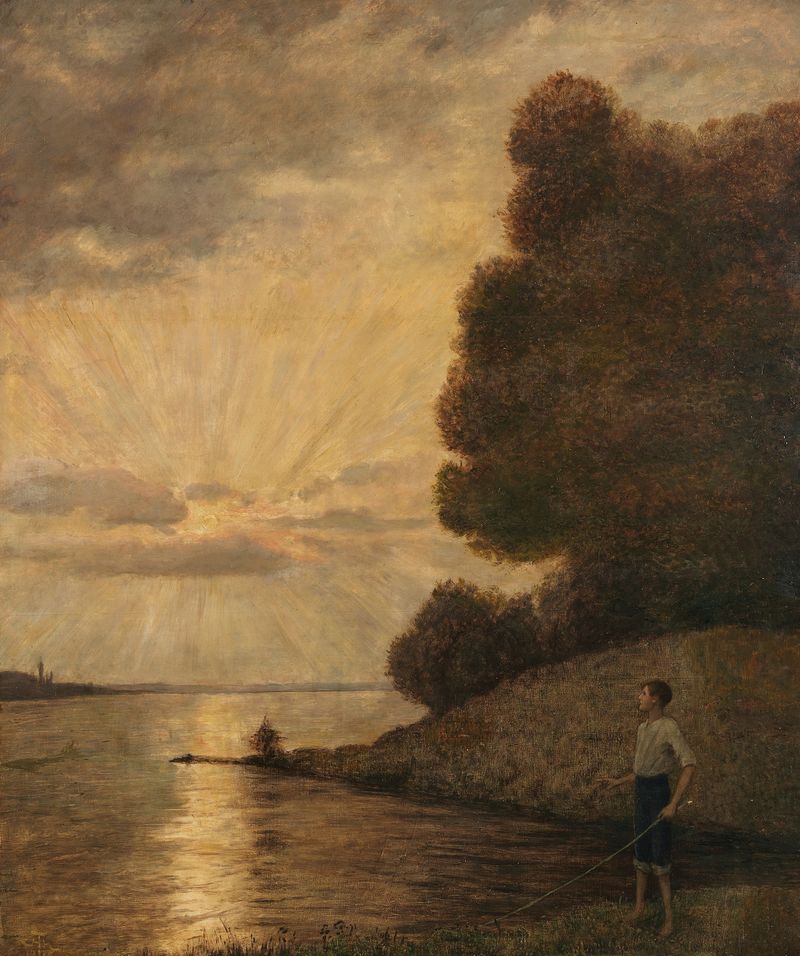
Sonnenuntergang am Oberrhein
Hans Thoma
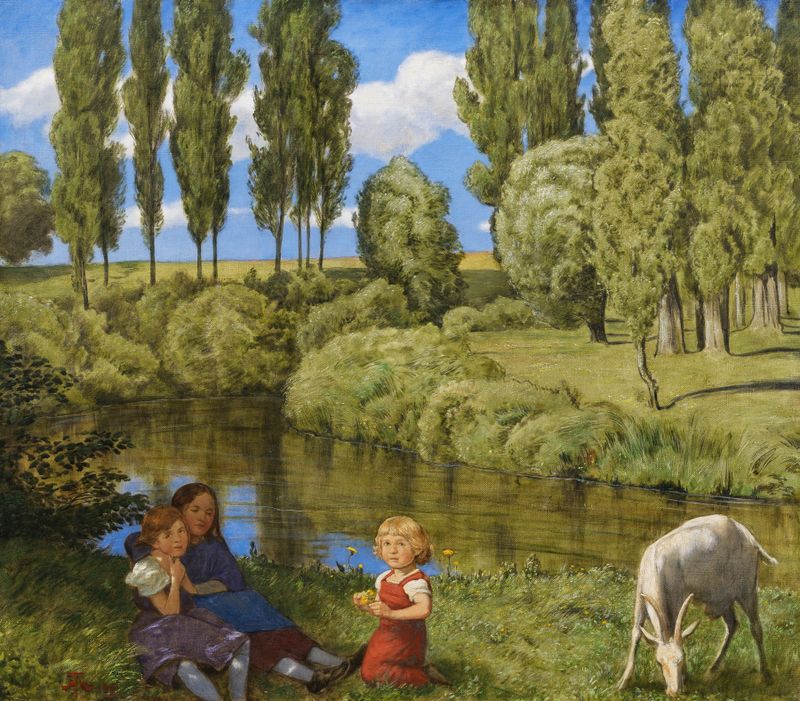
Am Stillen Bach
Hans Thoma
Der Abendstern
Hans Thoma
Das Rheintal bei Säckingen
Hans Thoma





