
Boatbuilders on the Riverbank — History & Facts
When did color learn to lie? In Boatbuilders on the Riverbank, the vivid strokes of paint dance between reality and illusion, evoking an unsettling tension that underlies the seemingly tranquil scene. Look to the left where craftsmen labor under a canopy of verdant trees, their hands deftly shaping timber into boats. Notice how the warm, golden light spills across the river, contrasting sharply with the cool, shadowed waters that hide depths unknown. The figures, engaged in their toil, seem almost frozen in time, their expressions a blend of concentration and something deeper—perhaps anxiety or foreboding.
The fluid brushwork captures not just their actions but the very essence of their labor, revealing the fragility of their existence against the overwhelming force of nature. Digging deeper, there is an interplay of life and death, creation and destruction. The boats, symbols of hope and progress, float above dark waters that whisper of danger and uncertainty. The lush foliage, while vibrant, hints at encroaching shadows, suggesting that beauty is often accompanied by the threat of loss.
Each stroke holds a duality, reflecting both the promise of craftsmanship and the fear of the unseen depths, reminding viewers that even in moments of industriousness, dread lingers close at hand. Created in 1848, this work represents a pivotal moment in Ignaz Raffalt's career, as he was influenced by the burgeoning Romantic movement that emphasized emotion and the sublime. Working amidst the socio-political upheaval of Europe, he sought to capture not only the beauty of everyday life along the river but also the anxiety of an era grappling with change. This painting stands as a testament to the struggles and aspirations of its time, layered with a depth that resonates into the present.
More Artworks by Ignaz Raffalt
Browse all →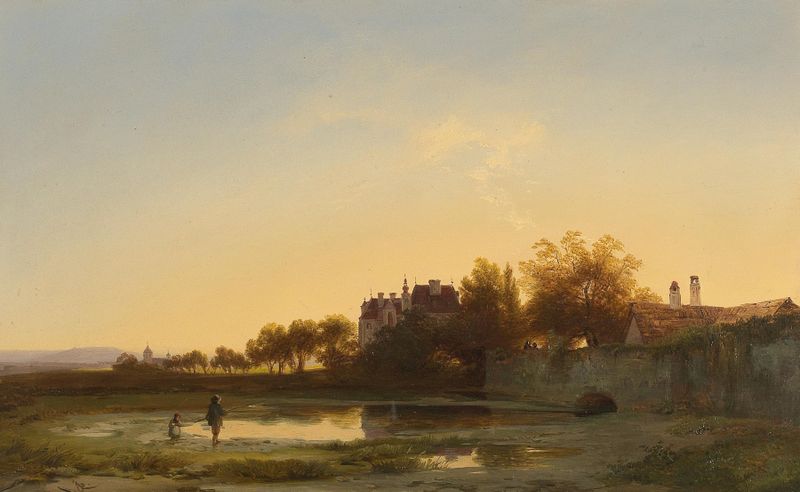
Angler in the evening light by the castle pond
Ignaz Raffalt
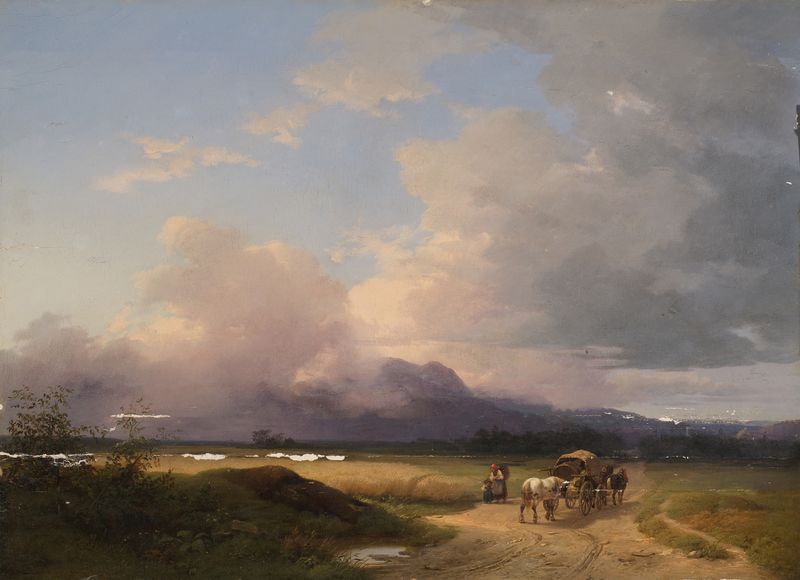
Voralpenlandschaft mit Fuhrwerk auf der Straße
Ignaz Raffalt

Hainbach near Vienna
Ignaz Raffalt

Resting in front of the Inn
Ignaz Raffalt

Stormy Landscape
Ignaz Raffalt
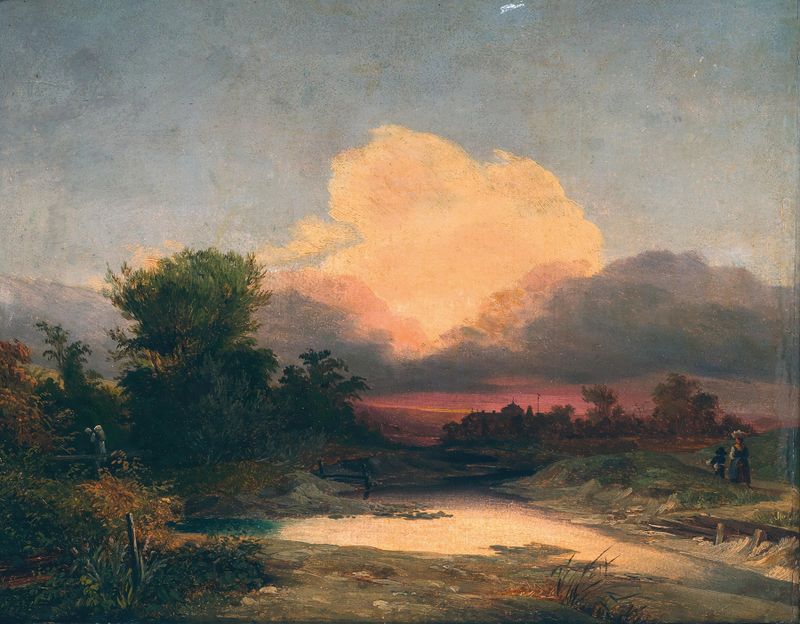
A Landscape at Sunset
Ignaz Raffalt
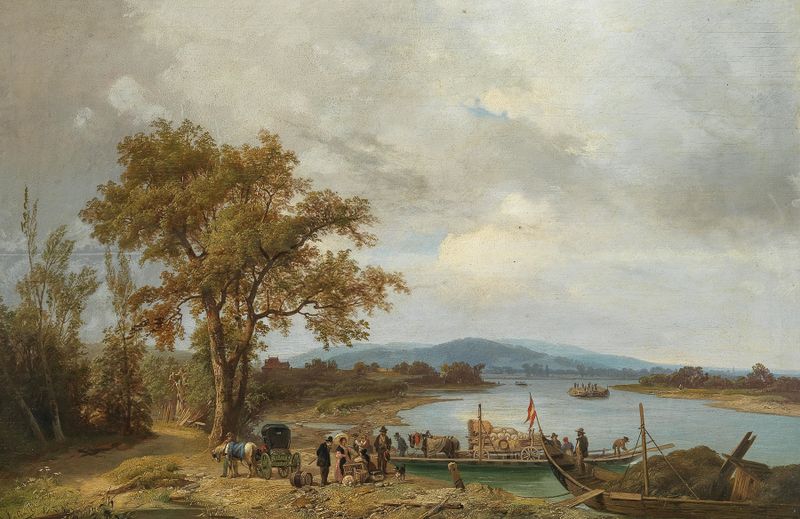
A Danube Landscape with Ferries
Ignaz Raffalt
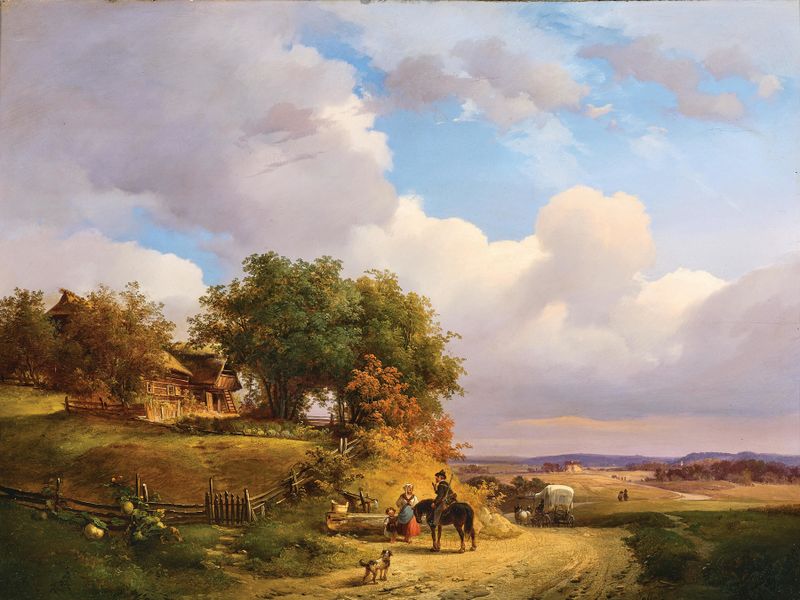
A Hunter Resting on a Country Road
Ignaz Raffalt
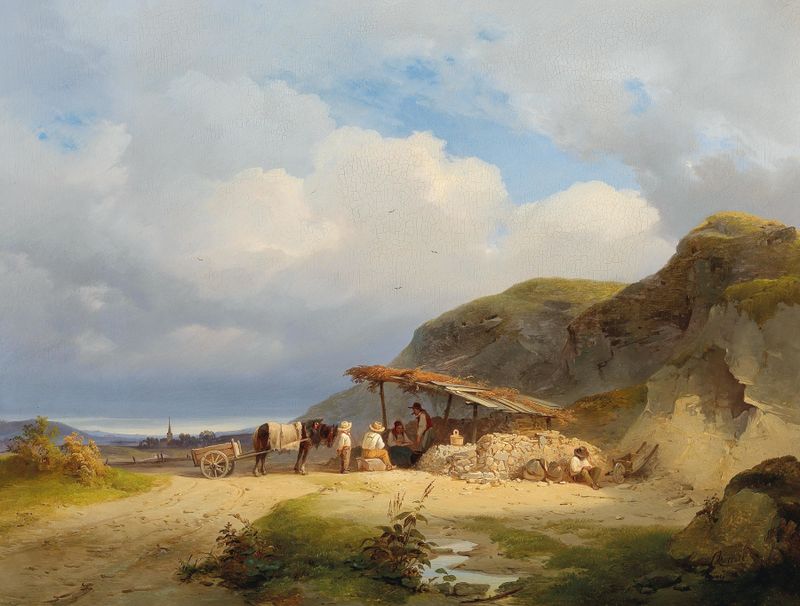
Resting at noon
Ignaz Raffalt
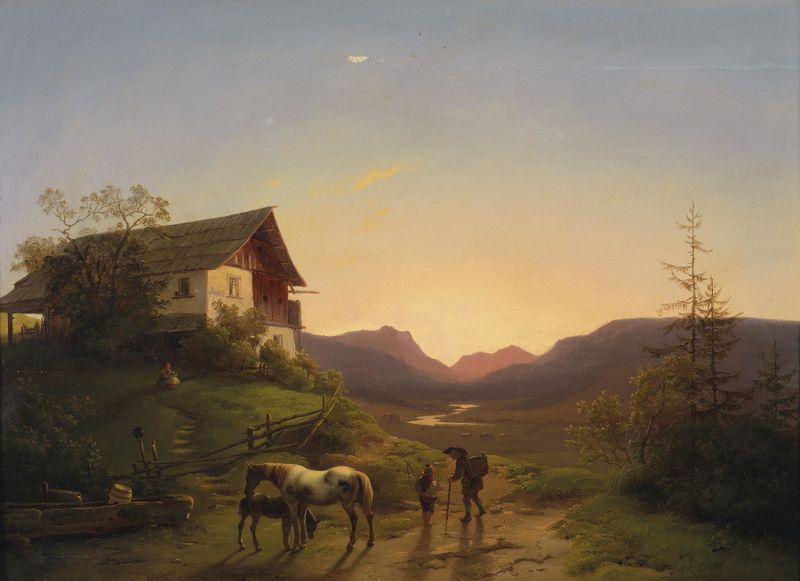
Abendstimmung
Ignaz Raffalt





