
Boats — History & Facts
Could beauty survive in a century of chaos? In Egon Schiele's Boats, this question unfolds against a backdrop of swirling colors, where the tumult of the early 20th century is palpable. Focus on the foreground, where the boats rest, their angular forms striking against the turbulent water. The bold strokes of deep blues and dramatic whites convey both movement and stillness, creating a tension that seems to pulsate with energy. Notice how the fragmented shapes of the boats mirror the chaos that looms in the background, hinting at both vulnerability and resilience in the face of an unpredictable world. Delve deeper into the contrasts at play: the stillness of the boats juxtaposed against the wild rippling water, representing humanity's struggle for stability amid external turmoil.
The rough brushwork conveys a sense of urgency, capturing fleeting moments that suggest not only the physical chaos of nature but the emotional tumult of the era. Each stroke is an echo of a world on the brink, evoking resilience, fragility, and a yearning for peace within tumult. Created in Vienna around 1905, Schiele's Boats emerged during a period marked by artistic experimentation and the looming shadows of World War I. As he sought to convey raw emotion and the human condition, this epoch was rich with expressionism, and Schiele was at the forefront, challenging traditional notions of beauty and form amidst a society increasingly fraught with chaos.
More Artworks by Egon Schiele

Lovers
Egon Schiele
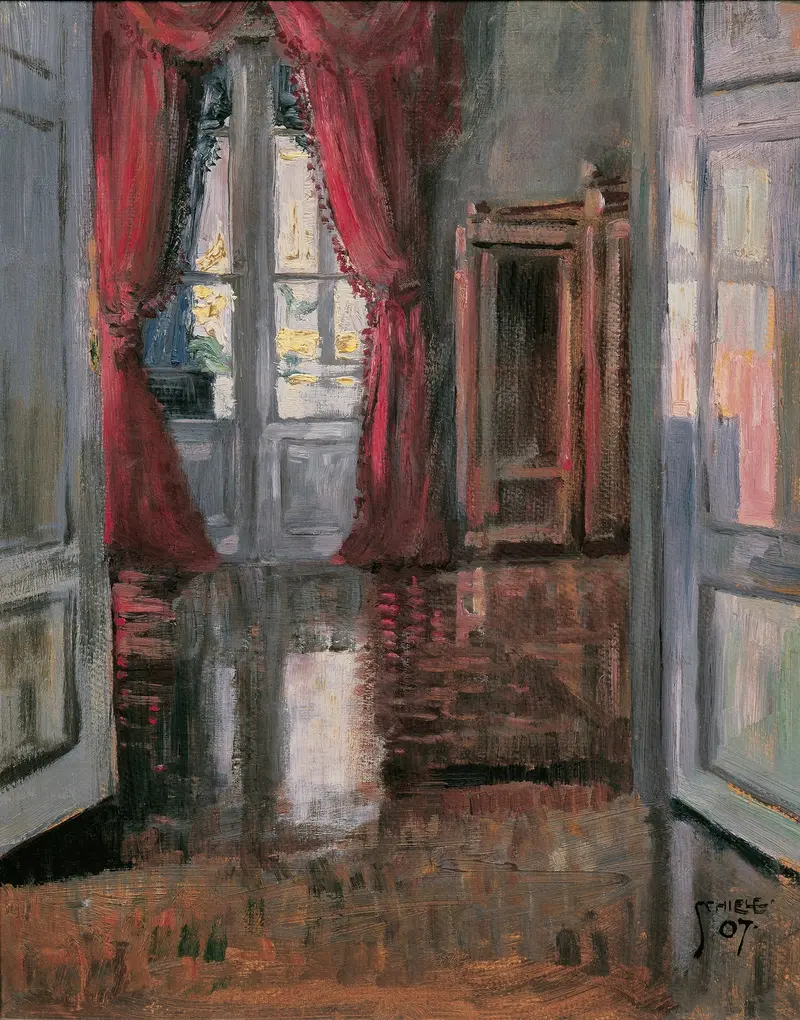
Blick in die Wohnung von Leopold und Marie Czihaczek
Egon Schiele
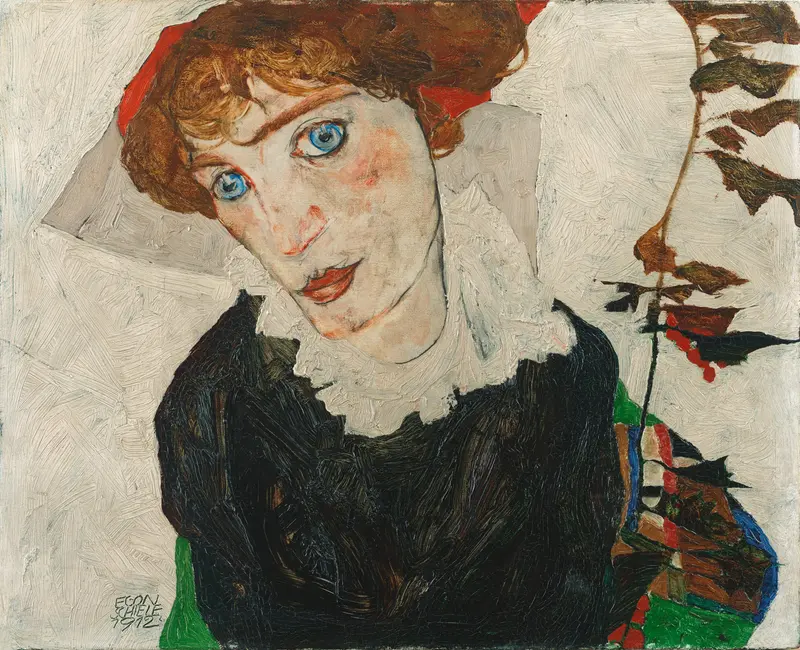
Portrait Of Wally Neuzil
Egon Schiele
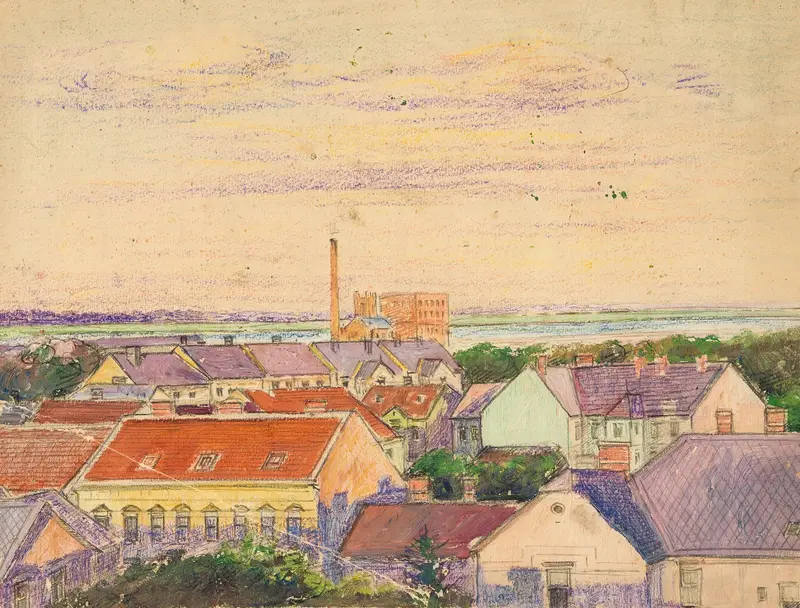
Stadtansicht
Egon Schiele
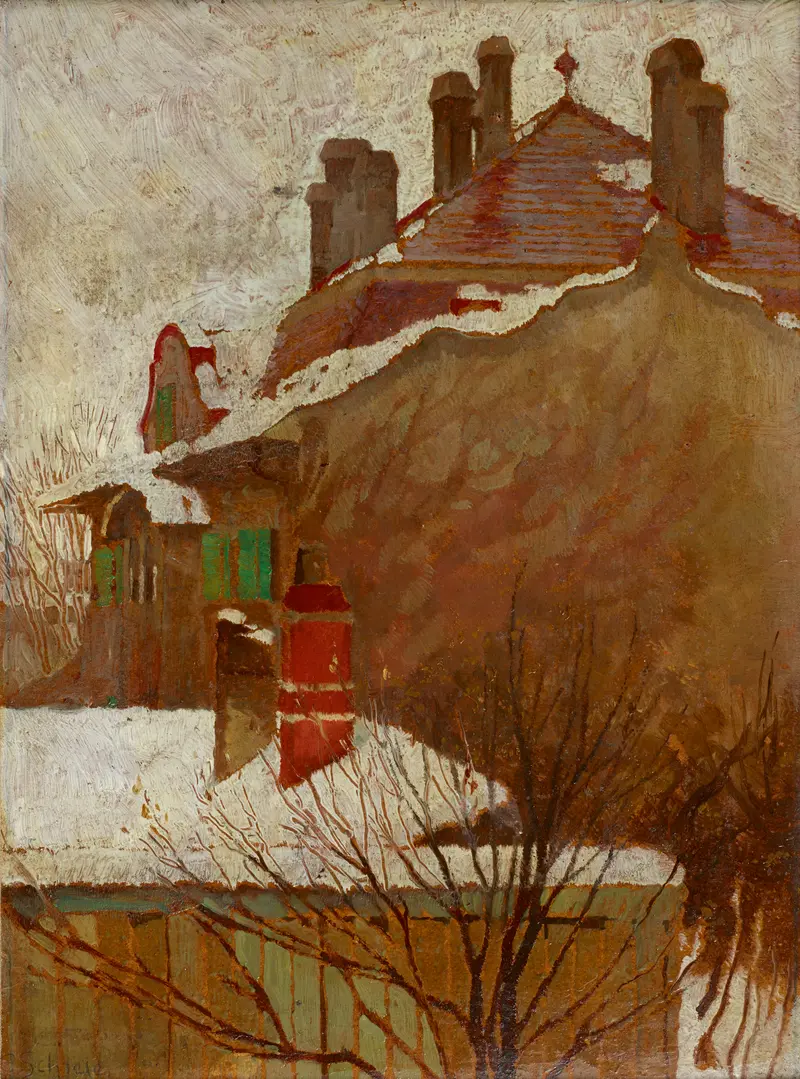
Häuser im Winter (Blick aus dem Atelier)
Egon Schiele
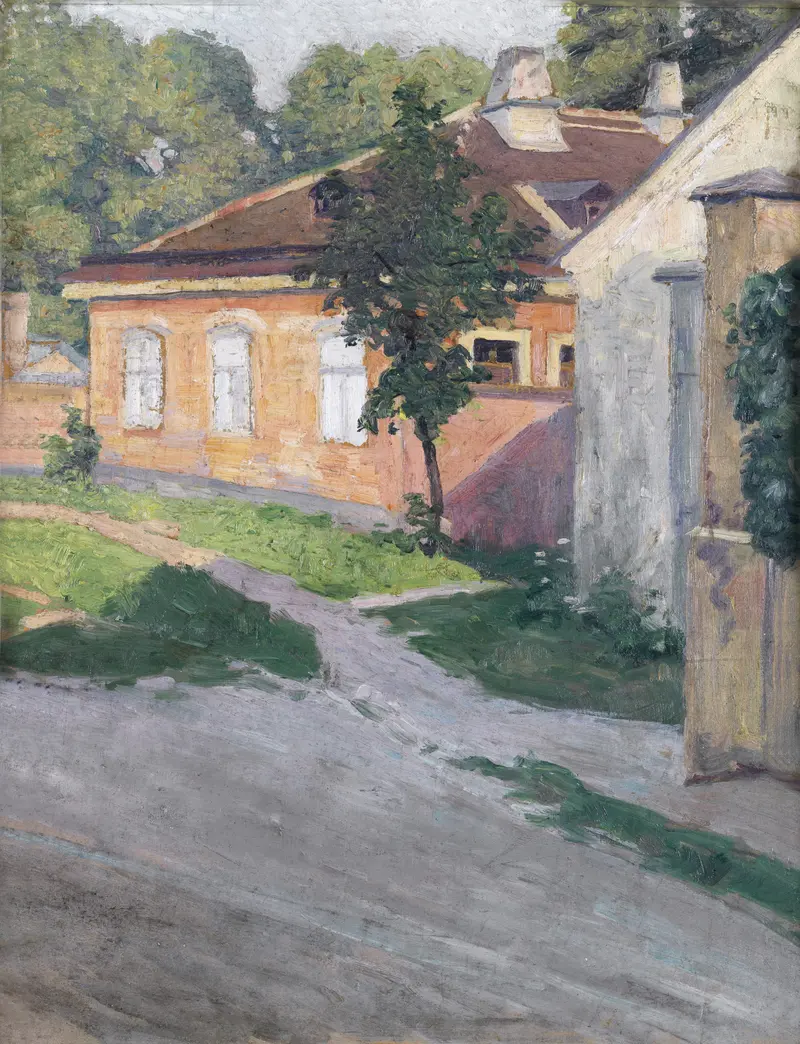
Haus In Hütteldorf (House In Hütteldorf)
Egon Schiele
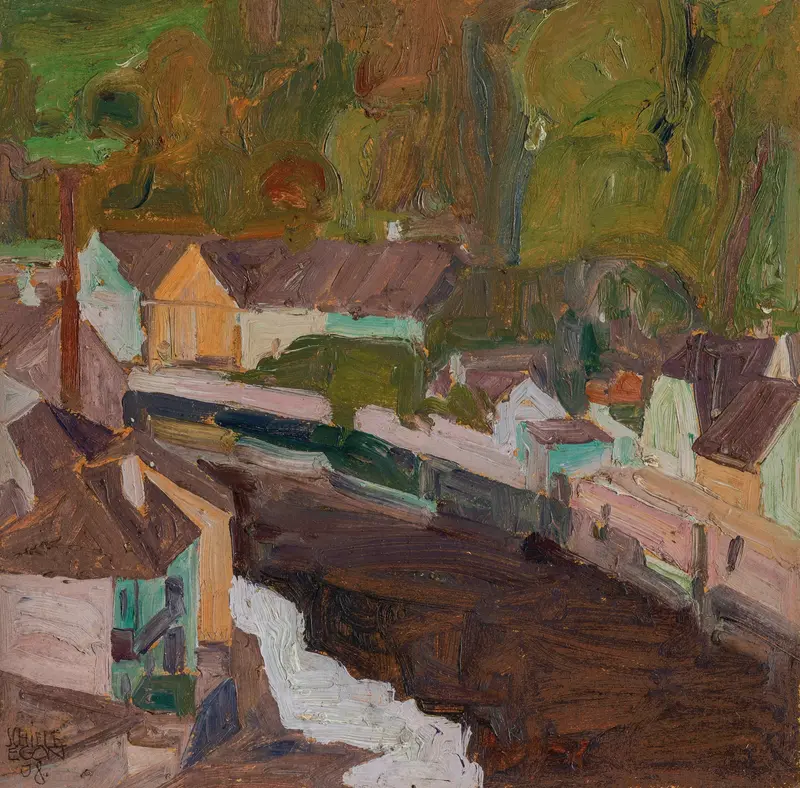
Dorf am Fluss II
Egon Schiele
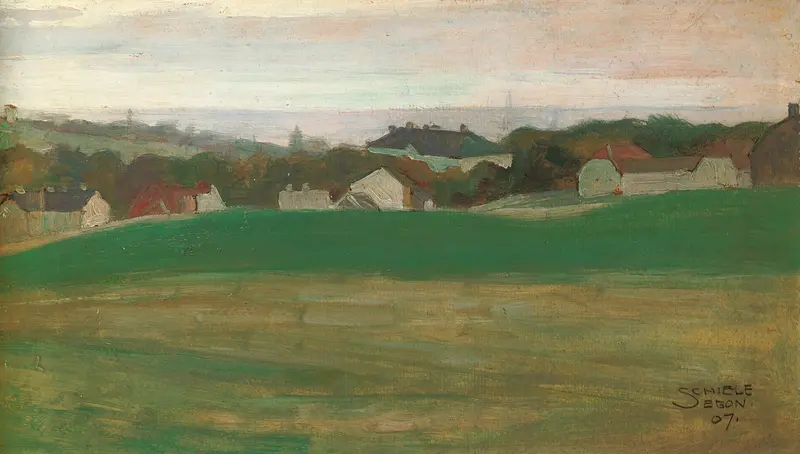
Wiese mit Dorf im Hintergrund II
Egon Schiele
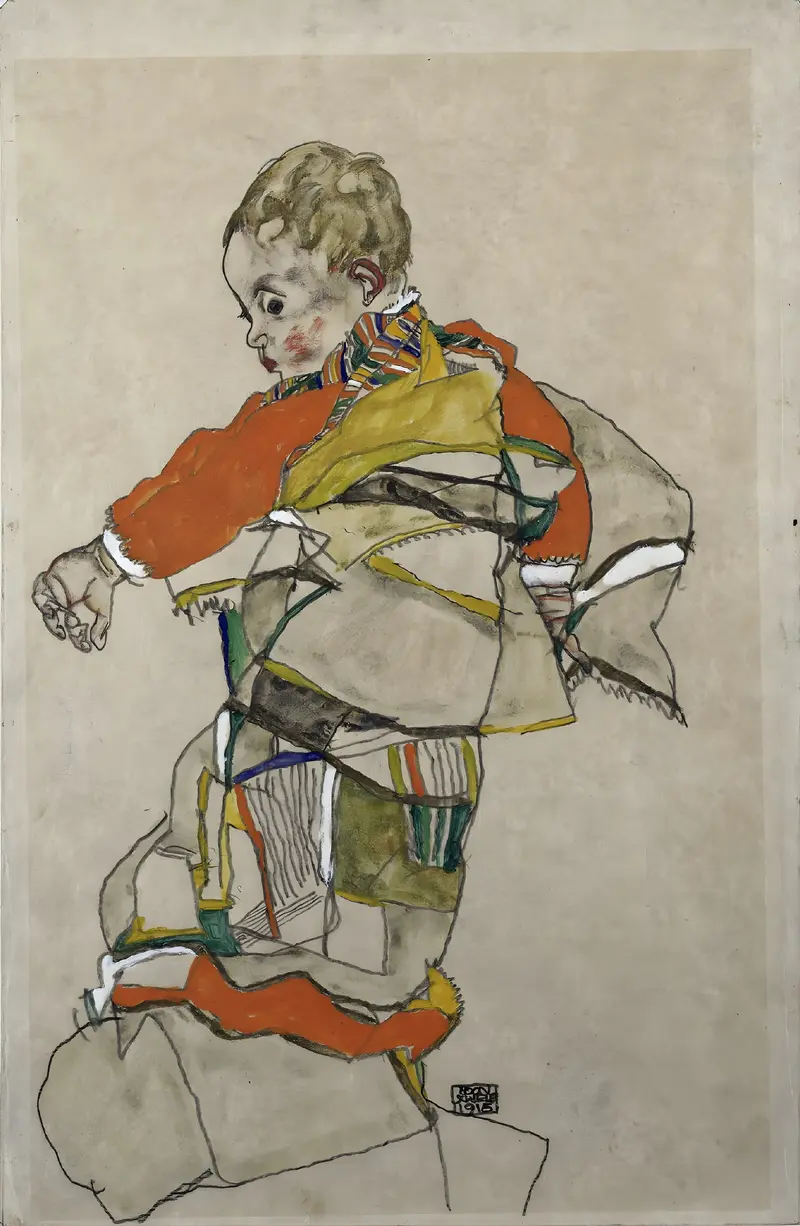
Portrait of a Child (Anton Peschka, Jr.)
Egon Schiele
The Embrace
Egon Schiele





