
Boats at Peel–Isle of Man — History & Facts
Could beauty survive in a century of chaos? In Boats at Peel–Isle of Man, the artist invites us into a moment suspended in time, where nature and human craftsmanship converge in harmonious transformation. Look to the left at the soft, undulating waves, their gentle teal hues reflecting the tranquil sky above. Notice how the light dances upon the surface of the water, creating a shimmering pathway that draws the eye towards the anchored boats. The warm earth tones of the vessels contrast beautifully with the cooler backdrop, emphasizing both their presence and the transient nature of the scene.
The composition, with its balanced arrangement of boats and shoreline, immerses the viewer in the daily rhythm of life by the sea. Delve deeper into the emotional undercurrents of this work. The boats, sturdy yet fragile, symbolize resilience against the unpredictable forces of nature, while the distant cliffs loom with an ancient permanence, serving as a reminder of the passage of time. The light, soft and golden, conveys a sense of hope and renewal, suggesting that amidst change, there is always the possibility of beauty.
Each brushstroke captures not only the physical scene but also a moment of reflection on life’s transformations and the interplay between human endeavor and the natural world. In 1889, Julian Alden Weir painted this piece during a period of significant artistic exploration and personal transition. Living in Connecticut and influenced by the Impressionist movement in Europe, he sought to blend traditional techniques with a lighter palette and a focus on fleeting moments. This work reflects both his personal evolution as an artist and the broader shifts occurring in the world of art at the time, as painters began to embrace spontaneity and the beauty of everyday experiences.
More Artworks by Julian Alden Weir
Browse all →
My Back Yard no. 1
Julian Alden Weir
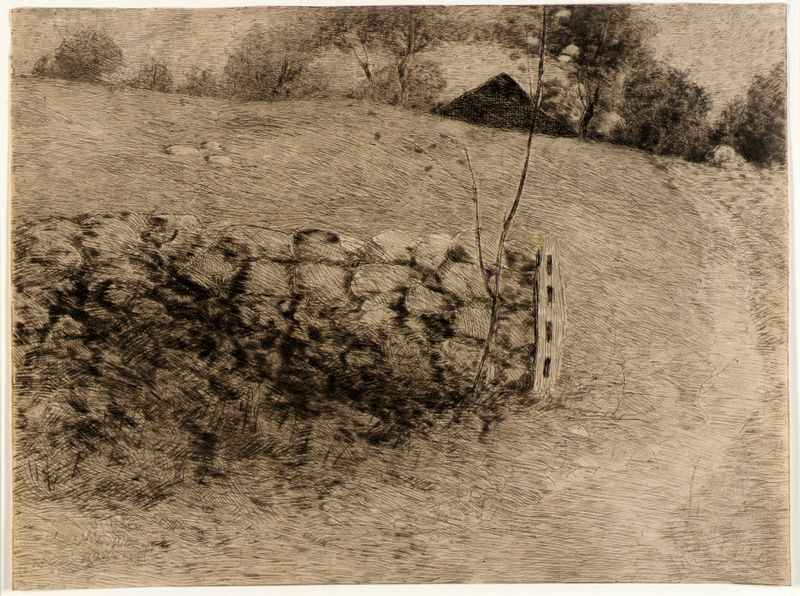
The Barn Lot
Julian Alden Weir

The Webb Farm
Julian Alden Weir
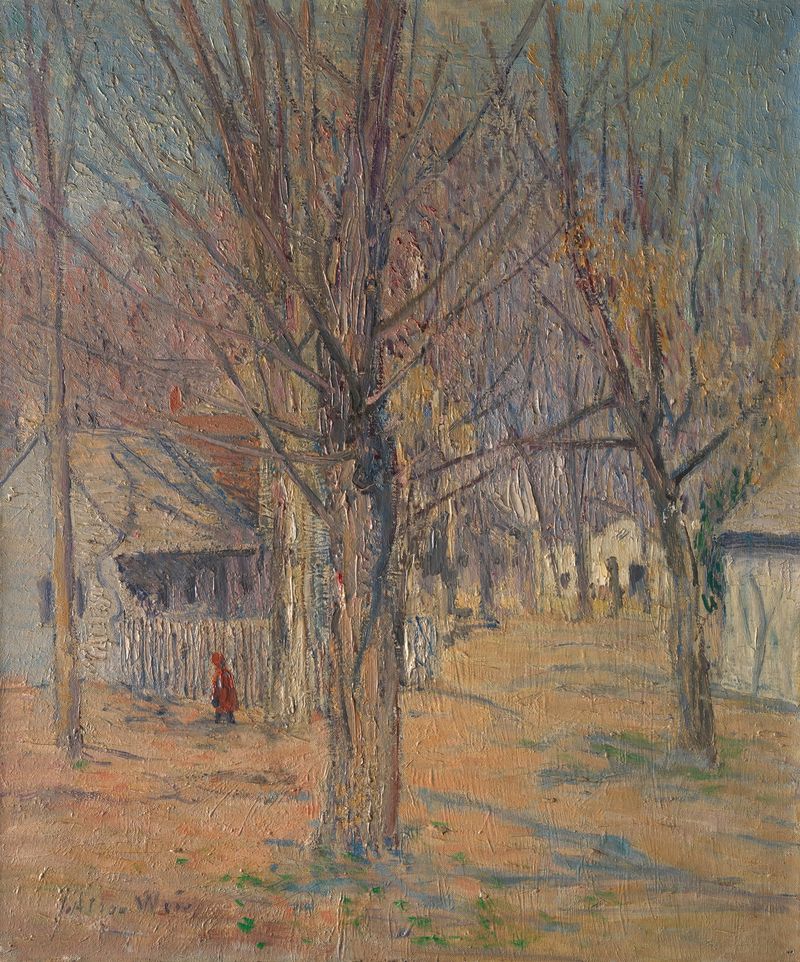
Connecticut Village (Going to School)
Julian Alden Weir

The Stone Bridge
Julian Alden Weir

The Webb Farm 2
Julian Alden Weir
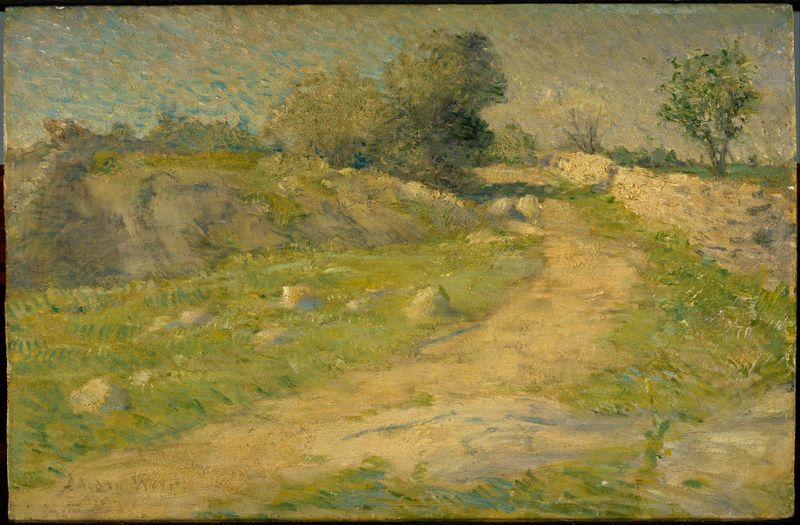
The Lane
Julian Alden Weir
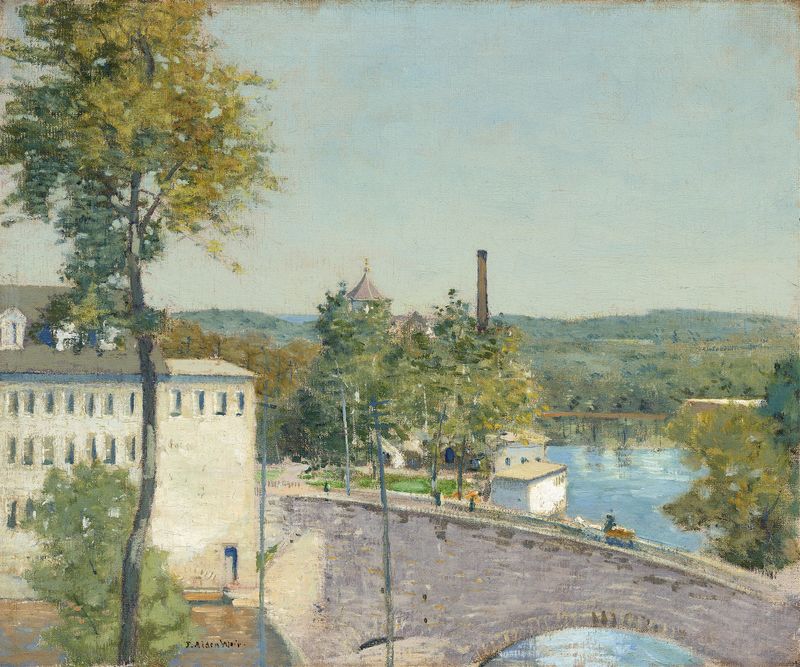
U.S. Thread Company Mills,Willimantic,Connecticut
Julian Alden Weir

Neighboring Farm
Julian Alden Weir

Coon Alley
Julian Alden Weir





