
Boerderij in Voorburg — History & Facts
Could beauty survive in a century of chaos? In Boerderij in Voorburg, serenity emerges as a quiet rebellion against the tumultuous backdrop of early 20th-century life. Focus on the lush greens of the fields that stretch across the canvas, where sunlight bathes the farmhouse in a warm, golden hue. The composition invites you to trace the gentle lines of the roof and the surrounding landscape, leading your eye toward the horizon. Notice how Grondhout balances the earthy tones with soft blues in the sky, creating a gentle harmony that envelops the scene and draws you into its peaceful embrace. Yet, beneath this tranquil surface lies a subtle tension.
The rustic farmhouse stands solitary, hinting at the isolation that often accompanied rural life during this period of rapid industrialization. The contrast between the peaceful nature and the looming changes in society—such as urban expansion—echoes a deeper longing for connection and continuity. Each brushstroke captures a moment not only of beauty but also of contemplation, reminding us of the fragile nature of serenity when faced with inevitable progress. Grondhout painted Boerderij in Voorburg between 1888 and 1934, a time when art was evolving dramatically, influenced by both Impressionism and emerging modernist styles.
Living in the Netherlands, he witnessed significant shifts in art, reflecting a society grappling with urbanization and the effects of World War I. In this context, his dedication to capturing simple, pastoral scenes speaks volumes about his desire to preserve the beauty and tranquility of rural life amidst change.
More Artworks by Willem Adrianus Grondhout
Browse all →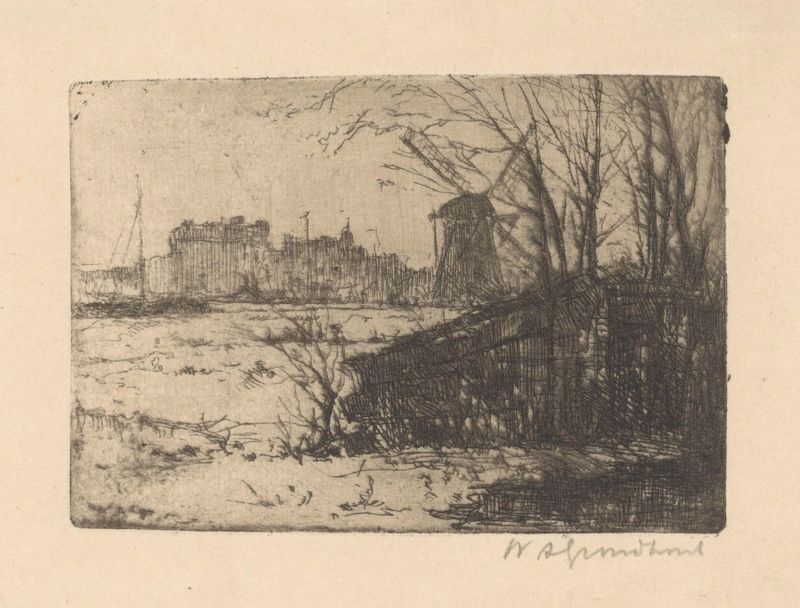
Landschap met molen in de Binckhorst in Den Haag
Willem Adrianus Grondhout
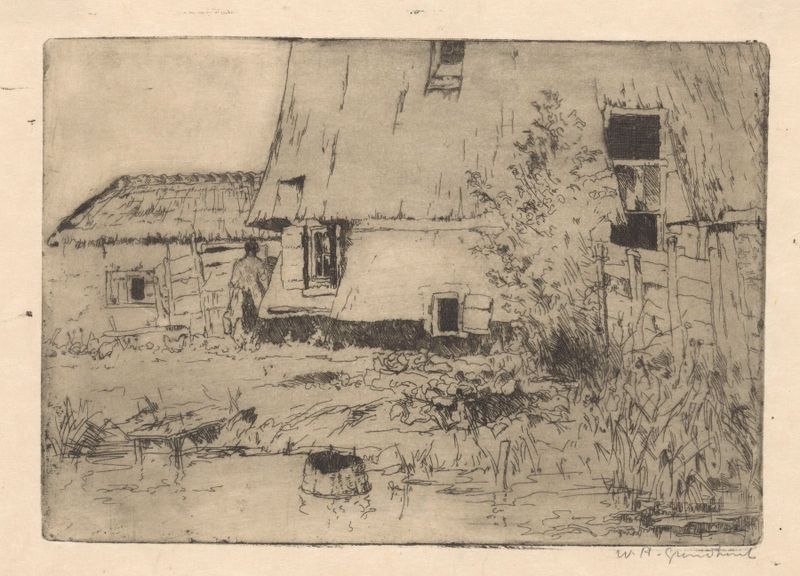
Voet van een molen in Voorburg
Willem Adrianus Grondhout
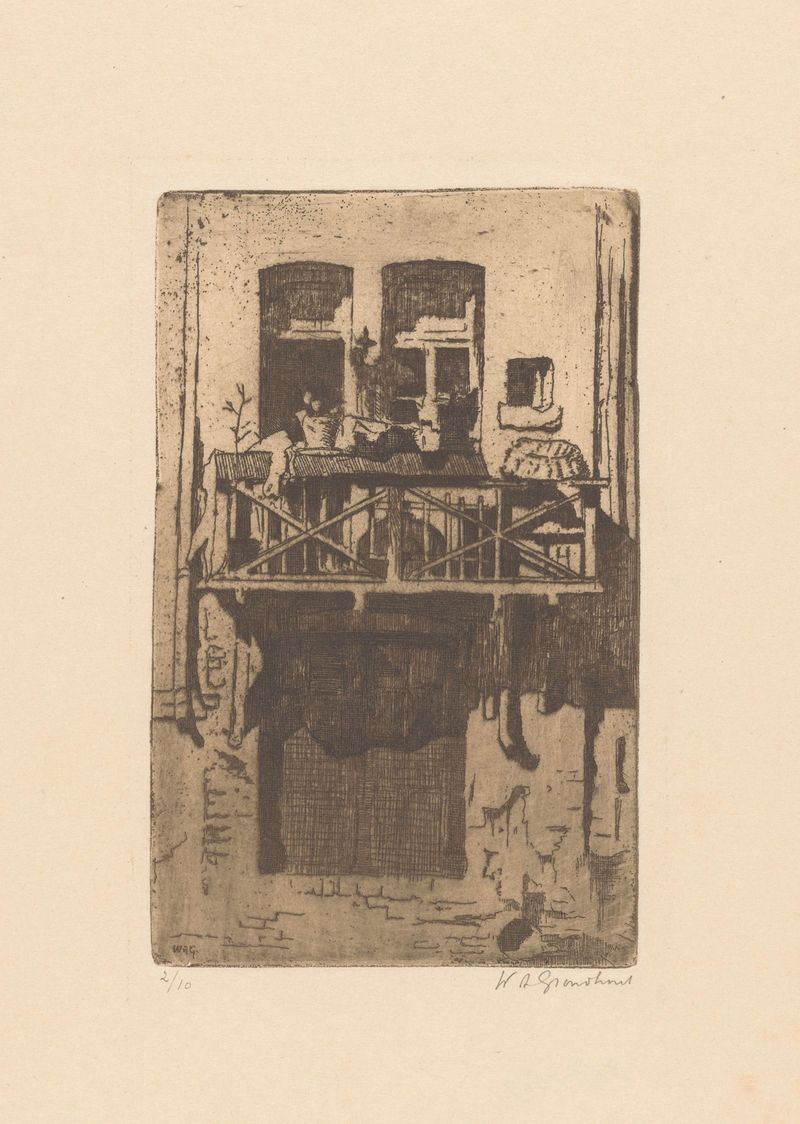
Balkon van een huis aan de Oudezijds Kolk in Amsterdam
Willem Adrianus Grondhout
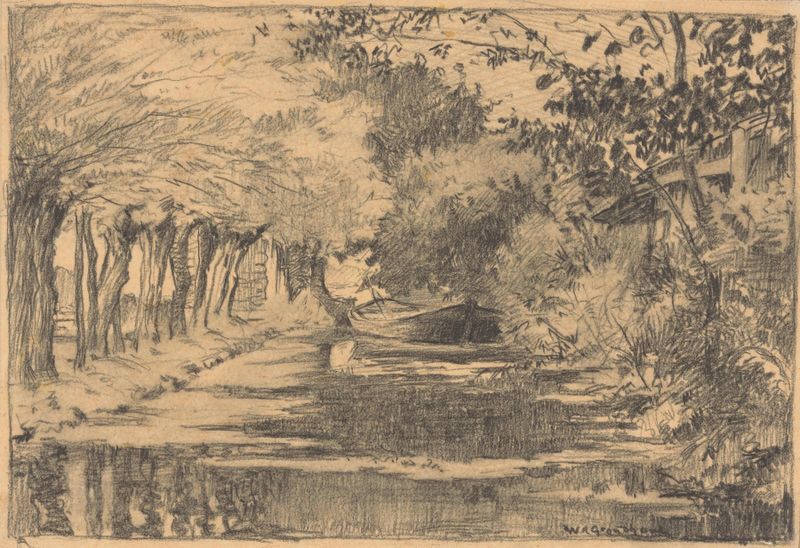
Broeksloot bij Voorburg
Willem Adrianus Grondhout
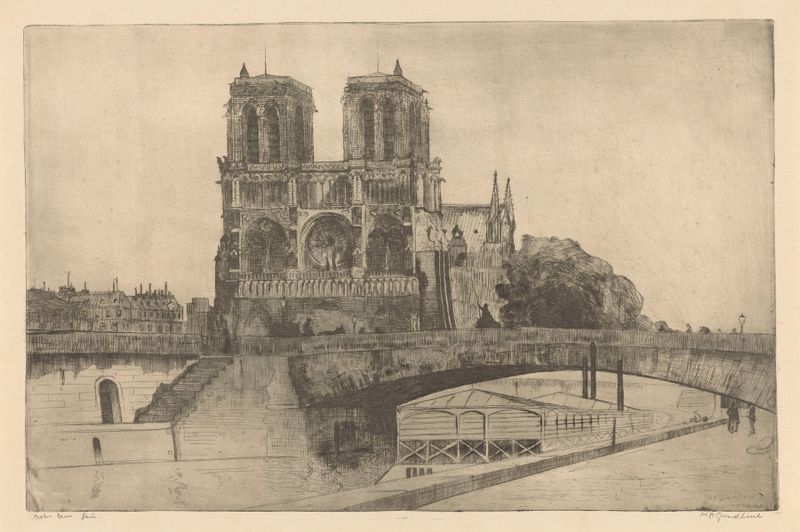
Notre-Dame, Paris
Willem Adrianus Grondhout
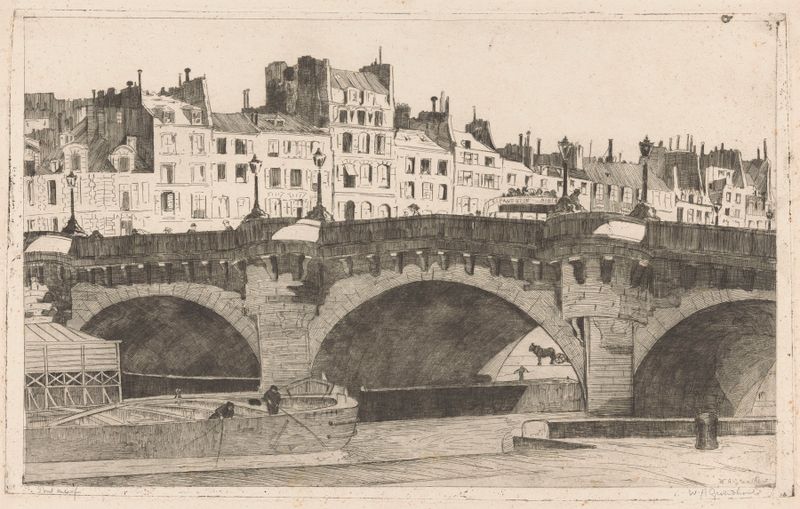
Pont Neuf
Willem Adrianus Grondhout
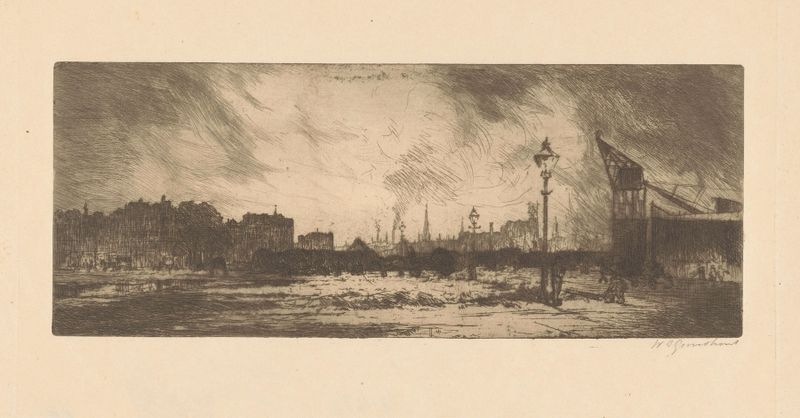
Havenkade met lantaarnpalen in Rotterdam
Willem Adrianus Grondhout
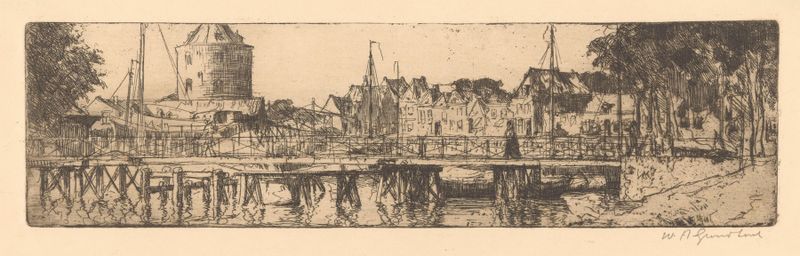
Enkhuizen
Willem Adrianus Grondhout
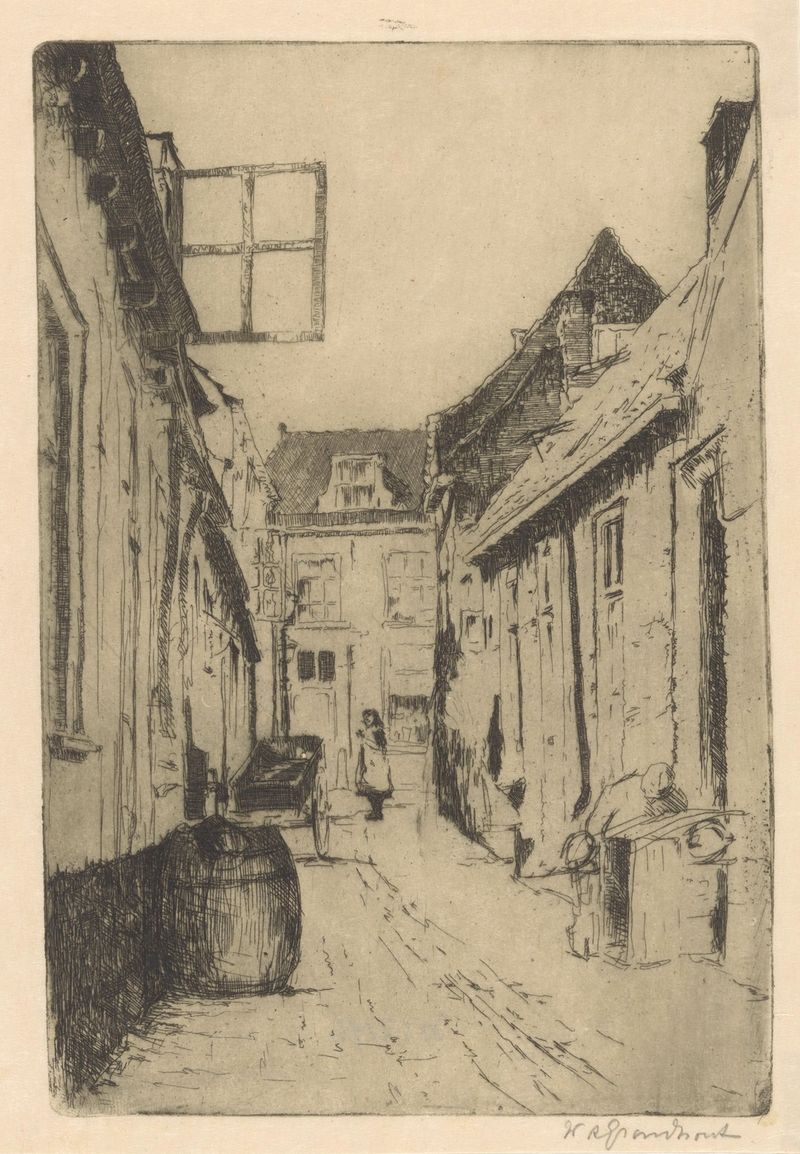
Straatje in Voorburg.
Willem Adrianus Grondhout
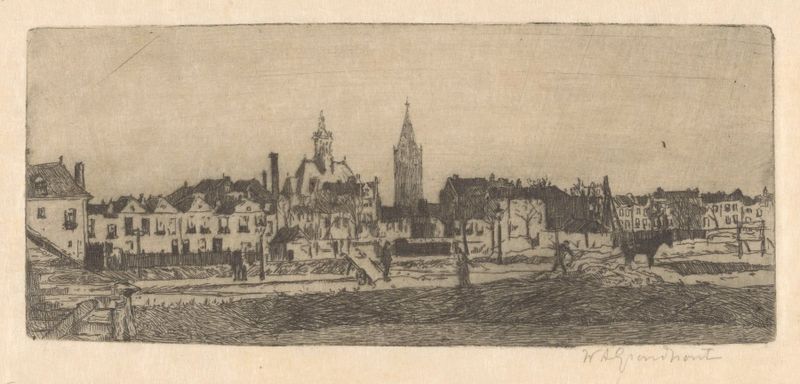
Delft
Willem Adrianus Grondhout





