
Boerenvrouw met een sikkel op haar wapenschild — History & Facts
When did color learn to lie? In a world where art often blurs the line between reality and illusion, this intriguing piece forces us to confront our relationship with truth itself. Focus first on the central figure, the peasant woman, her expression a mix of resolve and weariness. Look closely at the sikkel on her shield, which gleams with an almost deceptive brightness, contrasting with the muted earth tones of her clothing. The artist’s meticulous attention to detail captures not just her physical form but the weight of her labor and the dignity of her essence.
The background, painted in soft, muted hues, suggests a world that is both familiar and distant, inviting the viewer to delve deeper into the narrative. As you examine the subtle interplay of light and shadow, consider how the vibrant colors symbolize contrasting states of existence—strength and vulnerability, labor and leisure. The shield she holds becomes a metaphor for not just protection but also an assertion of identity, wrestling with the harsh realities of her life. Each stroke reveals layers of meaning, hinting at the complexities that lie beneath her stoic facade.
In this way, the painting transcends mere representation, becoming a profound commentary on the human condition. Created between 1473 and 1477, this work emerged during a period of heightened artistic innovation in the Netherlands. The Meester van het Amsterdamse Kabinet, a pivotal figure in the Northern Renaissance, reflected the changing views of social classes and the role of women in society. While Europe was on the cusp of significant transformations, this artwork encapsulates a timeless truth, echoing the struggles and resilience of its subjects amidst a backdrop of evolving artistic expression.
More Artworks by Meester van het Amsterdamse Kabinet
Browse all →
De Heilige Familie bij de rozenstruik
Meester van het Amsterdamse Kabinet

Hertenjacht
Meester van het Amsterdamse Kabinet
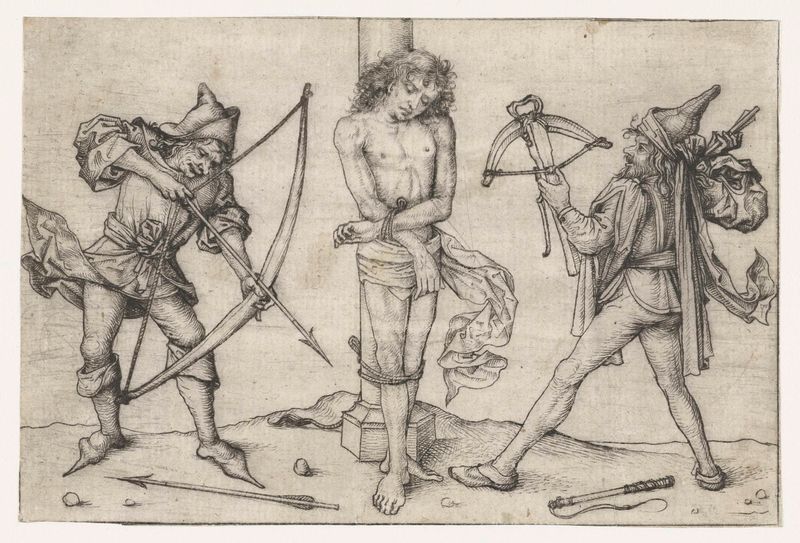
Heilige Sebastiaan met boogschutters
Meester van het Amsterdamse Kabinet

Het lichaam van Christus ondersteund door twee engelen
Meester van het Amsterdamse Kabinet

Heilige Anna-te-Drieën
Meester van het Amsterdamse Kabinet

Heilige Barbara (grote versie)
Meester van het Amsterdamse Kabinet
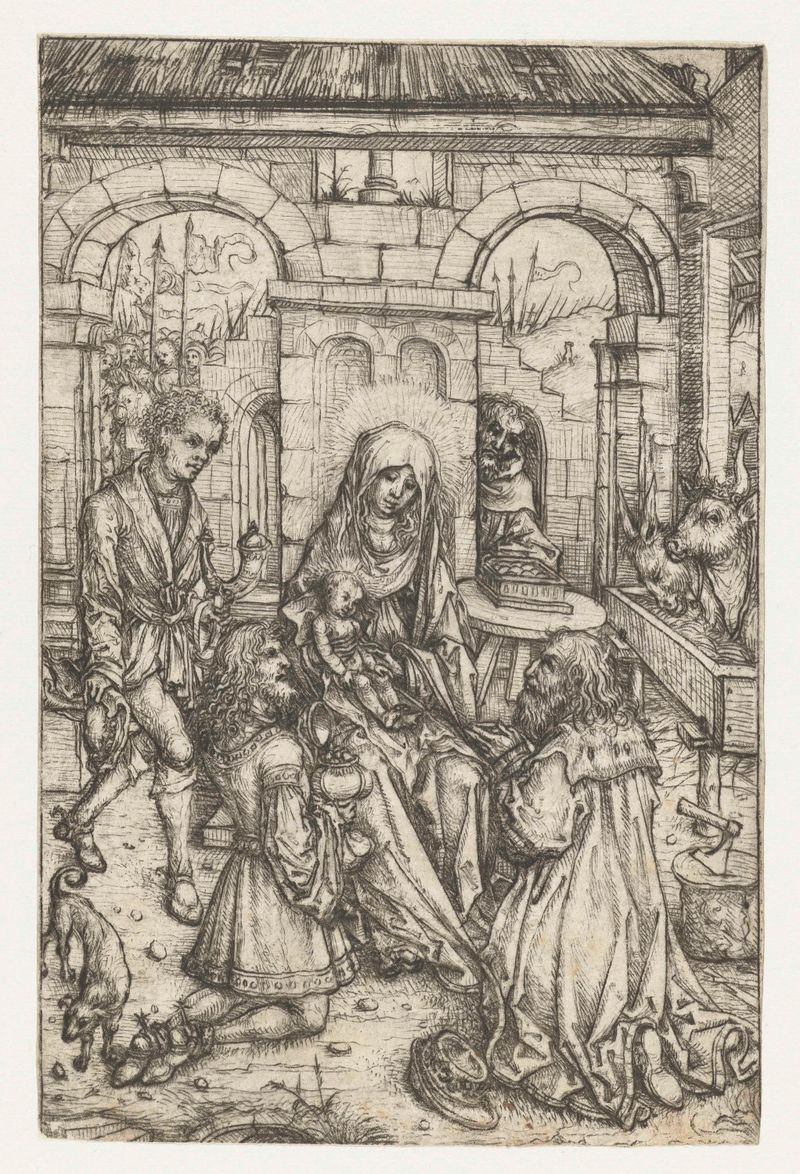
Aanbidding der koningen
Meester van het Amsterdamse Kabinet
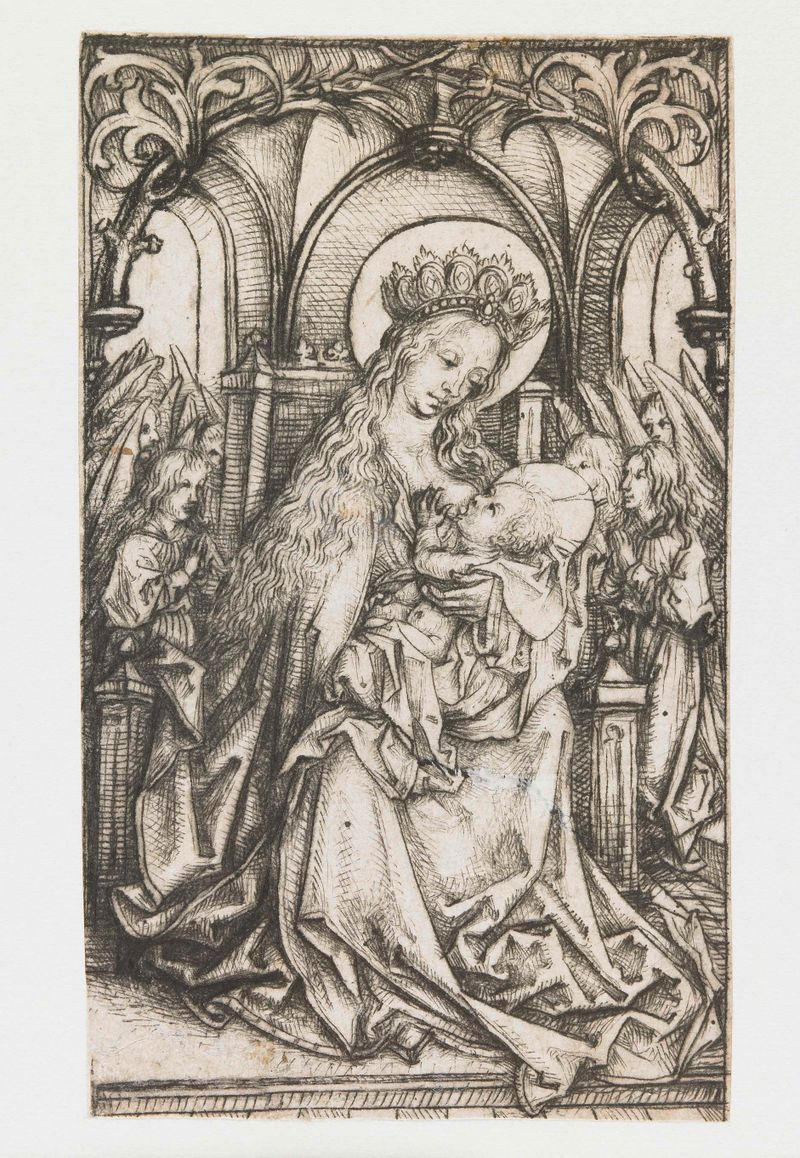
Tronende Madonna door engelen aanbeden
Meester van het Amsterdamse Kabinet

Het zegenend Christuskind
Meester van het Amsterdamse Kabinet
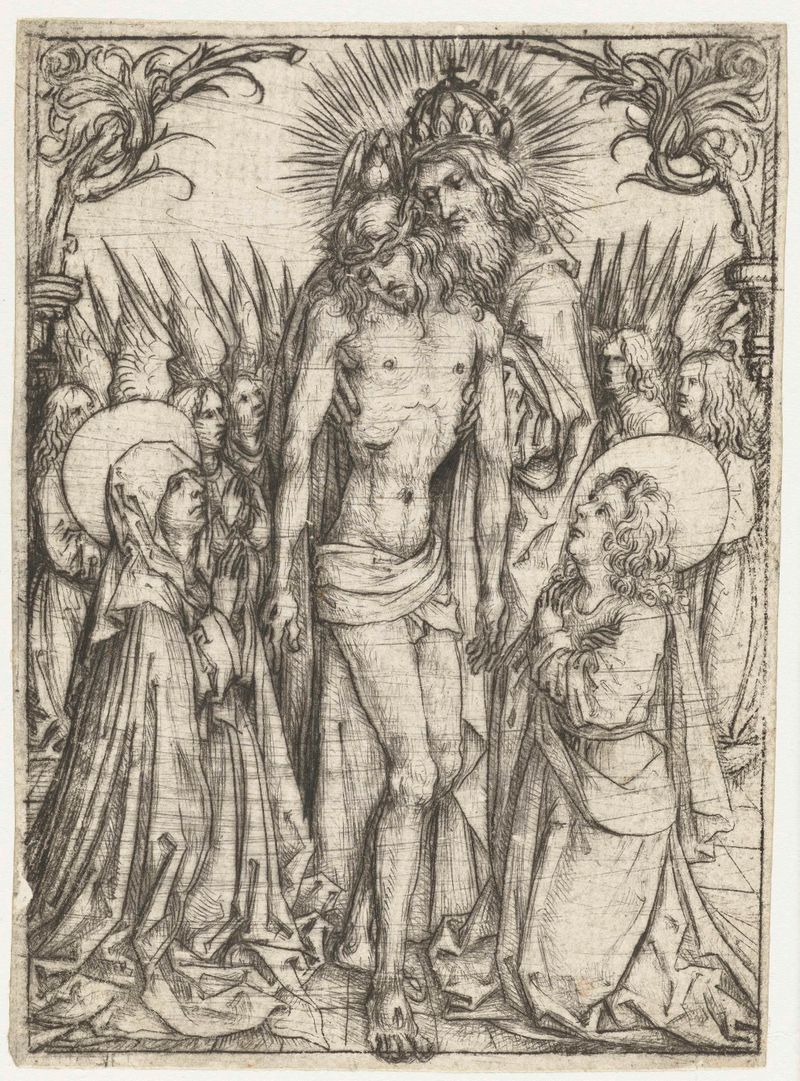
Aanbidding van de Heilige Drieëenheid door Maria, Johannes de Evangelist en engelen
Meester van het Amsterdamse Kabinet





