
Boerin verkoopt haar produkten op markt — History & Facts
In the marketplace of time, remnants of existence linger, teetering between vitality and decay. What stories unfold when a solitary figure stands amidst the bustle, embodying both the labor of life and the inevitability of nature’s cycle? Focus on the woman in the center; her hands cradle baskets brimming with produce, vibrant against the muted tones of her surroundings. Notice how the light dances delicately on the fruits, illuminating their textures while casting subtle shadows that hint at the weariness of labor.
The surrounding figures blur softly, their faces obscured, allowing the viewer to concentrate on her resolute expression and the sturdy stall that shelters her offerings. Delve deeper into the contrast between abundance and decay. The bountiful harvest showcases nature's bounty, yet the fading colors of the market scene suggest a melancholic remembrance of what is transient. The juxtaposition of fresh produce against the backdrop of an aging, worn marketplace evokes a sense of nostalgia—inviting reflections on life's impermanence and the fleeting nature of prosperity.
Each element tells a story of resilience, yet whispers the inevitability of change. Created between 1510 and 1550, the period of Boerin verkoopt haar produkten op markt saw Hans Sebald Beham navigating the transition from the Gothic to the Renaissance. Working in Nuremberg, he was surrounded by the flourishing of printmaking and a growing interest in everyday life and local culture. This painting reflects not only his artistic pursuits but also an era grappling with the complexities of commerce and identity, encapsulating a moment both intimate and universal.
More Artworks by Hans Sebald Beham
Browse all →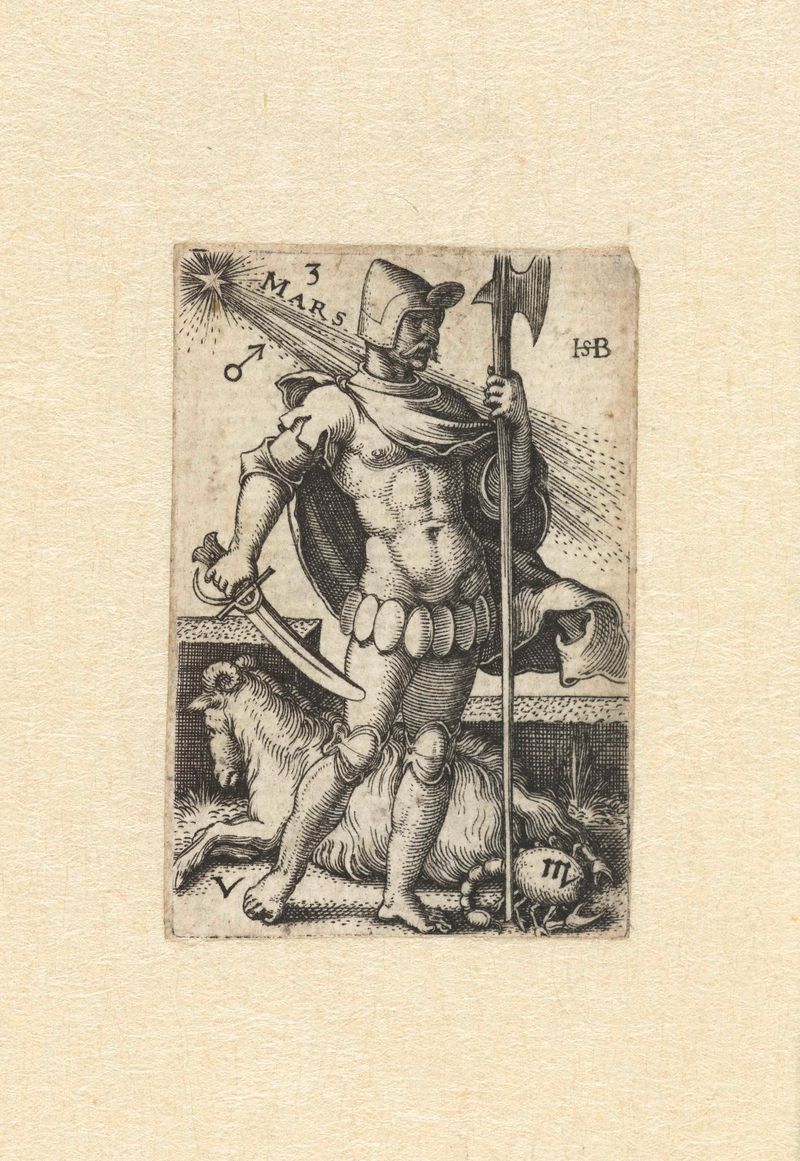
Mars met sterrenbeelden Ram en Schorpioen
Hans Sebald Beham

Achilles in gevecht met Hector
Hans Sebald Beham
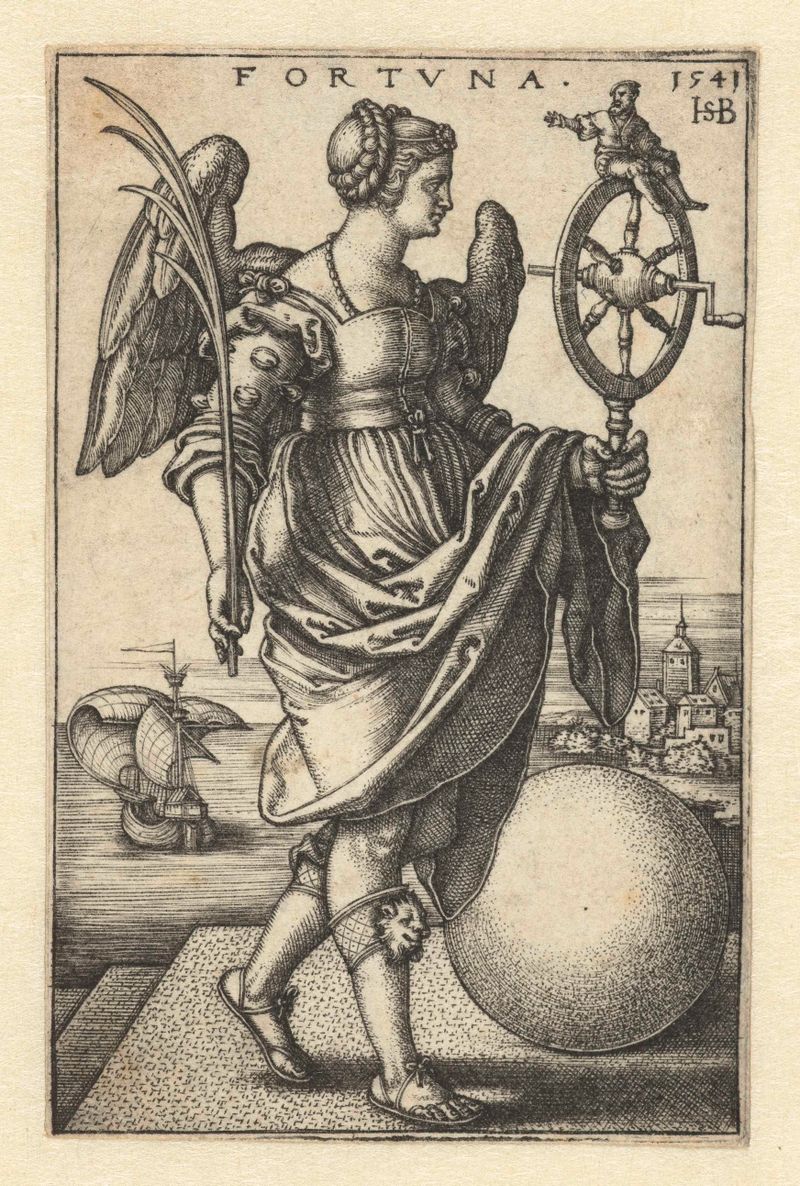
Fortuna
Hans Sebald Beham

Hercules worstelt met Antaeus
Hans Sebald Beham

Twee muzikanten met schalmey en doedelzak
Hans Sebald Beham

Voorzichtigheid (Prudentia)
Hans Sebald Beham

Hercules in gevecht met de Trojanen
Hans Sebald Beham
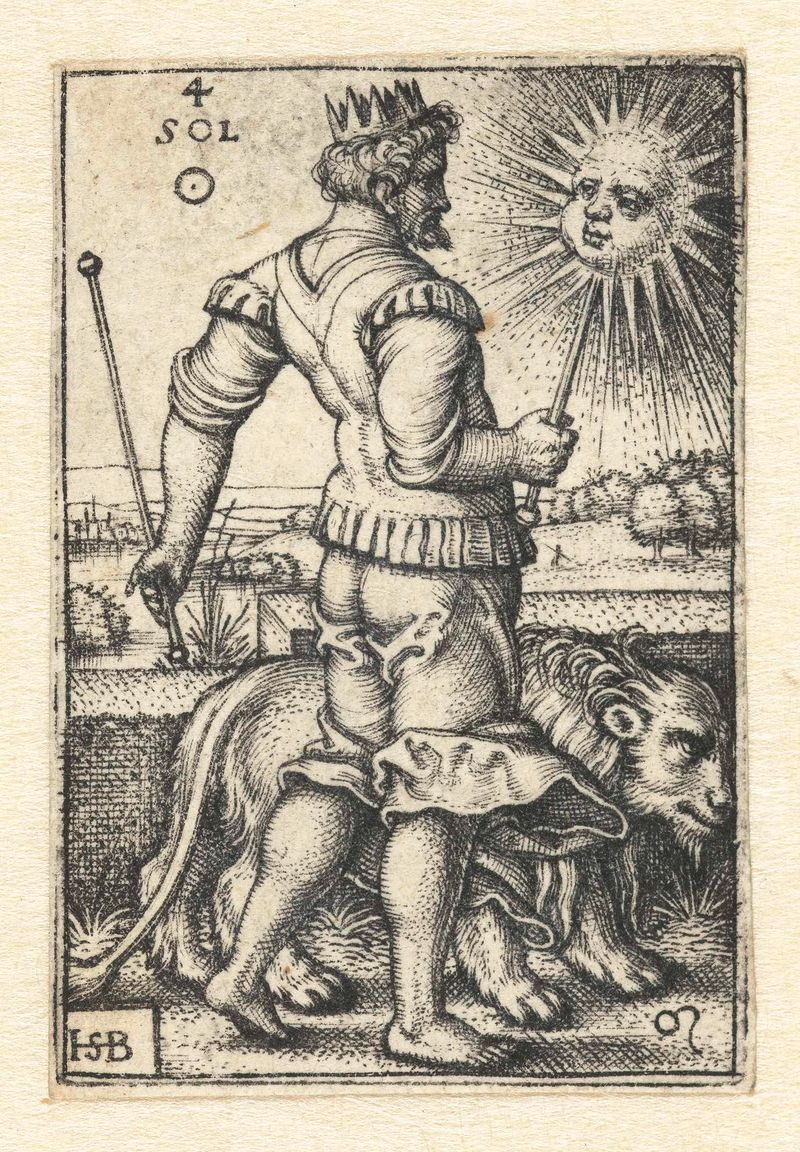
Apollo (Sol) met sterrenbeeld Leeuw
Hans Sebald Beham
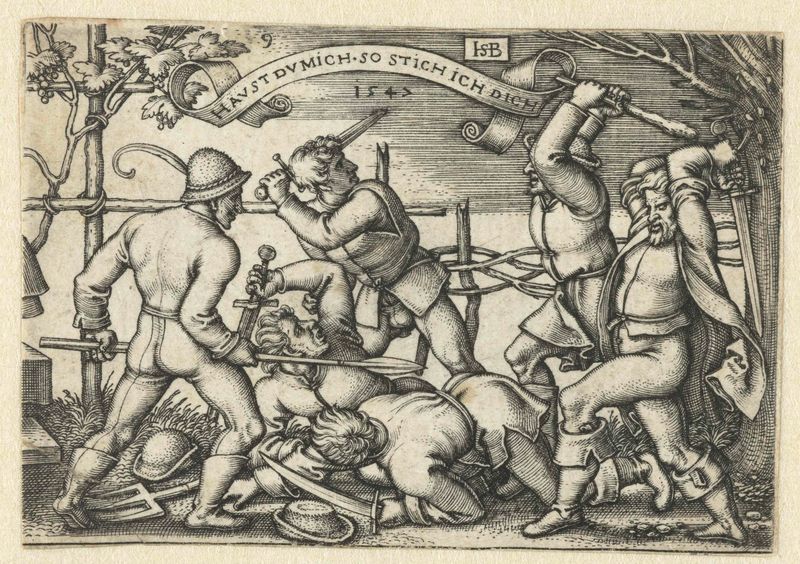
Vechtende boeren met zwaarden
Hans Sebald Beham
Hercules in gevecht met centaurs
Hans Sebald Beham





