
Boetvaardige Maria Magdalena — History & Facts
In a world where betrayal lurks in the shadows, how do we confront our own sins and the sins of those we love? Look closely at the figure of Mary Magdalene, cloaked in somber tones that blend harmoniously with the muted palette of the background. Notice how her gaze, a mix of sorrow and contemplation, draws you in — the delicacy of her features highlighted against the darkness, making her vulnerable yet powerful. The gentle brushwork in her hair, cascading like a veil of secrets, adds to the emotional weight of the scene, inviting you to ponder her story of redemption and loss. As you delve deeper, consider the contrasting elements in her expression and posture.
The lavish adornments of her attire juxtaposed against the gravity of her countenance speak not just to her past, but to the underlying tension of betrayal. The subtle play of light and shadow captures her internal conflict, exploring the duality of desire and remorse. Each detail whispers of a complex narrative, as if the artist has frozen time at the moment of reflection, urging us to confront our own moments of treachery. Wenceslaus Hollar created this poignant piece between 1644 and 1652, during a time of artistic transformation in Europe amidst religious upheaval and shifting societal norms.
Living in the vibrant milieu of London and later returning to Prague, Hollar was deeply influenced by the Baroque movement's exploration of emotion and realism. This period marked a significant evolution in his style, blending meticulous detail with deeper thematic exploration, resulting in works that resonate with the complexities of human experience.
More Artworks by Wenceslaus Hollar
Browse all →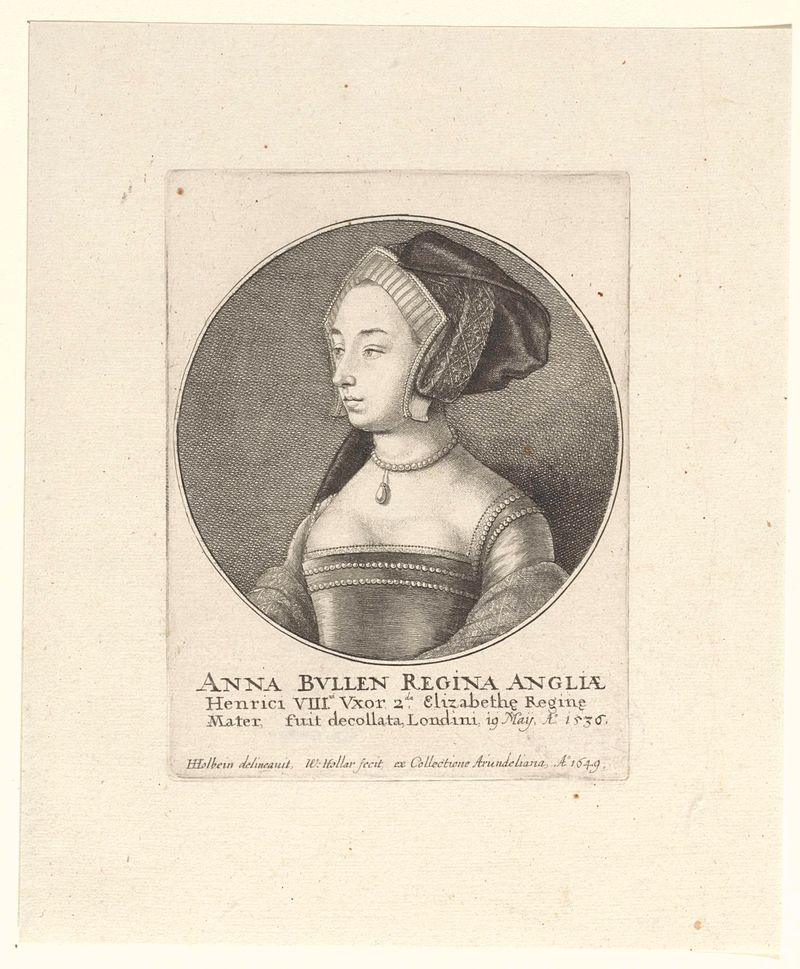
Portret van Anna Boleyn, koningin van Engeland
Wenceslaus Hollar
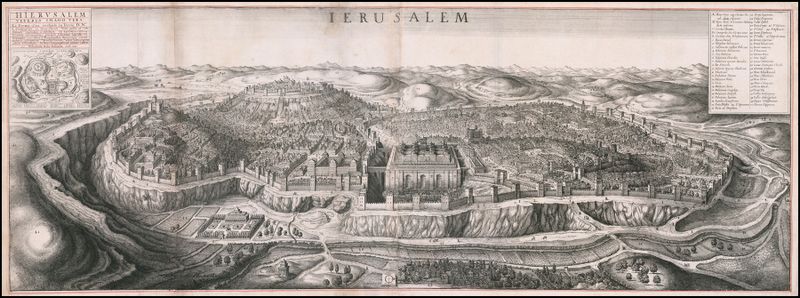
Bird’s eye view of Jerusalem
Wenceslaus Hollar
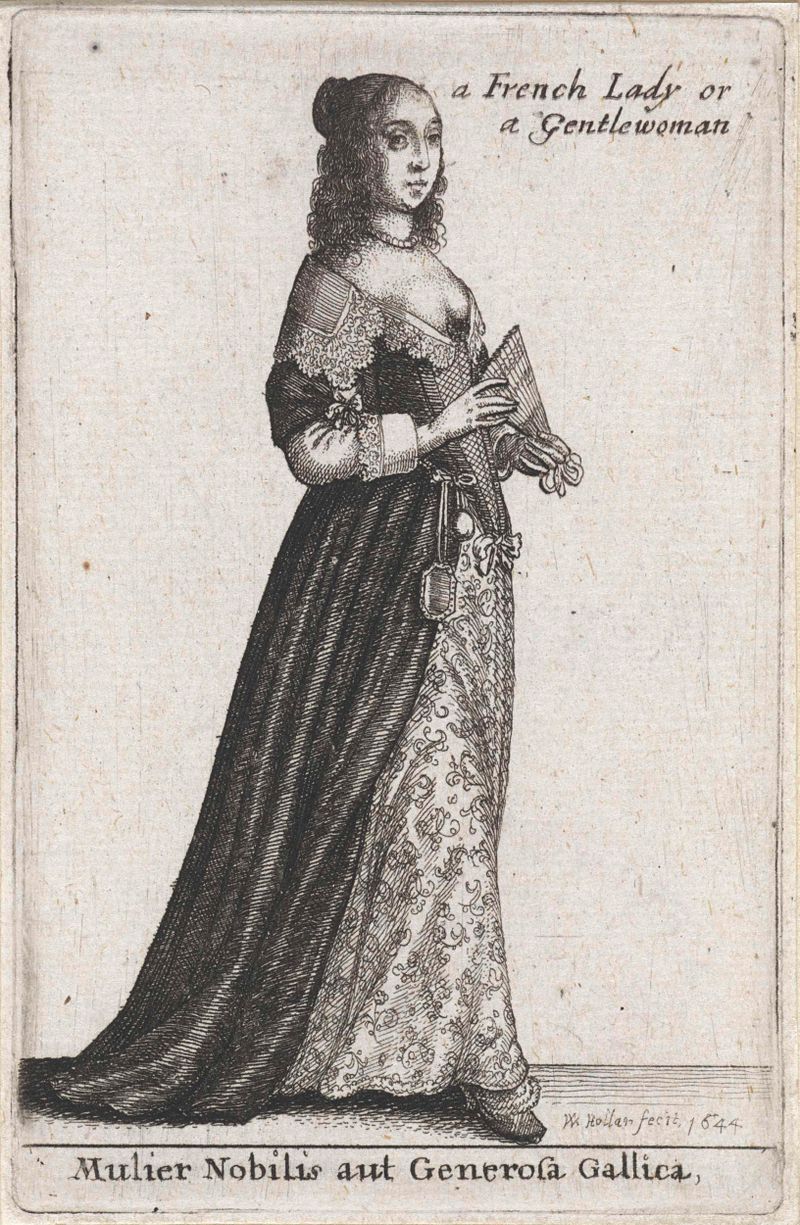
Mulier Nobilis aut Generosa Gallica / a French Lady or Gentlewoman
Wenceslaus Hollar
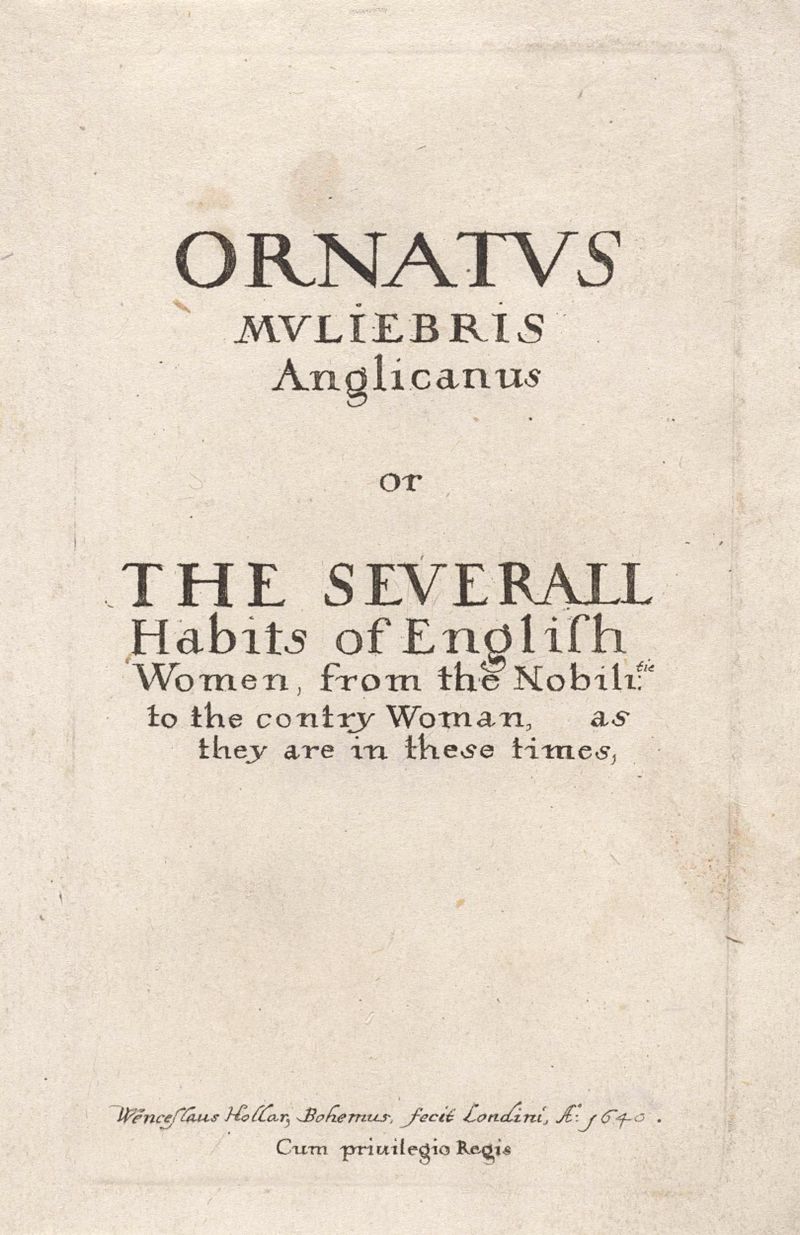
Titelprent voor: Ornatus Muliebris Anglicanus
Wenceslaus Hollar
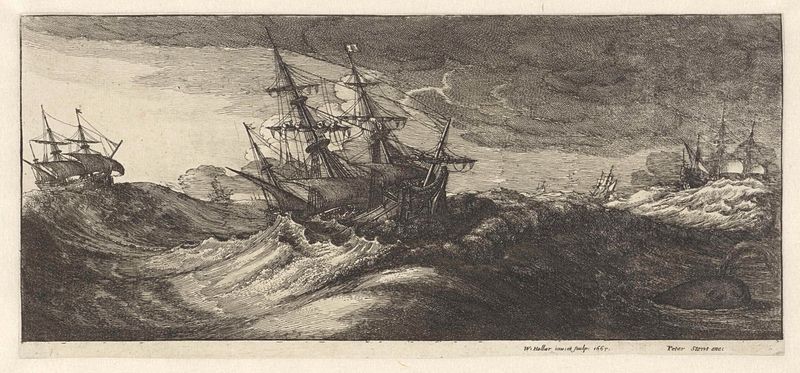
Oorlogsschepen en een walvis in een zeestorm
Wenceslaus Hollar
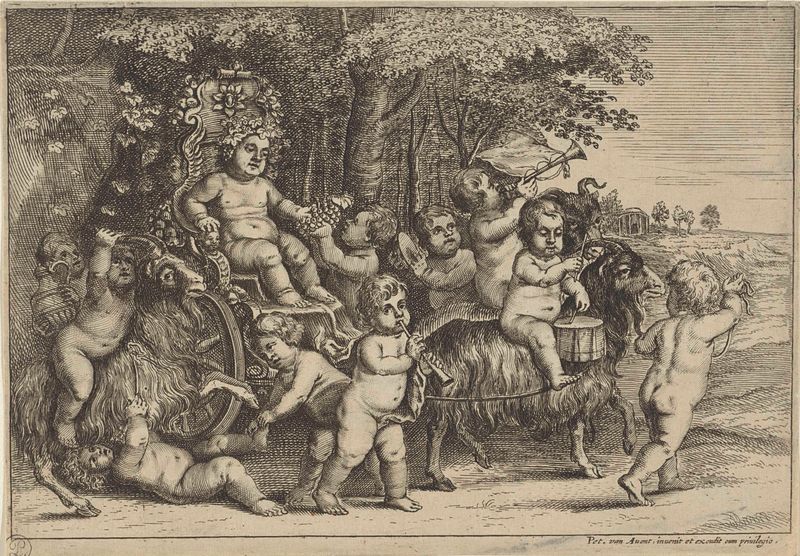
Optocht van bacchant en jongetjes op geiten
Wenceslaus Hollar
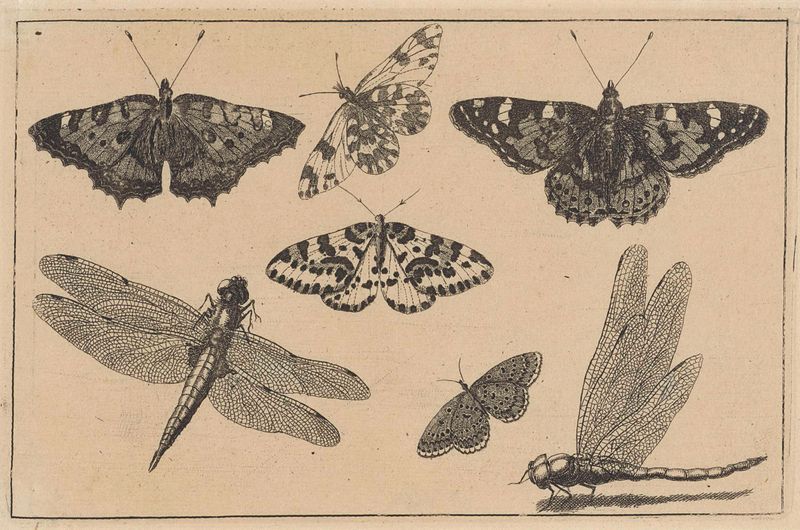
Twee libellen en vijf vlinders
Wenceslaus Hollar
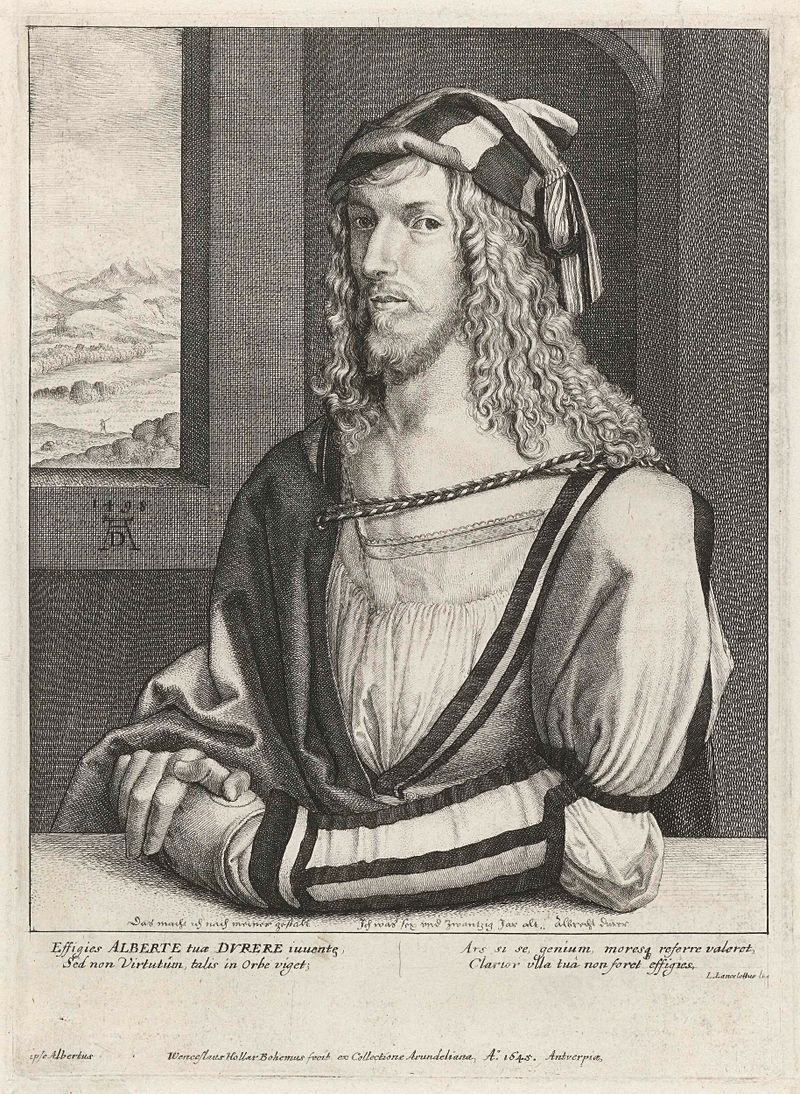
Portret van Albrecht Dürer
Wenceslaus Hollar
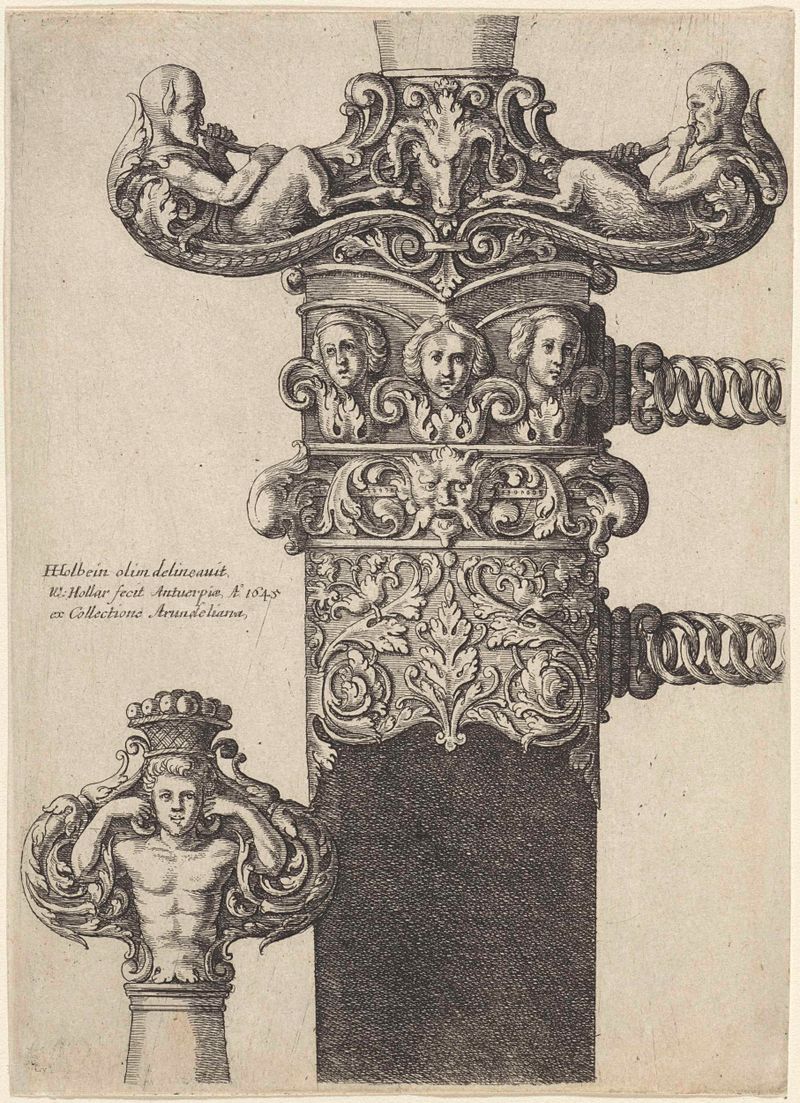
Ornamenteel ontwerp voor een dolk
Wenceslaus Hollar
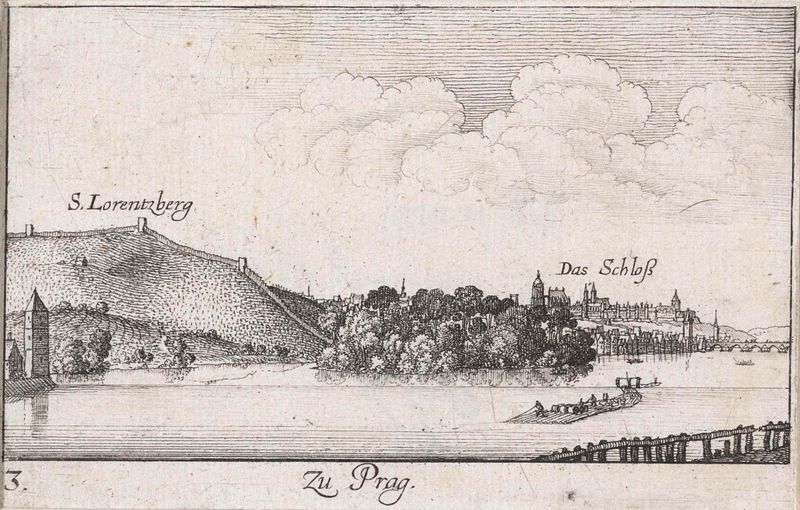
Gezicht op Praag vanaf de Moldau
Wenceslaus Hollar
More Religious Art
Browse all →
The Return of the Prodigal Son
Rembrandt van Rijn

The Garden of Earthly Delights
El Bosco

Count Orgaz’ funeral
El Greco

The Hundred Guilder Print: the central piece with Christ preaching, the plate arched
Rembrandt van Rijn

The Descent from the Cross
Rogier van der Weyden

The return of the prodigal son
Rembrandt van Rijn