Bois de Boulogne — History & Facts
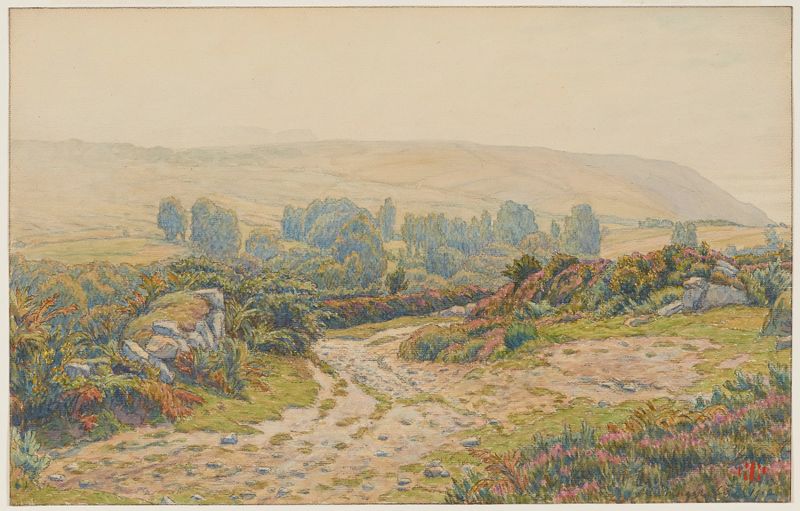
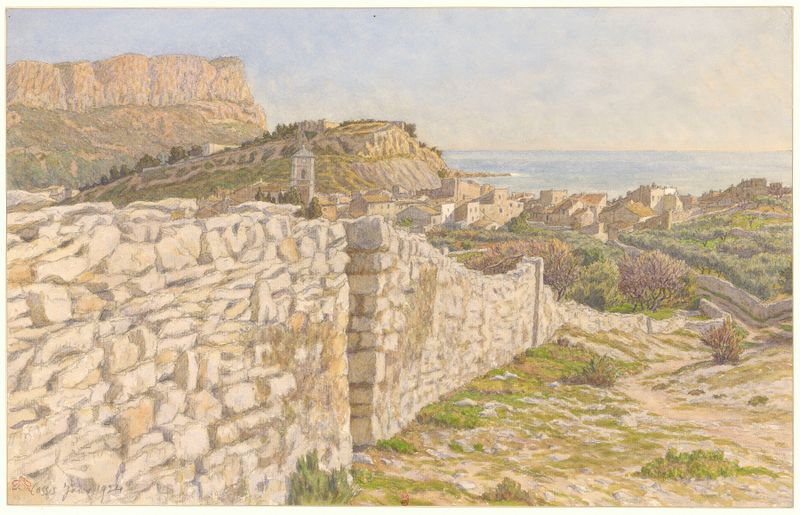
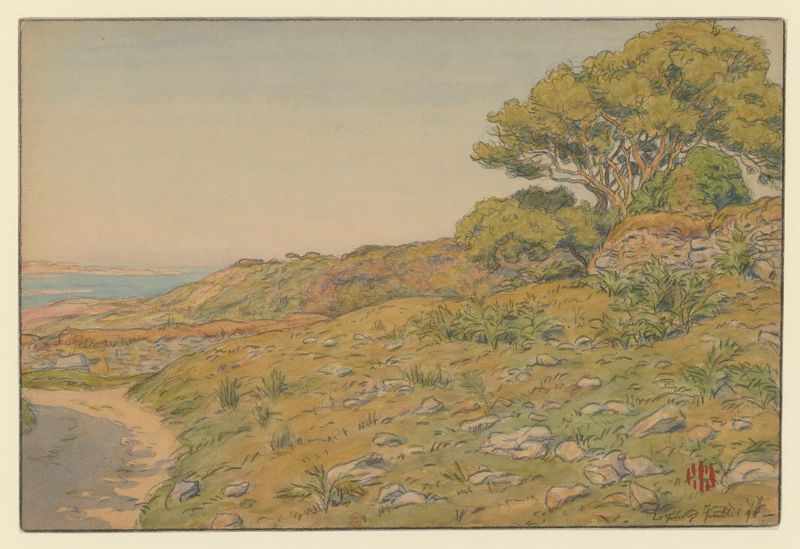
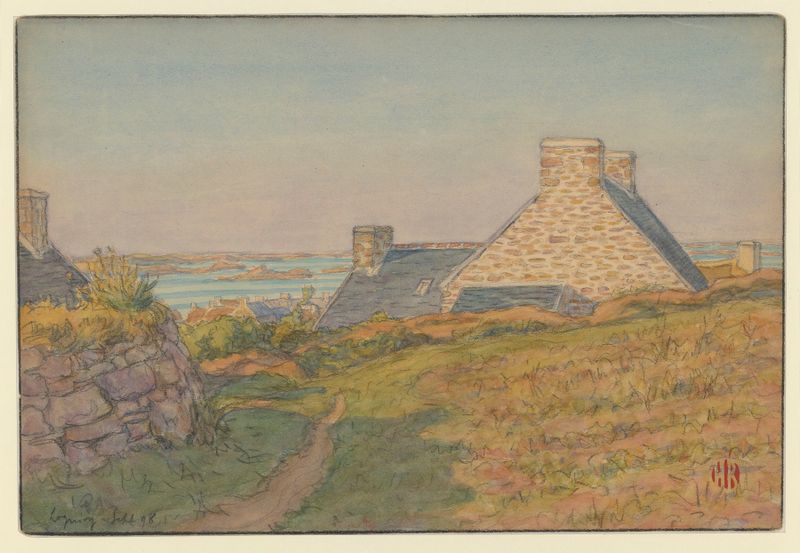
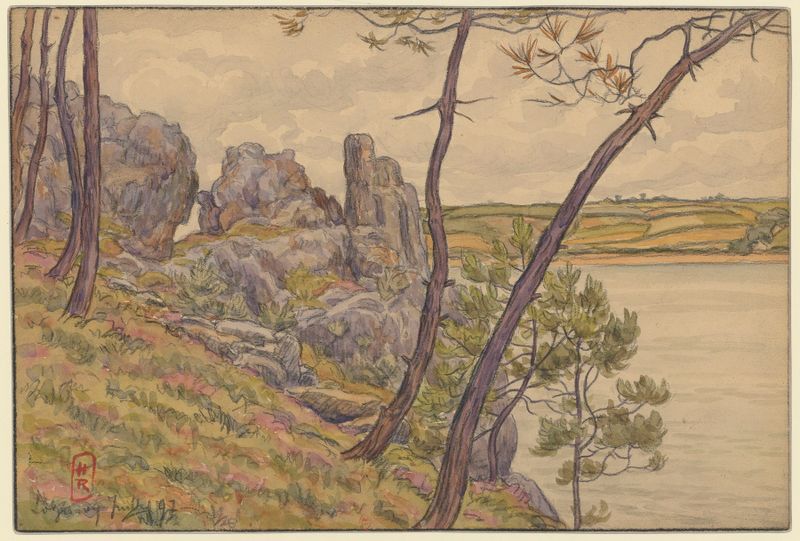
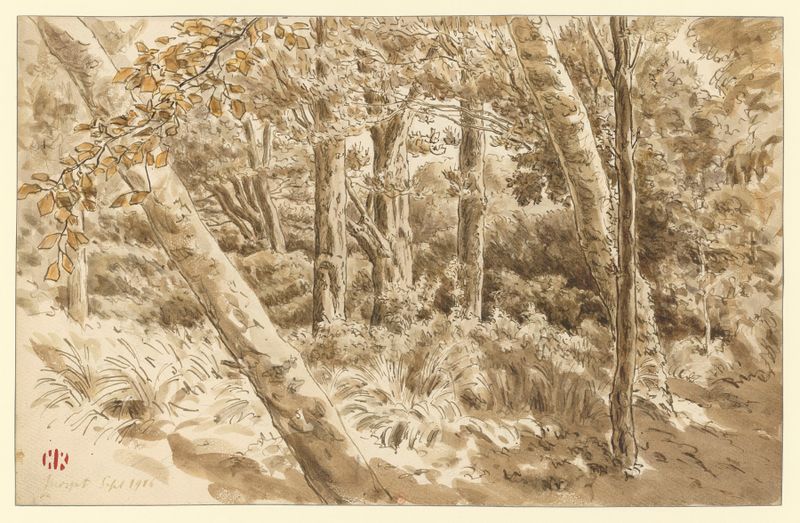
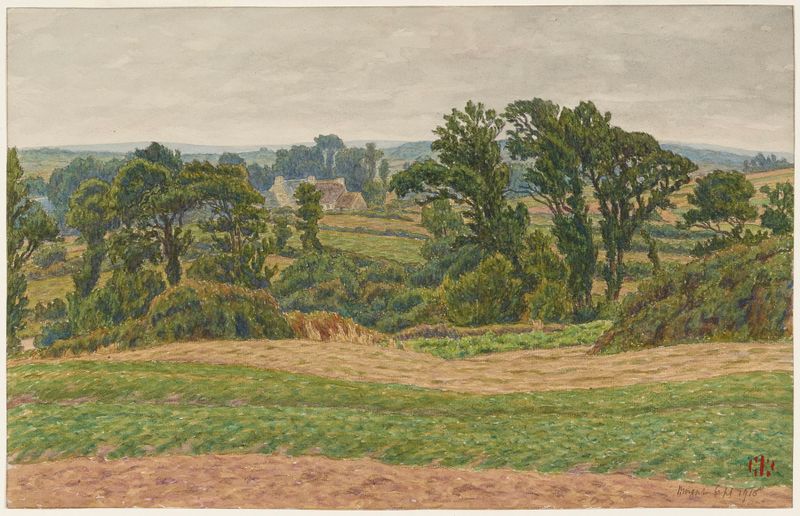
What if beauty was never meant to be finished? In a world where time leaves its mark on every creation, the essence of splendor remains in an eternal state of becoming. Focus on the vibrant hues that dance upon the canvas, drawing your gaze to the lush greenery that envelops the tranquil waters of the Bois de Boulogne. The fluid brushstrokes evoke movement, as if the trees are swaying gently in the breeze and the reflections ripple softly in the lake. Notice how the dappled light filters through the branches, casting a mosaic of light and shadow that invites contemplation and reverie. Beneath the tranquil surface lies a profound tension between the ephemeral and the eternal.
The play of light suggests not just a moment captured, but the passage of time itself, whispering secrets of nature’s cycles. The juxtaposition of stillness in the landscape and the implied movement of life creates an emotional resonance, offering a glimpse into a world where beauty persists despite impermanence. In 1903, Rivière painted this piece during a pivotal period in his life, when he was exploring the interplay of art and nature. Living in France, amidst the rise of Symbolism and Post-Impressionism, he sought to fuse the two styles, capturing the essence of the natural world with a modern sensibility.
This painting reflects both his personal journey and the broader artistic movements that shaped the early 20th century.