
Bombardment and capture of Fort Henry, Tenn.; By the federal gunboats under command of commodore Andrew H. Foote-Feby. 6th 1862 — History & Facts
In the heart of conflict, the tumult of battle transforms into a moment of yearning for peace, echoing through the strokes of the artist's hand. Look to the center of the composition, where the federal gunboats loom large against the rough, tumultuous waters of the Tennessee River. The smoke clouds billowing from their cannons create a dramatic interplay of light and shadow, emphasizing the fierce intensity of the bombardment. The artist employs a muted palette, with dark grays and blues contrasting against the fiery bursts of orange and yellow, drawing the viewer’s eye to the chaos unfolding on the canvas.
Note the commotion of soldiers onboard, their figures animated in a flurry of movement, encapsulating the urgency of the moment. Delve deeper into the subtleties of the scene; the contrast between the might of the gunboats and the vulnerability of Fort Henry epitomizes the struggle of power and resistance. The swift brushwork conveys a palpable tension, reflecting not just the physical violence of battle but also an emotional yearning for resolution. Each cannon blast represents the clash of ideals, while the currents of the river symbolize the relentless passage of time amidst turmoil, underscoring a quest for both victory and peace. In 1862, the landscape of America was marred by the Civil War, a backdrop that profoundly influenced the creators of this work.
Currier & Ives produced this lithograph while the conflict raged, capturing a pivotal moment in military history that resonated across a nation. Their prints served not only as records of events but also as sources of inspiration and reflection for a society grappling with its identity amid chaos.
More Artworks by Currier & Ives.
Browse all →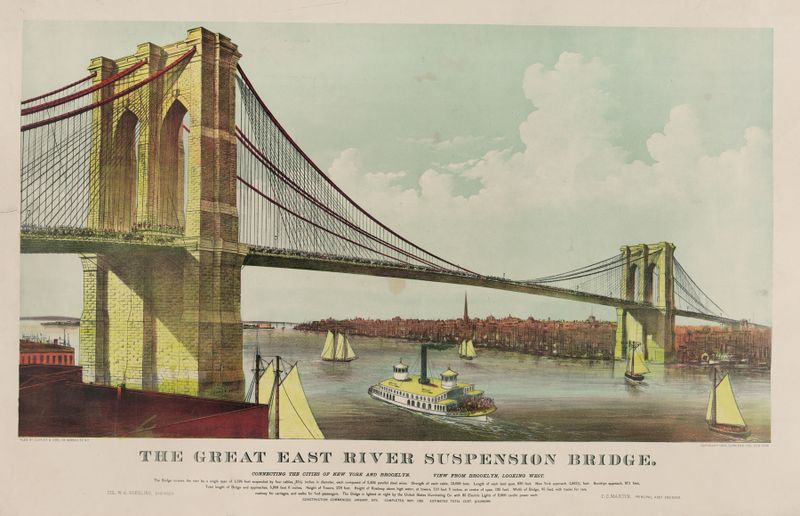
The great East River suspension bridge; connecting the cities of New York and Brooklyn View from Brooklyn, looking west.
Currier & Ives.
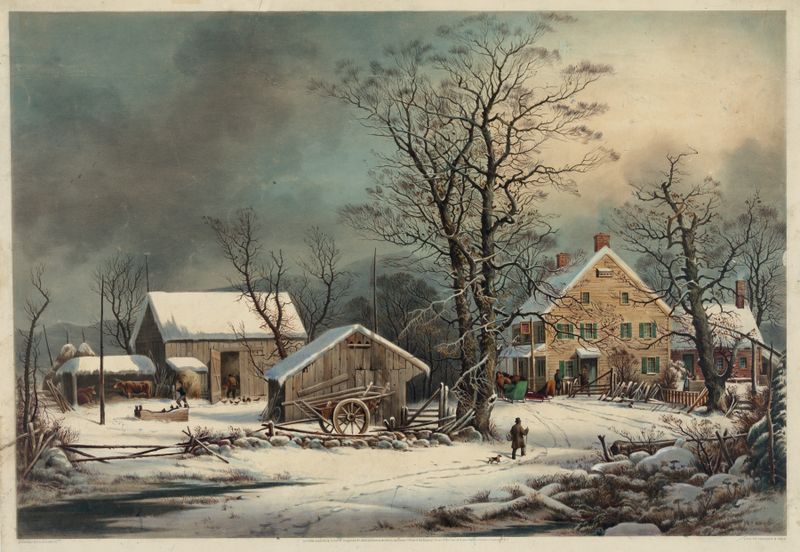
Winter in the country; a cold morning
Currier & Ives.
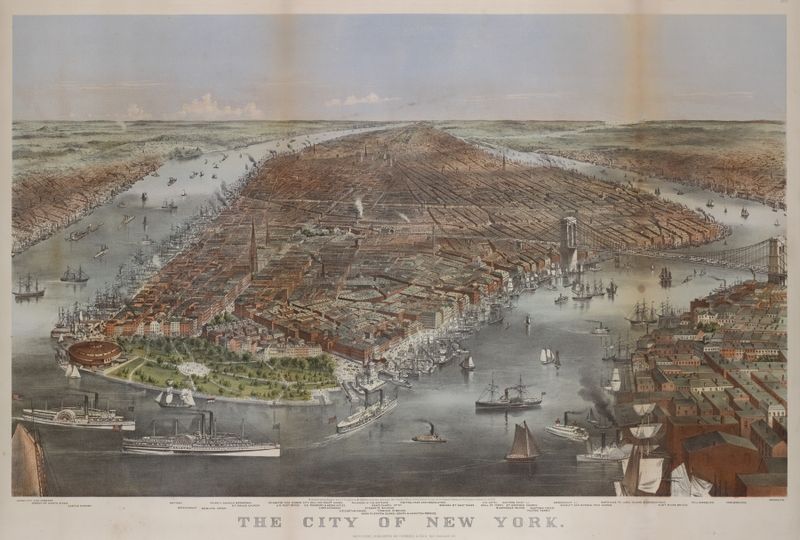
The City of New York
Currier & Ives.
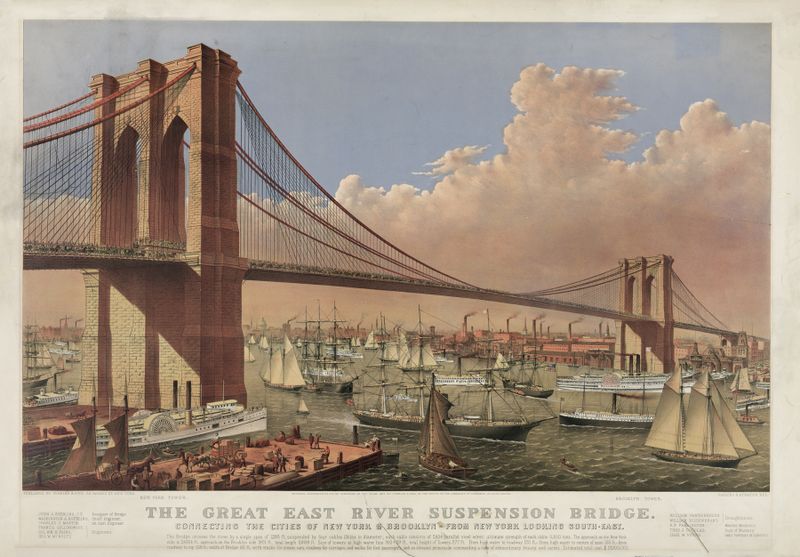
The great East River suspension bridge; connecting the cities of New York & Brooklyn From New York looking south-east.
Currier & Ives.
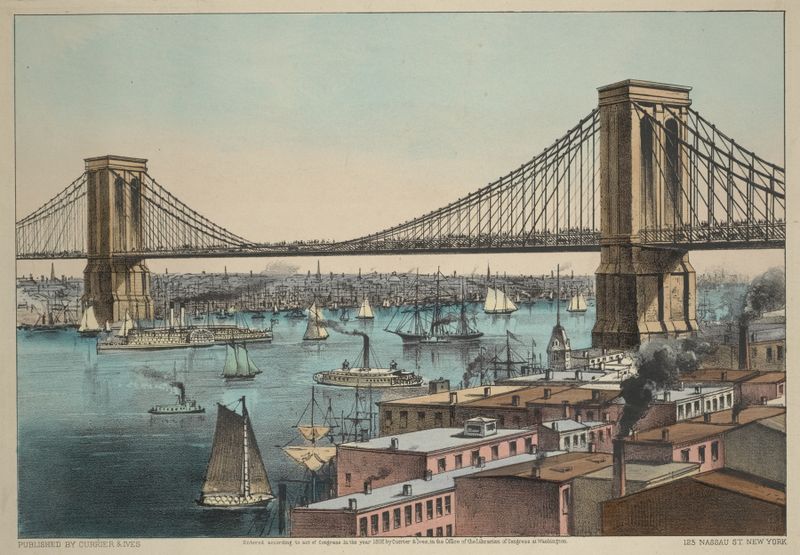
The Great East River Bridge. To connect the cities of New York & Brooklyn
Currier & Ives.
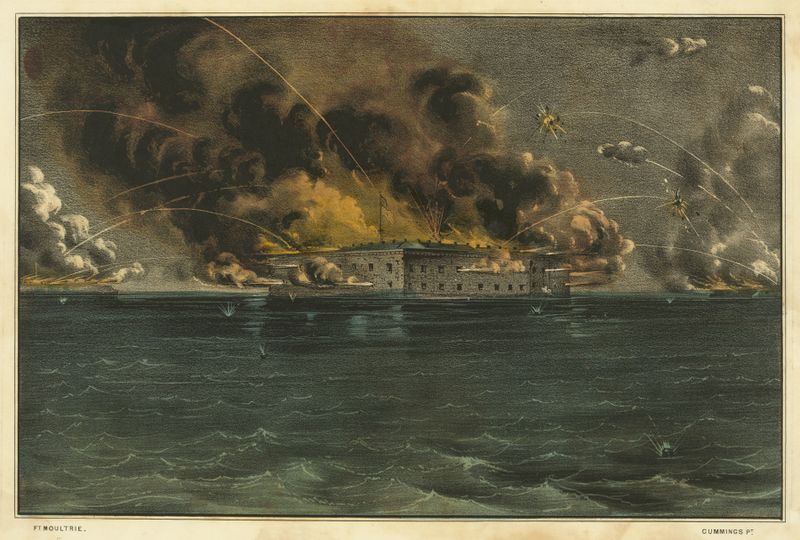
Bombardment of Fort Sumter, Charleston Harbor; 12th & 13th of April, 1861
Currier & Ives.
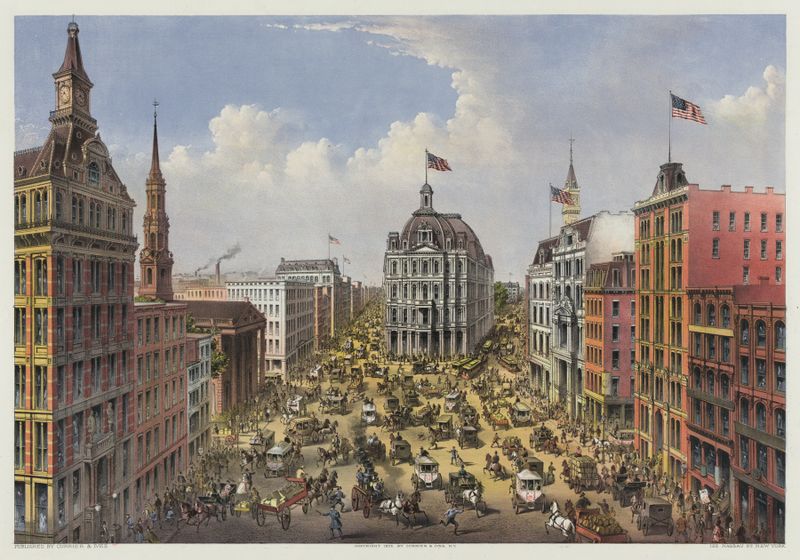
Broadway, New York; From the western union telegraph building looking north
Currier & Ives.
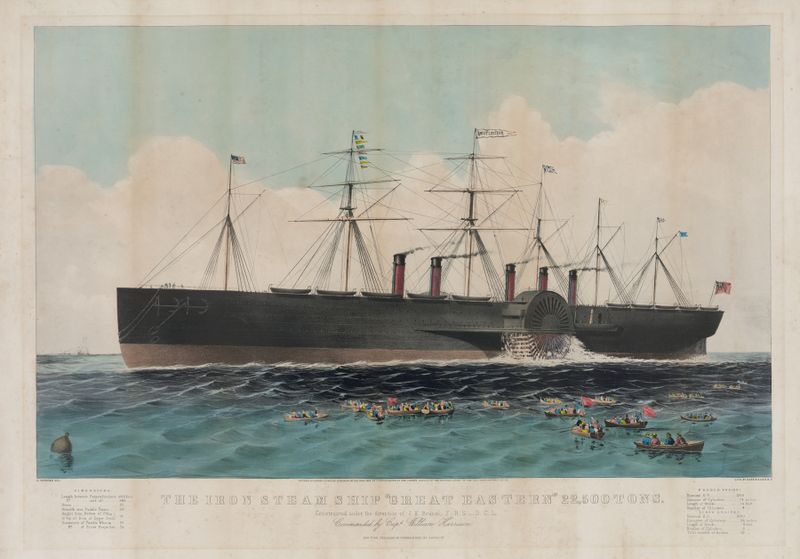
The iron steam ship ‘Great Eastern’ 22,500 tons; constructed under the direction of I.K. Brunel, F.R.S. — D.C.L. commanded by Capt. William Harrison
Currier & Ives.
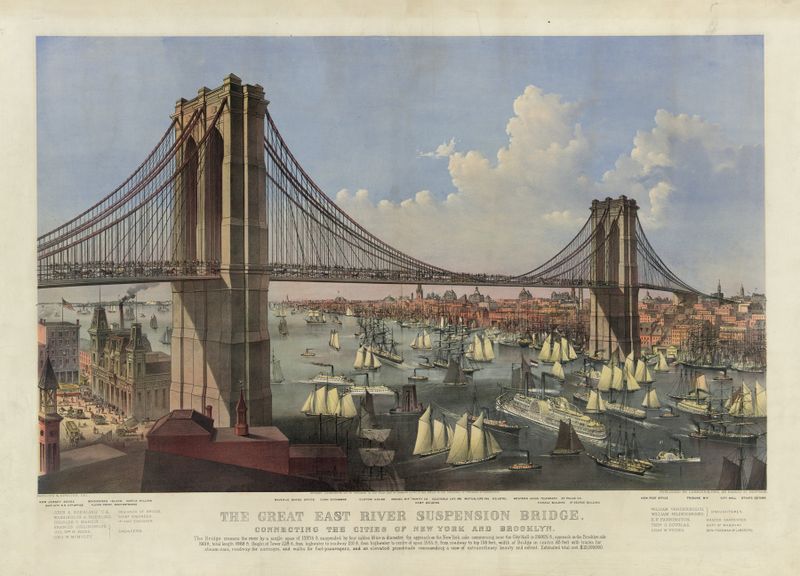
The great East River suspension bridge–Connecting the cities of New York and Brooklyn
Currier & Ives.
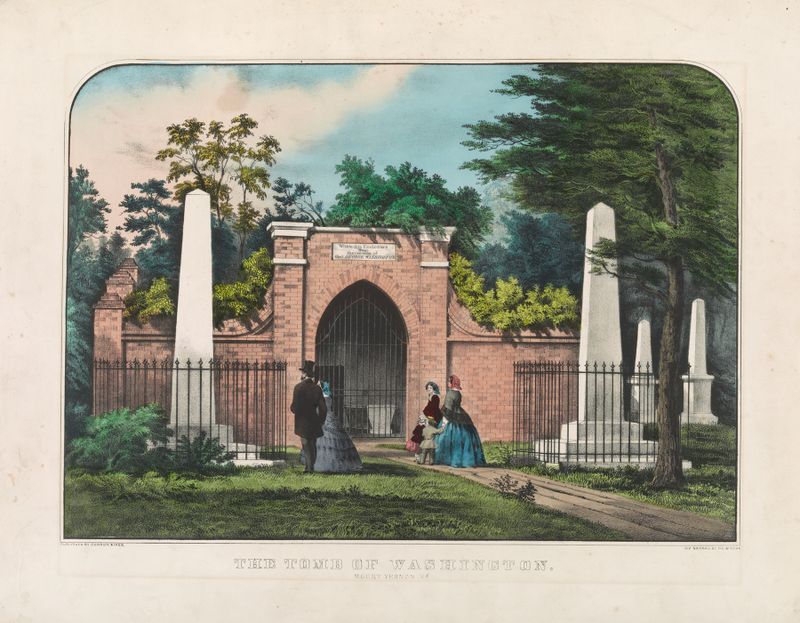
The tomb of Washington; Mount Vernon, Va.
Currier & Ives.
More Historical Art
Browse all →
The Night Watch Militia Company of District II under the Command of Captain Frans Banninck Cocq
Rembrandt van Rijn

Lincoln Memorial
Henry Bacon

The Third of May 1808
Francisco de Goya

Isaac and Rebecca, Known as ‘The Jewish Bride’
Rembrandt van Rijn

The Charge of the Mamelukes (1814)
Francisco de Goya

De vier ruiters van de apocalyps
Albrecht Dürer