
Boote — History & Facts
When Claude Monet painted Boote in 1869, he was working side by side with Pierre-Auguste Renoir at the riverside village of Bougival, just west of Paris. This was the same summer the two artists produced a series of scenes along the Seine that would soon be recognized as the birth of Impressionism. The boats Monet painted here were not grand vessels, but the simple rowboats and skiffs that dotted the riverbanks, used by Parisians escaping the city’s heat.
It is said that Monet and Renoir often painted from a floating studio—a boat itself—giving them a unique vantage point and lending their river scenes a sense of immediacy and freshness. In Boote, Monet captures a fleeting moment: boats moored quietly on the shimmering water, their hulls reflecting and dissolving into the rippling surface. The brushwork is loose and rapid, with dabs of color suggesting the play of sunlight and shadow rather than describing every detail. The boats themselves are rendered in broad, confident strokes, their forms softened by the dance of light and water.
Unlike the detailed, almost photographic river scenes of Gustave Courbet, Monet’s focus is on sensation—the way the scene feels rather than how it looks in strict reality. The painting invites the viewer to linger, to let the eye wander across the water and into the haze of the distant bank. The precise early history of Boote is not well documented, which is not unusual for Monet’s works from this period. Many of his paintings from the late 1860s were sold directly to friends or local dealers, sometimes for modest sums.
Today, Boote is recognized as a key example of Monet’s early river scenes, marking his transition from realism to the brighter palette and broken brushwork that would define Impressionism. The painting remains in a private collection, rarely exhibited, but it is frequently reproduced in books and catalogues as an emblem of Monet’s radical new vision in the years just before the first Impressionist exhibition of 1874.
More Artworks by Claude Monet
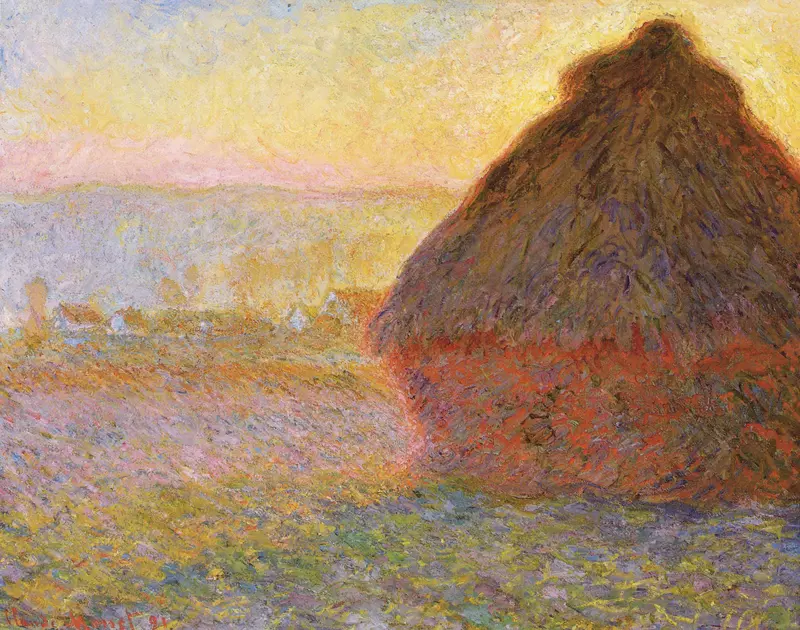
Grainstack (Sunset)
Claude Monet
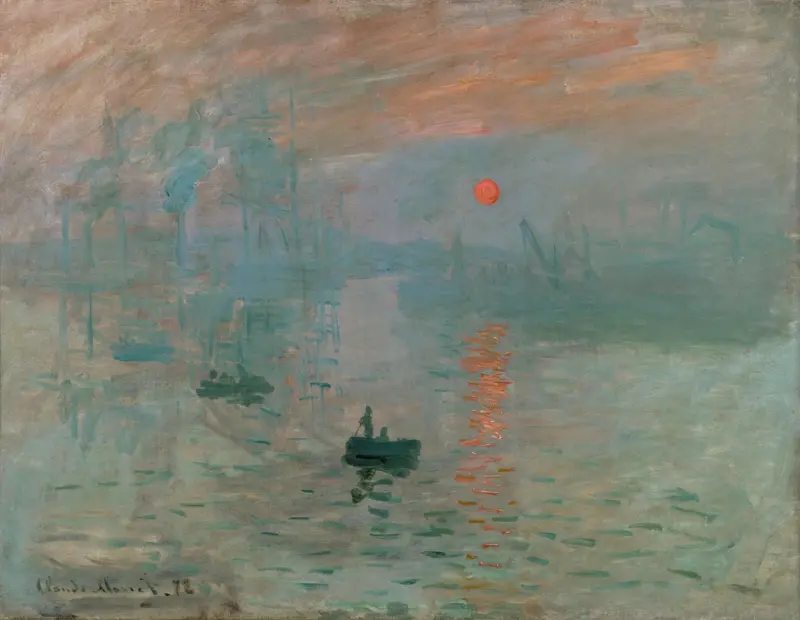
Impression, Sunrise
Claude Monet
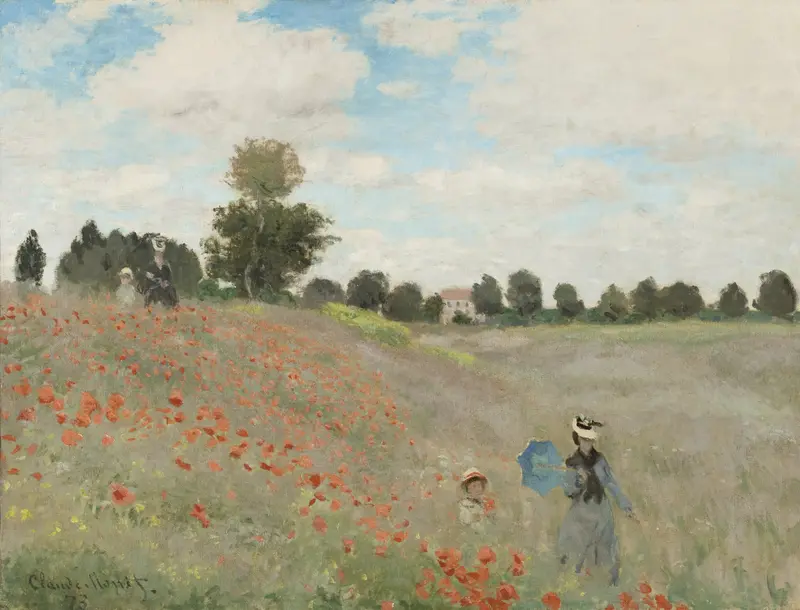
The Poppy Field near Argenteuil
Claude Monet
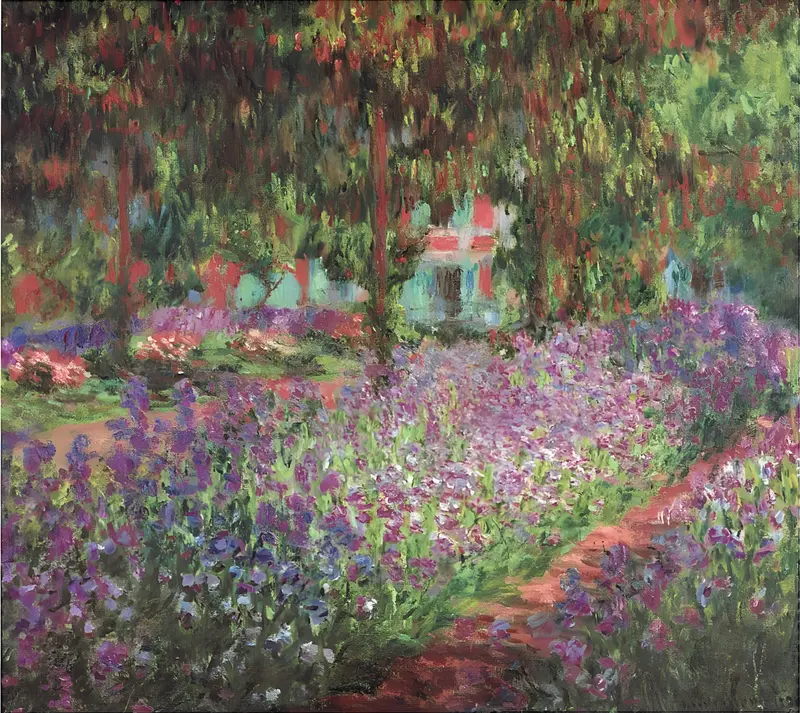
The Artist's Garden at Giverny
Claude Monet
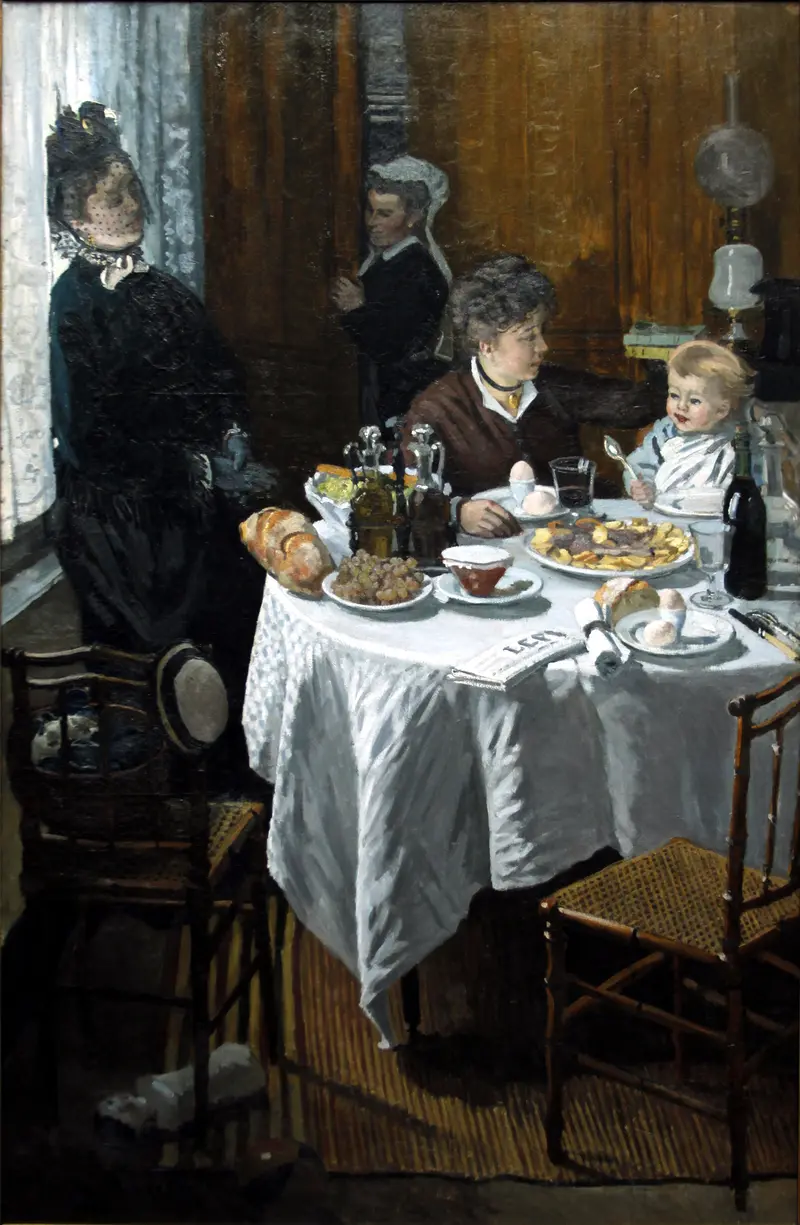
The Luncheon
Claude Monet
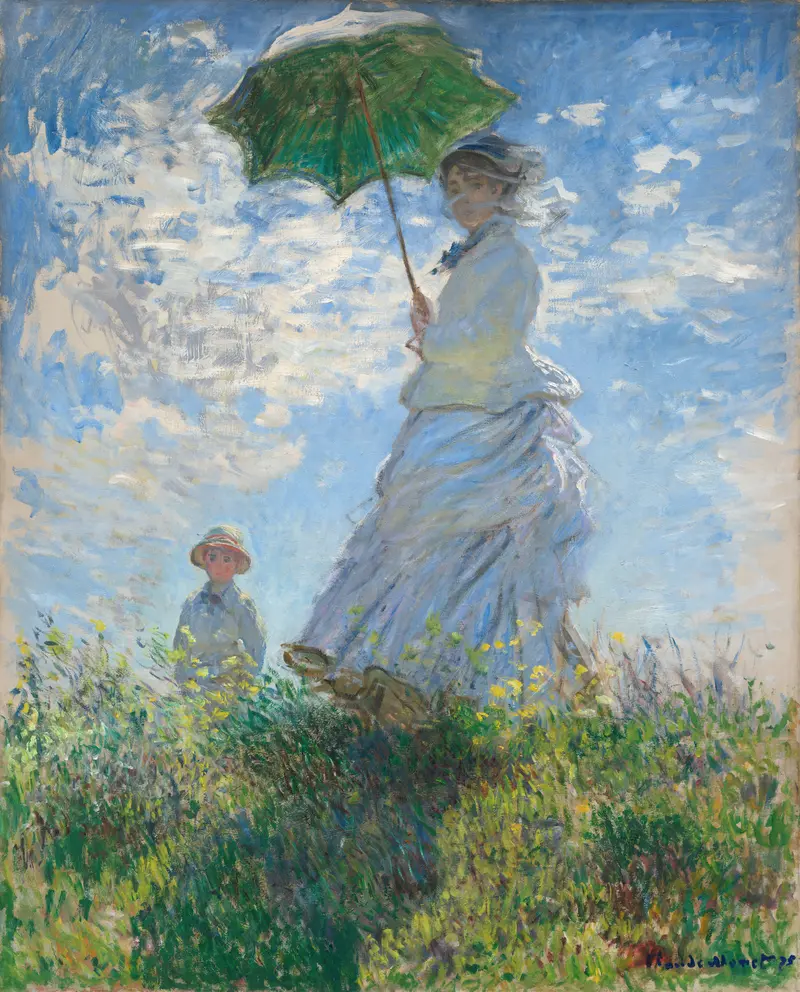
Woman with a Parasol – Madame Monet and Her Son
Claude Monet

The Gare Saint-Lazare
Claude Monet
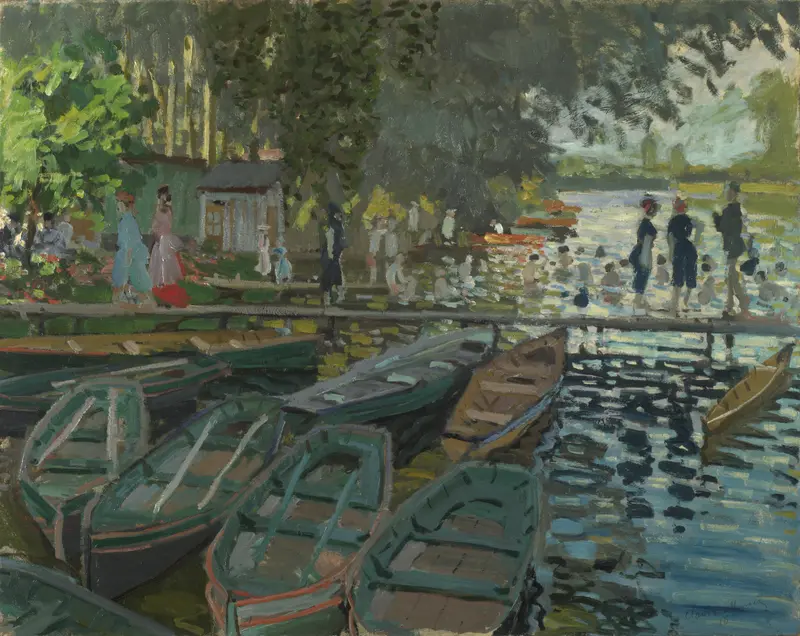
Bathers at La Grenouillère
Claude Monet
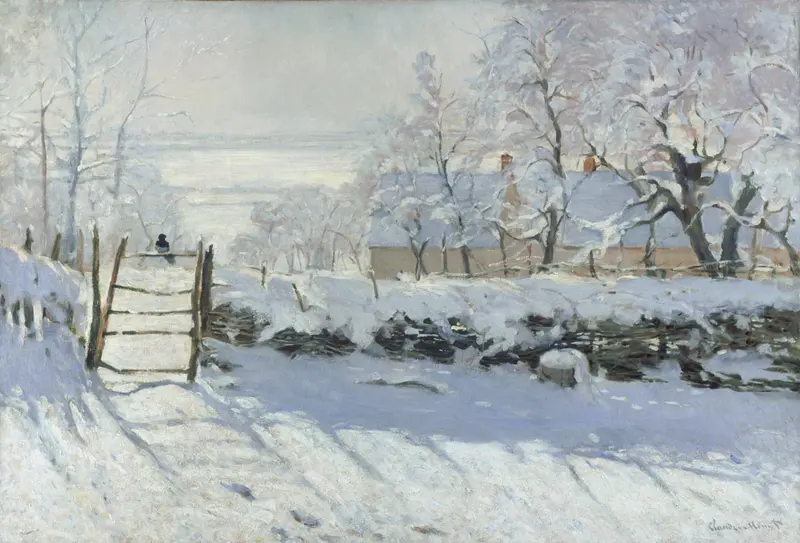
The Magpie
Claude Monet

Water Lilies
Claude Monet





