
Bord uit V.O.C.-schip de 'Witte Leeuw' — History & Facts
With every brushstroke, it captures the weight of betrayal, a silent testimony to the complexities of human endeavor and ambition. Focus on the ship's hull, where muted colors blend into the tumultuous sea. Here, the artist has intricately delineated the weathered wood, hinting at countless voyages and hidden stories. Notice how the light reflects on the water, guiding your eye toward the ship's sails, a symbol of exploration yet tinged with the shadows of conflict.
The horizon, a distant promise of discovery, contrasts sharply with the inky depths beneath. As you delve deeper, consider the significance of the ship itself, an emblem of the Dutch East India Company's insatiable thirst for trade and territorial claim. The juxtaposition between the vessel’s sturdy construction and the chaotic waters evokes a sense of unease, whispering secrets of treachery and unsung battles. The setting illustrates not just a journey across the seas, but an internal struggle, where ambition often dances perilously close to betrayal. This artwork was created before 1613 during a period when European powers were fiercely competing for dominance in trade routes.
The unknown artist was likely influenced by the socio-political climate of maritime expansion, reflecting the complex interplay between discovery and exploitation. At this time, art served as a conduit for both glorification and critique of imperial ambitions, embodying the duality of adventure and betrayal that defines the human experience.
More Artworks by Unknown Artist
Browse all →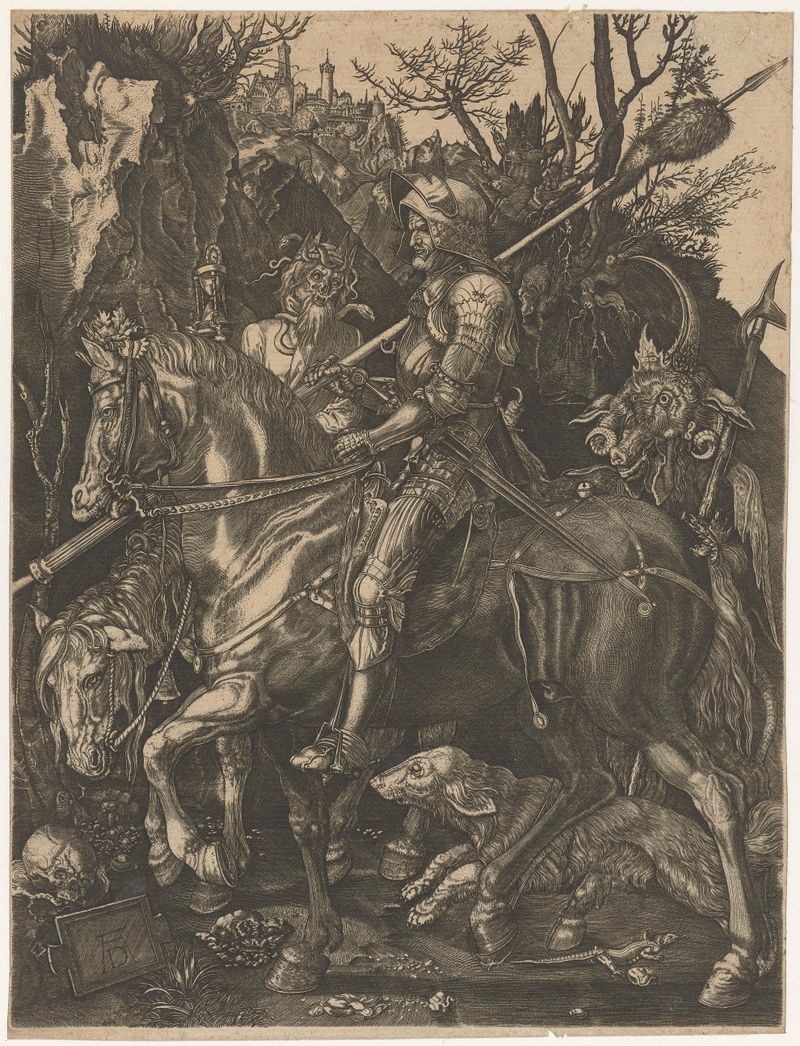
Ridder, Dood en Duivel
Unknown Artist
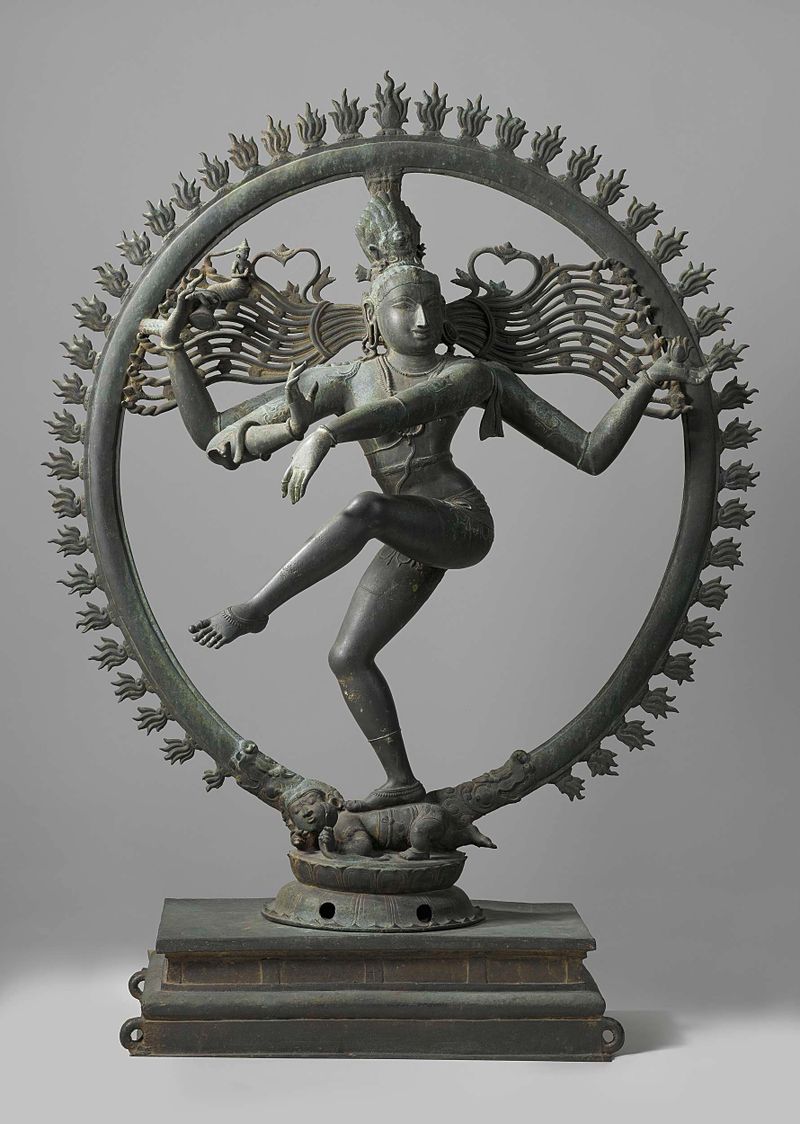
Shiva Nataraja
Unknown Artist
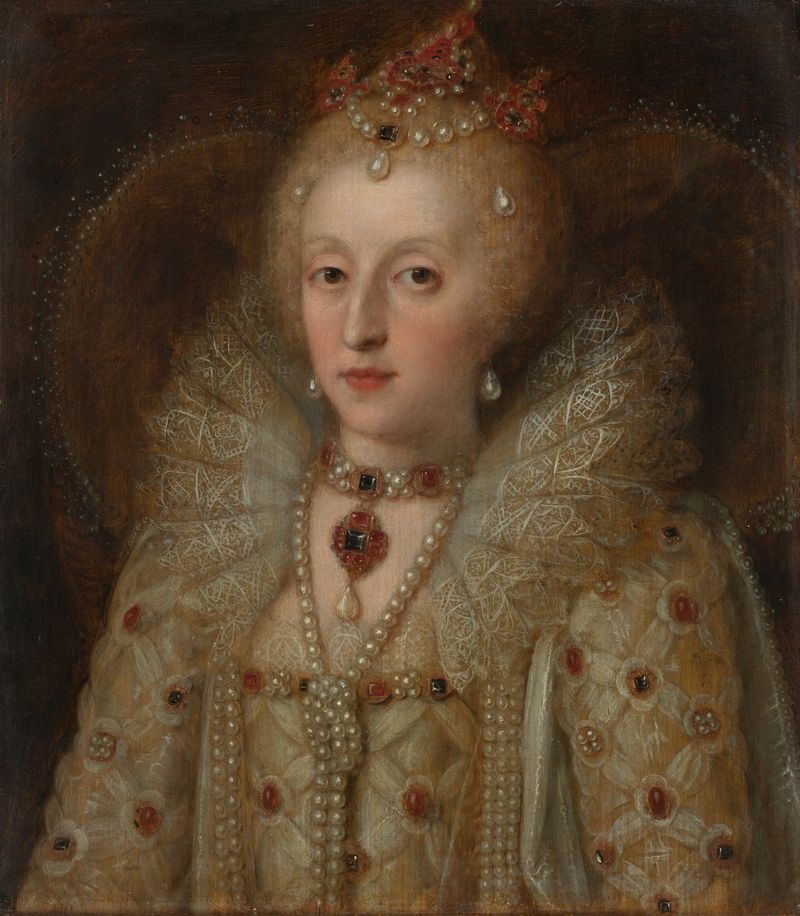
Portrait of Elizabeth I, Queen of England
Unknown Artist
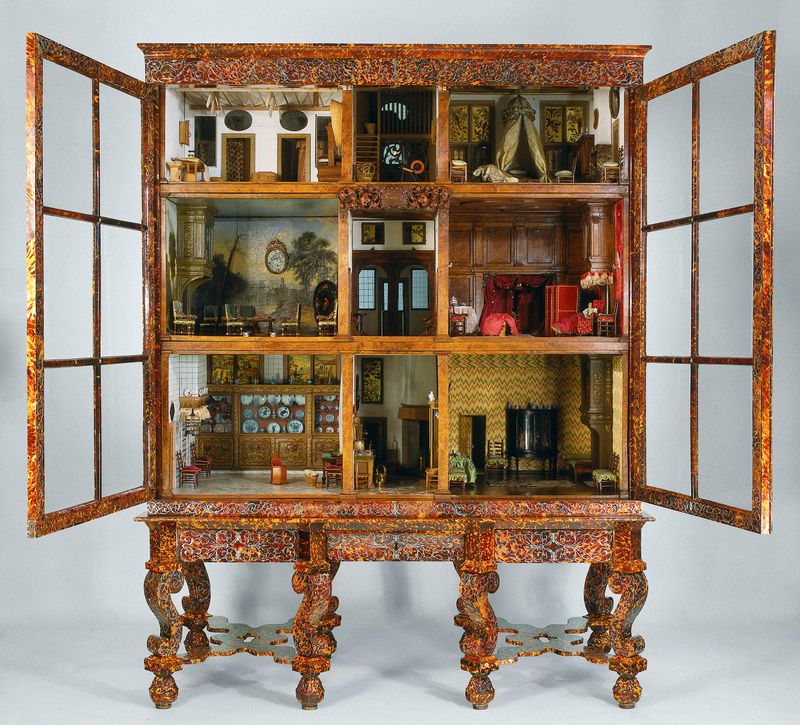
Dolls’ house of Petronella Oortman
Unknown Artist
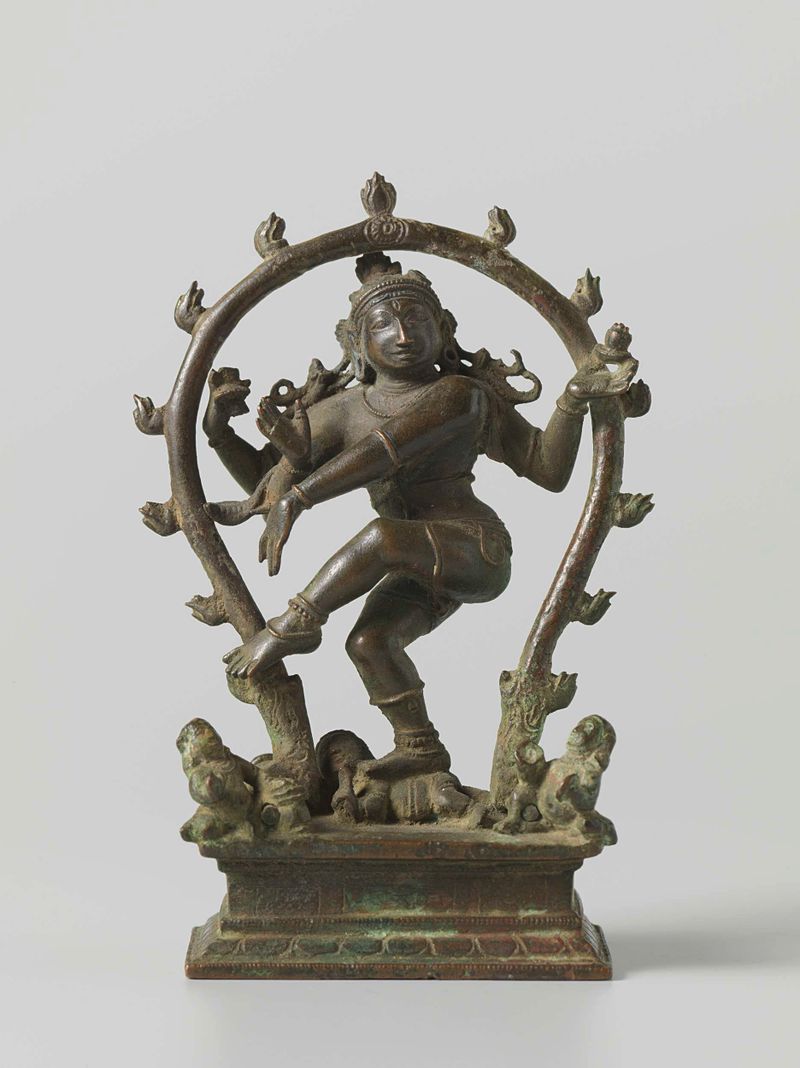
Shiva Nataraja
Unknown Artist

The Tale of Genji
Unknown Artist

The Tale of Genji
Unknown Artist
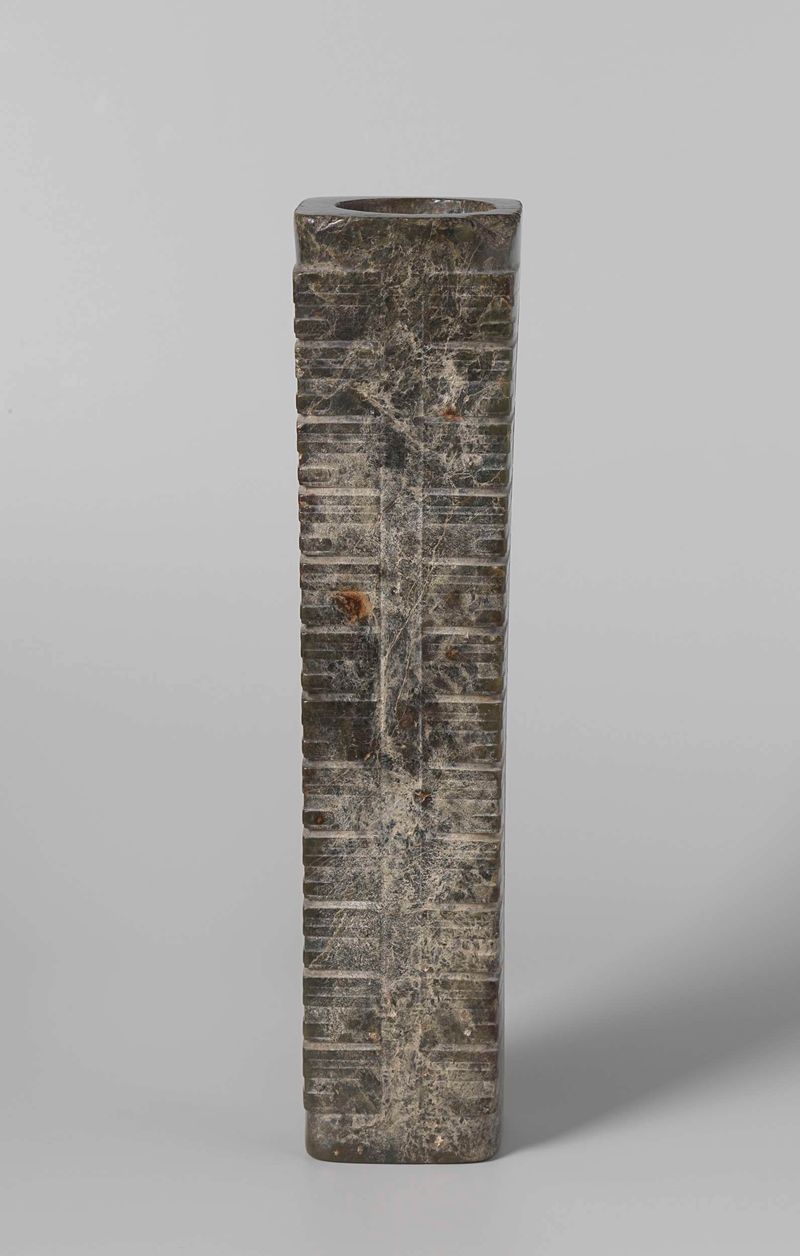
Cong
Unknown Artist
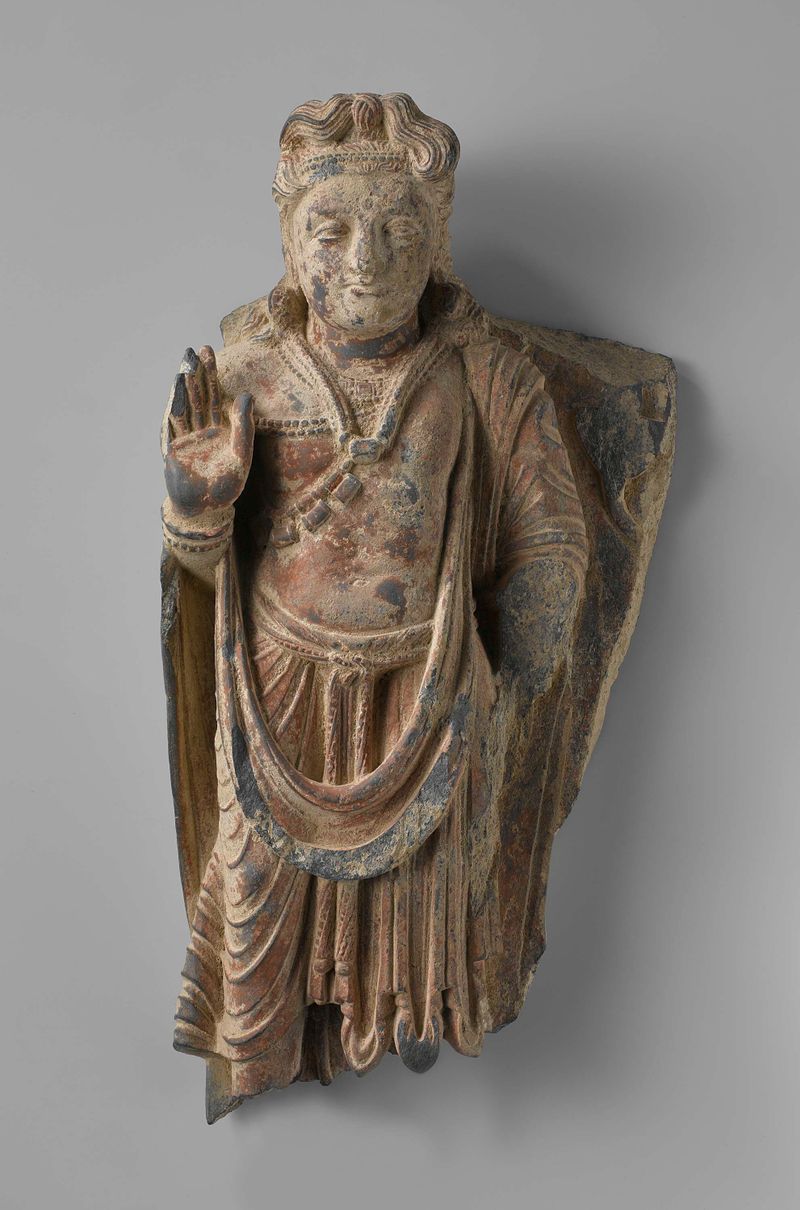
The bodhisattva Maitreya
Unknown Artist
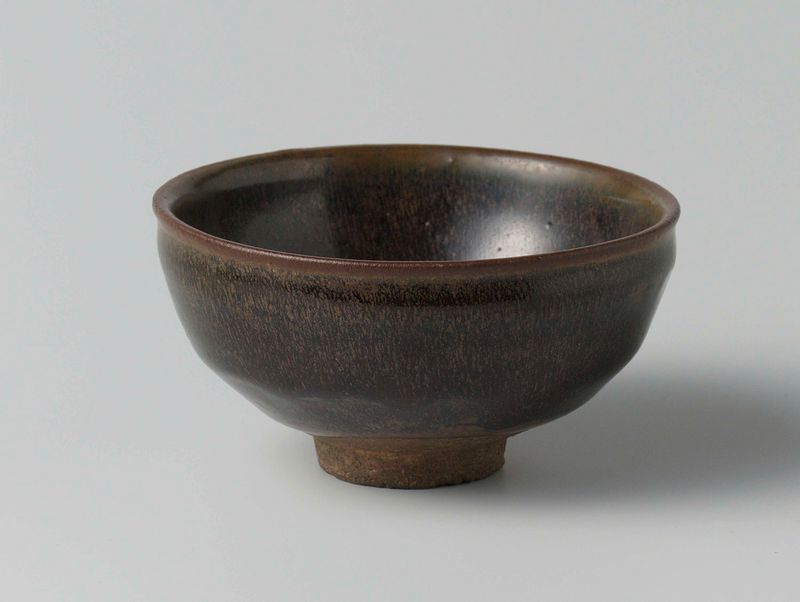
Teabowl with a 'hare's fur' glaze
Unknown Artist





