Bormes — History & Facts
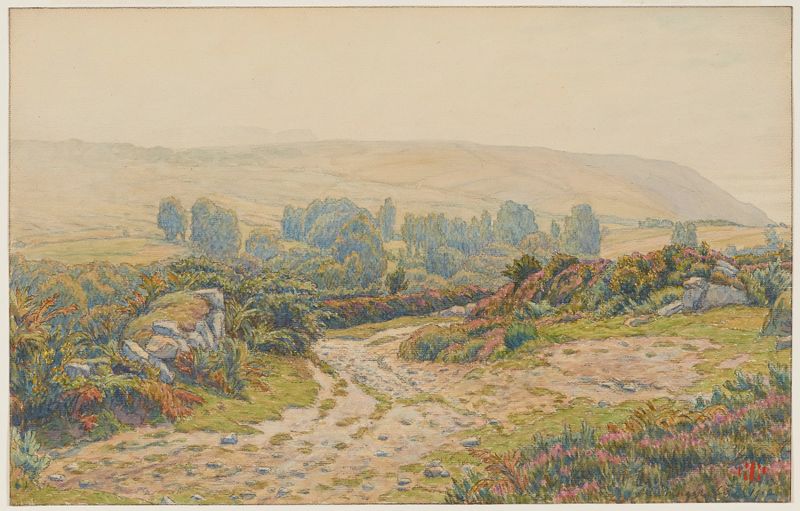
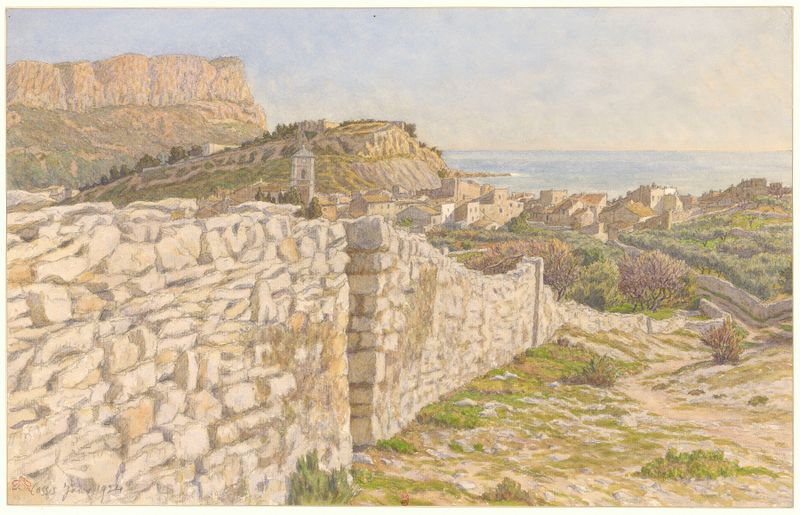
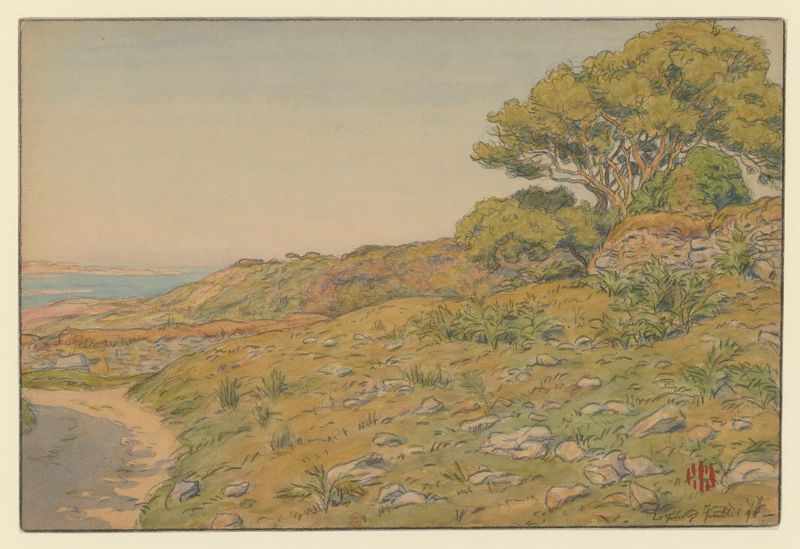
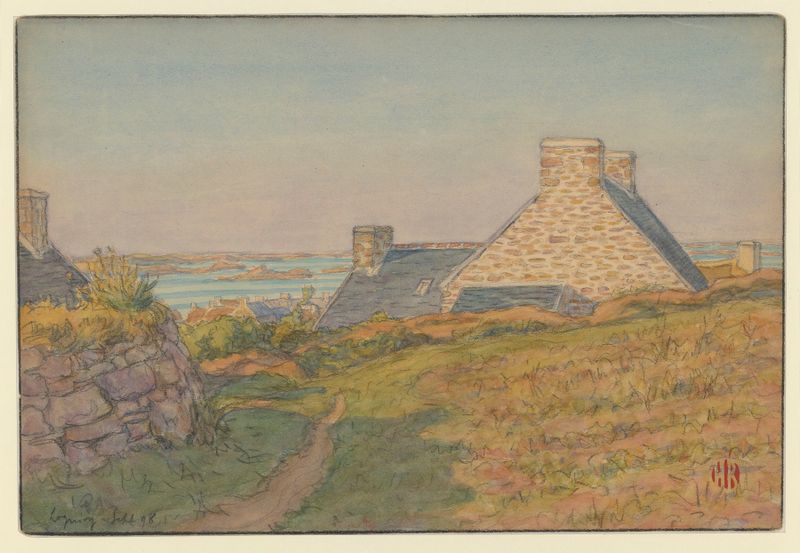
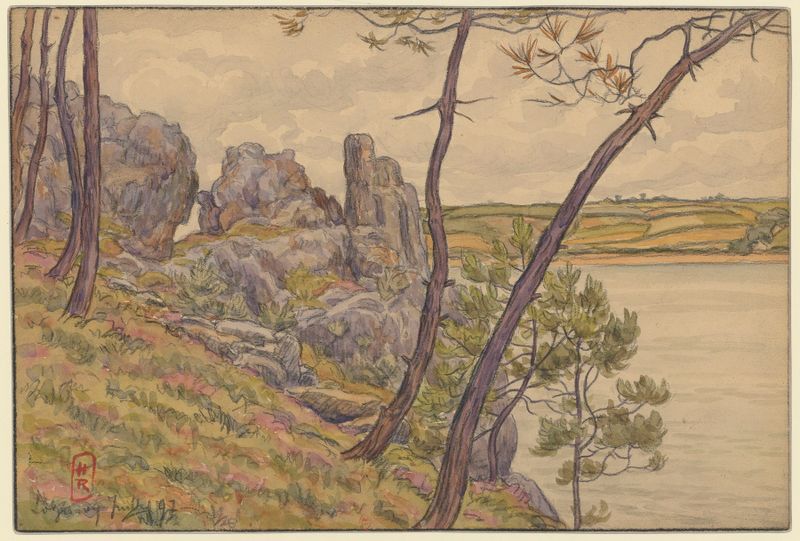
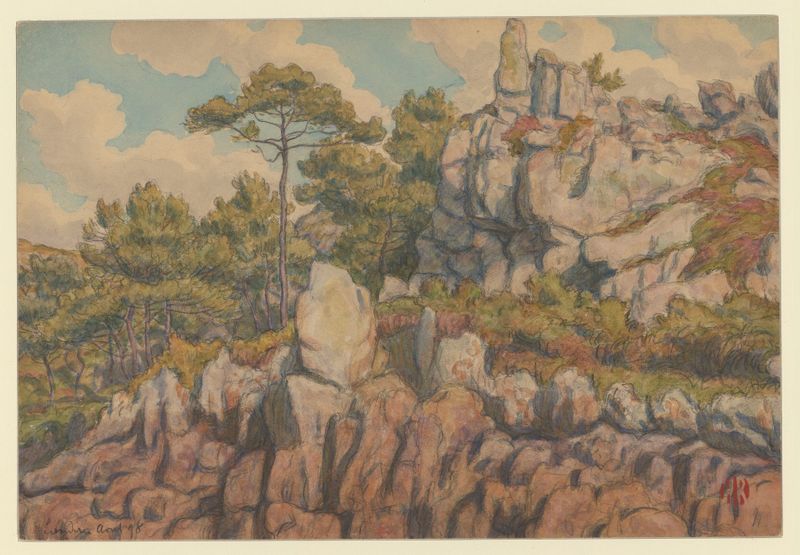
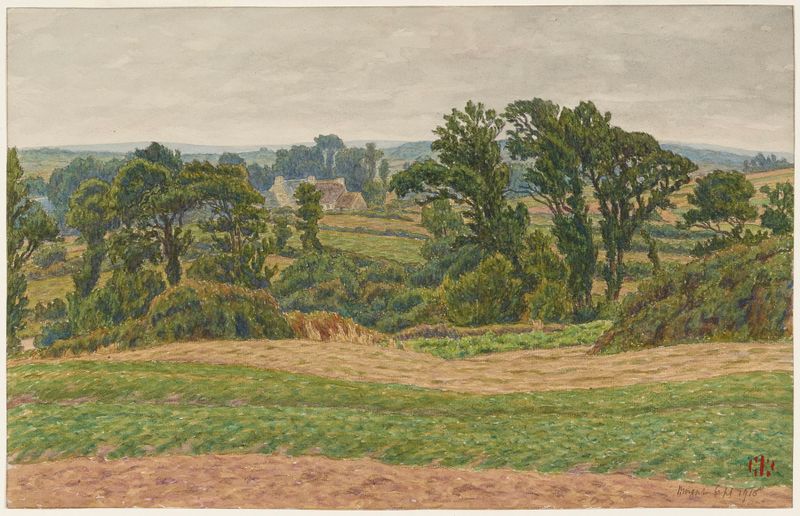
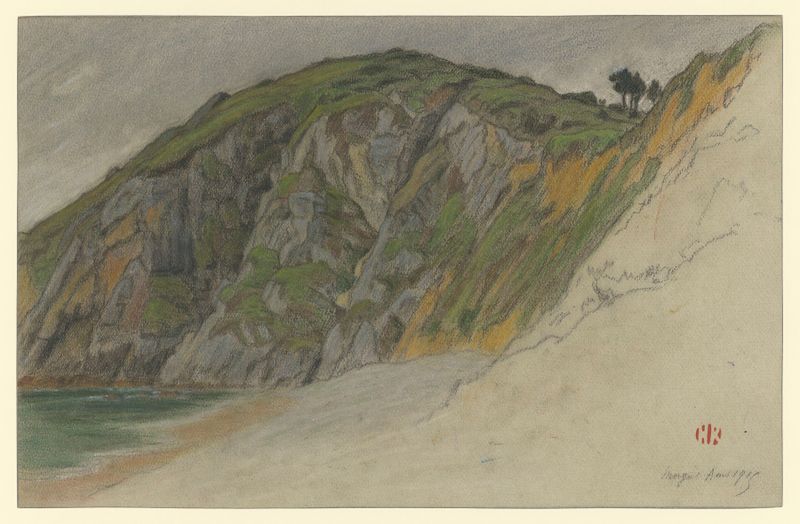
In that mysterious alchemy, the notion of legacy emerges—how fleeting moments transform into enduring forms, whispering tales of both the past and the future. Look closely at the swirling, vibrant hues nestled within the canvas. The rich tones of blue and green blend seamlessly, inviting your gaze to dance across the frame. Focus on the stark contrasts—the delicate strokes that suggest the gentle embrace of nature, juxtaposed with the bold, erratic lines that hint at the turbulence of human experience.
Each layer reveals Rivière's masterful technique, speaking to a world teetering between chaos and serenity. As you explore, notice the subtle interplay of light and shadow, which evokes a sense of nostalgia. The interplay suggests both comfort and disquiet, as if the artist is grappling with the weight of memory while crafting this scene. Here lies the commentary on legacy: a reminder of the beauty that can emerge from disorder, showcasing how life’s ebbs and flows leave indelible marks on our souls. In 1925, Rivière painted this piece during a time when France was revitalizing its cultural landscape after the devastation of World War I.
This period marked a renaissance for many artists, who sought new forms of expression and meaning. Rivière, exploring themes of nature and the human condition, encapsulated the spirit of renewal and reflection, layering both personal and collective histories within his work.