Bormes — History & Facts
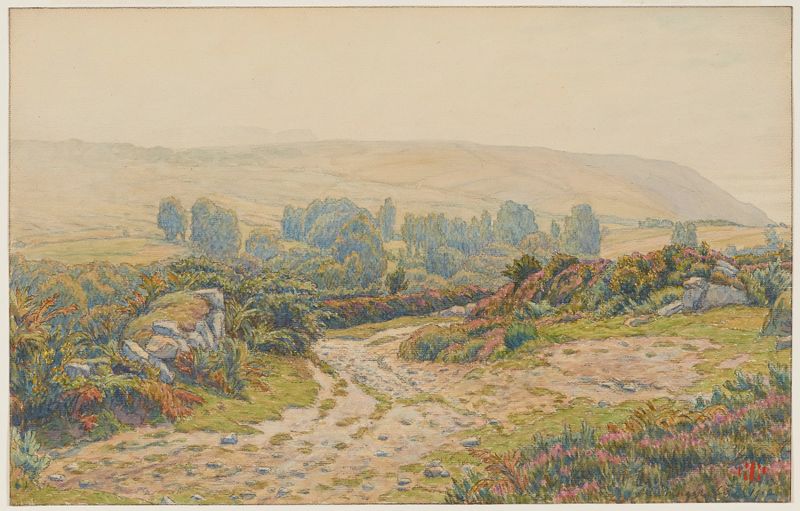
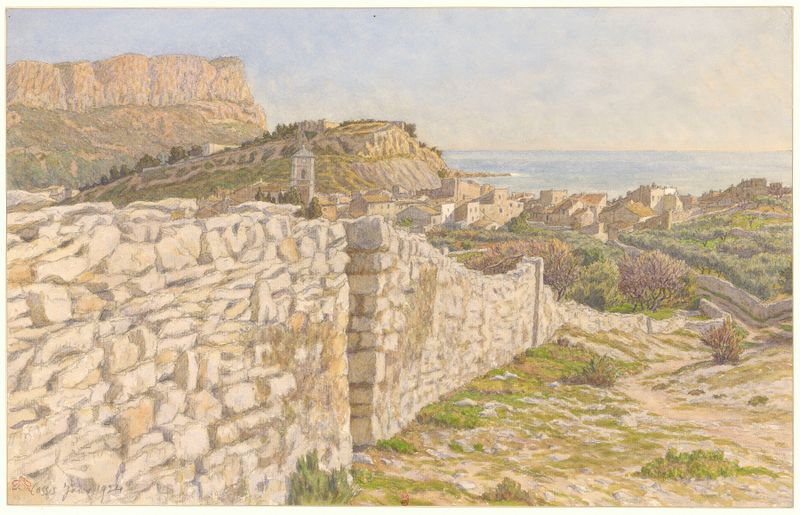
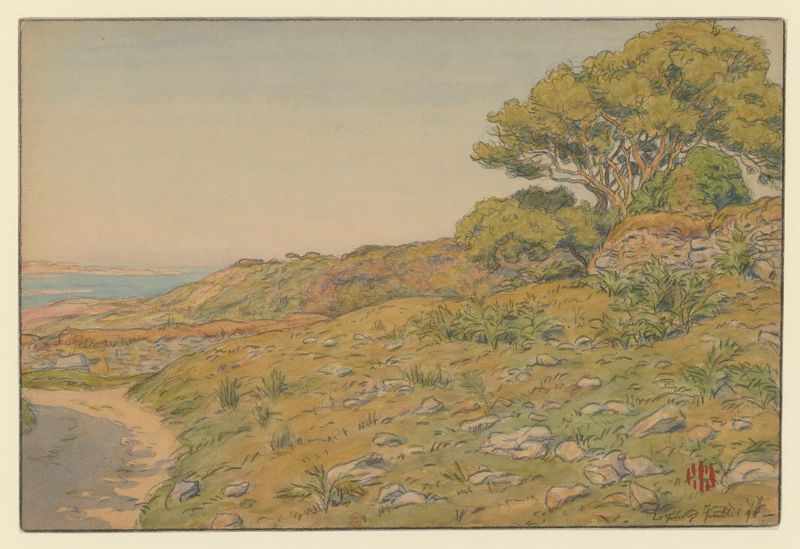
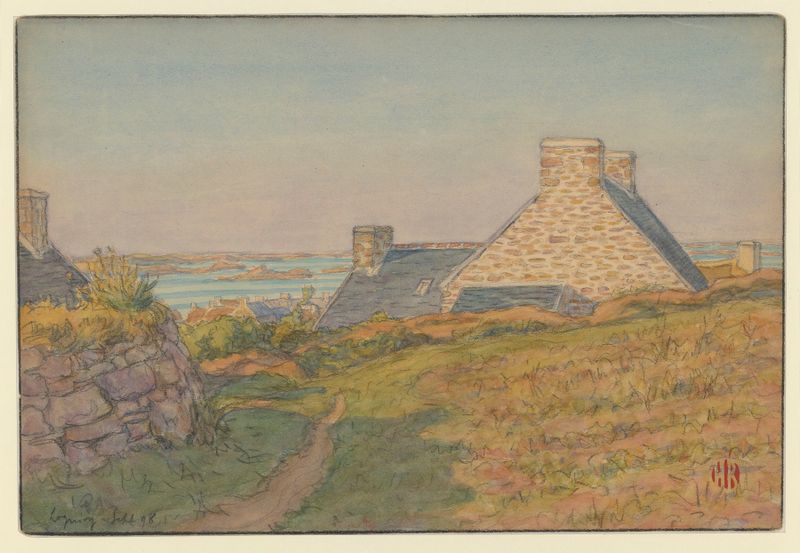
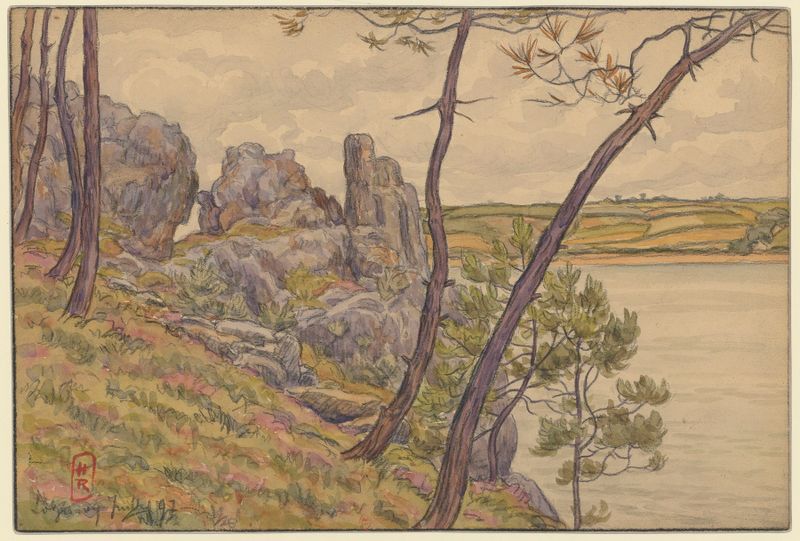
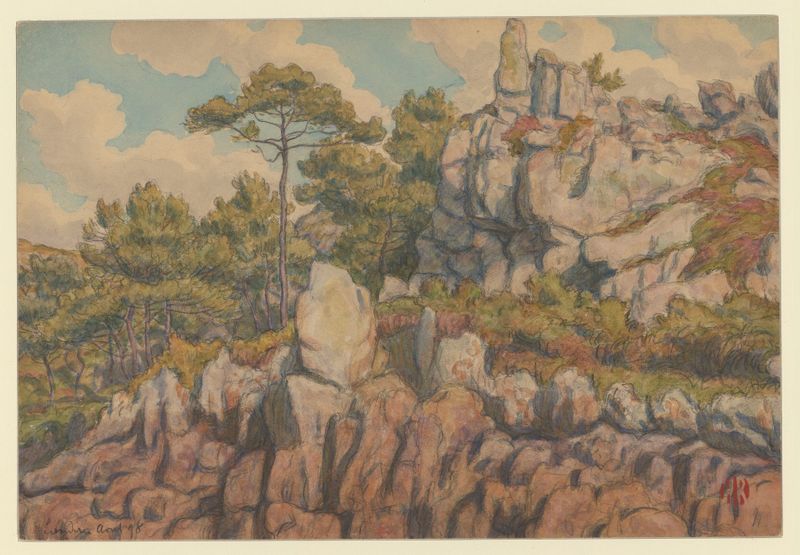
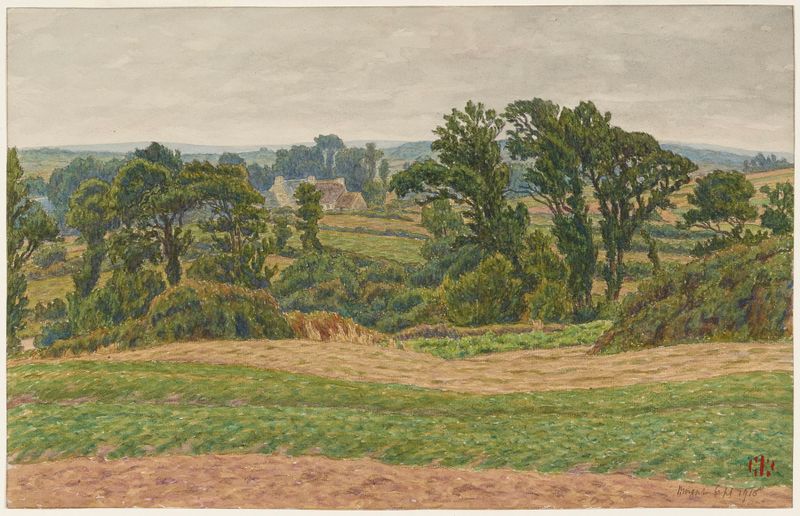
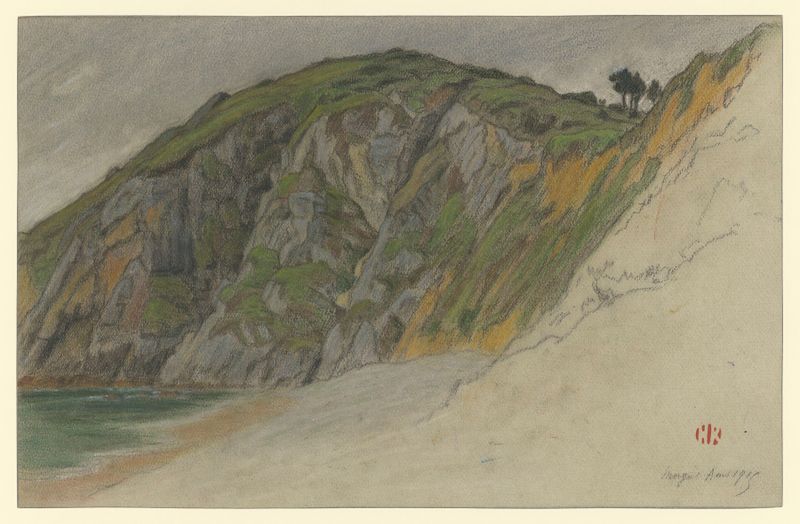
In the depths of an artist's heart lies the pursuit of destiny, an ever-elusive thread woven through the fabric of creation. How does one capture the transient beauty of a moment, transforming it into an everlasting reflection of time? Look closely at the vibrant hues that dance across the canvas of Bormes, where shades of blue and green intertwine in a delicate embrace. The sweeping strokes suggest the gentle undulation of a landscape, pulling your gaze toward the horizon, where sky and earth meet in a mesmerizing blur.
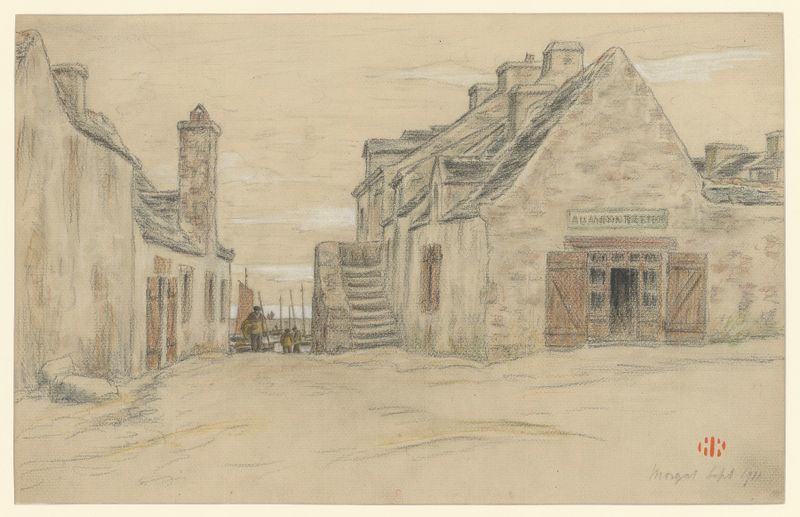
Notice how the dappled light catches the edges of each form, creating an interplay of shadow and illumination that evokes both serenity and yearning. Rivière's skillful blending ignites the scene, breathing life into the stillness of the moment, allowing the viewer to feel the warmth of the sun's embrace. Beneath its tranquil facade lies an undercurrent of emotional tension, as the wildness of nature and the structured forms of human habitation converge. The juxtaposition of lush greenery and man-made structures speaks to the precarious balance between civilization and the untamed world, hinting at the inevitable passage of time.
Here, destiny whispers through the rustling leaves and the distant mountains — a reminder that what we create is forever intertwined with the chaos of existence. In 1925, Bormes emerged from Rivière’s brush during a period marked by his exploration of color and form in post-impressionist landscapes. Living in France, he was deeply influenced by the movement toward abstraction, seeking to capture the emotional essence of a scene rather than its mere representation. At this time, the art world was evolving, embracing new techniques and perspectives, reflecting the complexities of modern life and the inexorable pull of destiny.