Bormes — History & Facts
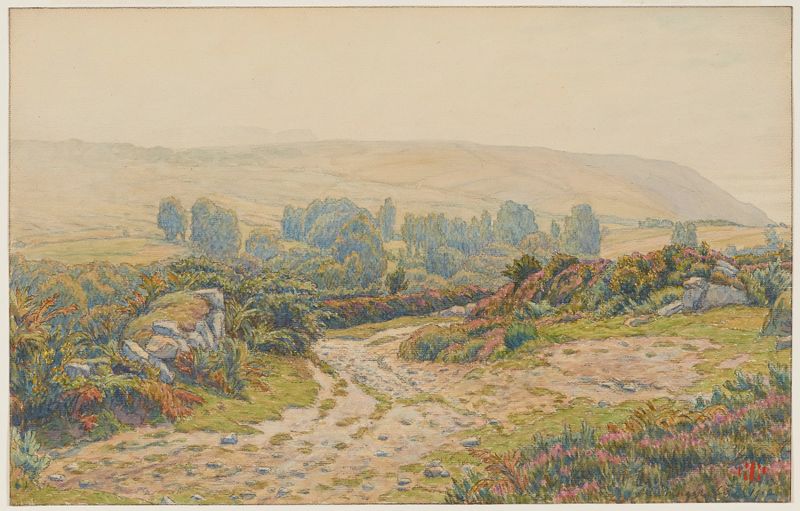
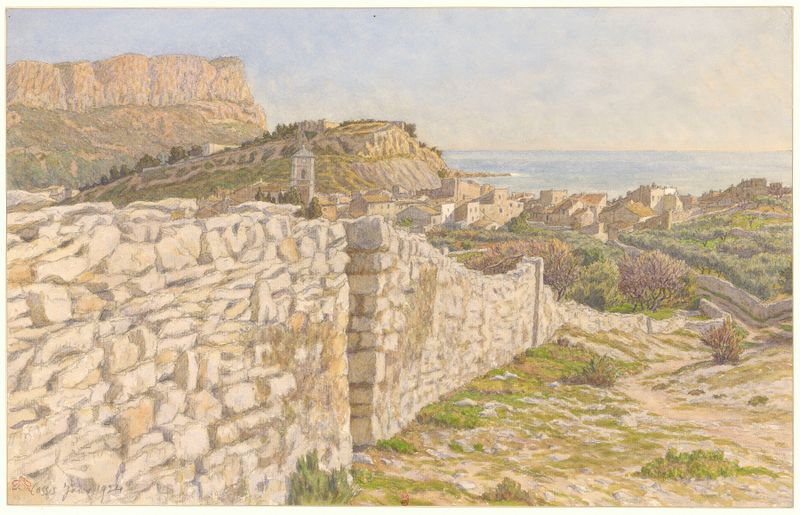
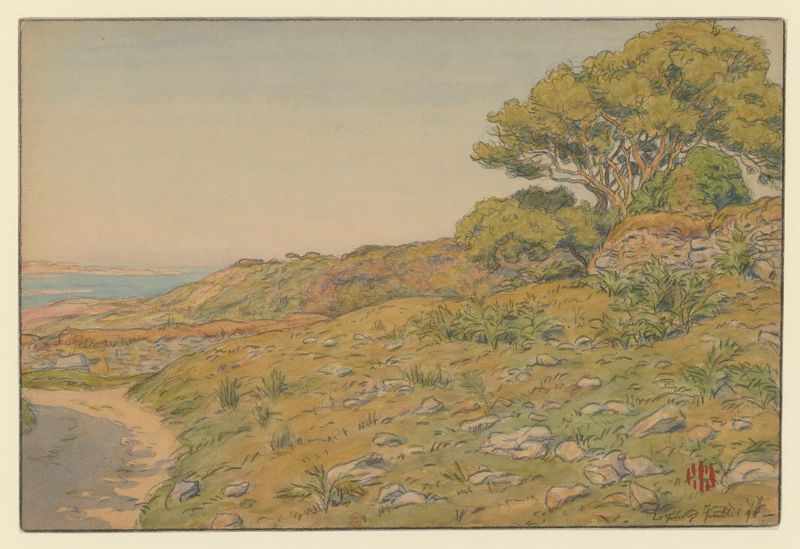
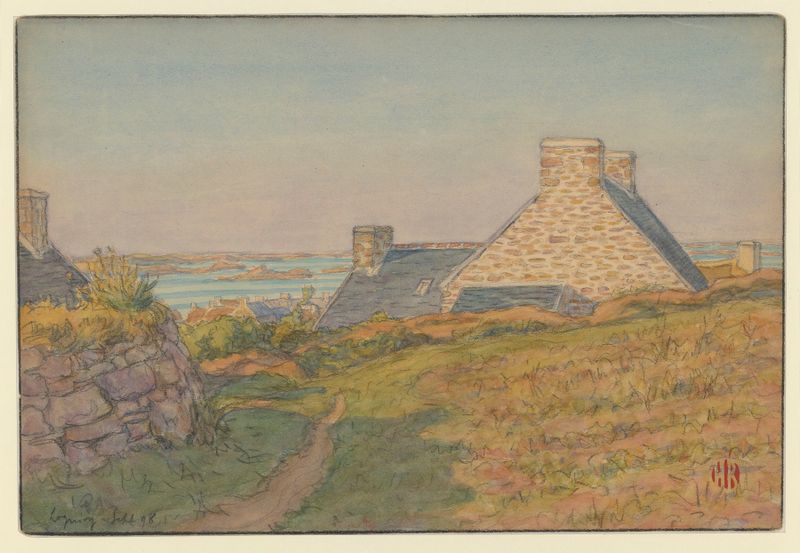
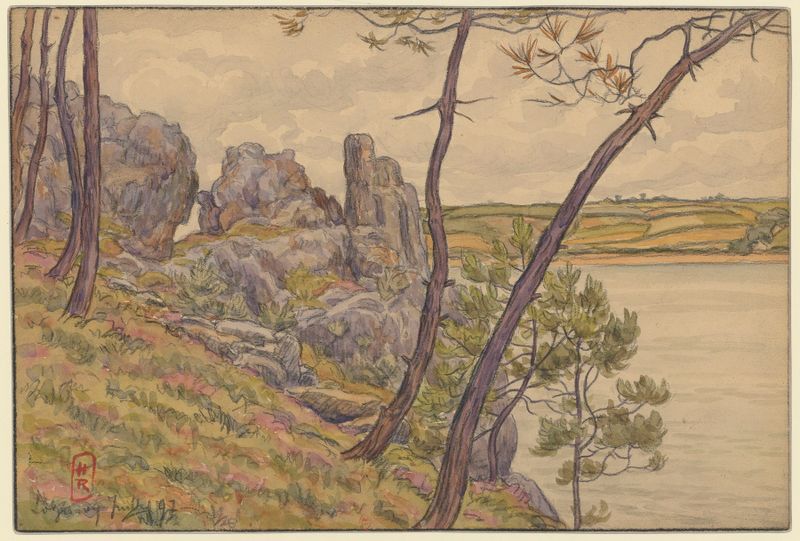
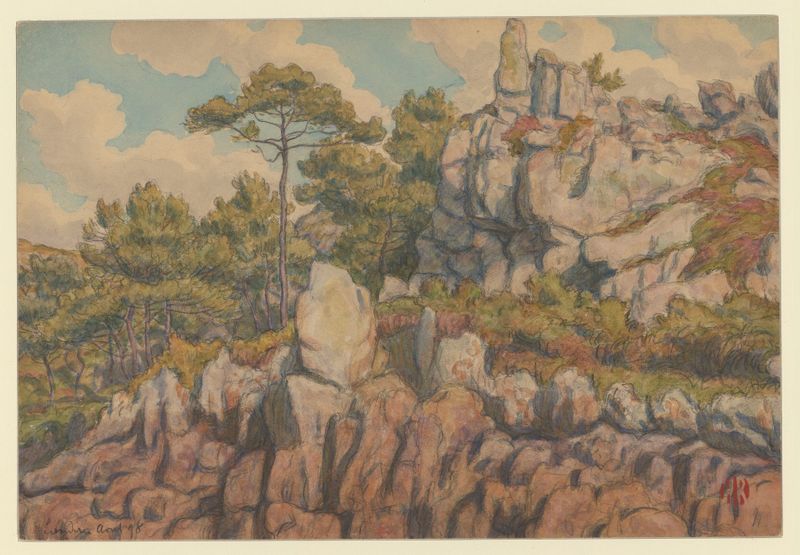
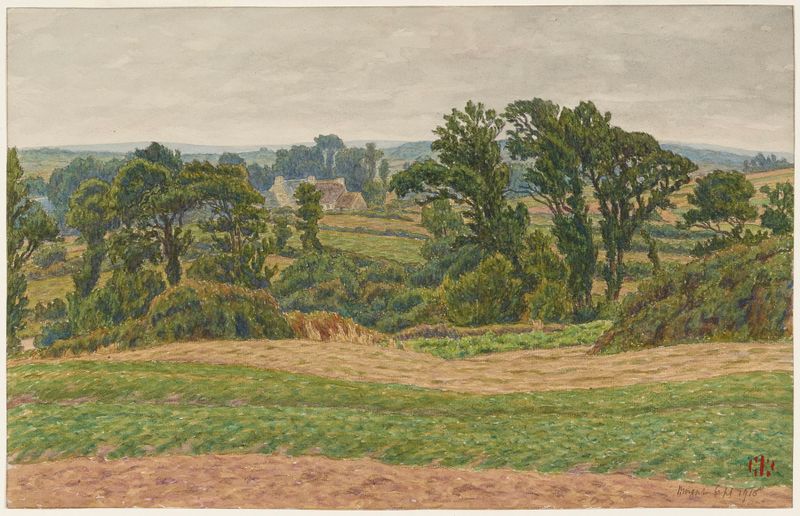
In the stillness of existence, beauty emerges, unadorned and profound. It invites us to pause, to reflect on moments that slip through the cracks of our busy lives. Focus on the gentle sweep of color in Bormes: the warm ochres and soft greens blend harmoniously, evoking an idyllic landscape washed by the sun. Notice how the brushstrokes dance across the canvas, creating a texture that breathes life into the scene.
The composition draws your eye towards the horizon, where light seems to embrace the earth, inviting a sense of peace and tranquility that feels almost tangible. Yet, beneath the serene surface lies a subtle tension. The interplay of light and shadow creates a dialogue between the vibrant colors and the hints of obscurity, reflecting the duality of beauty and melancholy. Each stroke carries with it a whisper of memory, capturing not just the landscape but the essence of fleeting moments — the laughter, the silence, the passage of time.
This painting speaks to the fragility of beauty, reminding us that it flourishes even amid life’s complexities. In 1926, while residing in France, Rivière painted Bormes during a time when post-impressionism was evolving into new modernist styles. The world was in a period of introspection, recovering from the turmoil of the Great War. This solitude and contemplation are evidenced in his work, as he sought to forge a connection between the viewer and the natural beauty surrounding them, establishing a poignant respite from the chaos of the modern age.