Bormes — History & Facts
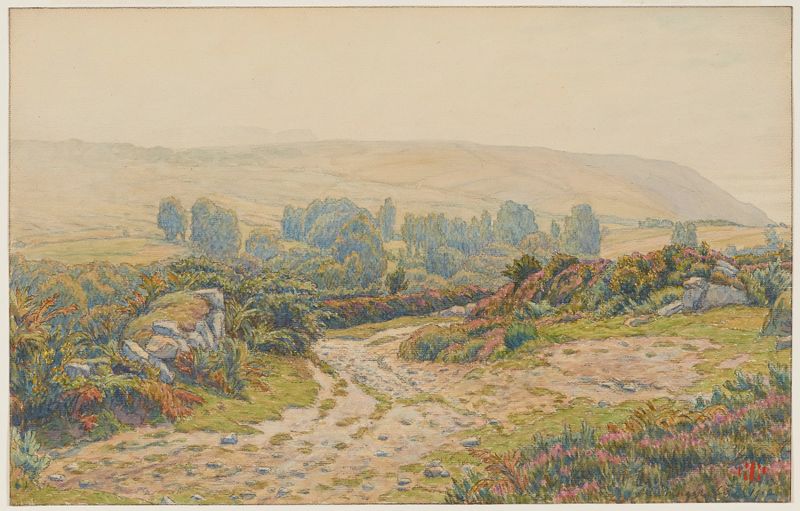
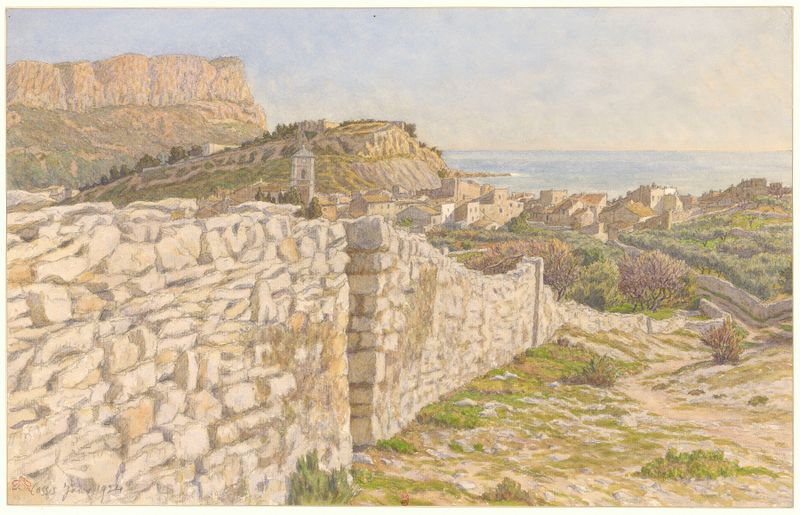
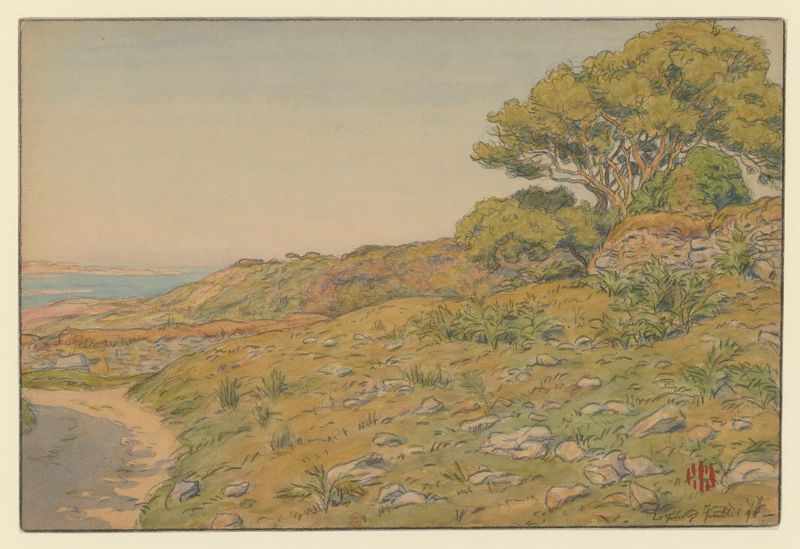
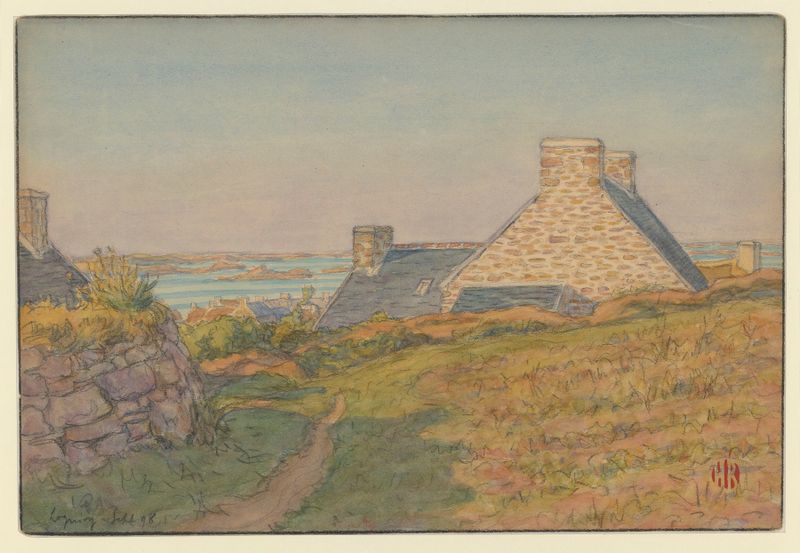
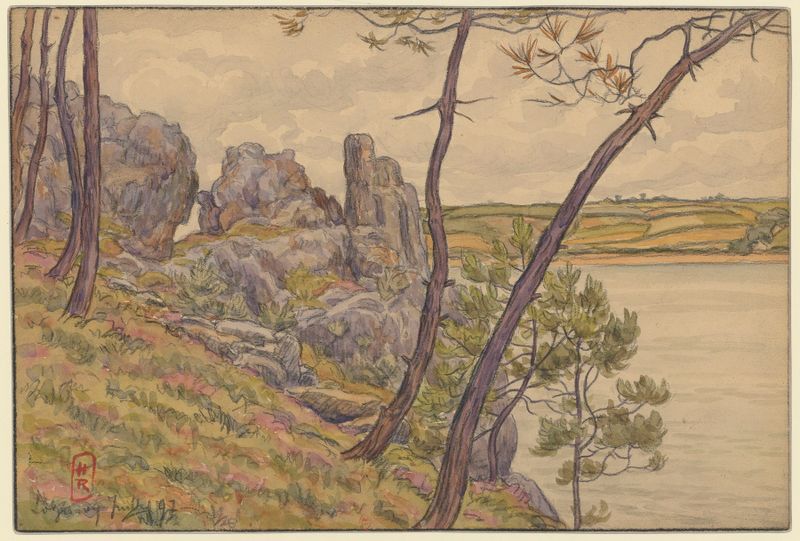
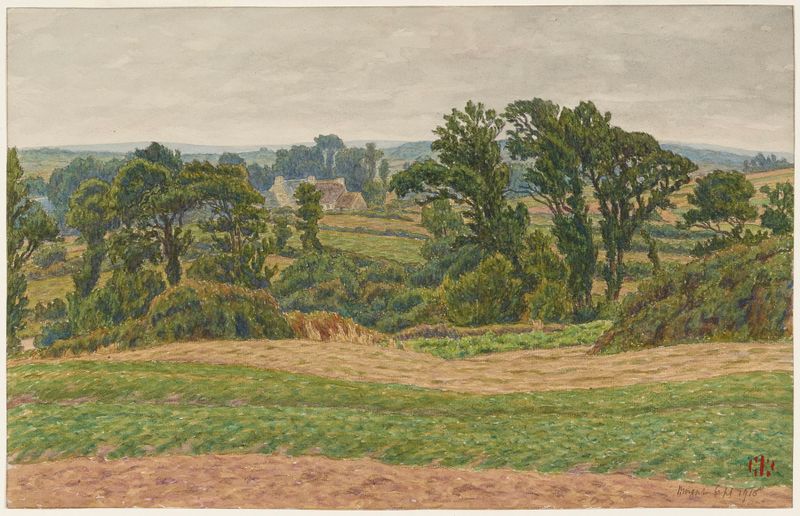
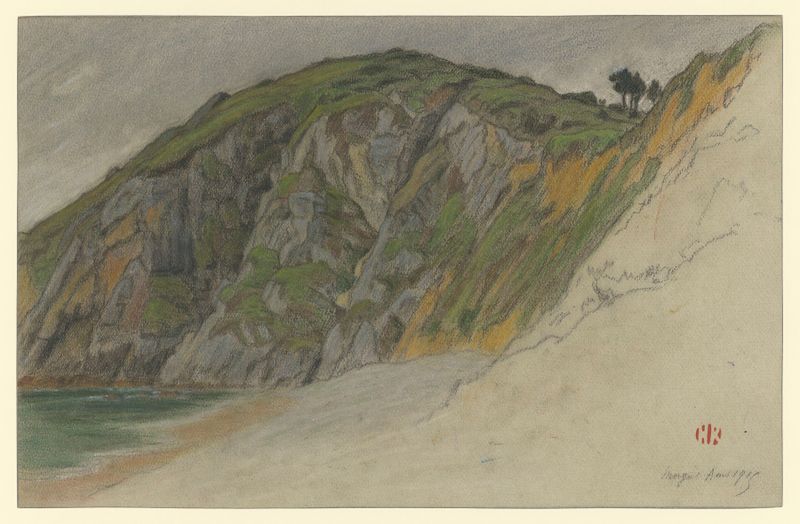
What if beauty was never meant to be finished? The interplay of light and shadow in this piece beckons viewers to contemplate the truth hidden within imperfection. Focus your gaze on the intricate layering of colors that define the scene. The soft hues of blue and green draw you toward the gentle folds of the landscape, while delicate strokes of white capture the glimmer of sunlight on water. Notice how the artist creates a sense of tranquility through the harmonious composition, with angular lines leading the eye toward the horizon, suggesting both distance and possibility.
Each brushstroke feels deliberate, yet spontaneous, inviting you to explore the emotional depths of the natural world. As you delve deeper, consider the contrast between the vivid foreground and the subdued background. This juxtaposition emphasizes a tension between the familiar and the unknown, echoing the complexities of human perception. The quiet absence of figures in the landscape speaks volumes, suggesting that beauty and truth often exist in solitude.
Such is the power of nature—both a refuge and a mystery, evoking a sense of longing and introspection. Created in 1925, the artist captured Bormes during a period of experimentation within the art world, as movements like Impressionism and Post-Impressionism influenced his style. Henri Rivière, known for his affinity with the natural landscapes of France, painted during a time when artists sought to break traditional forms and embrace a more subjective view of reality. His work reflects a personal journey toward understanding beauty amidst the changing tides of artistic expression.